Culture in Medellín
Culture: the best places in and around Medellín, verified one by one.
- 35 places
- 23 zones
- average
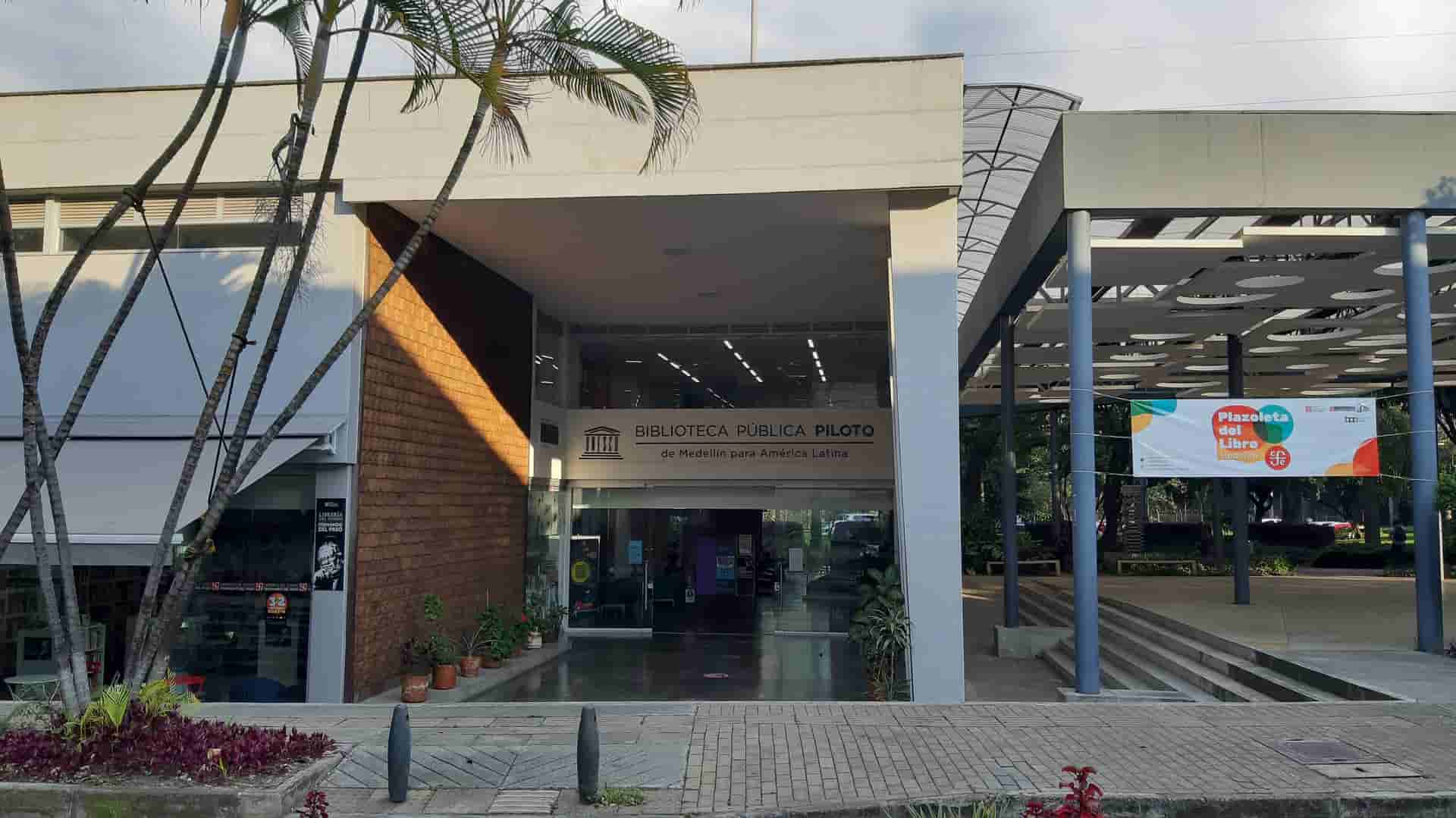
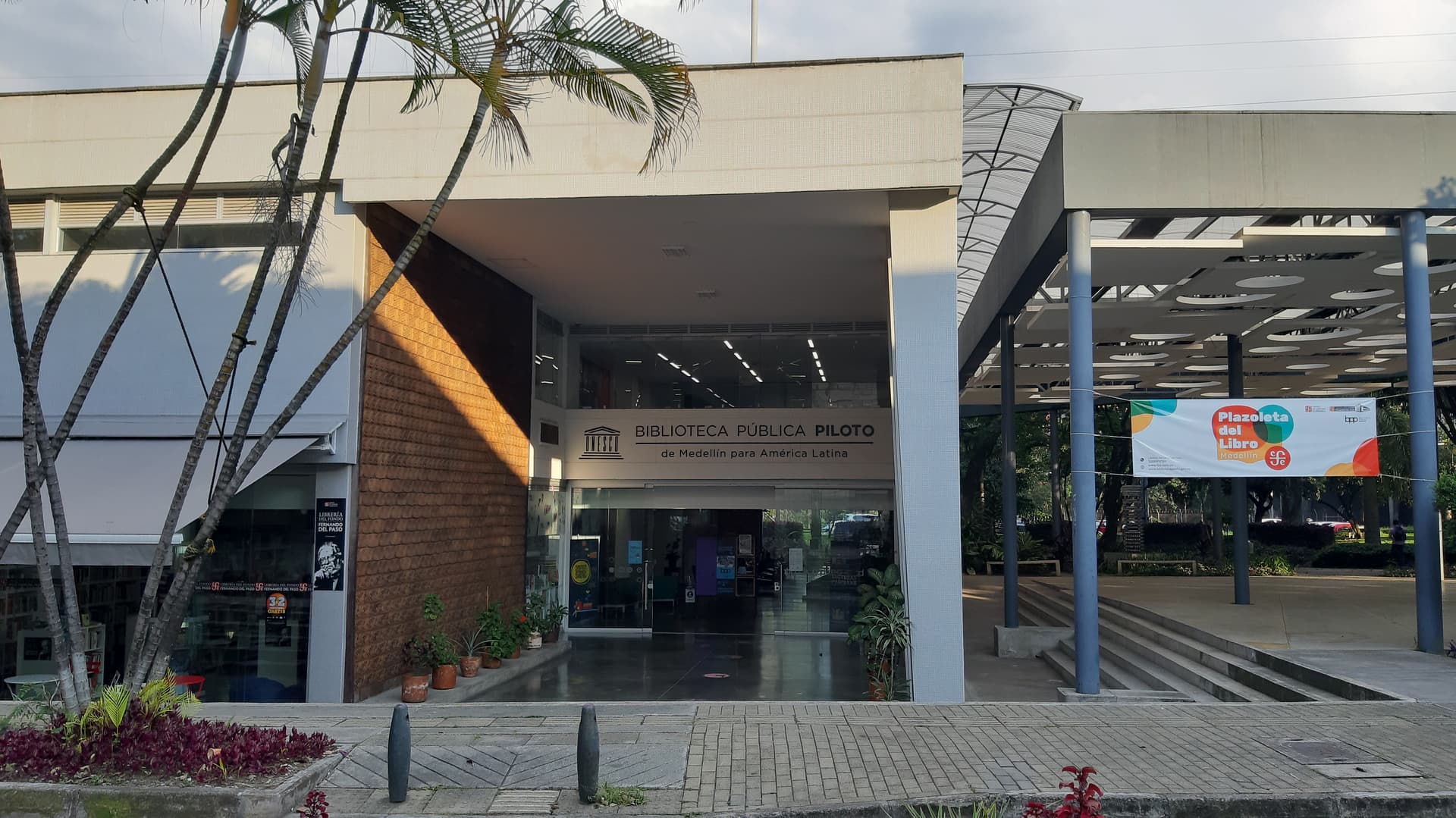 Top ratedBiblioteca Pública PilotoLaurelesThe Biblioteca Pública Piloto de Medellín para América Latina was signed in Paris on 10 November 1952, in a document subscribed by the Colombian delegate José Manuel Mora Vásquez and UNESCO director general Jaime Torres Bodet. It was the second pilot library in the world, after India's, and was conceived as a model public library for the whole continent.
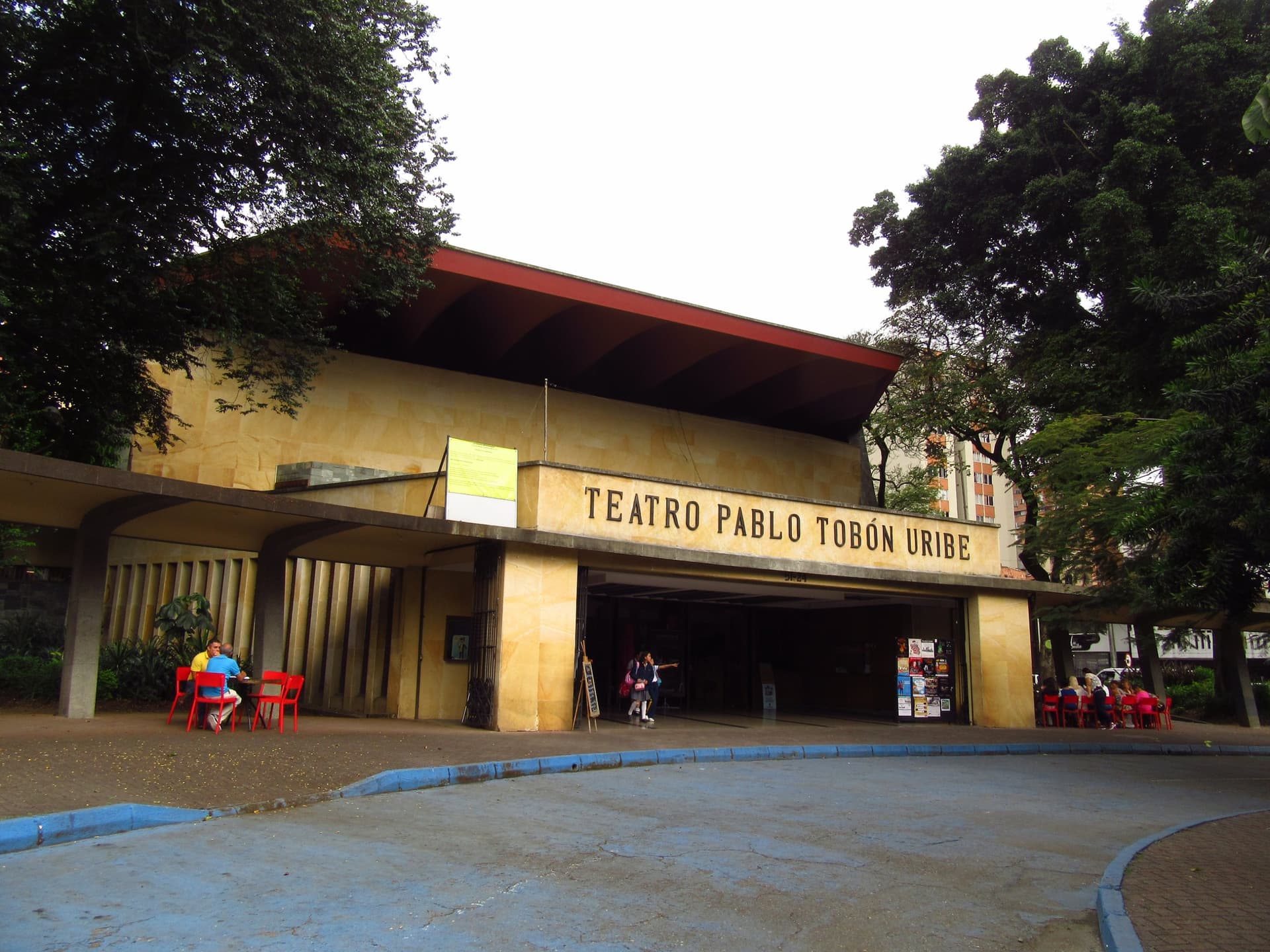 Top ratedTeatro MatacandelasBostonFounded in 1979 and designated Living Cultural Heritage of Medellín in 1991, Teatro Matacandelas is one of Latin America's premier independent theater ensembles. Housed in a charming historic republican mansion downtown, it stages world-class repertory theater, musical poetry, acoustic concerts, and puppetry.
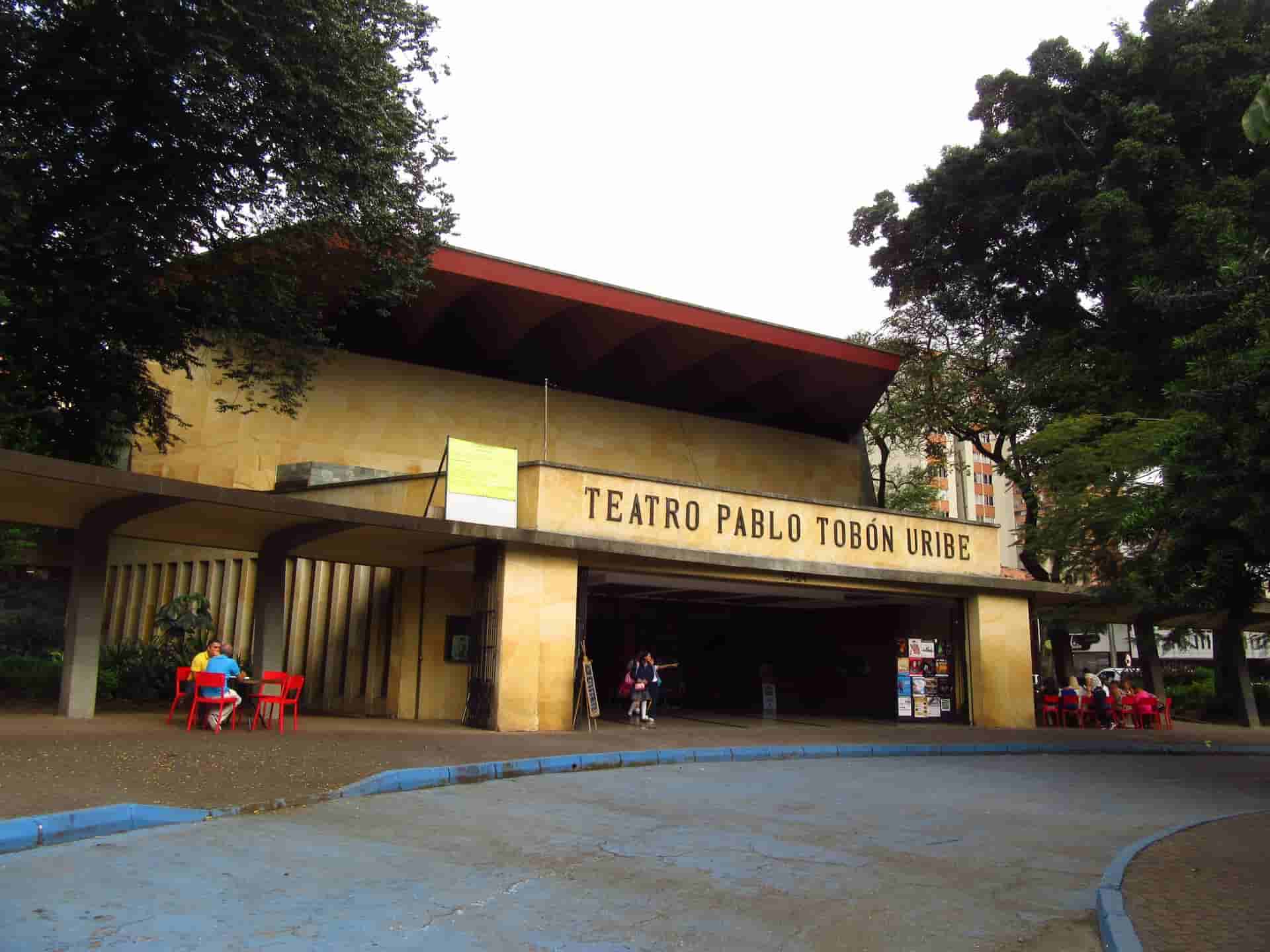
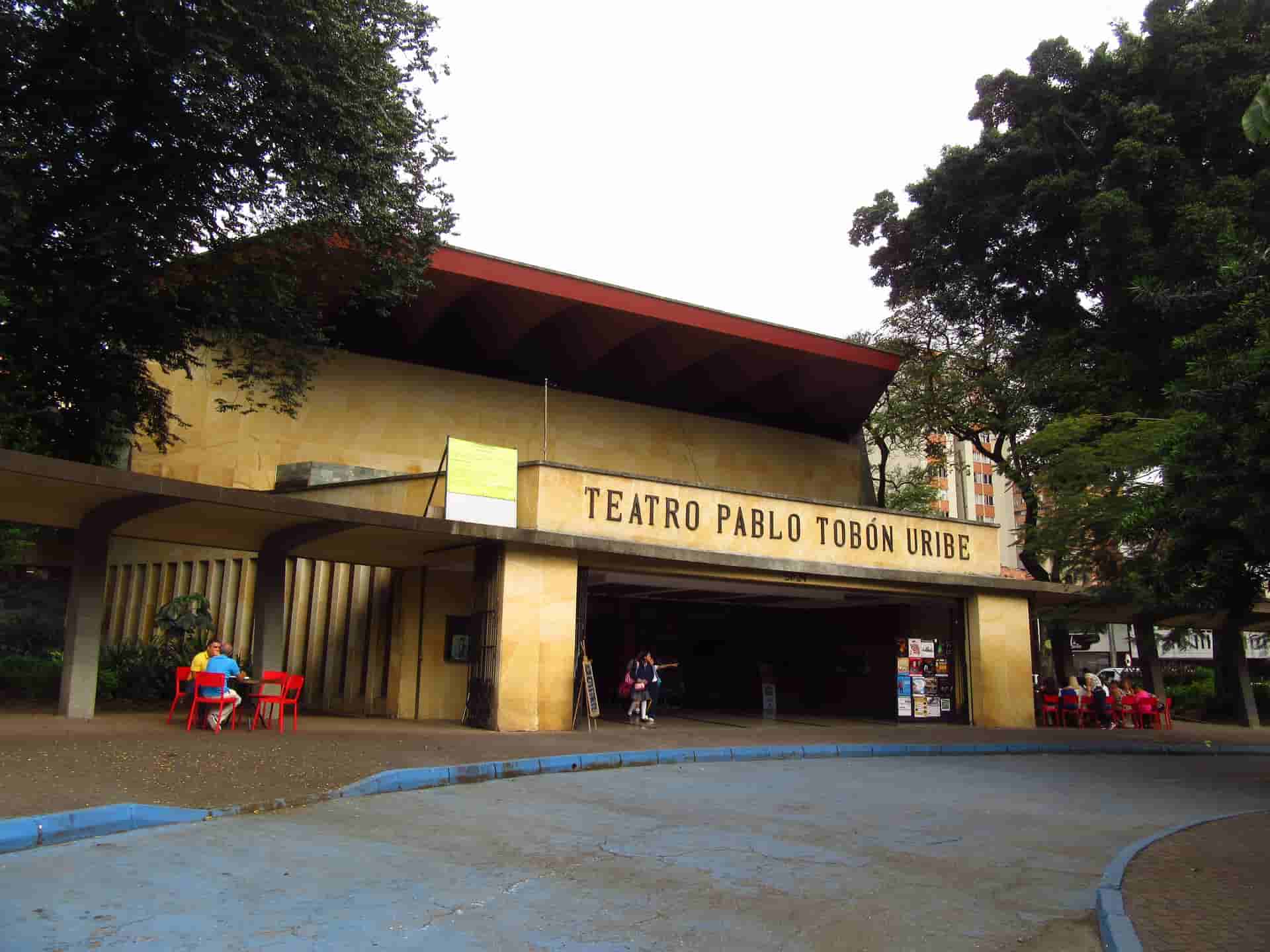
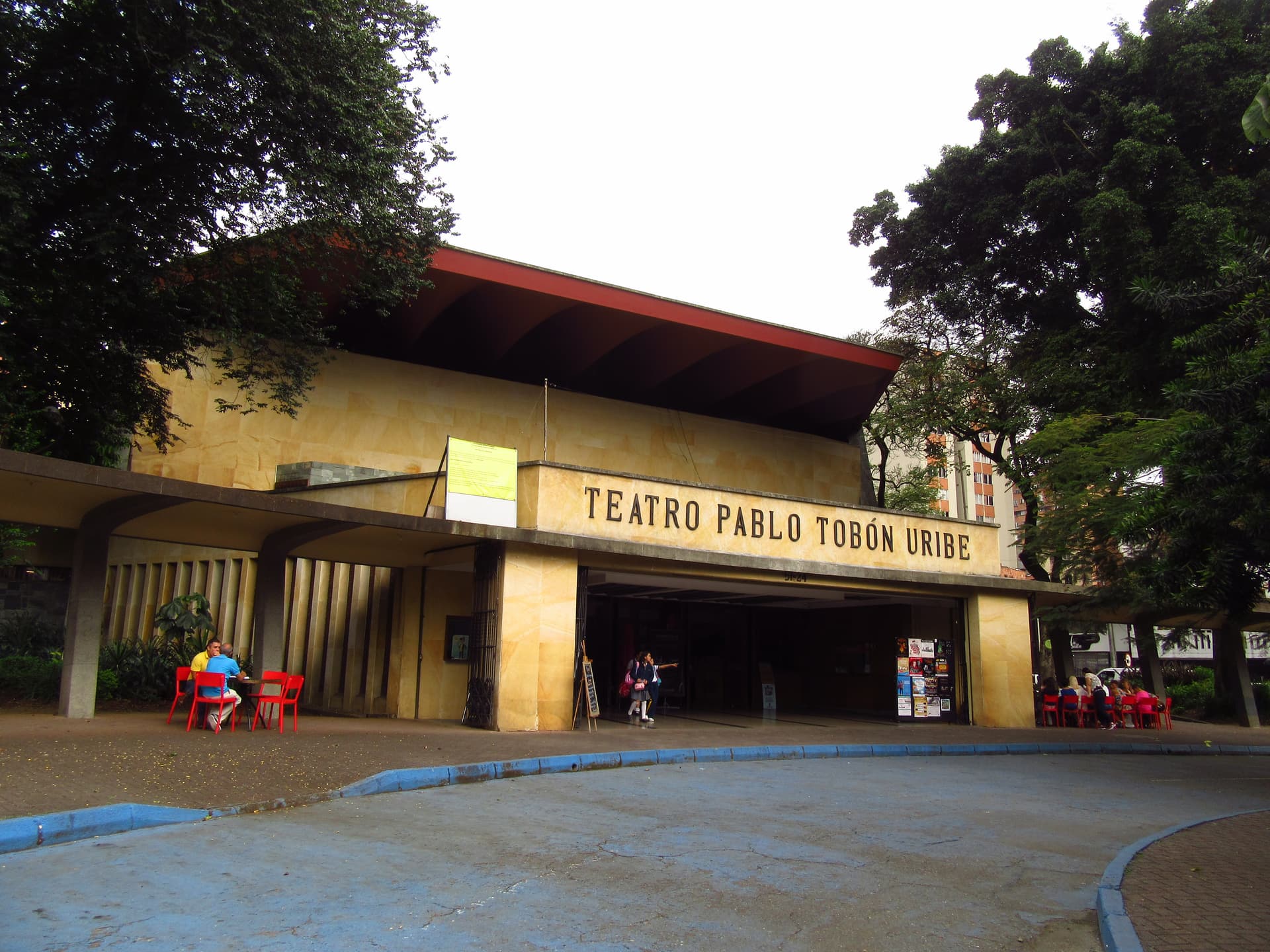 Teatro Pablo Tobón UribeLa CandelariaThe Pablo Tobón Uribe opened in 1967 thanks to the bequest of the businessman it is named after, and has since been one of Medellín's reference venues.
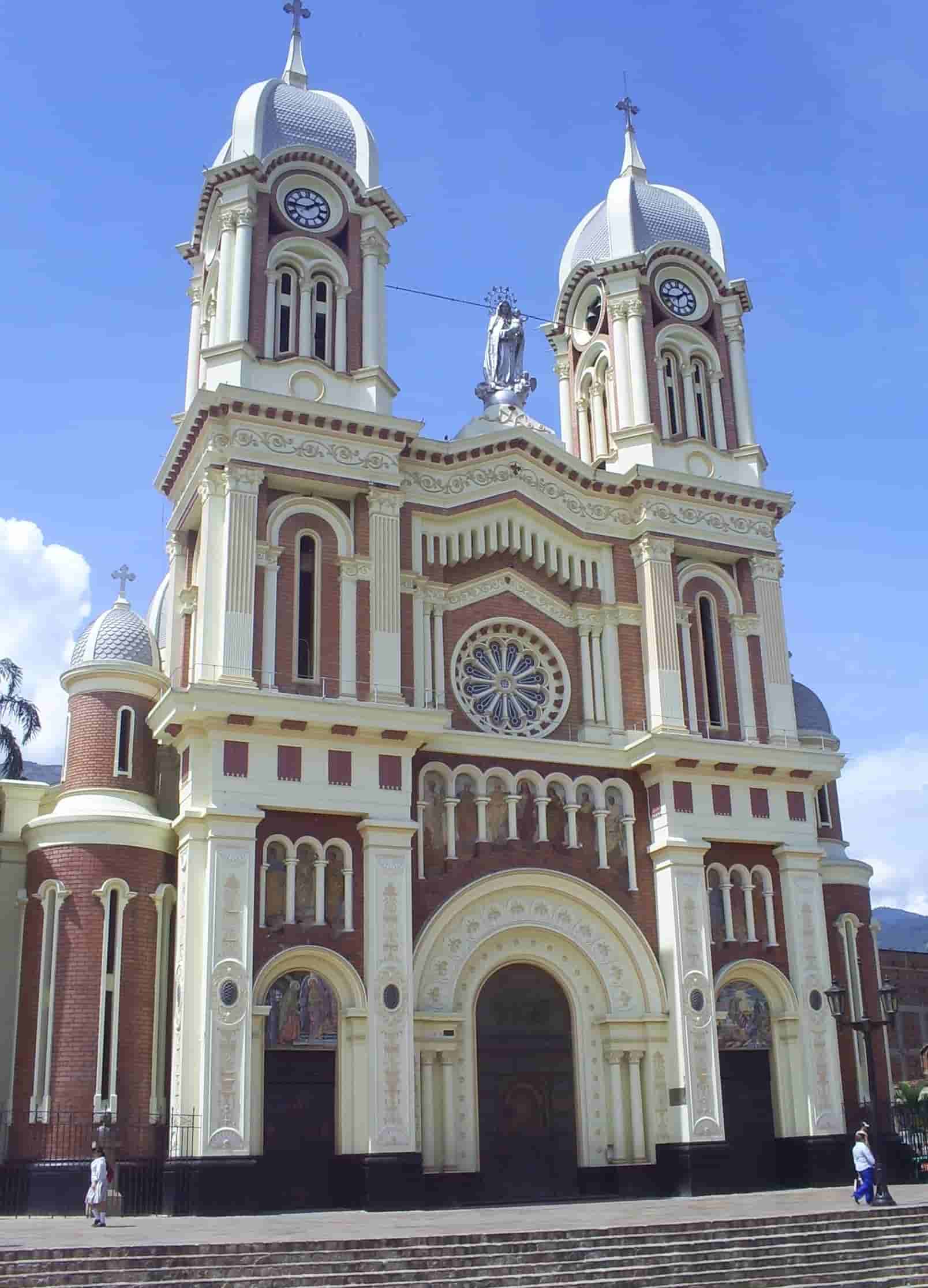
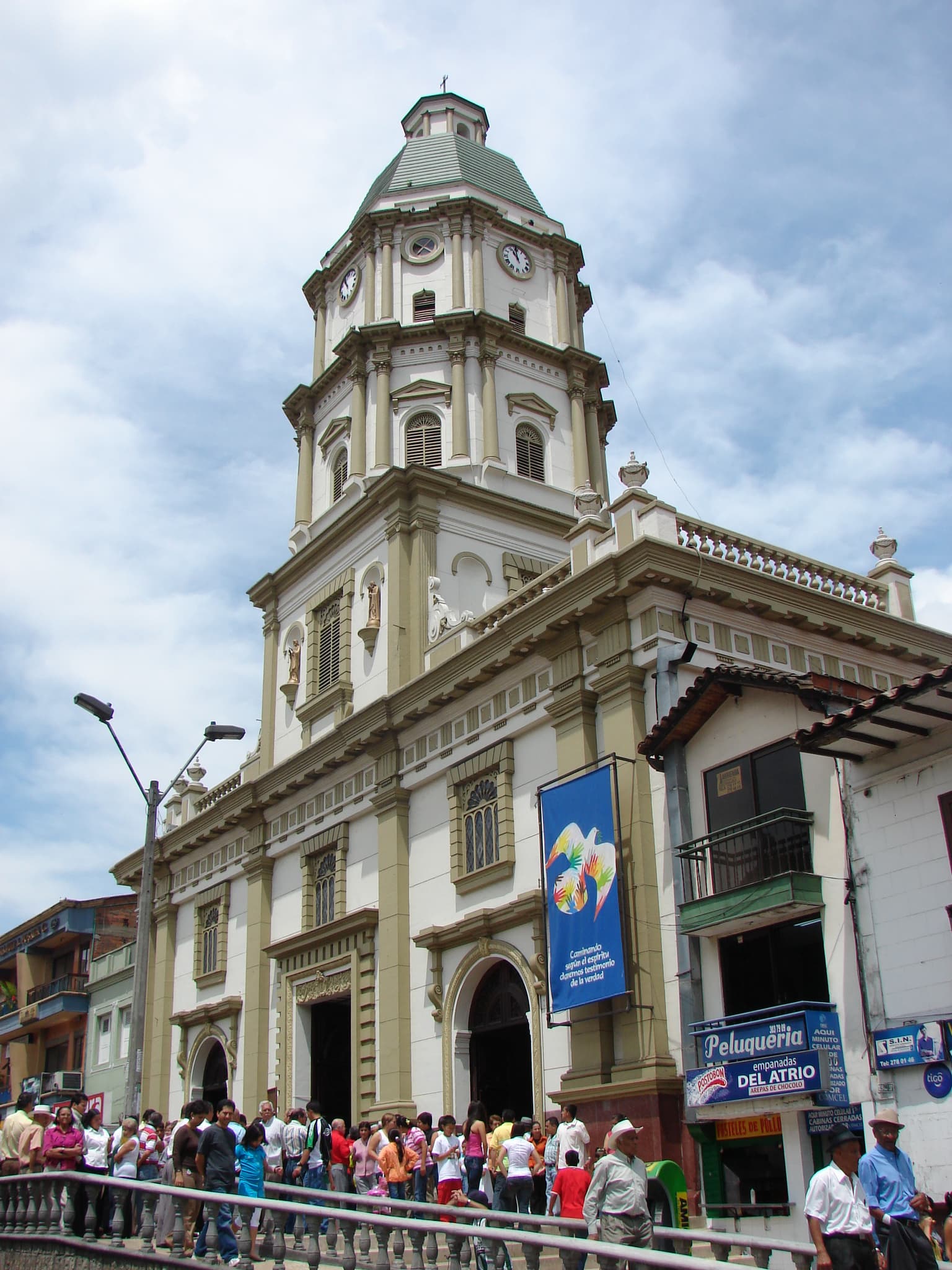 Top ratedCatedral Nuestra Señora de las MercedesCaldasThe heart of the town: an eclectic-style cathedral with a crypt, facing Parque Santander with its bandstand and the Fuente de los Amantes.
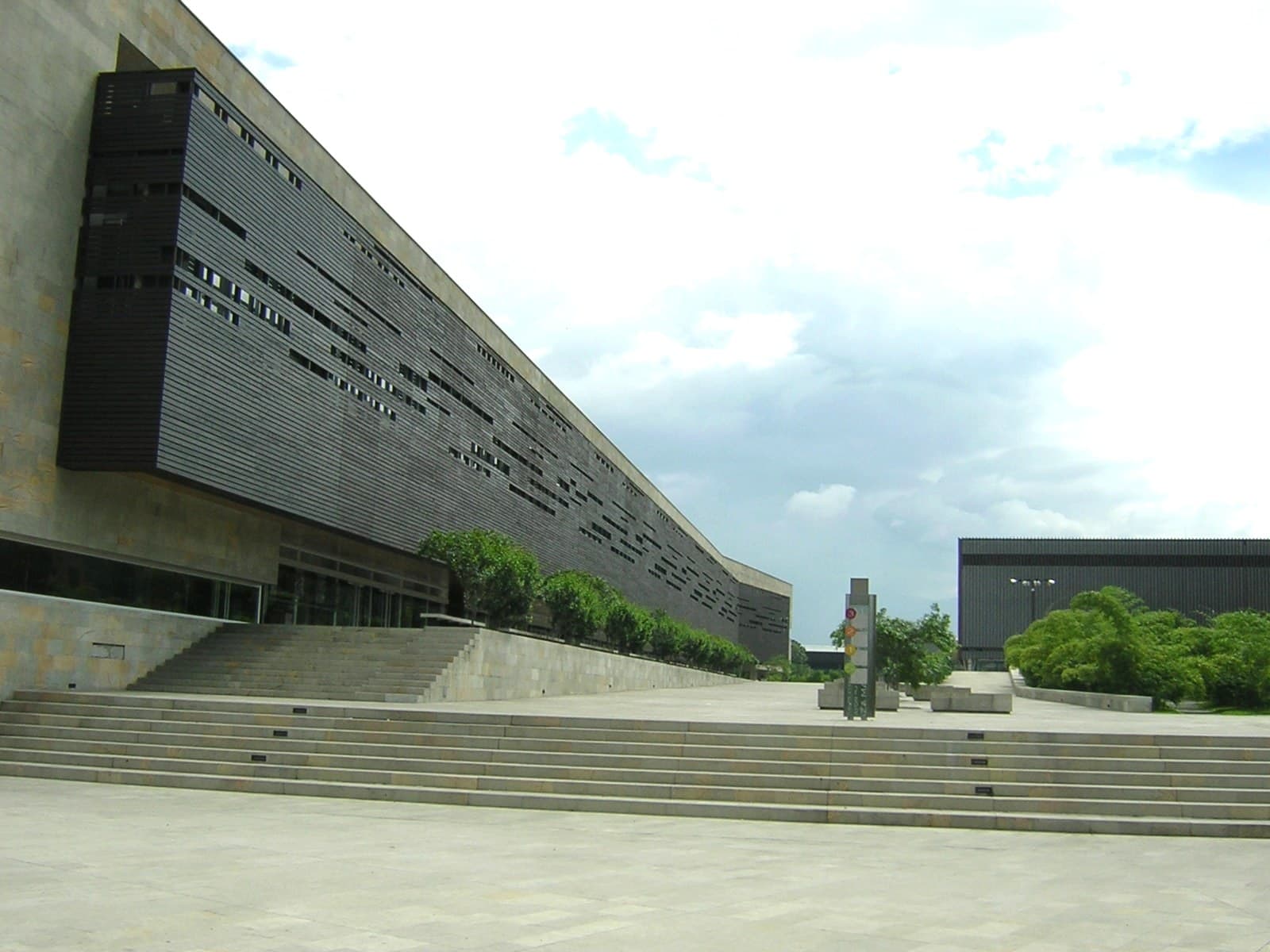 Top ratedCentro de Convenciones Plaza MayorLa CandelariaPlaza Mayor is Medellín's convention and exhibition venue, downtown, next to Parque de los Pies Descalzos and the Teatro Metropolitano.
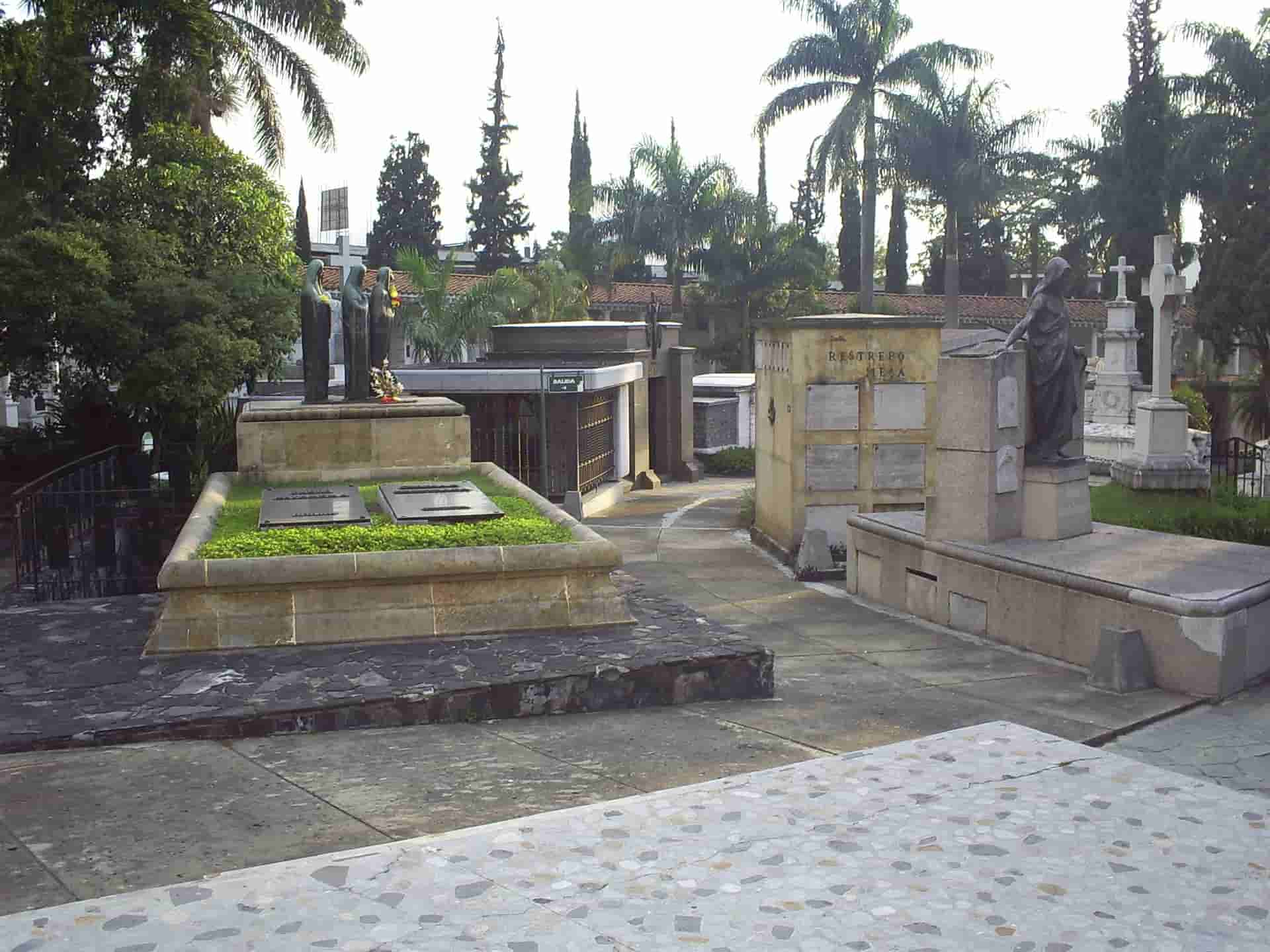
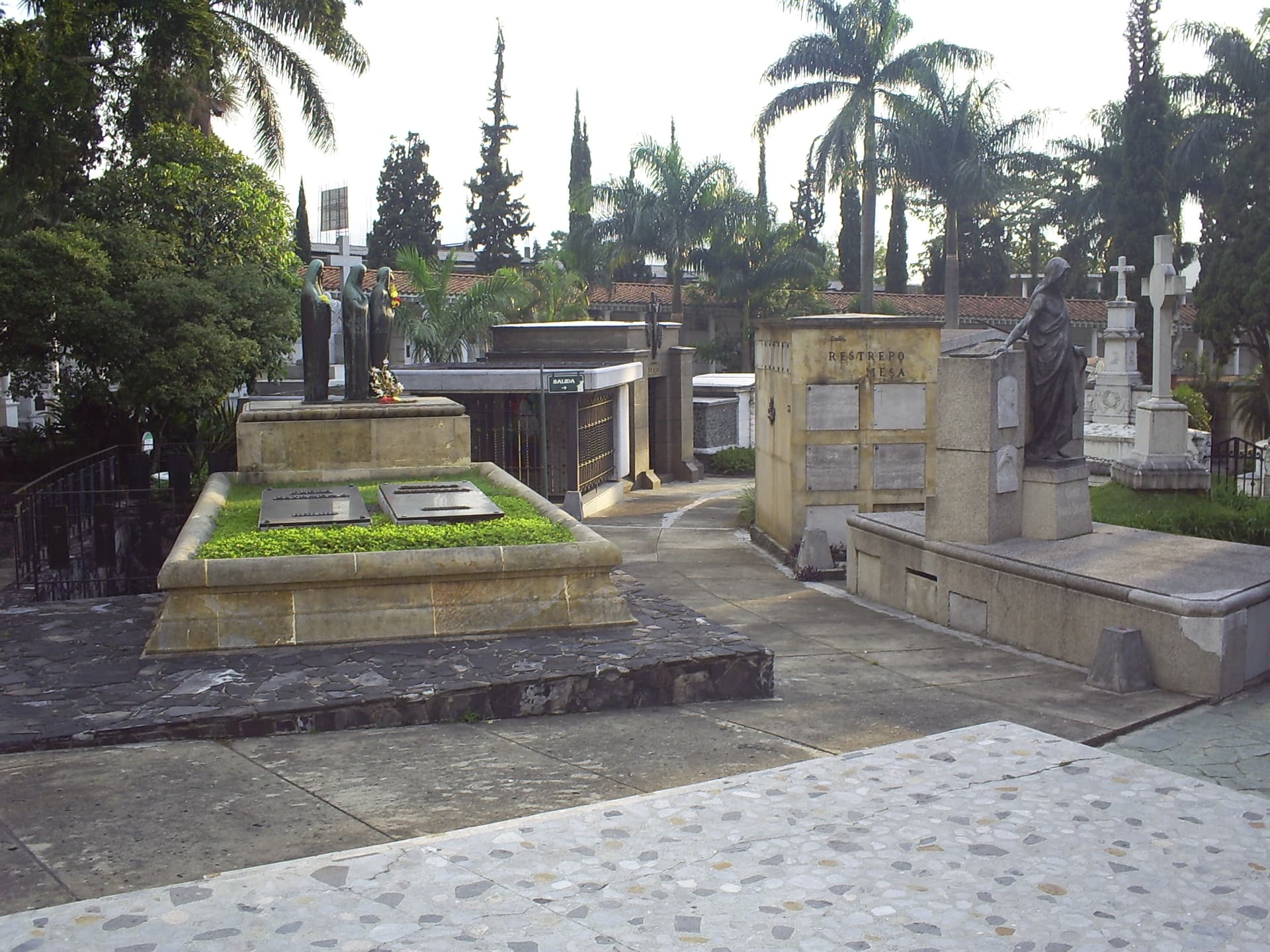 Cementerio Museo San PedroAranjuezThe San Pedro Cemetery was founded on 22 September 1842 as the burial ground of the families who built modern Medellín, and its mausoleums are at once a catalogue of funerary sculpture and a map of the city's social history.
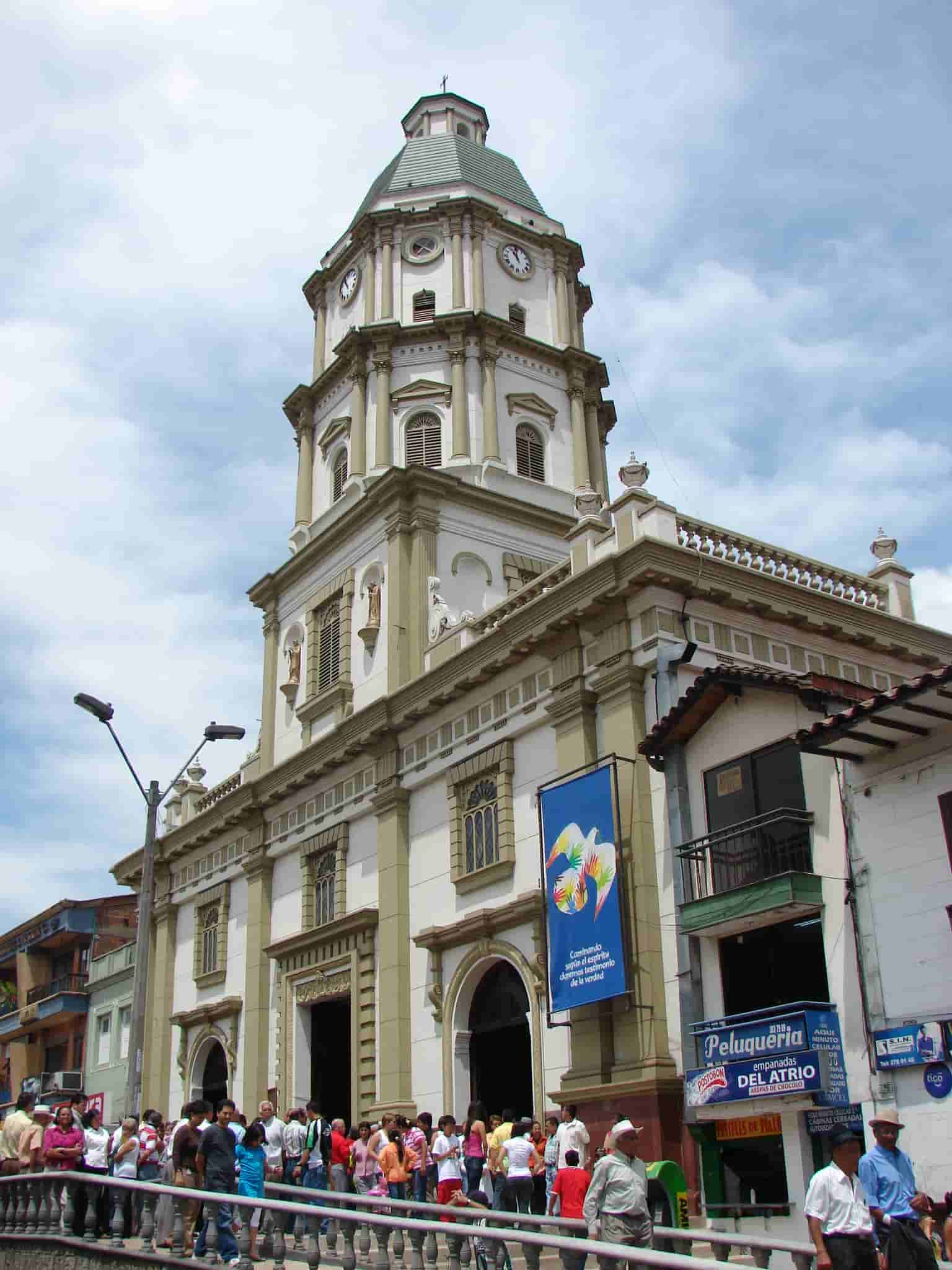
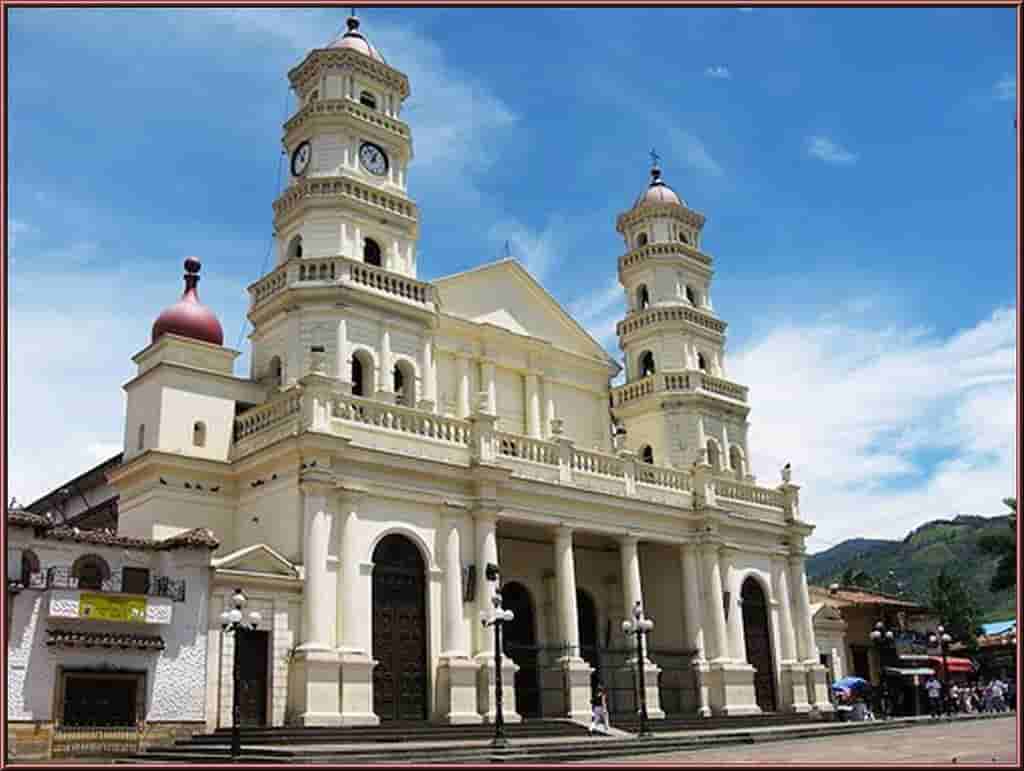
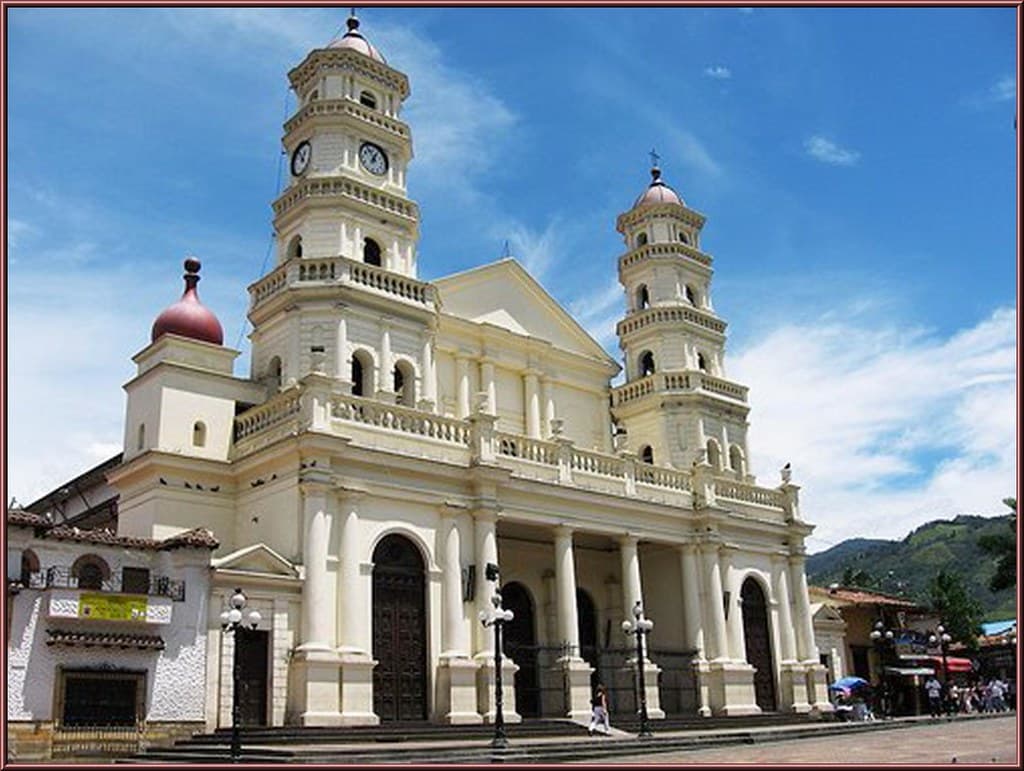 Parroquia Santa Gertrudis, EnvigadoEnvigadoSanta Gertrudis is not merely Envigado's main church: it is the reason Envigado exists as a town. The urban settlement appears after 1776, following the creation of the parish of Santa Gertrudis la Magna, a process that ran between 1773 and 1776 and fixed where the square would be and around what the town would grow.
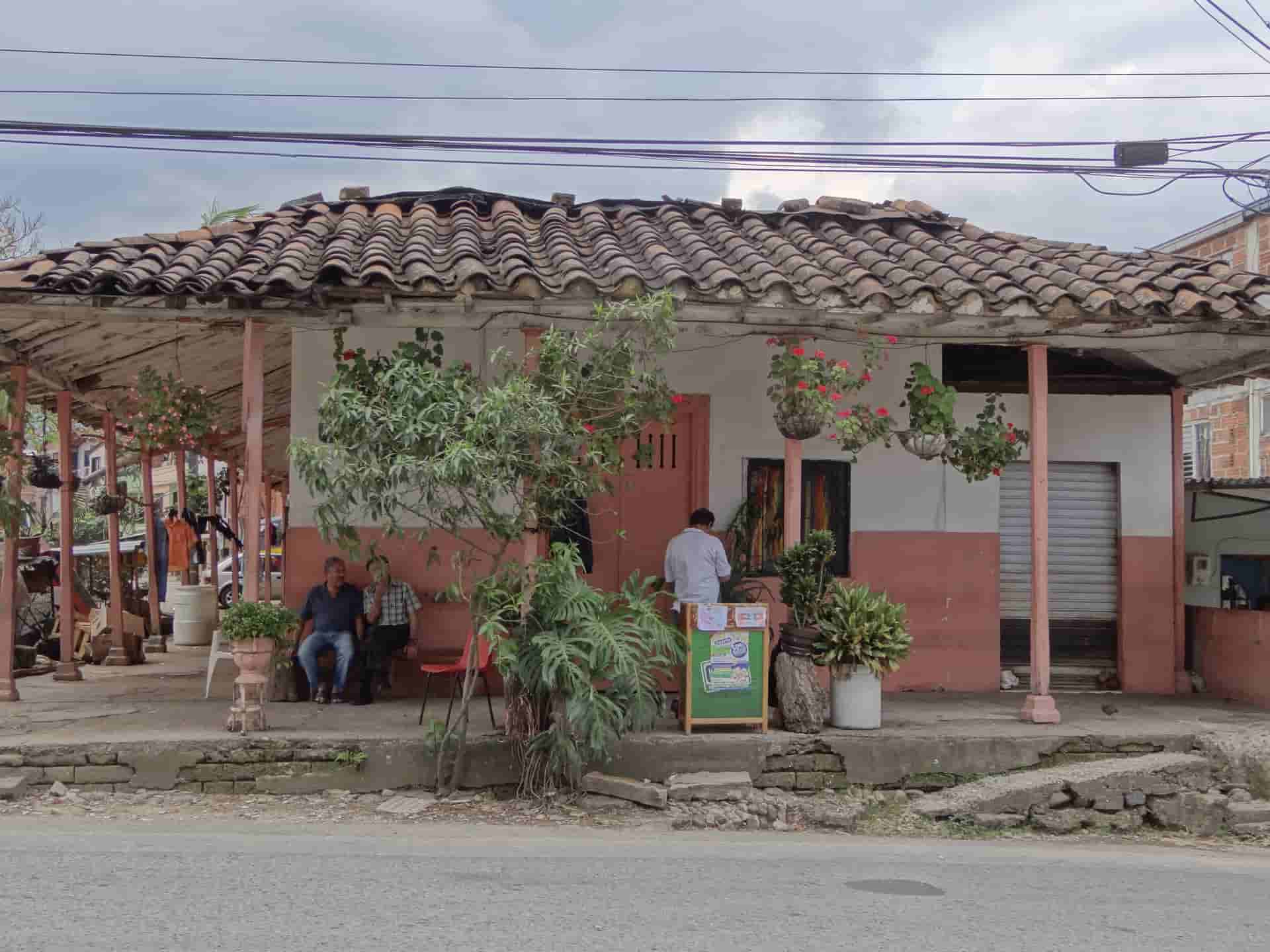
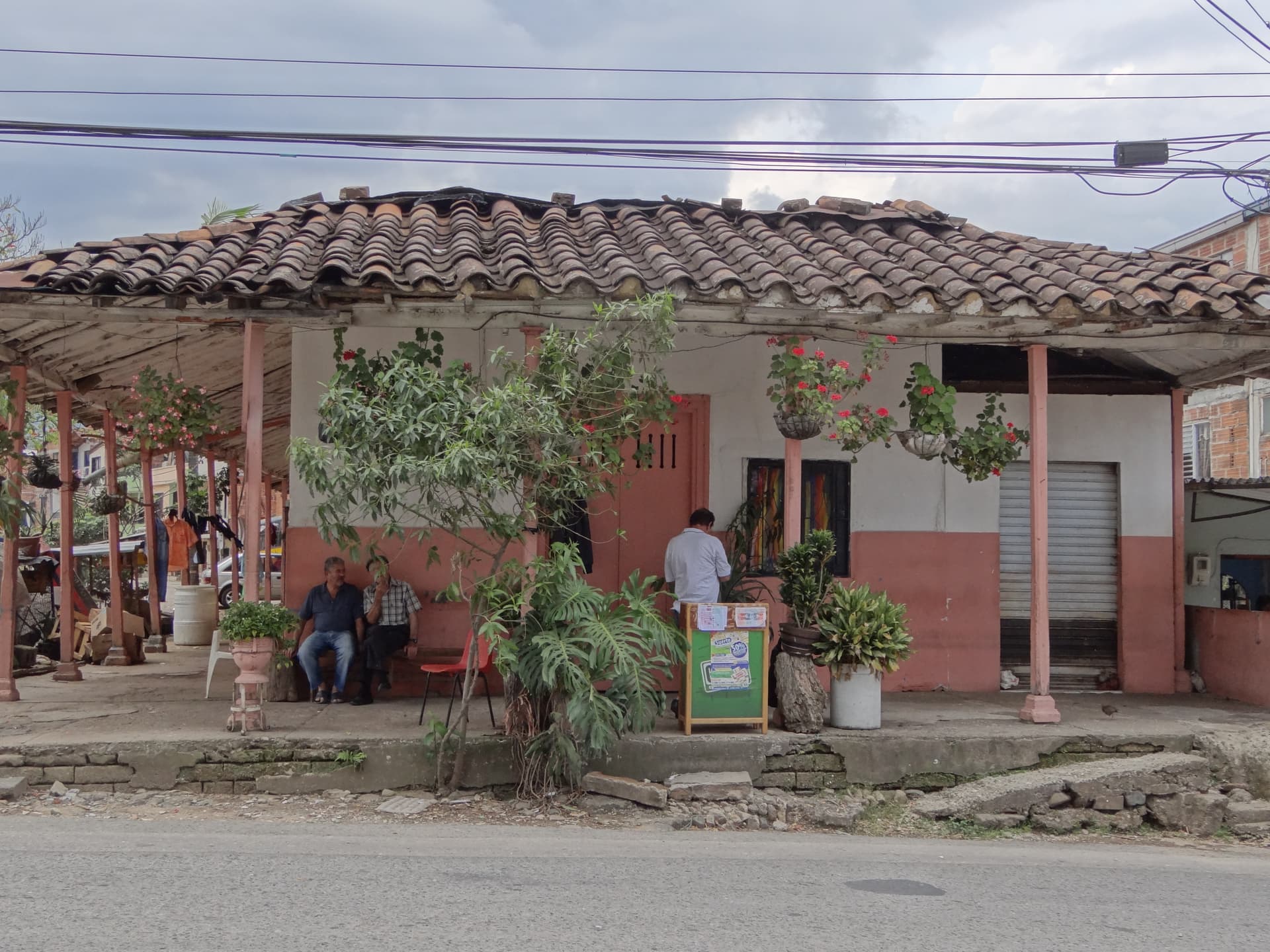 Antigua Estacion Ferrocarril YarumitoItagüíYarumito station was built in 1911, and by 1912 the train had reached Itagüí. It formed part of the line meant to link Medellín with the Cauca river to move the region's coffee, farming and mining output, and its arrival changed the shape of the town: the neighbouring districts grew around it.
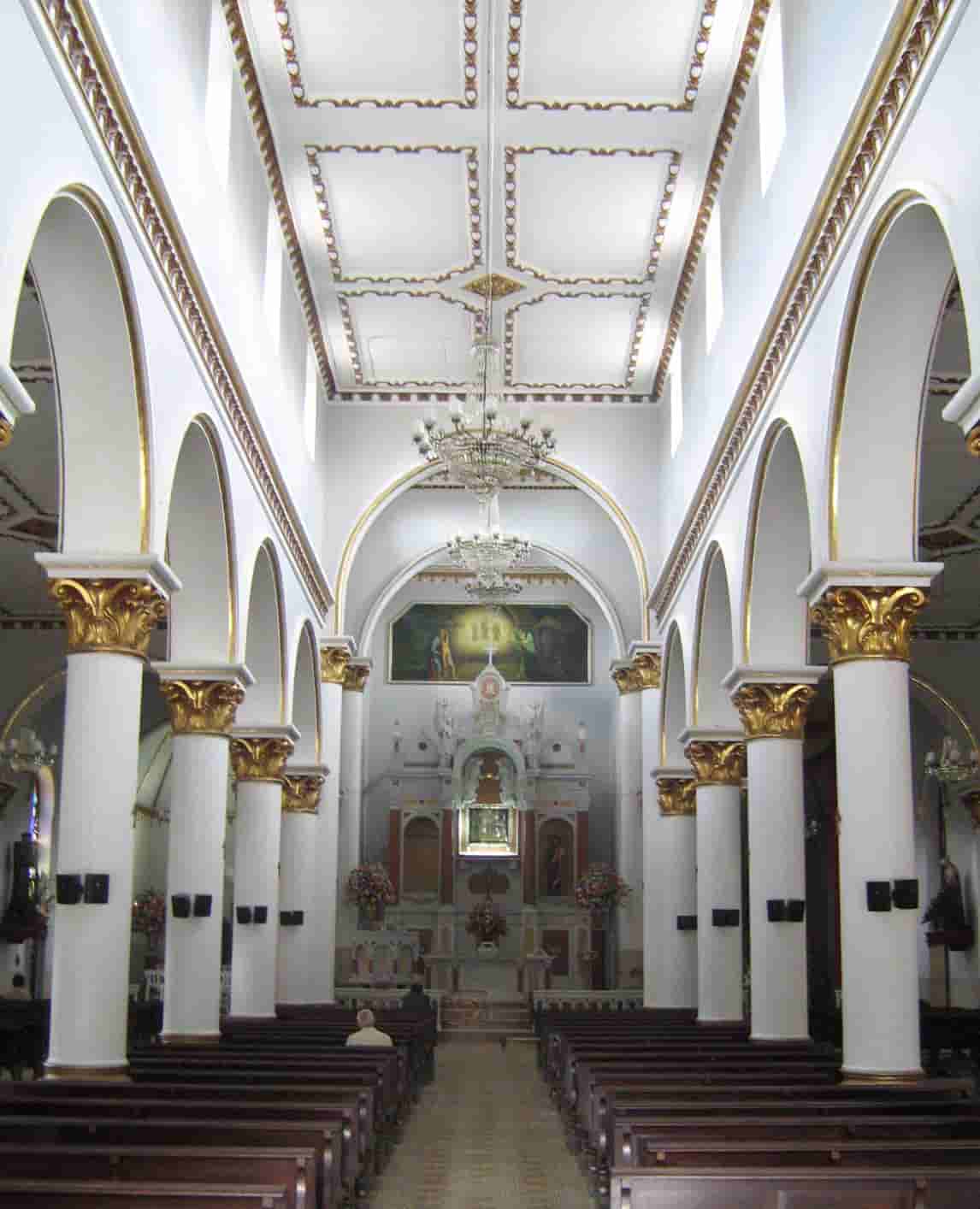
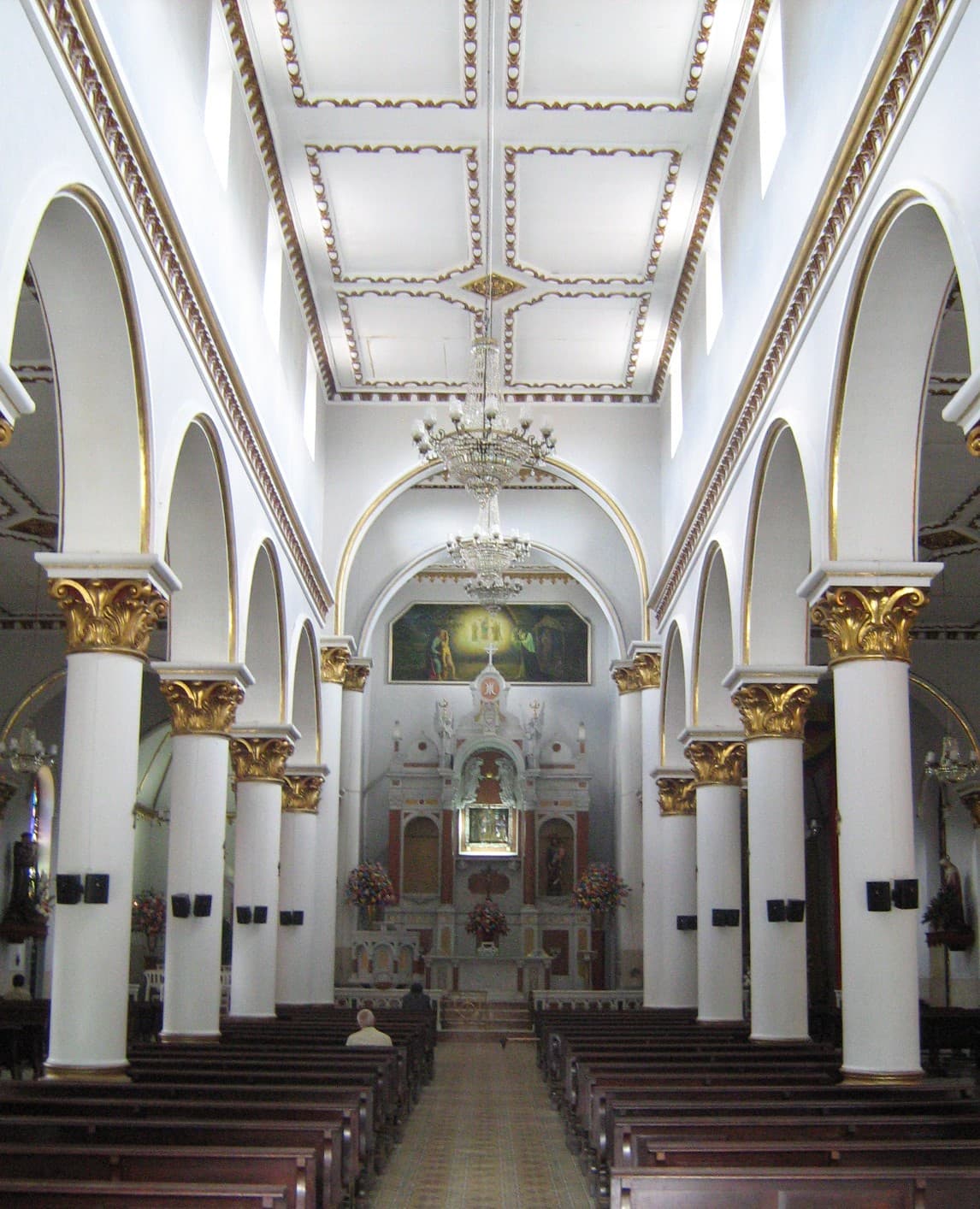 Basílica Menor de Nuestra Señora de Chiquinquirá de La EstrellaNorte del ValleThe basilica of Nuestra Señora del Rosario de Chiquinquirá presides over La Estrella's main square and is the country's second sanctuary devoted to that Marian devotion, after Chiquinquirá itself.
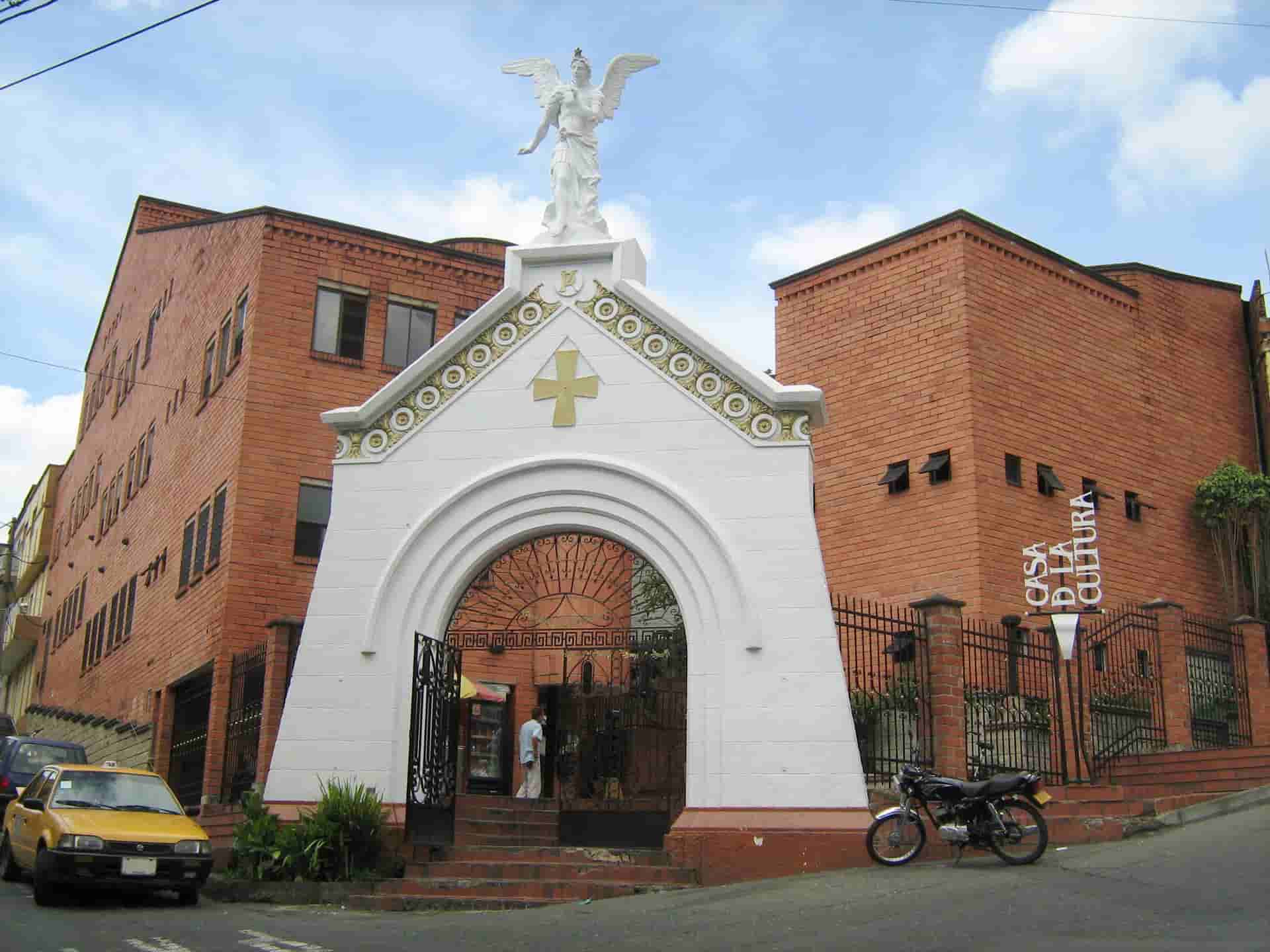
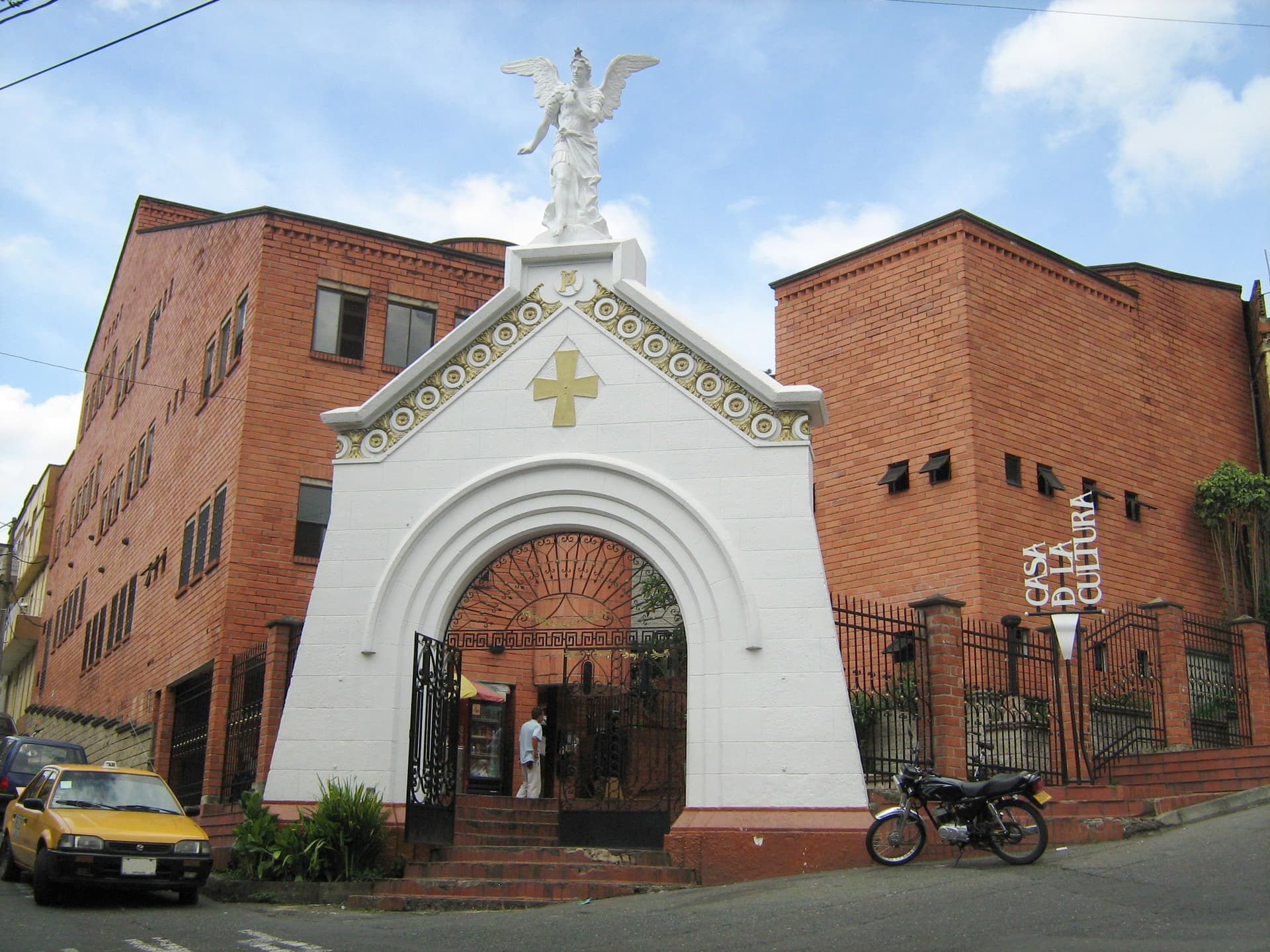 Casa De La CulturaBelloThe Casa de la Cultura at Cerro del Ángel was built in 1972, and its origin explains what it is: no administration put it there — the neighbourhood itself did, organised around the REARTE association.
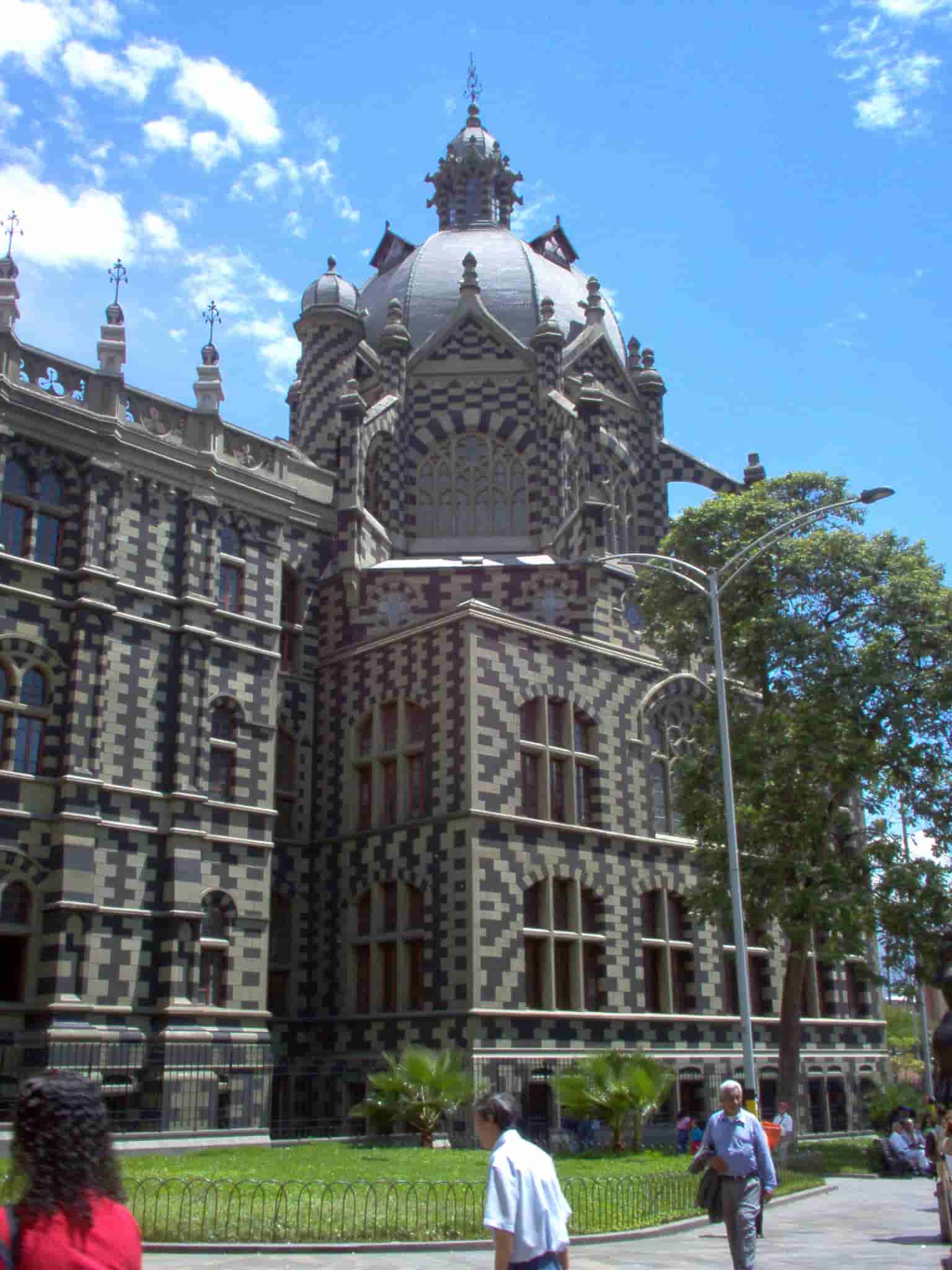
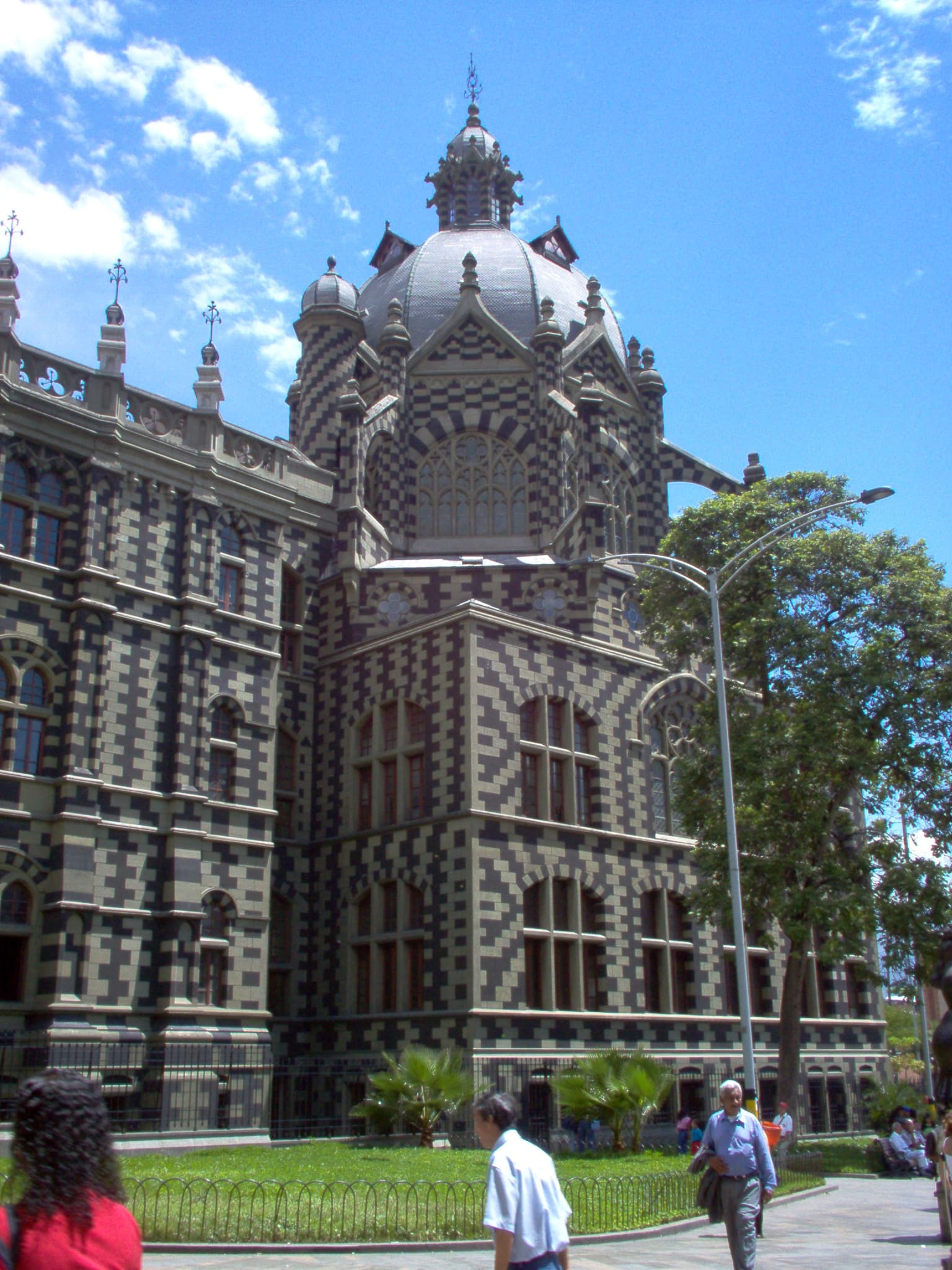 Palacio de la Cultura Rafael UribeLa CandelariaFew buildings identify Medellín as strongly as the Palacio de la Cultura Rafael Uribe Uribe: its black-and-white stripes and castle silhouette turn the corner downtown, beside Plaza Botero.
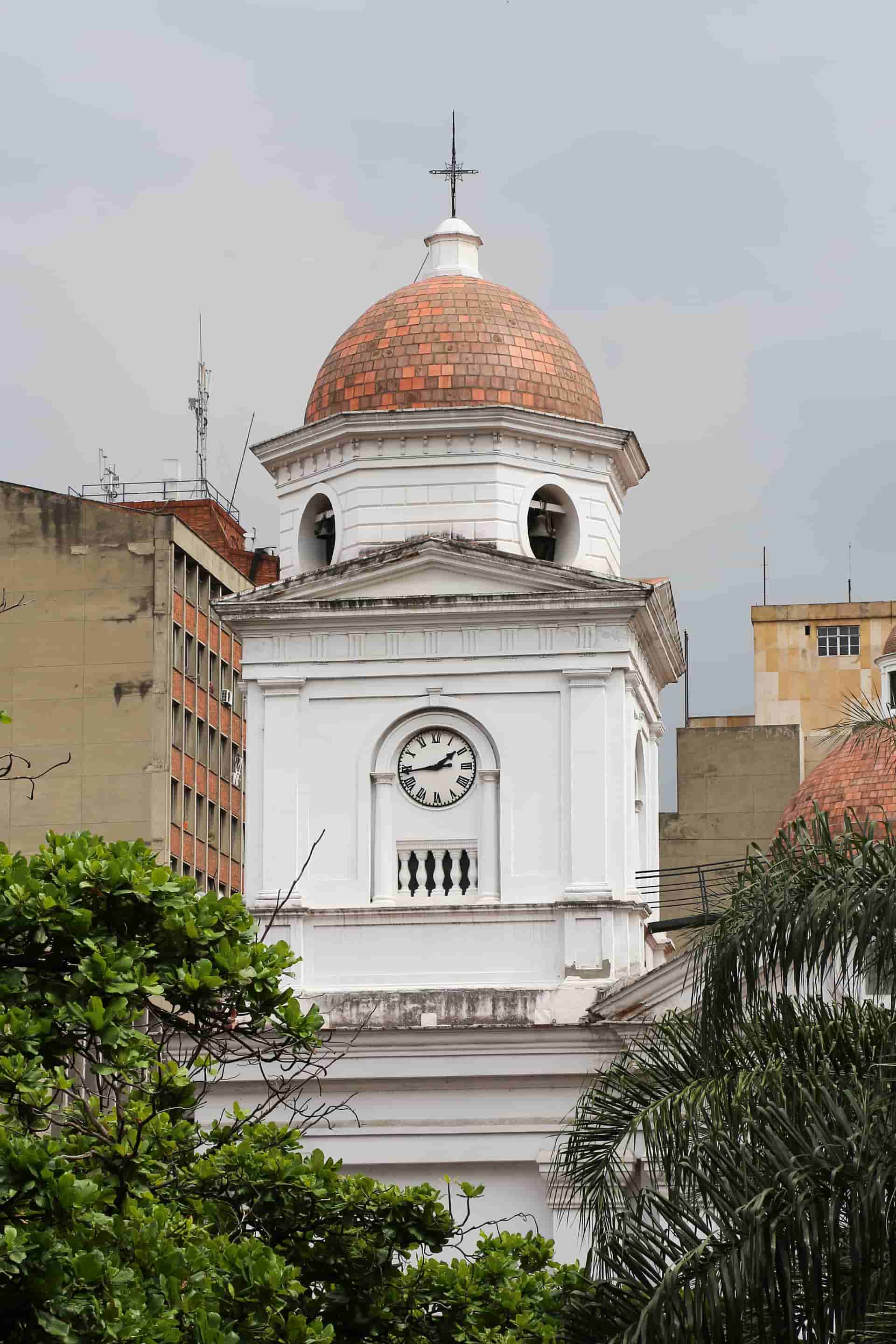
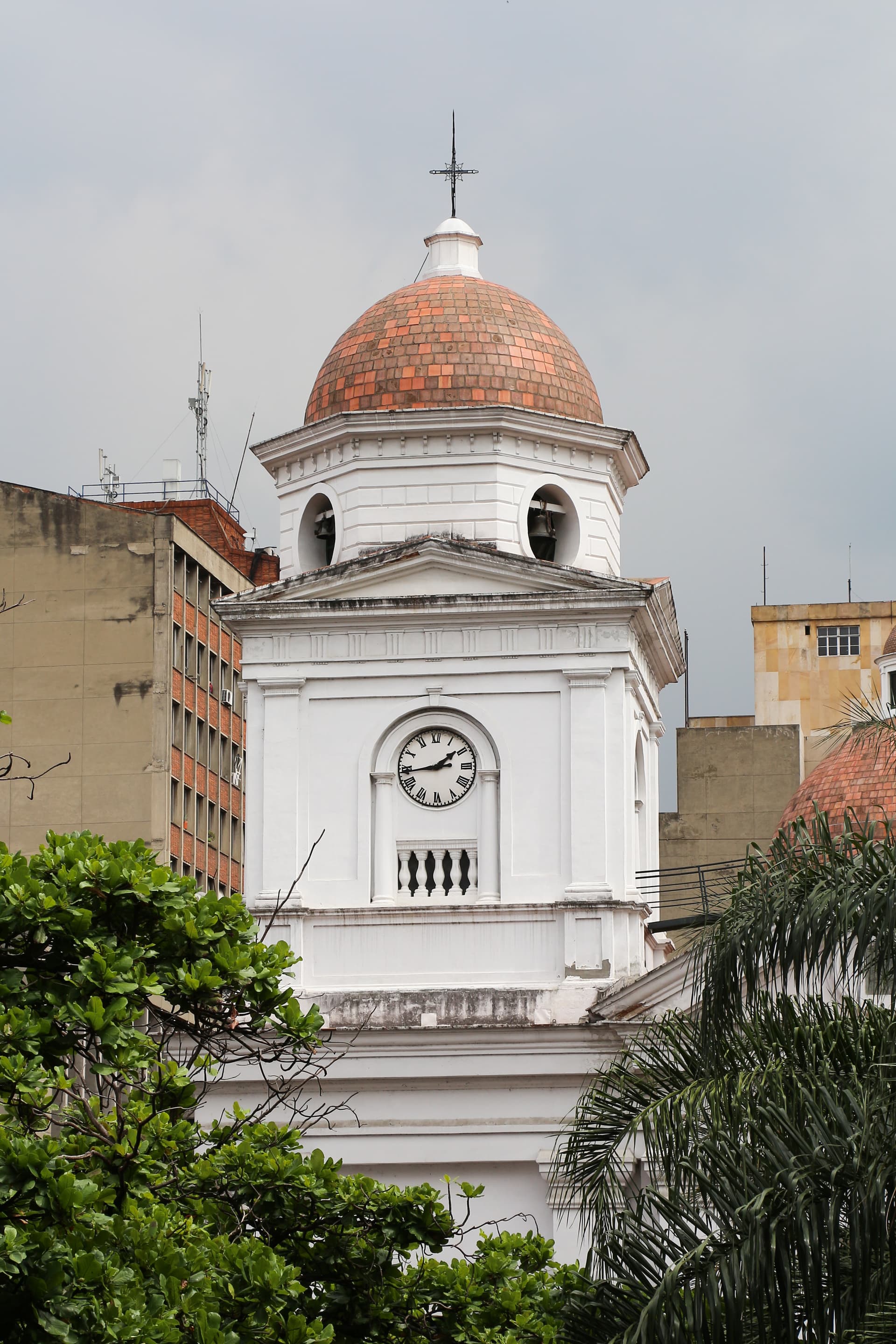 Parroquia Basílica Nuestra Señora de la CandelariaLa CandelariaLa Candelaria presides over the eastern side of Parque Berrío and is the oldest temple still standing in Medellín. There has been a church on this site since 1649; the present neoclassical building was begun in March 1768 and opened in February 1776, to a design by José Varón de Chávez.
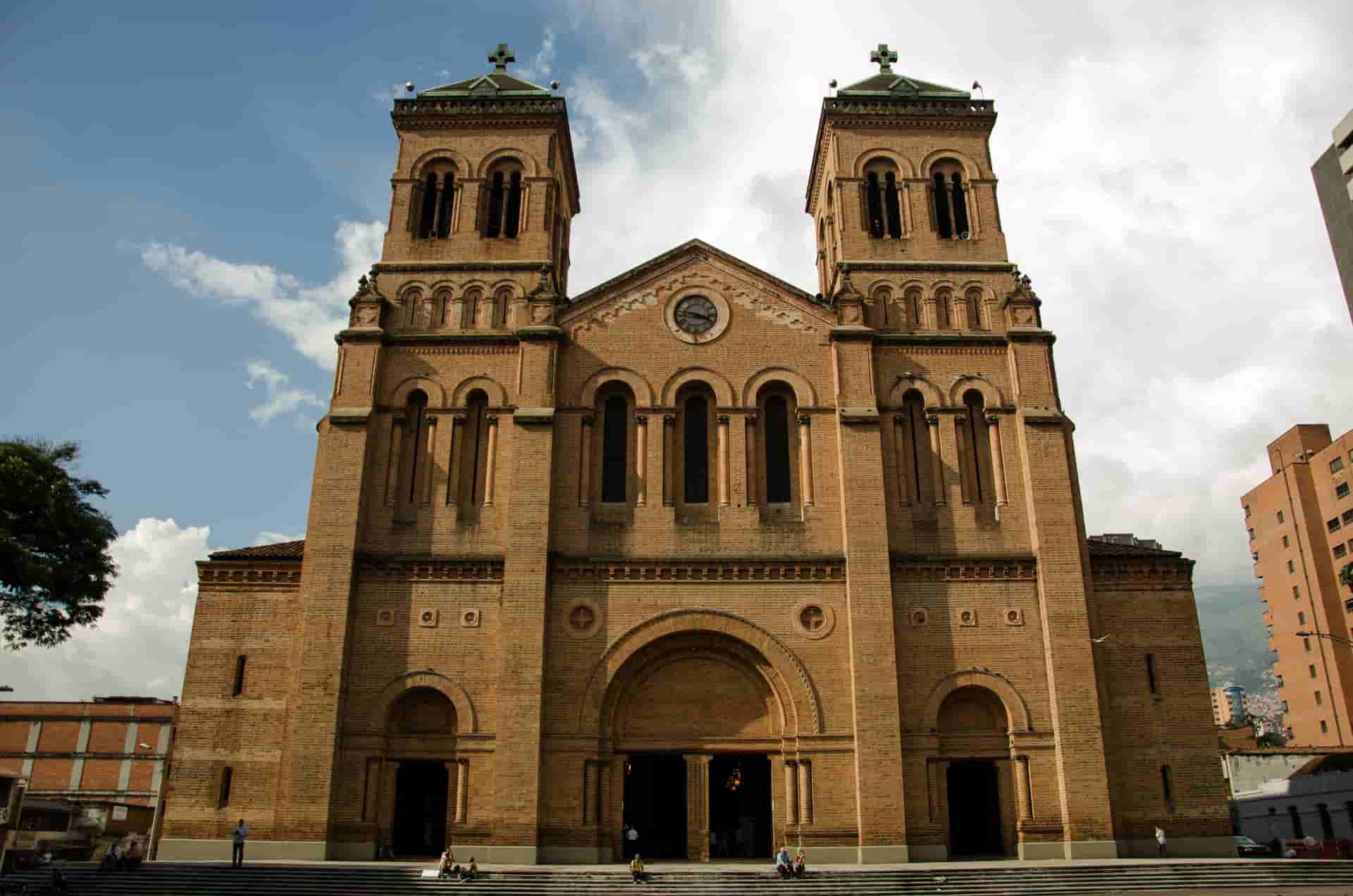
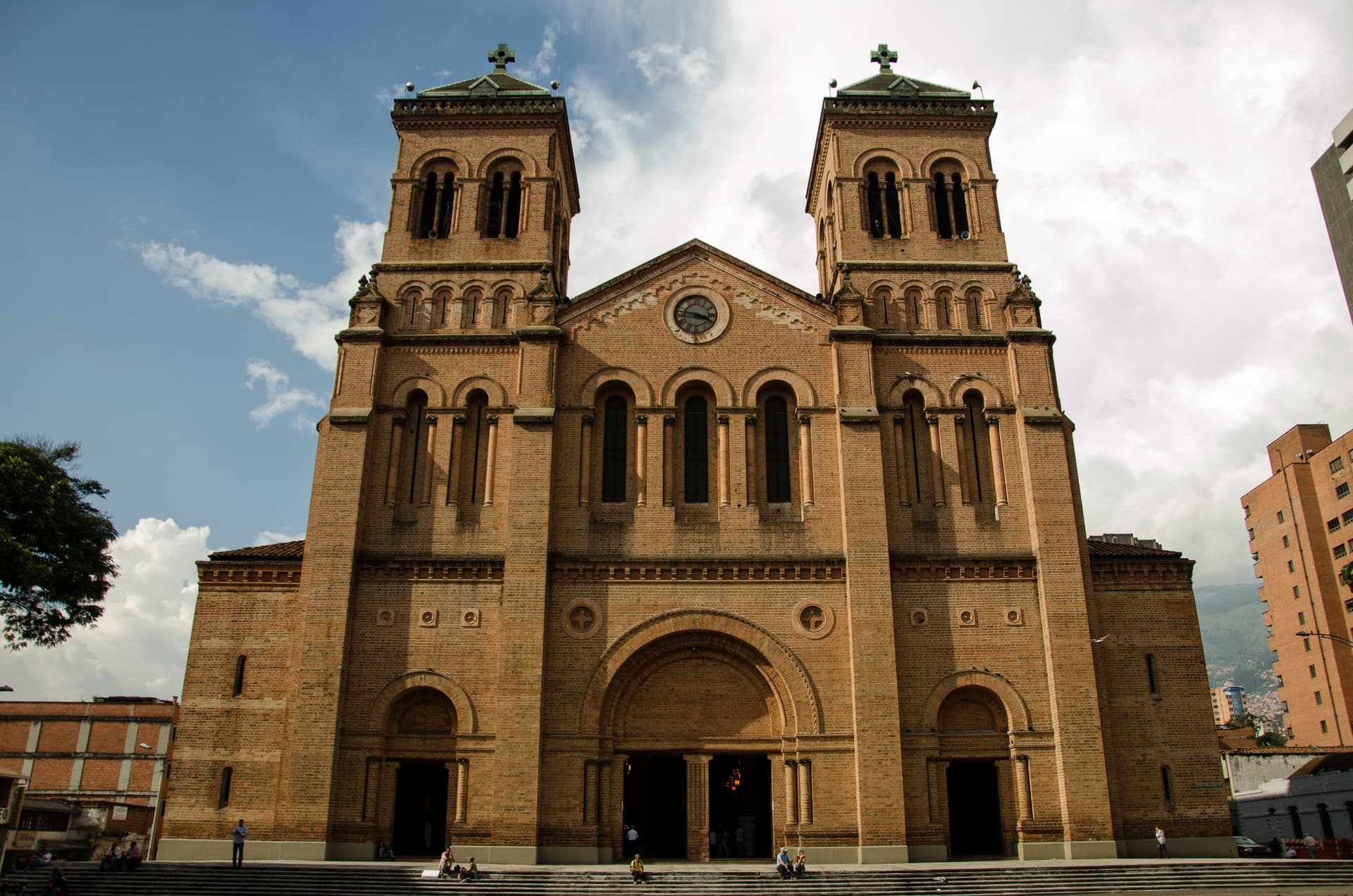 Parroquia La Catedral Metropolitana de MedellínLa CandelariaThe Metropolitan Cathedral presides over Parque Bolívar with a mass of brick that resembles nothing else in the city. It was designed by the French architect Charles Carré in neo-Romanesque style, begun in January 1890 and completed in August 1931: forty-one years of work.
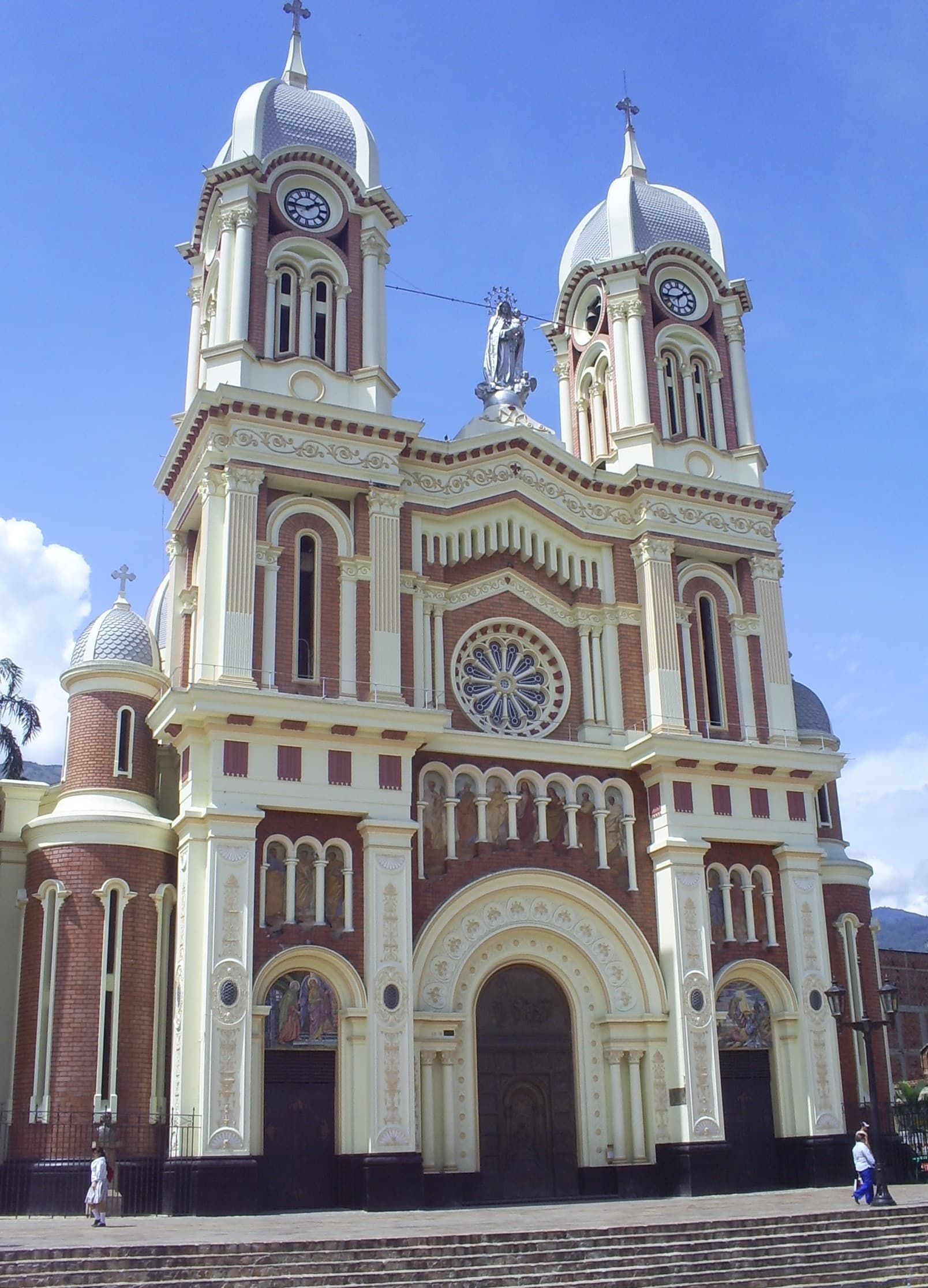 Parroquia Nuestra Señora del Rosario BelloBelloThe parish of Nuestra Señora del Rosario presides over Bello's Parque Principal and is the building that orders the centre of town.
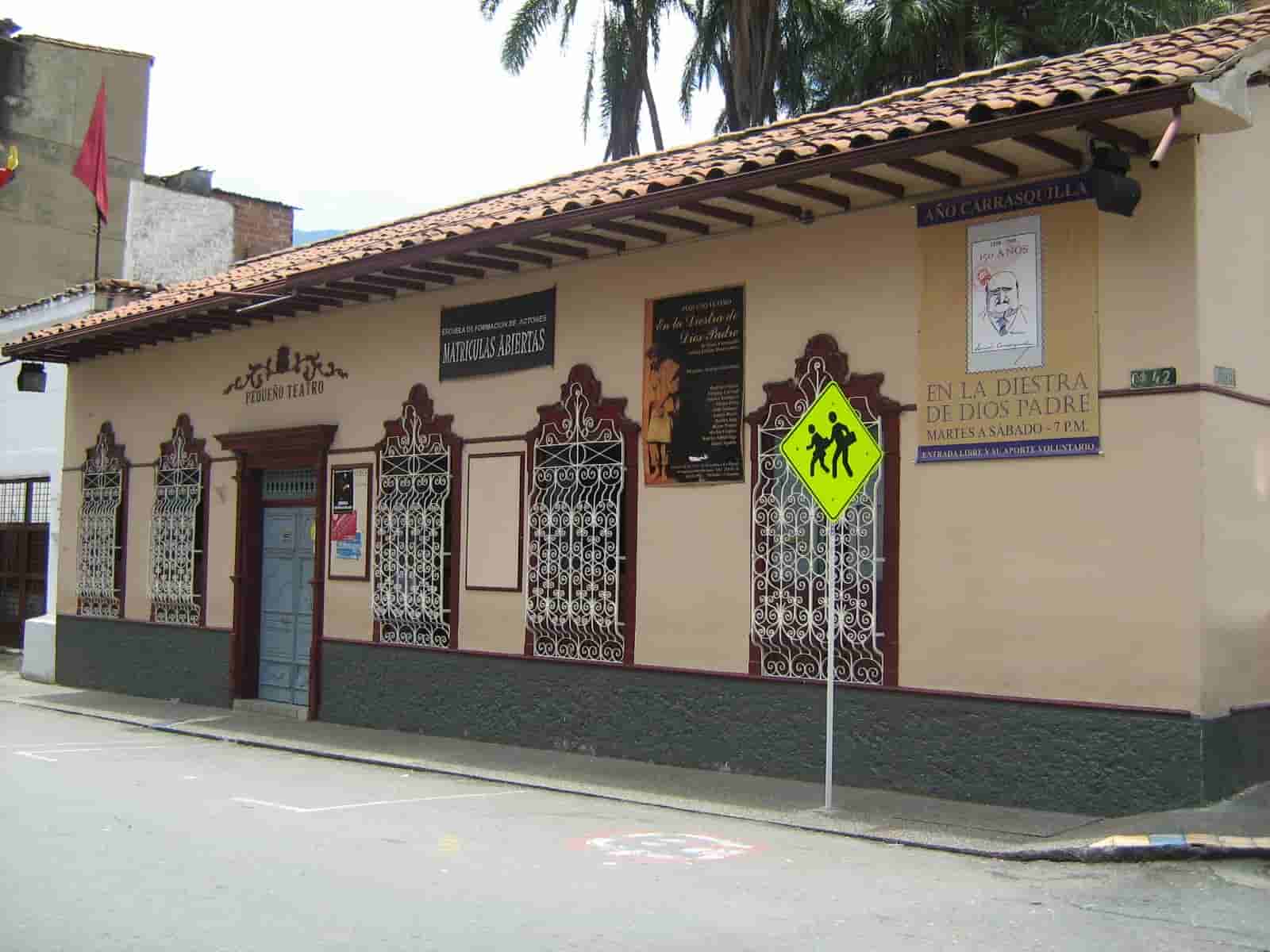
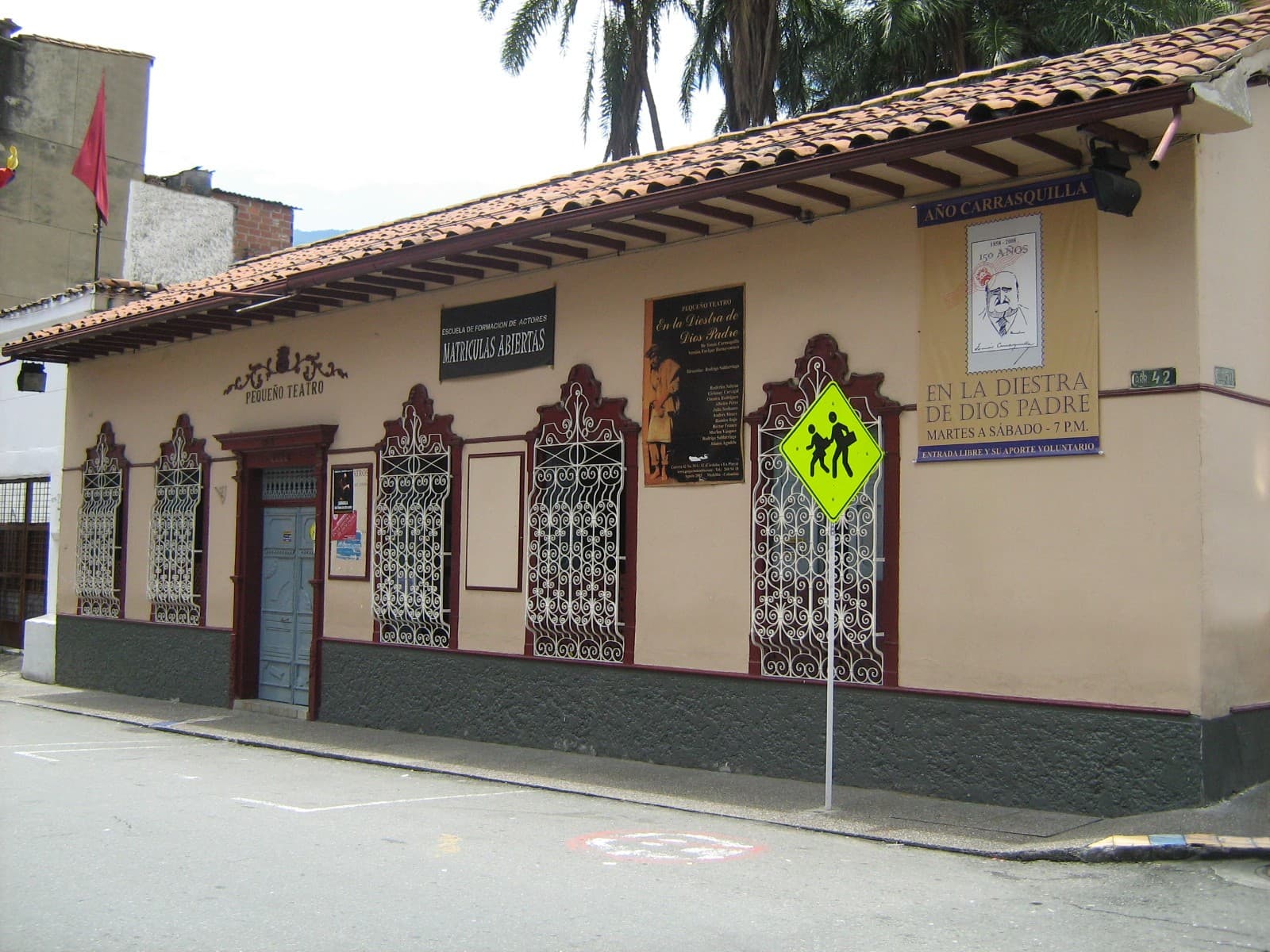 Pequeño Teatro de MedellínLa CandelariaPequeño Teatro was born in 1975 as the answer of a group of actors who wanted to stop treating theatre as a hobby and turn it into a trade. Half a century on it remains one of Medellín's longest-running independent venues.
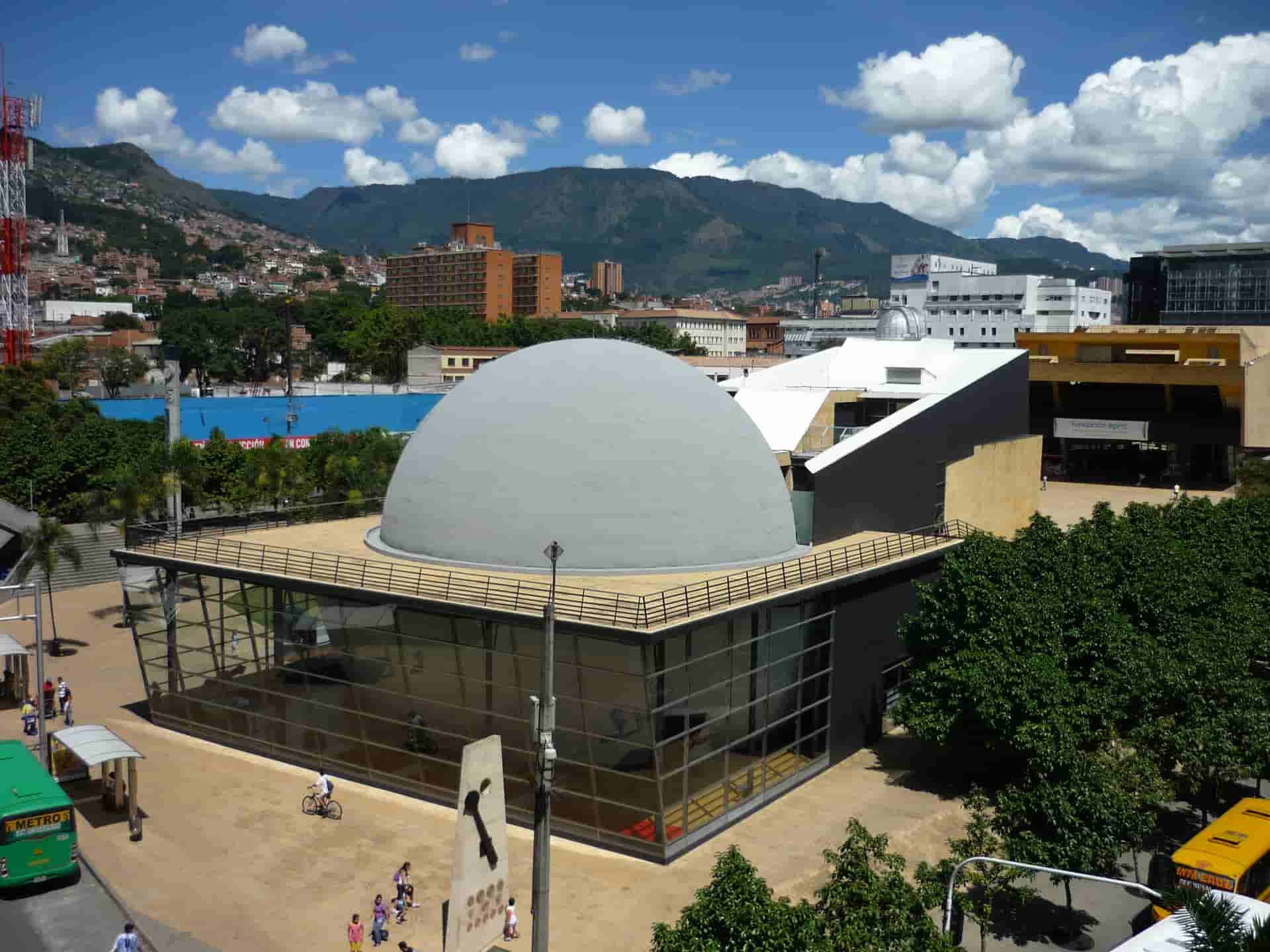
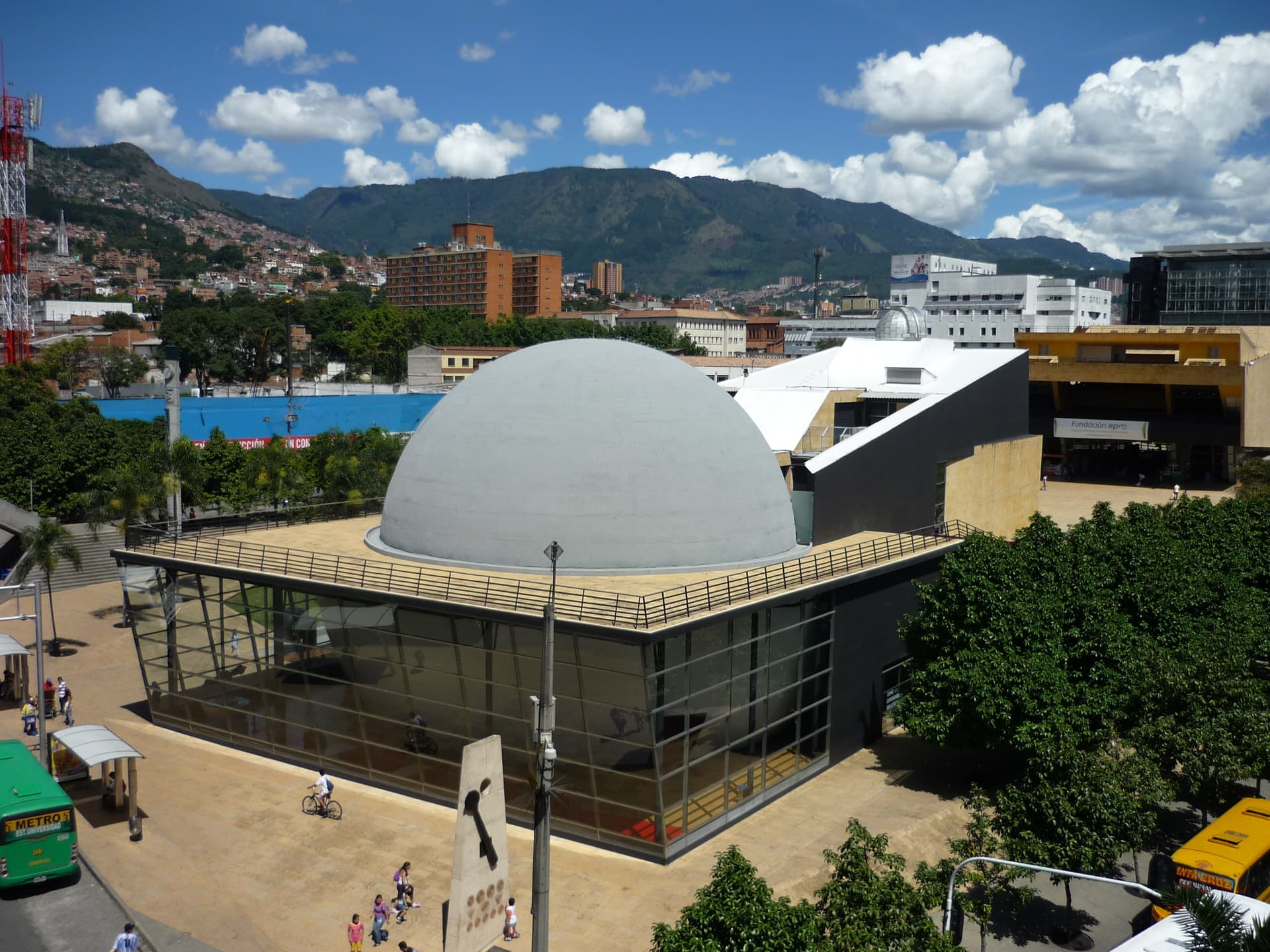 Planetario de Medellín Jesús Emilio RamírezLa CandelariaThe Jesús Emilio Ramírez Planetarium is Medellín's astronomy outreach facility, and it operates together with Parque Explora: they share a box office and much of their audience.
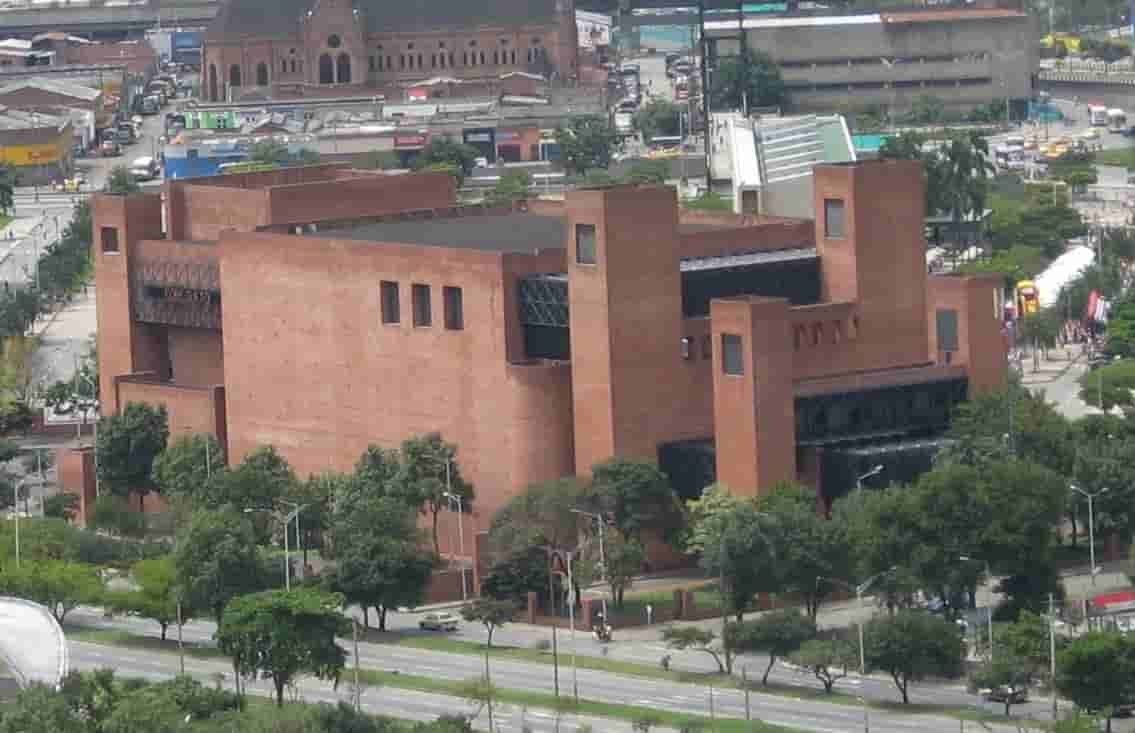
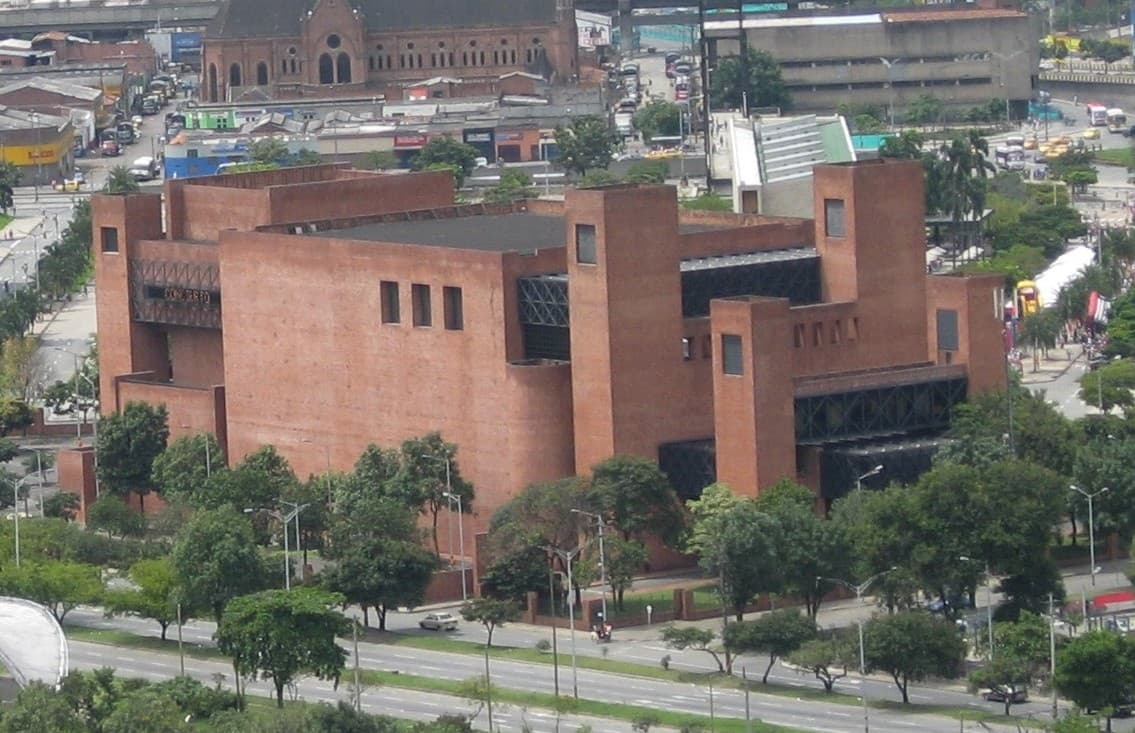 Teatro Metropolitano José Gutiérrez GómezLa AlpujarraThe Teatro Metropolitano José Gutiérrez Gómez is the city's large hall for symphonic music, opera and lyric performance, in a brick building downtown next to Parque de los Pies Descalzos.
- Top ratedTeatro Prado El Águila DescalzaPrado CentroFounded by Carlos Mario Aguirre and Cristina Toro in 1980, El Águila Descalza is the most successful comedy and social satire theatre company in the history of Colombia. Its home is an impressive heritage mansion built in 1916 in the emblematic residential neighbourhood of Prado. The space has a theatre hall with impeccable acoustics, a costume and set-design museum, a café-bar and an inner courtyard surrounded by sculptures and vegetation.
- Top ratedCalle de la Cerámica & Museo de la Cerámica (El Carmen de Viboral)El Carmen De ViboralEl Carmen de Viboral holds a Designation of Origin for its century-old tradition of hand-decorated under-glaze ceramics, begun in 1898. The 'Calle de la Cerámica' is a pedestrian walk decorated with thousands of broken-dish mosaics set into the ground and the columns of the houses. The Ceramics Museum shows how the pieces evolved over time, and dozens of living workshops let you watch the artisans paint plates live.
- Top ratedCalle del Comercio y Fábricas de Carrieles (Jericó)JericoCalle del Comercio is the living axis of the most famous leatherwork and saddlery in Colombia. Jericó is the birthplace of the authentic 'Carriel Jericoano' (a national symbol with its twelve secret pockets of leather and hide). Along its colonial pavements, centuries-old family workshops operate where master artisans cut, hand-stitch and engrave the country bags that accompanied the Antioquian muleteers.
- Top ratedCasa KolachoEl Danubio, San JavierCasa Kolacho is the cultural project the Comuna 13 graffitour came out of, and understanding that changes how you do the walk. The collective formed in 2002, bringing together rappers and artists from the neighbourhood, and in 2013 consolidated as an organisation with its own premises.
- Top ratedCentro Histórico de Santa Fe de AntioquiaSanta Fe De AntioquiaFounded in 1541 by Jorge Robledo, the 'Mother City' was the first capital of Antioquia and is declared a National Monument of Colombia. Its cobbled streets, colonial lanterns, whitewashed rammed-earth walls and inner courtyards full of mango and tamarind trees hold imposing churches such as the Cathedral Basilica of the Immaculate Conception and the Church of Santa Bárbara (a jewel of New Granada baroque).
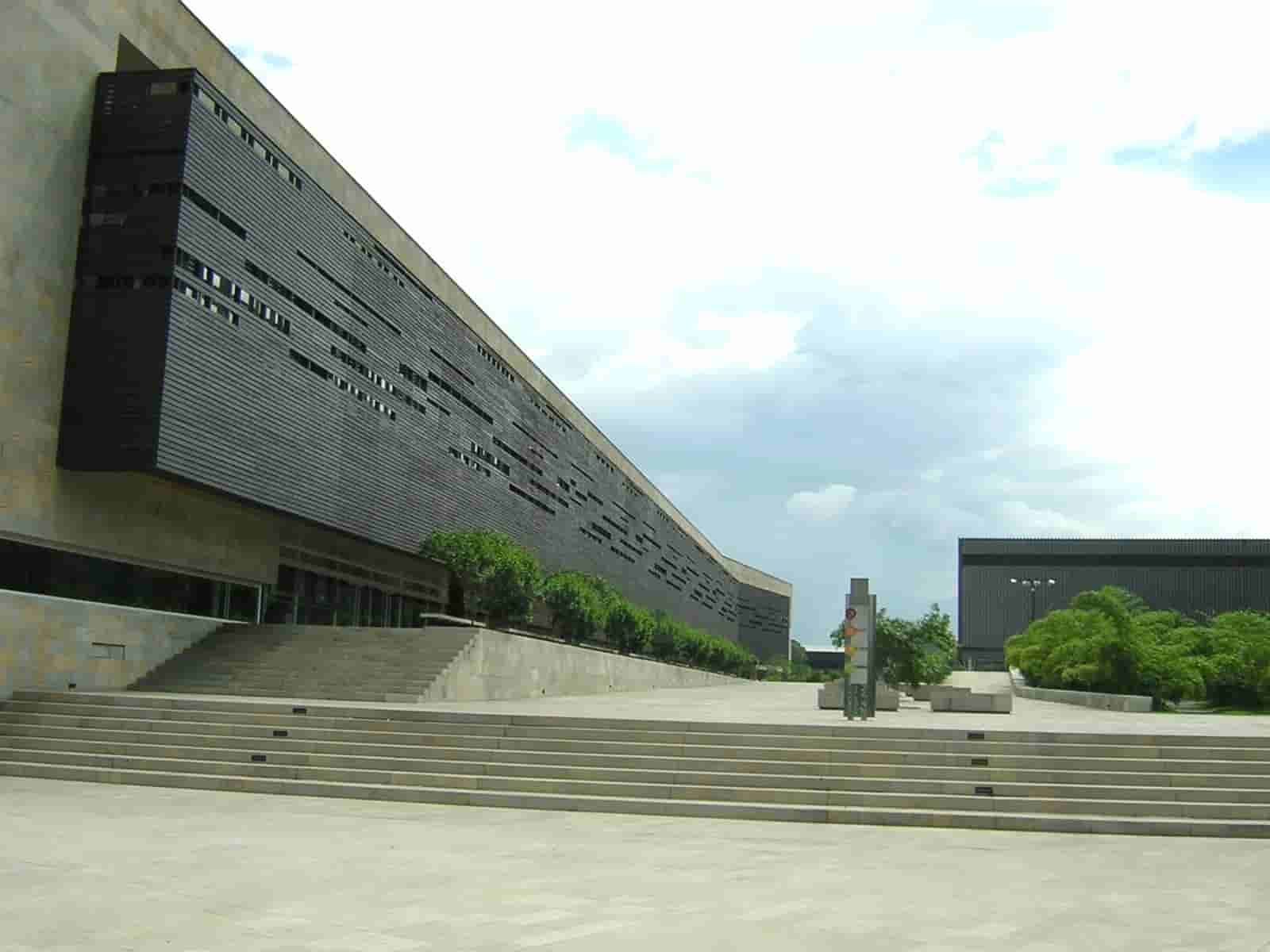
- Top ratedParque Biblioteca BelénBelénDesigned by the acclaimed Japanese architect Hiroshi Hara, the Parque Biblioteca Belén is an international reference for pedagogical urbanism. The building is conceived as a village where light and large ponds reflect the geometric structures. It has reading rooms, children's rooms, an art gallery, an auditorium and outdoor squares shaded by palm trees.
- Top ratedParque Principal y Talleres de Ebanistería (El Retiro)El RetiroKnown as the cradle of the cabinetmakers and carpenters of Colombia, El Retiro is a mountain town that keeps the most polished and peaceful Antioquian colonial architecture. Around its main park and its traditional Calle Real are centuries-old workshops for solid-wood furniture design, jewellers, and a flourishing scene of chef-led restaurants, artisan bakeries and coffee roasters.
Before you go
This category brings together the places where Medellín and its neighbouring towns keep their memory and their cultural life: churches in the historic centre such as the Metropolitan Cathedral and the Basilica of La Candelaria, theatres such as the Pablo Tobón Uribe and the Metropolitano, libraries such as the Biblioteca Pública Piloto, and the cultural centres of Itagüí, Sabaneta or Bello, which run workshops, dance and music for local residents.
Much of it is free to enter, which makes it one of the cheapest ways to get to know the city properly. Churches and the Rafael Uribe Palace of Culture are best seen by day, combined into a walk around downtown. Theatres, on the other hand, are an evening plan and depend on the programme: check the month's listings and book early for big shows. In Comuna 13, Casa Kolacho shows how hip hop became a tool for community work.
If you visit churches, remember they are still places of worship: modest clothing, low voices and no photos during mass. The library parks in the hillside neighbourhoods, such as Santo Domingo Savio, are reached by Metrocable, and the cable-car ride is part of the visit.