

Nature in Medellín
Nature: the best places in and around Medellín, verified one by one.
- 16 places
- 14 zones
- average
- Top ratedCerro de las Tres Cruces MedellínBelén / AltavistaCerro de las Tres Cruces is Medellín's default walk: a short but demanding climb in the south-west of the city, inside the Altavista district.
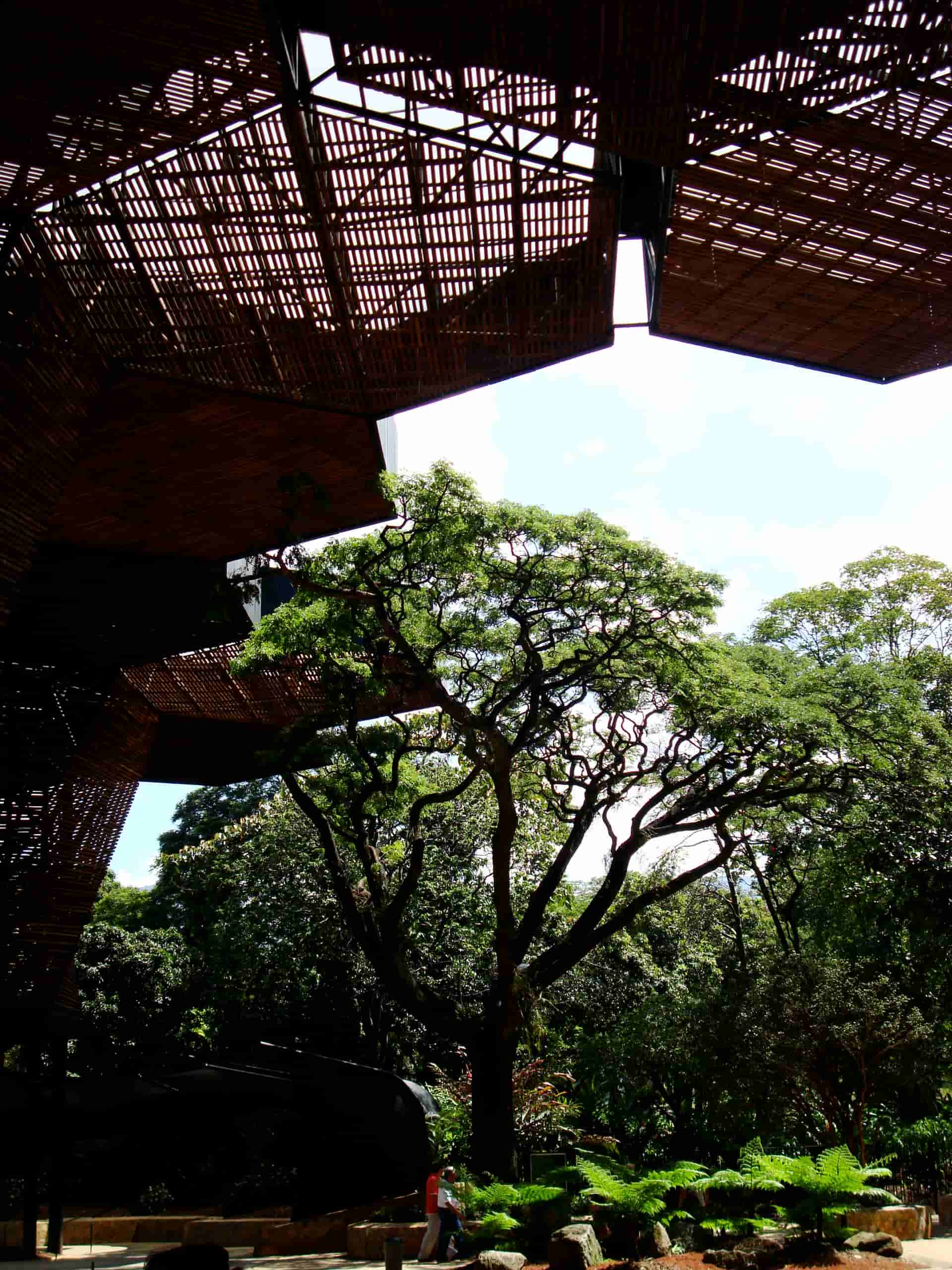
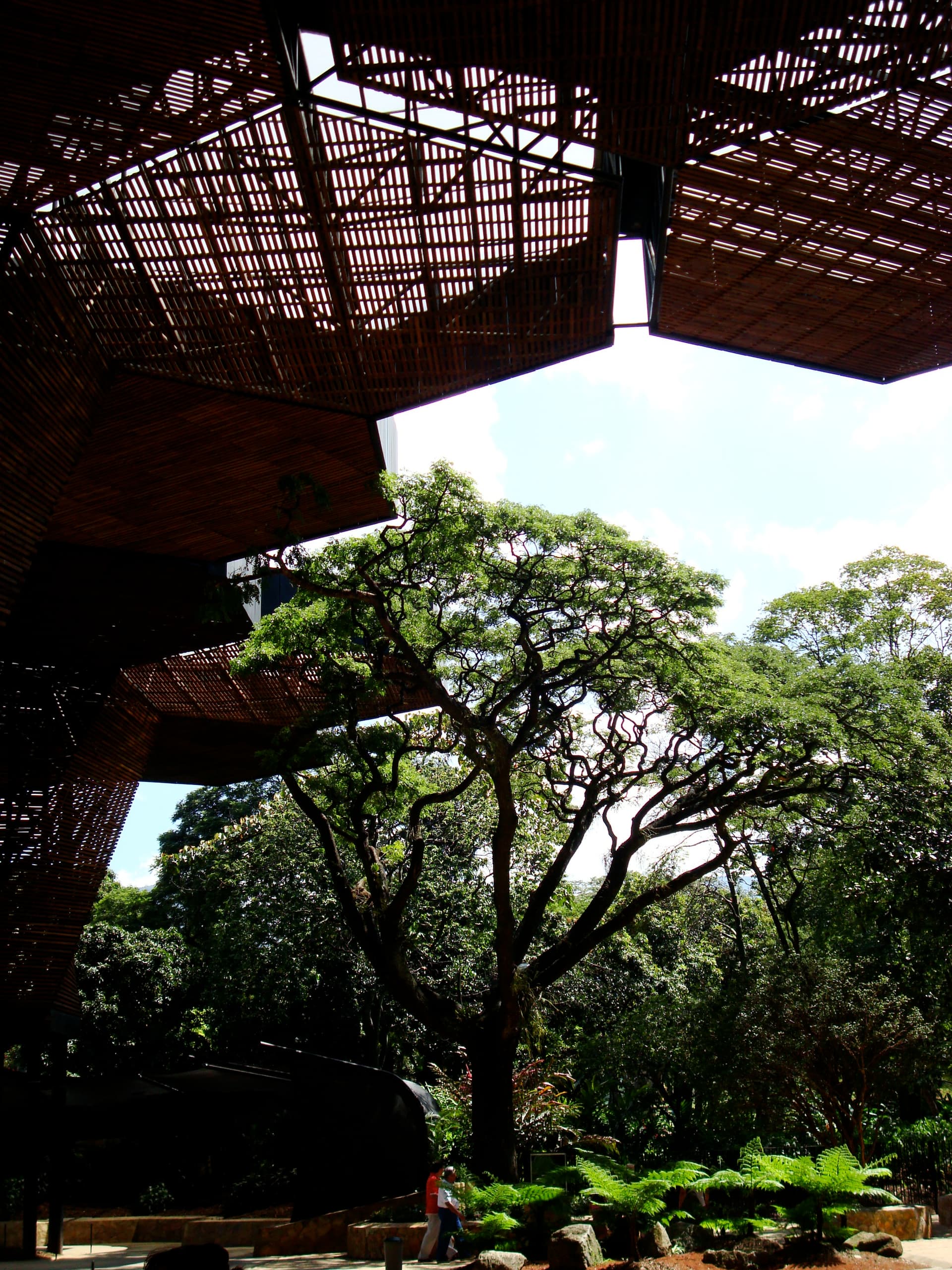 Top ratedJardín Botánico de MedellínAranjuezThe Joaquín Antonio Uribe Botanical Garden occupies fifteen hectares in the north of Medellín, facing Parque Explora and a step from the Universidad metro station. It is one of the few large botanical gardens in Latin America with free entry.
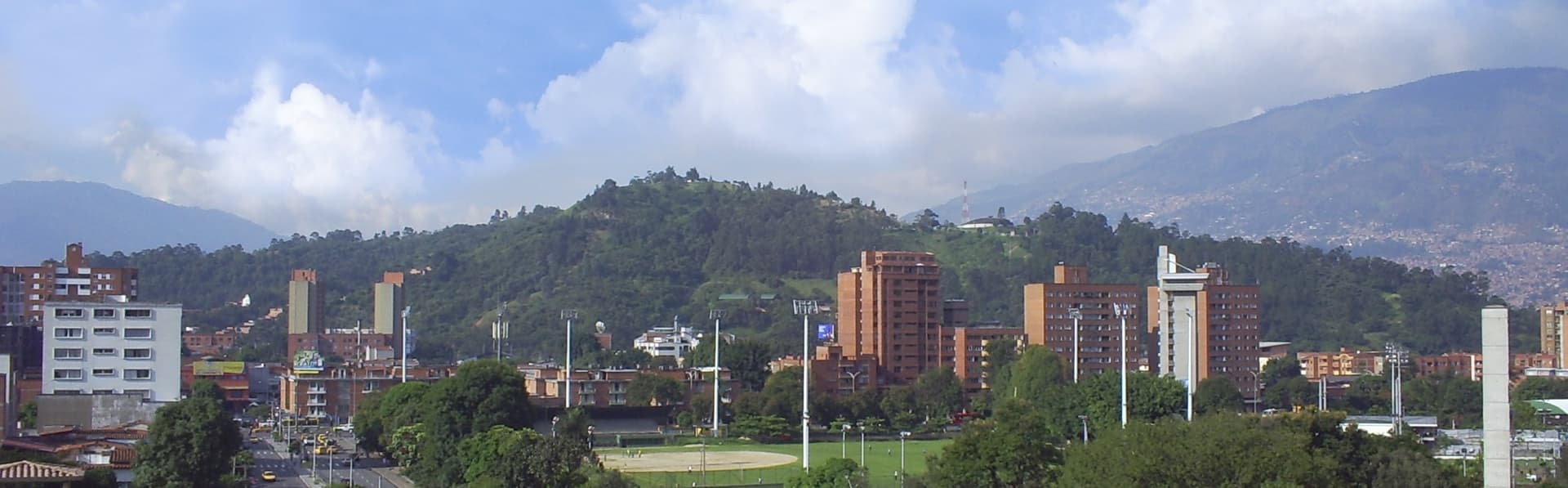 Top ratedParque Natural Cerro El VoladorRobledo / San GermánCerro El Volador is the largest metropolitan regional nature park inside Medellín's urban area: 103 hectares rising to 1,628 metres in the centre-west of the city, in Comuna 7.
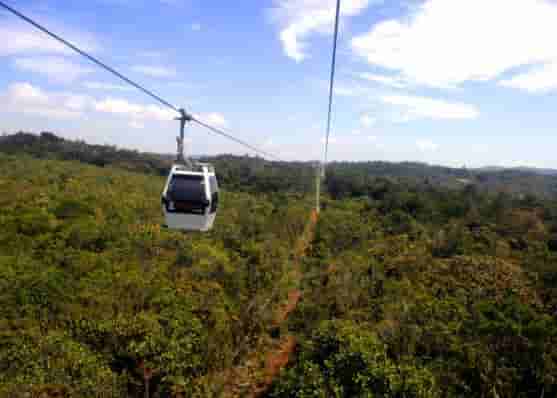
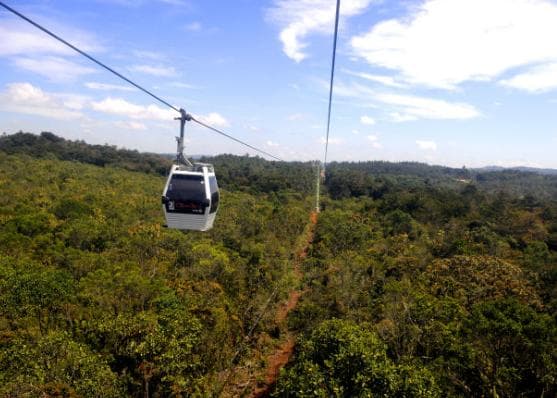 RecommendedParque ArvíSanta ElenaParque Arví is the reserve crowning the Aburrá valley, in the Piedras Blancas hamlet of the Santa Elena district. You get there by metro and then the Cable Arví, and that ride over the cloud forest is already part of the plan.
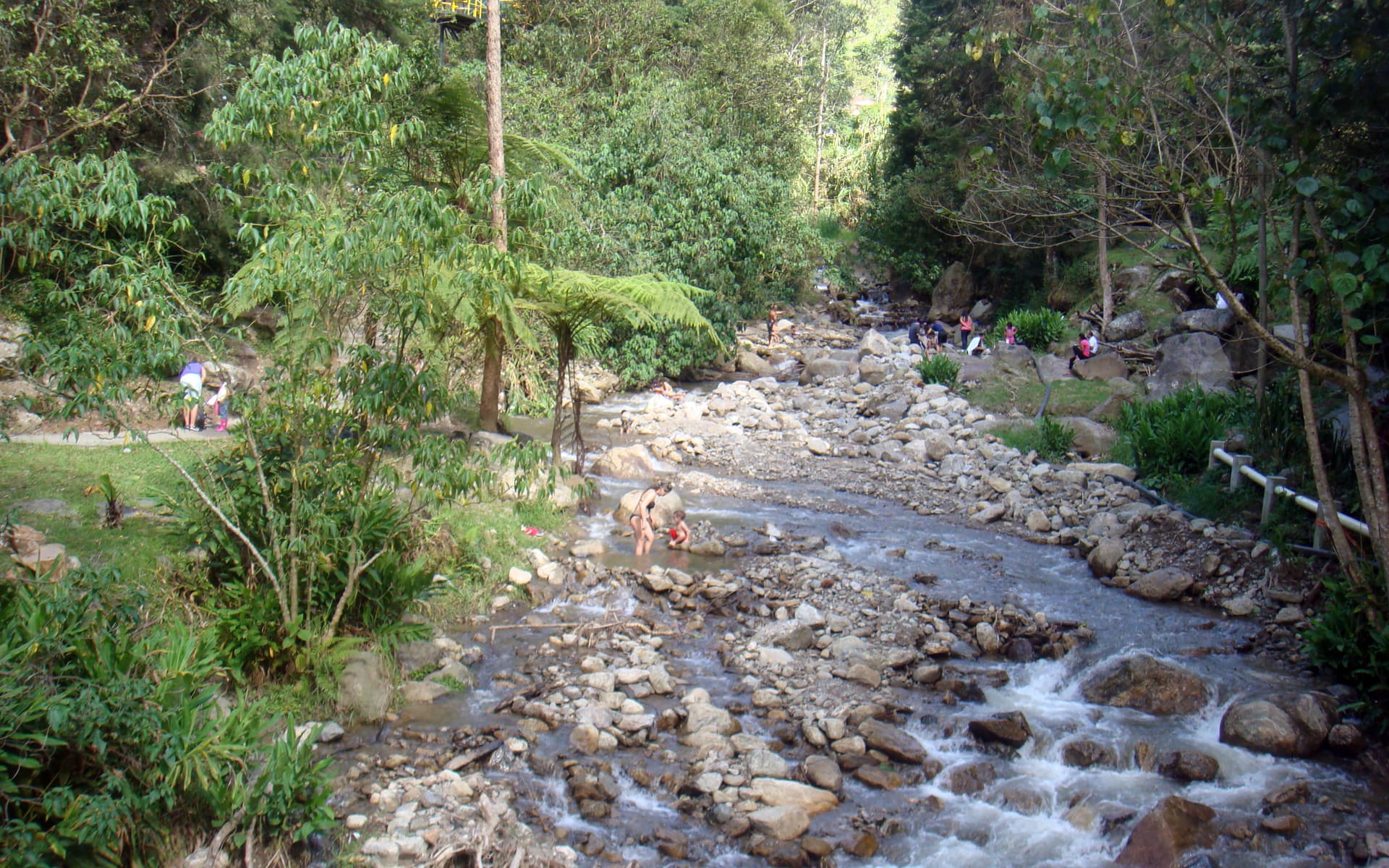 Parque EcoTuristico El SaladoEnvigadoEl Salado covers 170,000 square metres in the El Vallano hamlet, in the high rural belt of Envigado, and is one of the largest ecological parks in Antioquia.
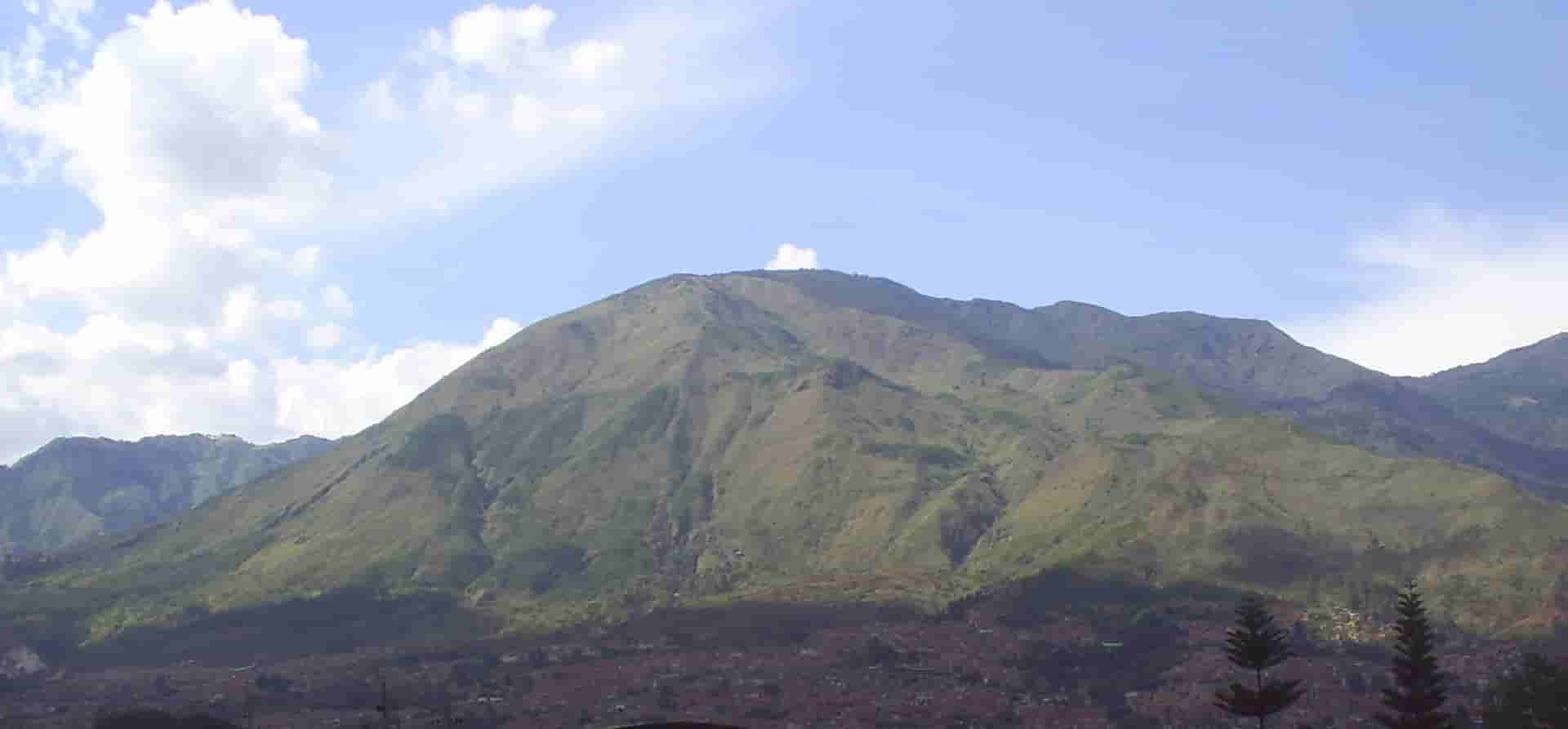
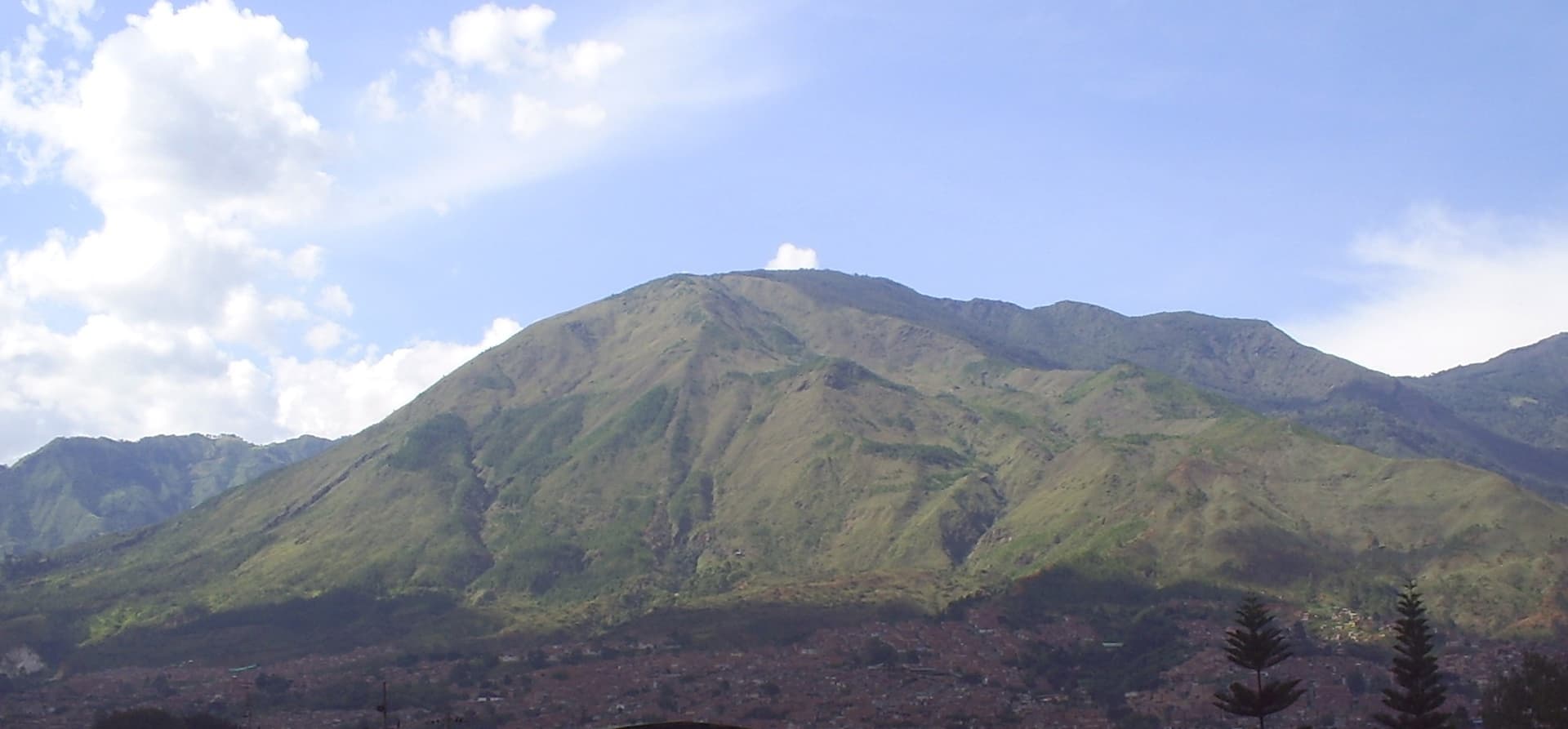 Cerro QuitasolBelloEl Quitasol closes the Aburrá valley to the north with a pyramid silhouette visible from half of Medellín, and it is Bello's guardian mountain: 2,800 metres at the summit.
- Top ratedEcoparque Los Saltos (Salto del Buey)La CejaOne of the most imposing natural wonders of the Antioquian Andes. El Salto del Buey is a colossal waterfall with a 90-metre free fall, surrounded by the vertical rock walls of the Buey river canyon. Ecoparque Los Saltos offers the highest and longest zip line or canopy in Colombia (flying more than 300 metres up in front of the waterfall), a rock via ferrata, hammocks hung over the void and hiking through cloud forests.
- Top ratedParque Arqueológico y Natural Cerro Tusa (Venecia)VeneciaAt 1,850 metres above sea level and with its astonishing perfect conical shape, Cerro Tusa is considered the tallest natural pyramid in the world and the most important pre-Hispanic ceremonial sanctuary in Antioquia (an old shrine of the Sinifanaes indigenous people). At its base there are petroglyphs, the 'Stone of the Mirror Goddess' and ecological trails, while its steep ascent is the mecca of extreme mountain hiking.
- Top ratedRefugio De Vida Silvestre Del Alto De San MiguelCaldasAlto de San Miguel is where the Medellín river begins, and that fact alone justifies the climb. There is no single spring: the river forms from the meeting of five streams — La Vieja, La González, La Moladora, El Tesoro and Santa Isabel — and the reserve is where the water supplying much of the valley is captured and regulated.
- Top ratedReserva Natural Cañón del Río ClaroPuerto TriunfoOne of the most fascinating private nature reserves in South America. Río Claro is a karst rock canyon where the river flows over a white marble bed polished over millennia, surrounded by virgin tropical rainforest. It stands out for its marble beaches, the Cueva de los Guácharos (a stalactite cave inhabited by nocturnal cave-dwelling birds), native forest trails, white-water rafting and a zip line over the canyon.
- Top ratedReserva Natural Cueva del EsplendorJardinOne of the most awe-inspiring geological wonders of the Colombian Andes. In the middle of a virgin cloud forest more than 2,200 metres above sea level, a torrential waterfall of pure water has pierced for millennia the stone roof of a large cavern, plunging through the circular opening into an underground pool lit by a beam of mystical light.
- Top ratedSalto del Ángel y Cueva del HiguerónEnvigadoAn impressive virgin waterfall more than 50 metres high, hidden in a canyon of dense mist and rainforest in the upper part of Envigado. The trekking route crosses crystal-clear streams, cloud forests and the mysterious Cueva del Higuerón, and is one of the most challenging and beautiful hiking and canyoning circuits in the whole Aburrá Valley.
- Cerro Pan de Azúcar & Jardín CircunvalarVilla Hermosa / La SierraAt 2,138 metres, Cerro Pan de Azúcar is the green guardian of eastern Medellín. Part of the 'Jardín Circunvalar de Medellín' (Green Belt) project, it has the ecological pedestrian trail 'Caminos de la Sierra' in wood and stone, community eco-gardens, migratory bird watching and natural balconies with a direct view of the centre and the valley.
- Salto del TequendamitaEl RetiroOne of the most famous and most photographed waterfalls on Antioquian roads. With a 20-metre drop surrounded by dense Andean vegetation and myrtle trees, this natural spot was named after the Salto del Tequendama in Cundinamarca. It has traditional roadside inns, a typical restaurant, short trails and green picnic areas at the foot of the torrent.
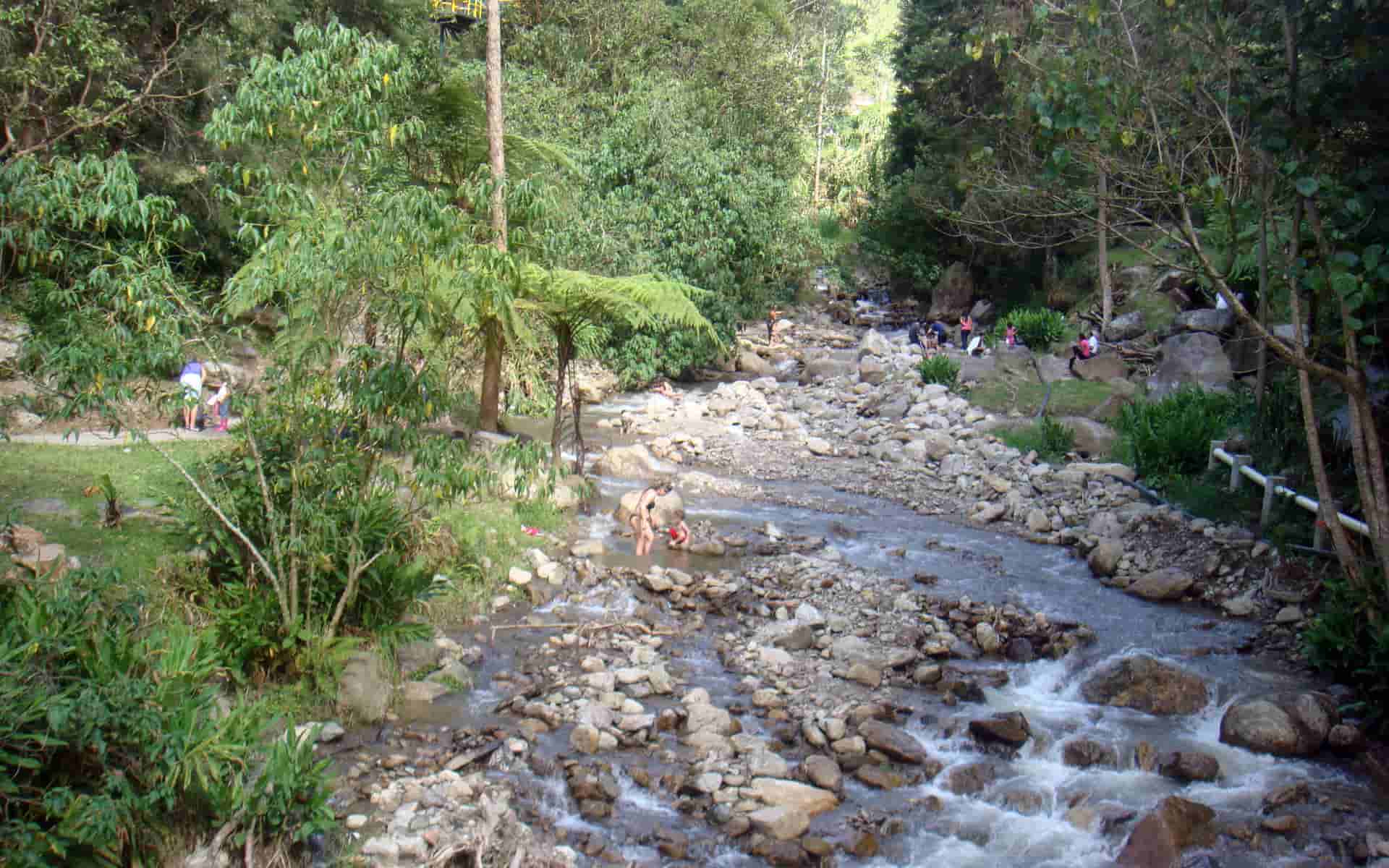
- Los Charcos de El BrujoNorte del ValleEl Brujo is the best known natural bathing spot in Barbosa, in the Dos Quebradas hamlet, barely a kilometre from town along the road towards Porce.
- La Laguna Encantada, reserva natural el romeralNorte del ValleLa Laguna Encantada is a natural body of water on the ridge of the El Romeral reserve, and reaching it is one of the most demanding walks you can do without leaving the metropolitan area.
Before you go
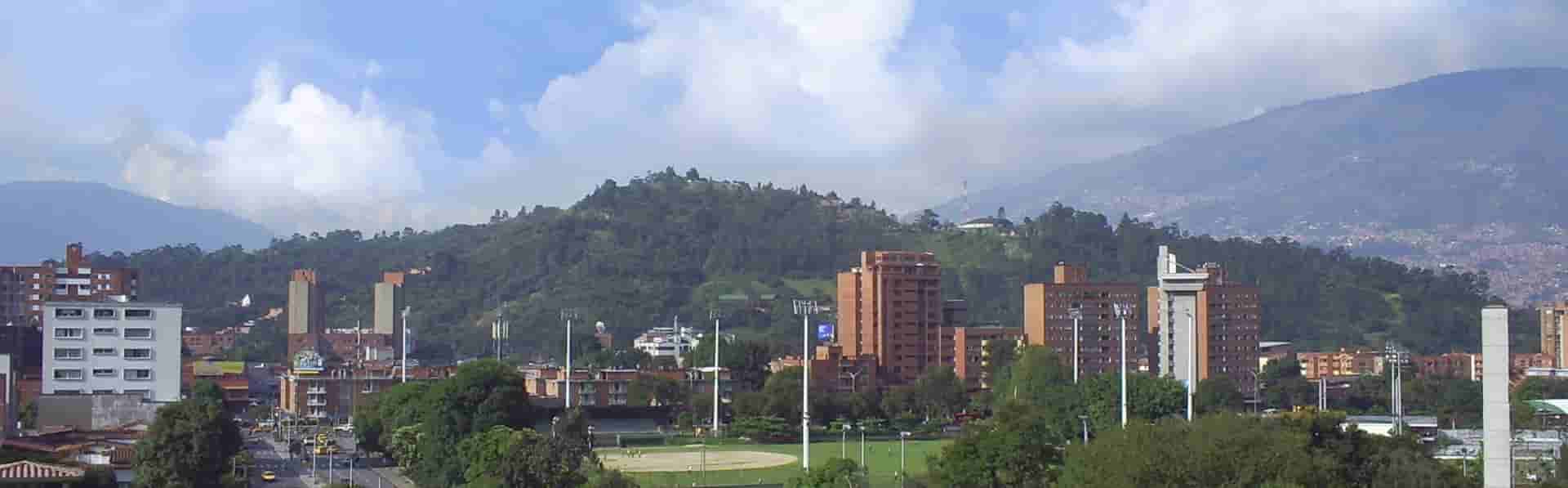
Medellín is a big city, but green space is never far. This category brings together guardian hills with trails, such as El Volador, Las Tres Cruces or Quitasol in Bello; reserves such as Parque Arví in Santa Elena or Alto de San Miguel in Caldas, where the river that runs through the valley begins; and easier options like the Botanical Garden, perfect for anyone who wants nature without climbing a single slope.
Choose by how much effort you want to put in. The urban hills are short but steep walks that many people do early, before the sun gets strong. Arví is reached by Metrocable, first to Santo Domingo and then on the line that climbs to the park, and the air up there is cooler. The reserves in the south and north of the valley need your own transport or an intercity bus, and sometimes a guide: ask before you go.
Wear shoes with good grip and bring water, sunscreen and a rain jacket, because trails turn to mud with the afternoon showers. Almost everything is free or cheap, with entry in the $ range. Take your rubbish with you, stay on the marked paths and, if you are going somewhere remote, do not go alone.