Architecture and Iconic Landmarks
Buildings, squares and works worth the visit for their architecture.
- 13 places
- 8 zones
- 4 categories
- average
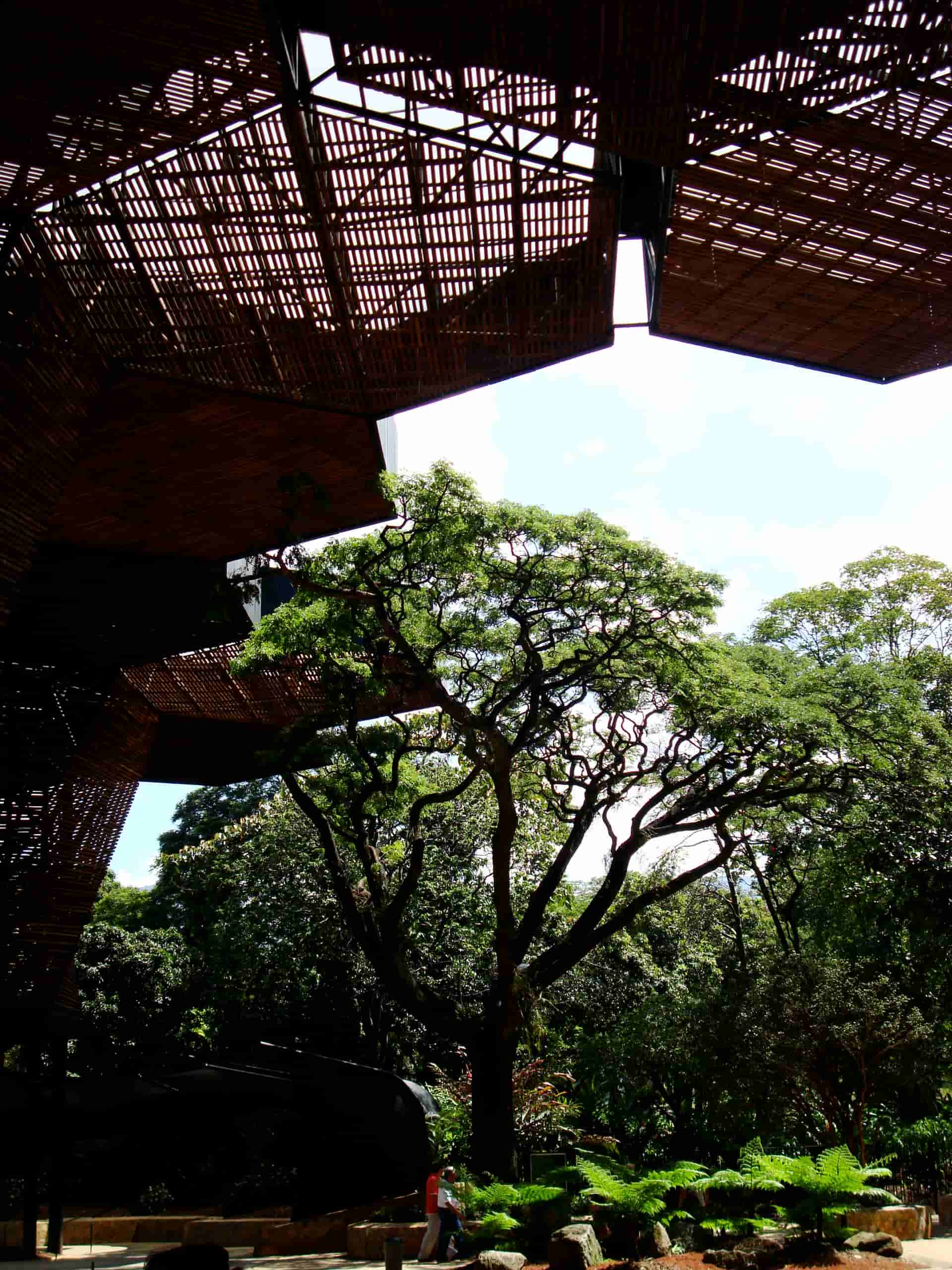
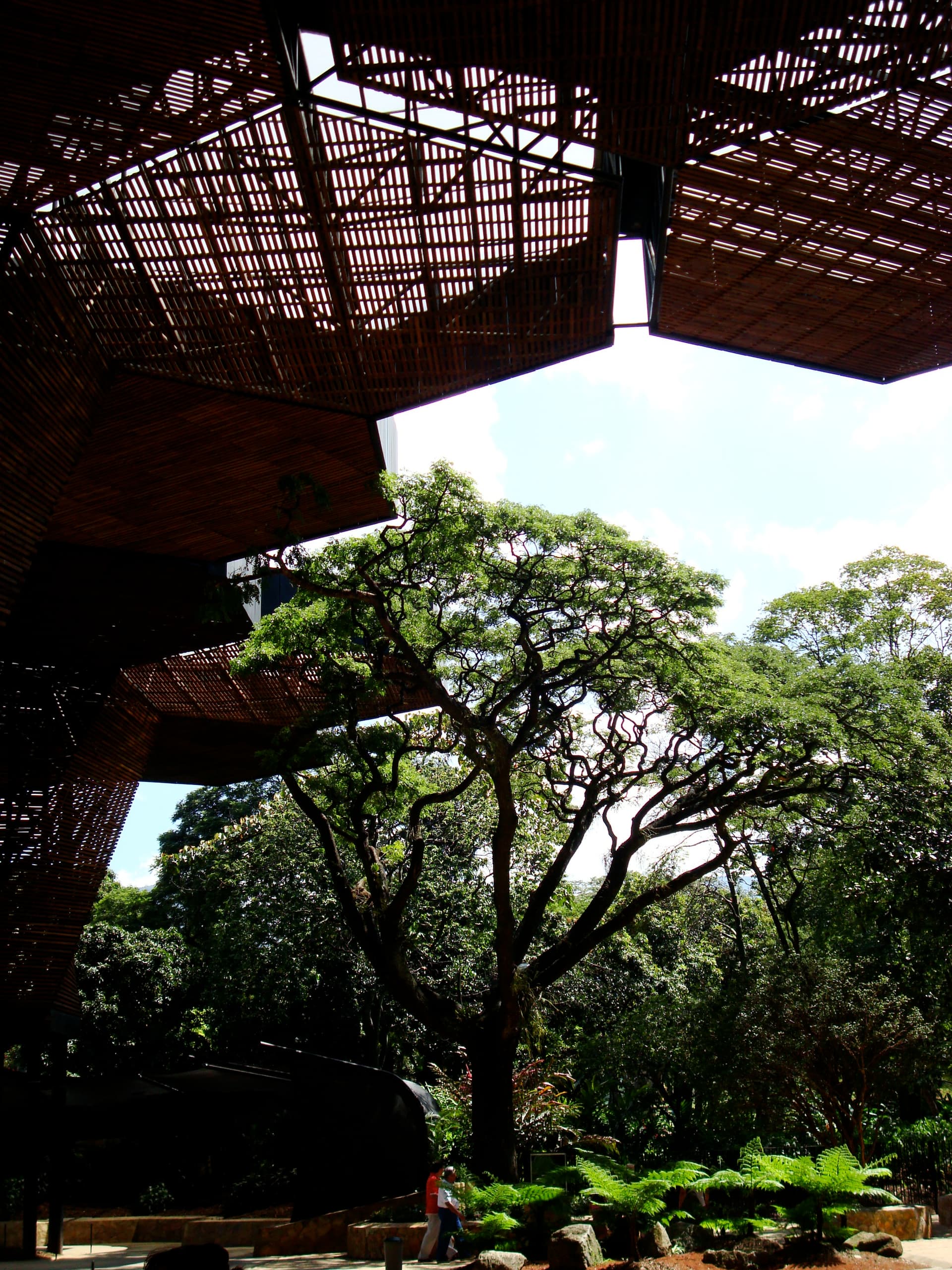 Top ratedJardín Botánico de MedellínAranjuezThe Joaquín Antonio Uribe Botanical Garden occupies fifteen hectares in the north of Medellín, facing Parque Explora and a step from the Universidad metro station. It is one of the few large botanical gardens in Latin America with free entry.
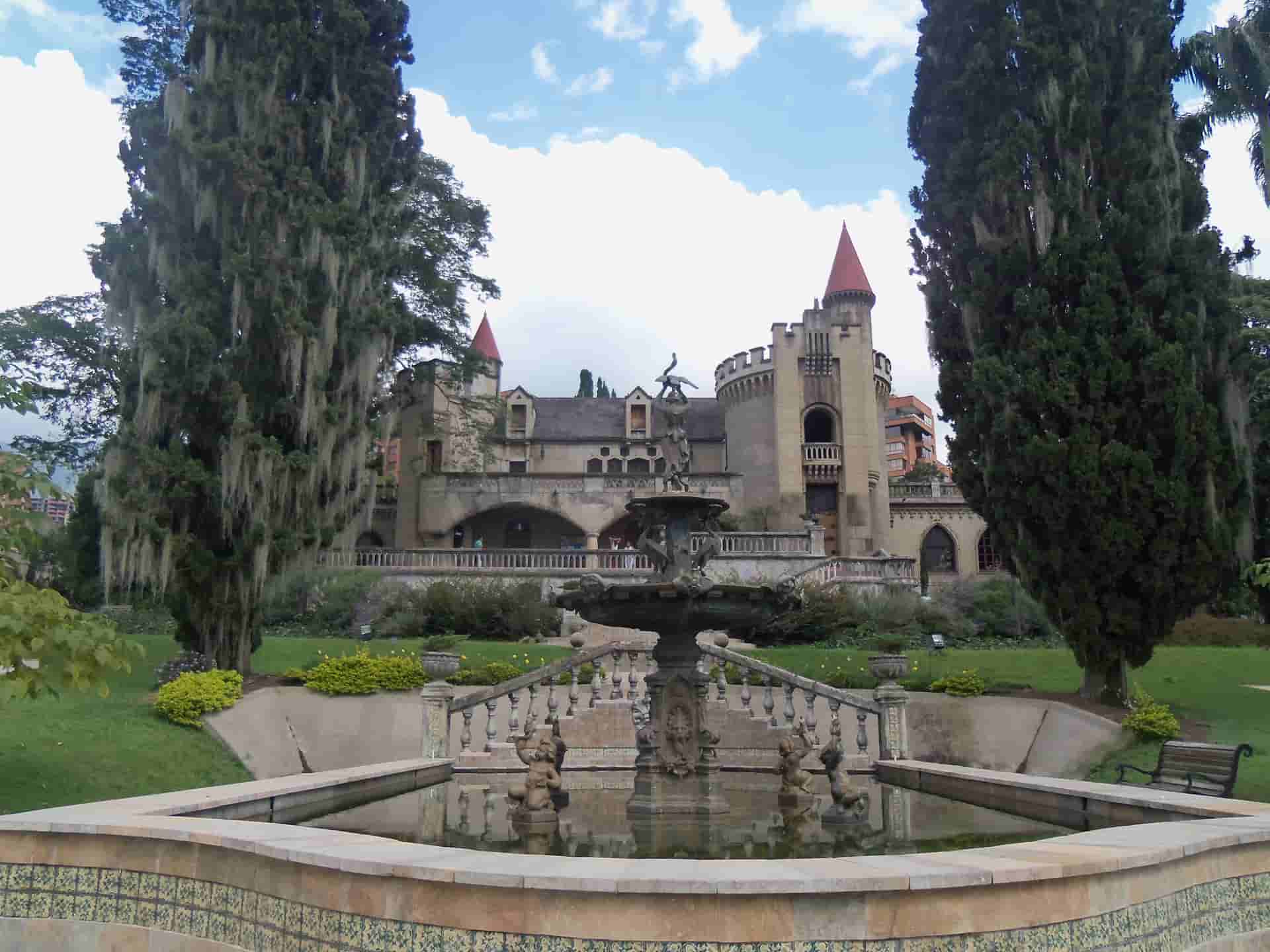
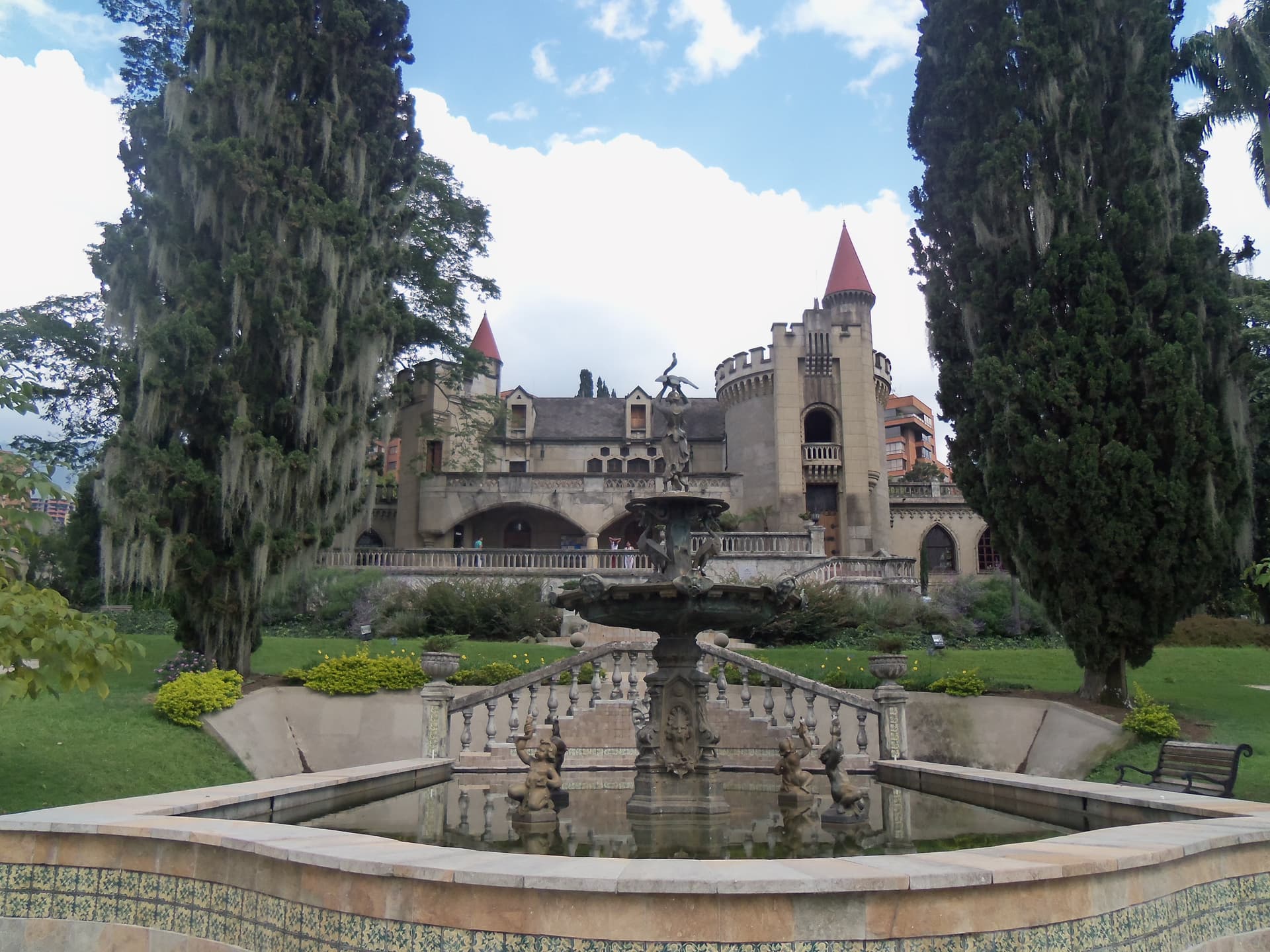
- Top ratedMuseo El CastilloEl PobladoEl Castillo was raised in 1930 as a country house for the doctor José Tobón Uribe, designed by the firm H. M. Rodríguez — Medellín's first significant architecture office — in a medieval Gothic inspired by the châteaux of the Loire valley: towers finished in spires and ogival windows.
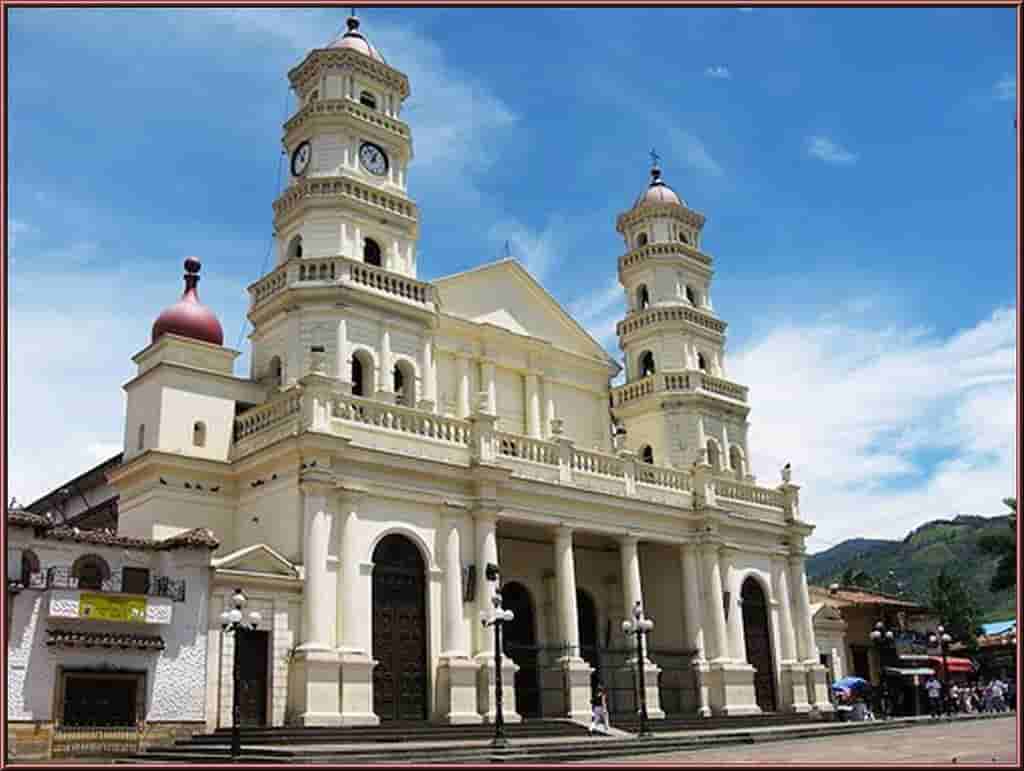
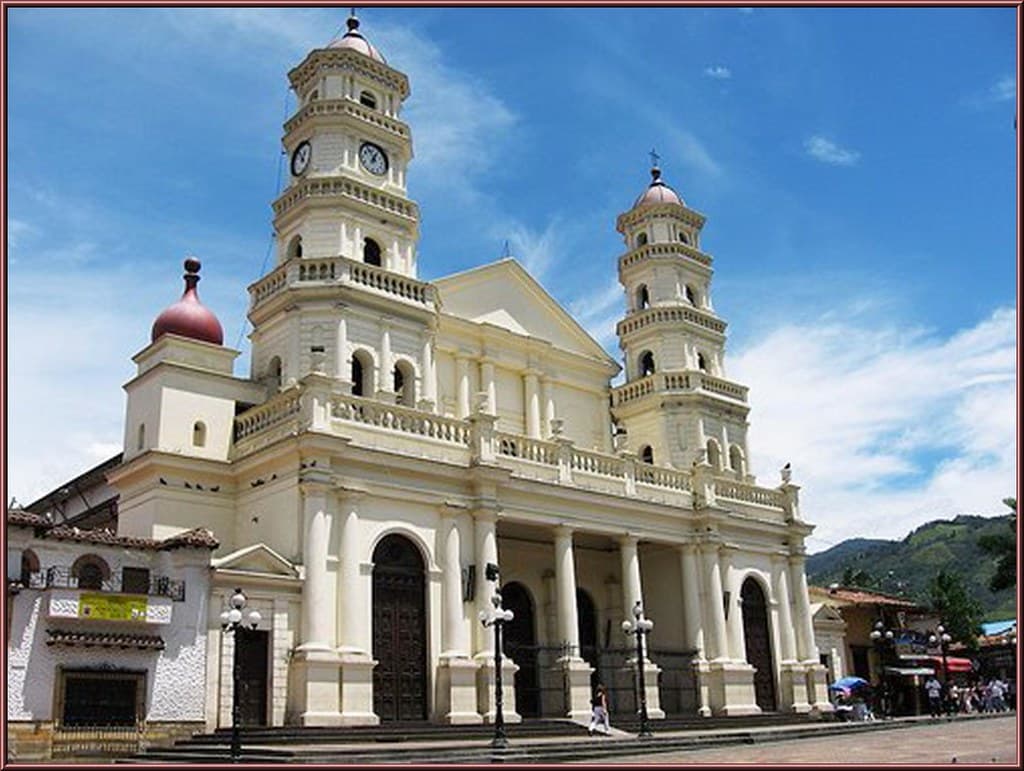 Parroquia Santa Gertrudis, EnvigadoEnvigadoSanta Gertrudis is not merely Envigado's main church: it is the reason Envigado exists as a town. The urban settlement appears after 1776, following the creation of the parish of Santa Gertrudis la Magna, a process that ran between 1773 and 1776 and fixed where the square would be and around what the town would grow.
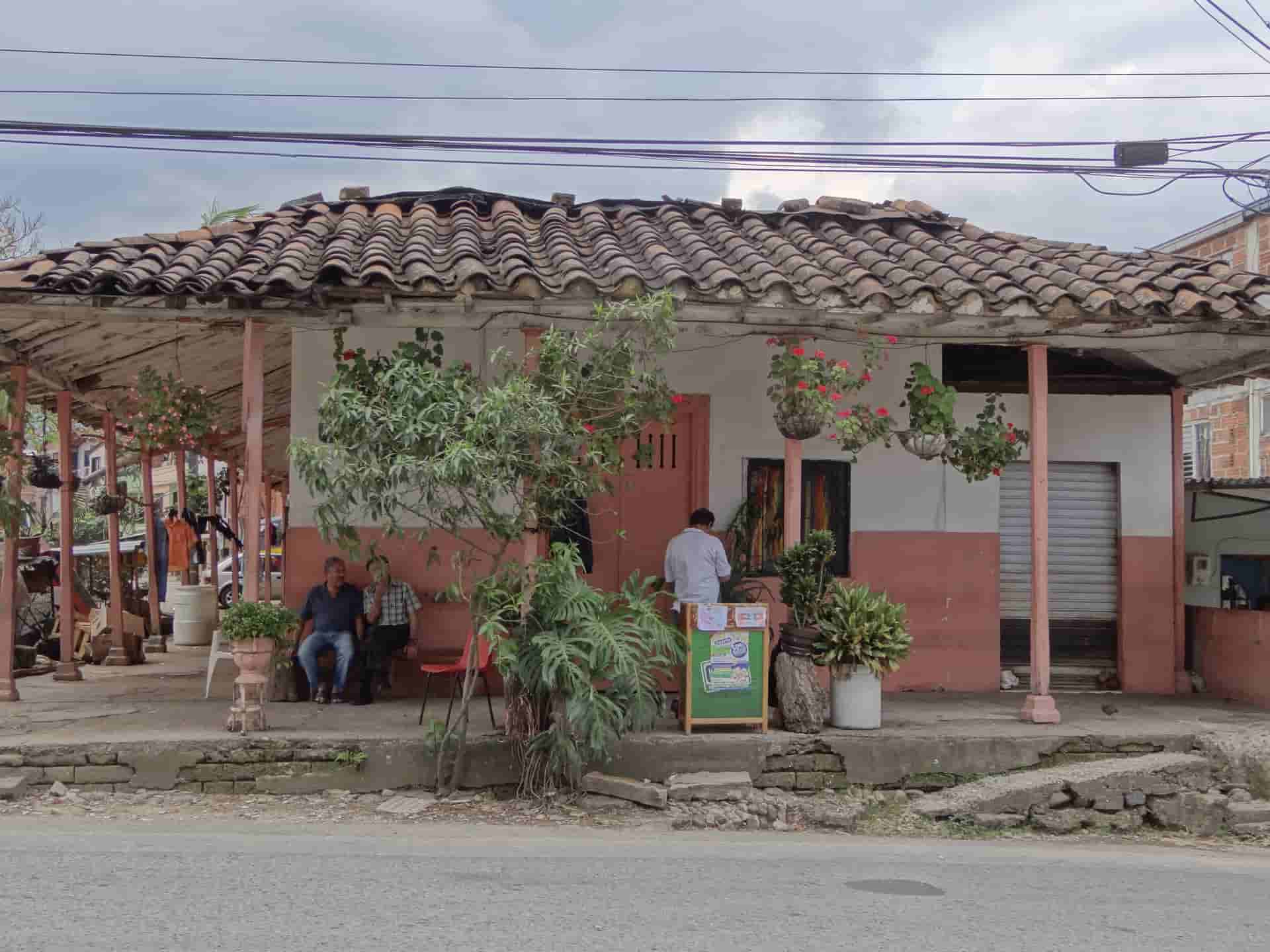
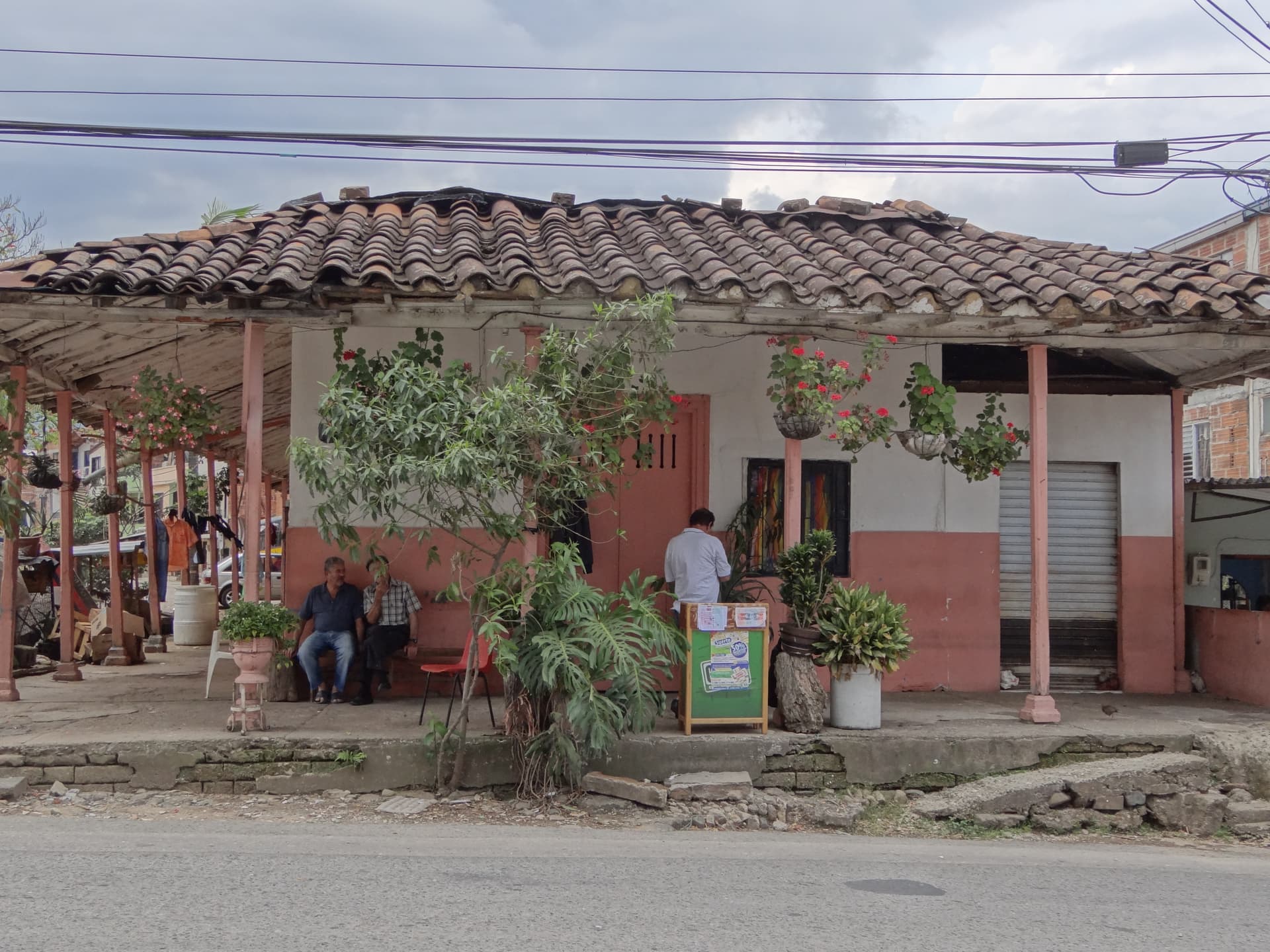 Antigua Estacion Ferrocarril YarumitoItagüíYarumito station was built in 1911, and by 1912 the train had reached Itagüí. It formed part of the line meant to link Medellín with the Cauca river to move the region's coffee, farming and mining output, and its arrival changed the shape of the town: the neighbouring districts grew around it.
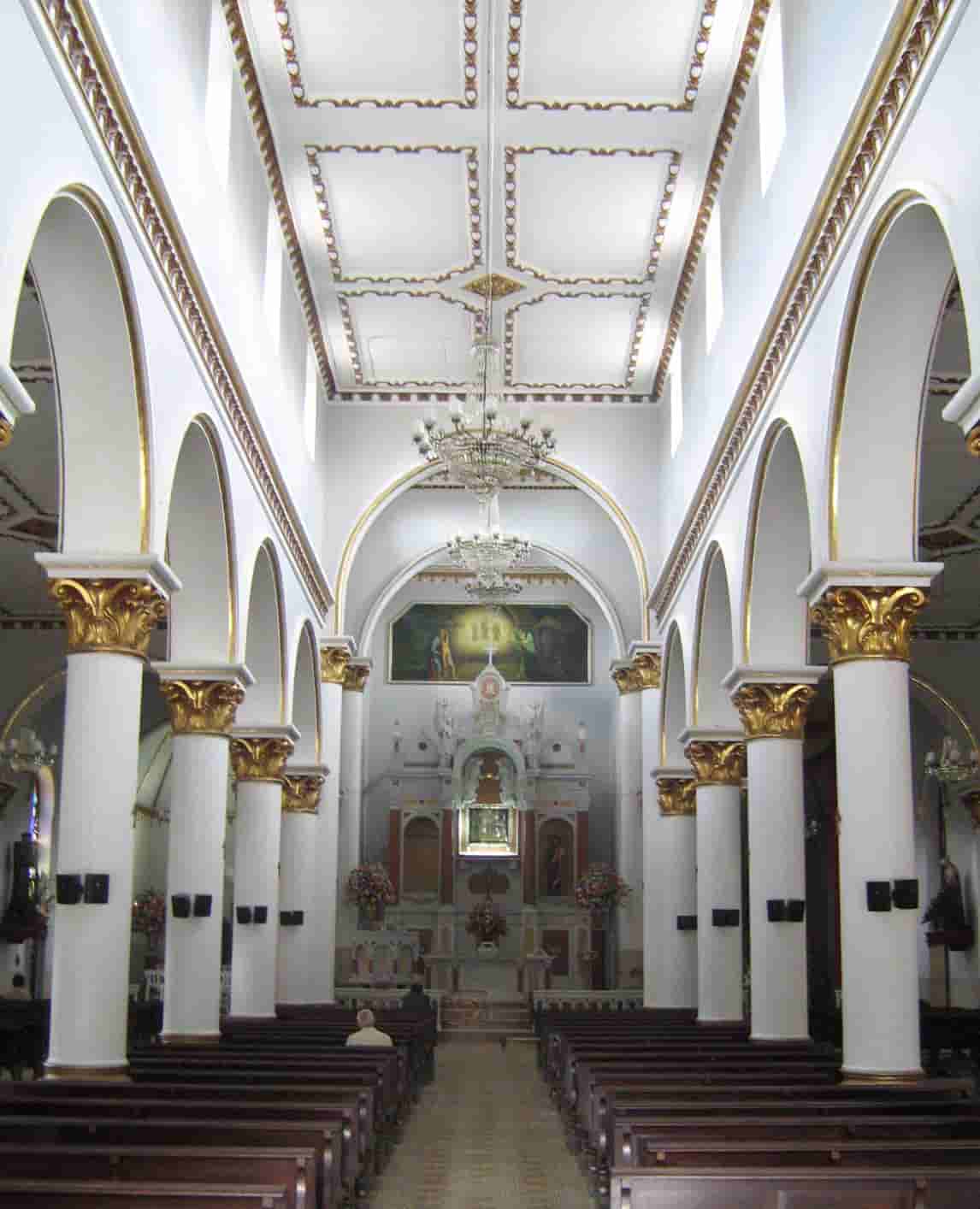
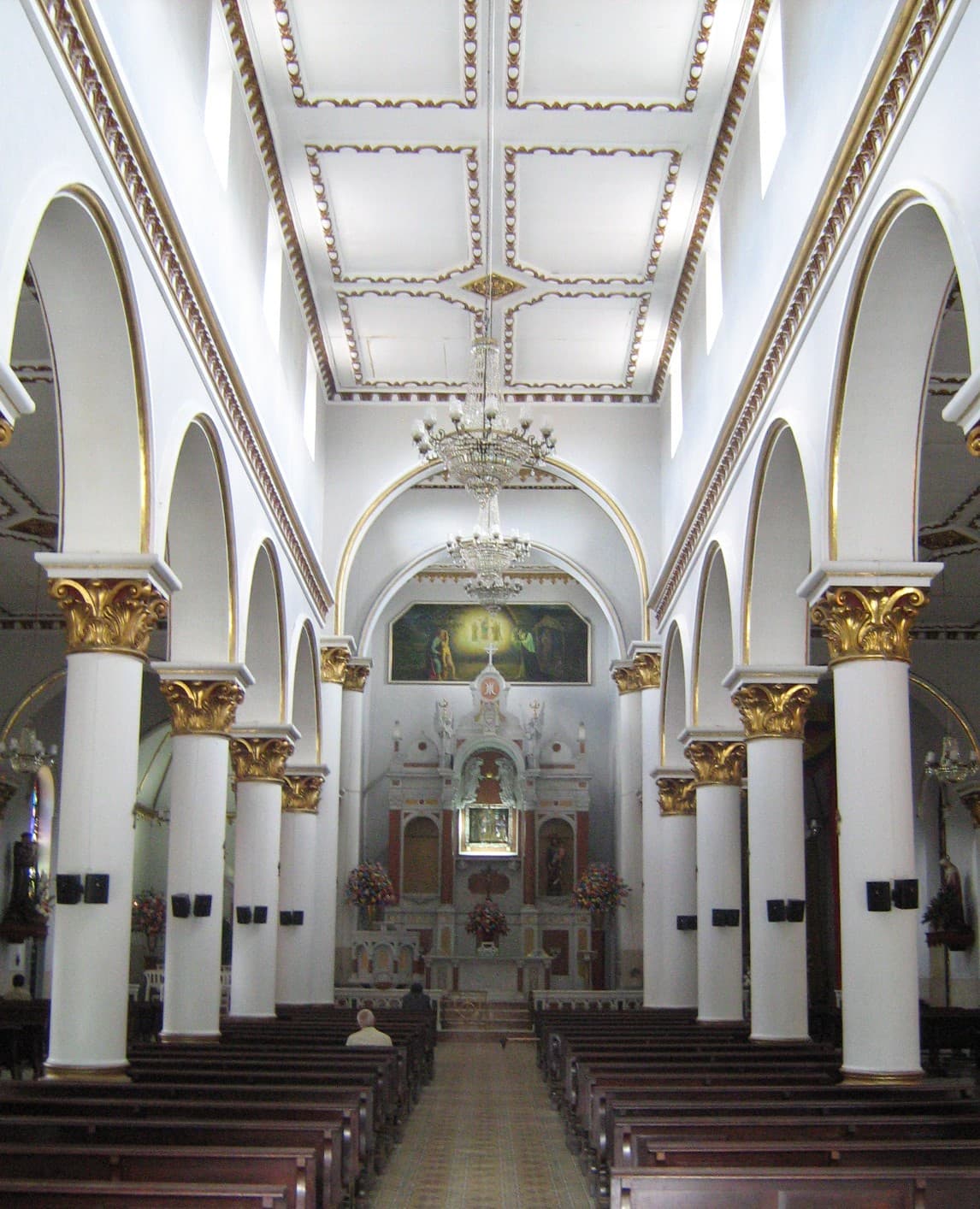 Basílica Menor de Nuestra Señora de Chiquinquirá de La EstrellaNorte del ValleThe basilica of Nuestra Señora del Rosario de Chiquinquirá presides over La Estrella's main square and is the country's second sanctuary devoted to that Marian devotion, after Chiquinquirá itself.
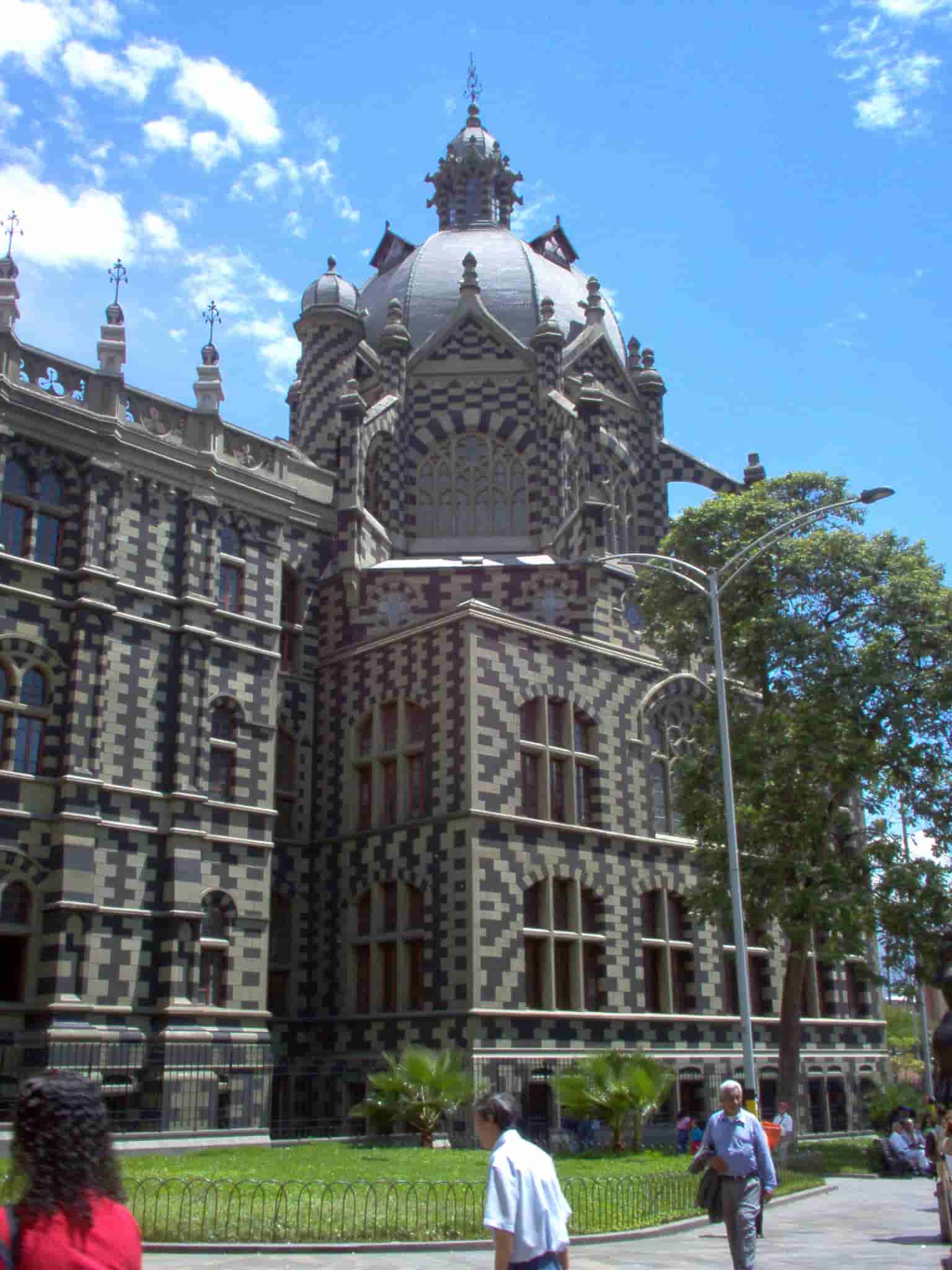
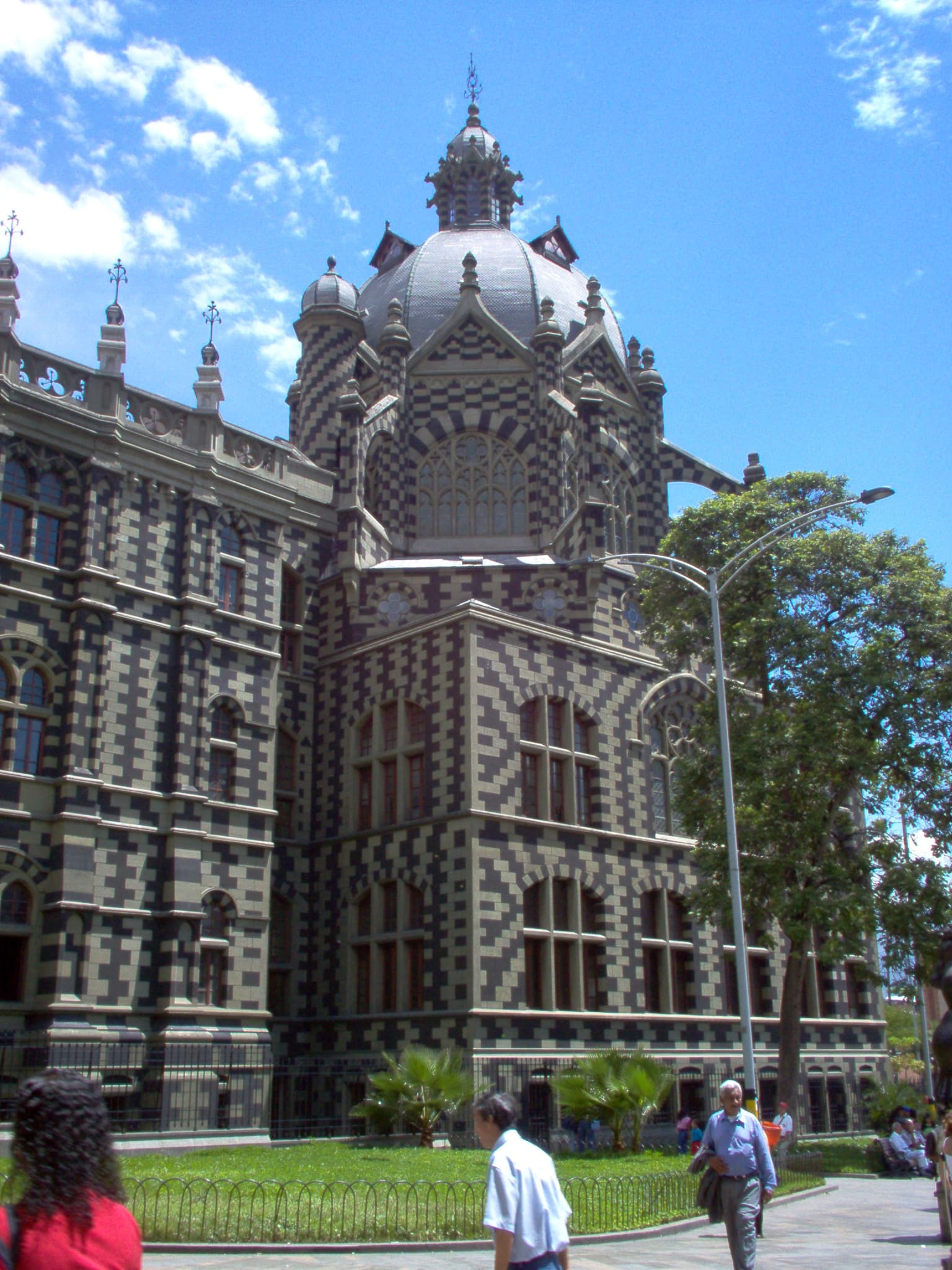 Palacio de la Cultura Rafael UribeLa CandelariaFew buildings identify Medellín as strongly as the Palacio de la Cultura Rafael Uribe Uribe: its black-and-white stripes and castle silhouette turn the corner downtown, beside Plaza Botero.
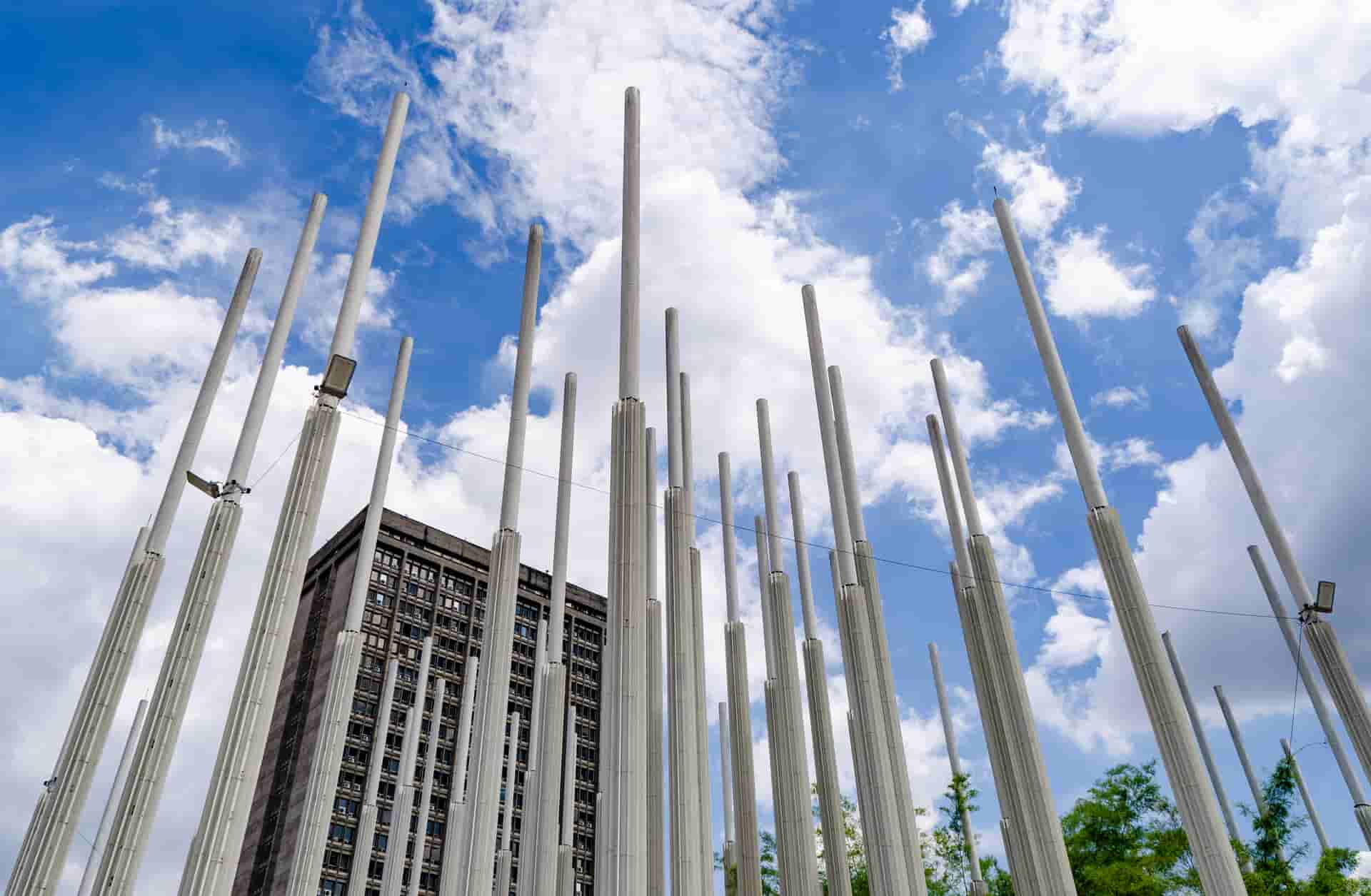
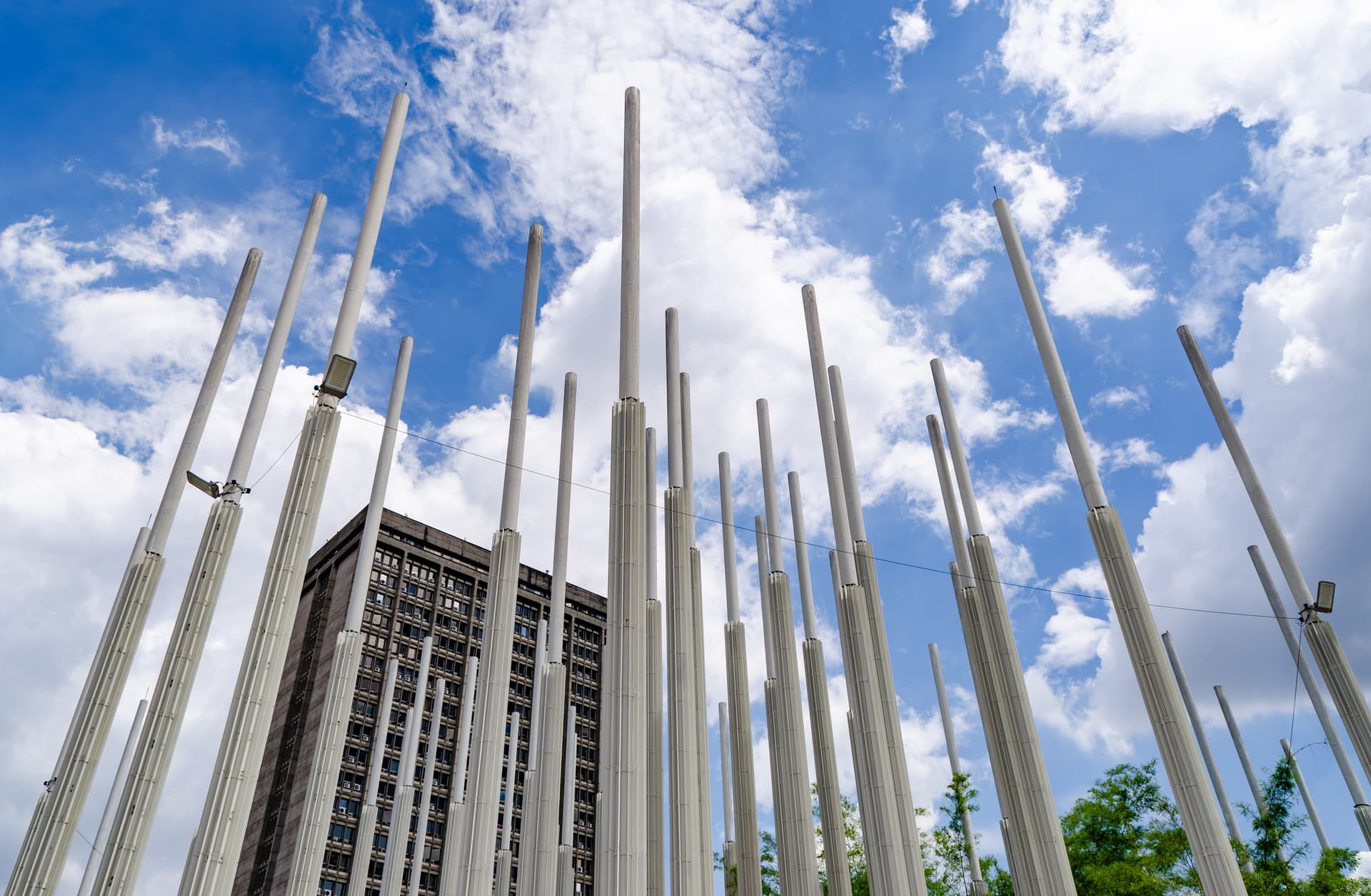 Parque de las LucesLa CandelariaParque de las Luces occupies Plaza Cisneros, right downtown, facing the La Alpujarra administrative centre. It is made of three hundred concrete and metal posts up to twenty-four metres tall, arranged as an artificial forest that gives shade by day and lights up at nightfall with more than two thousand floodlights and well over a hundred floor lamps.
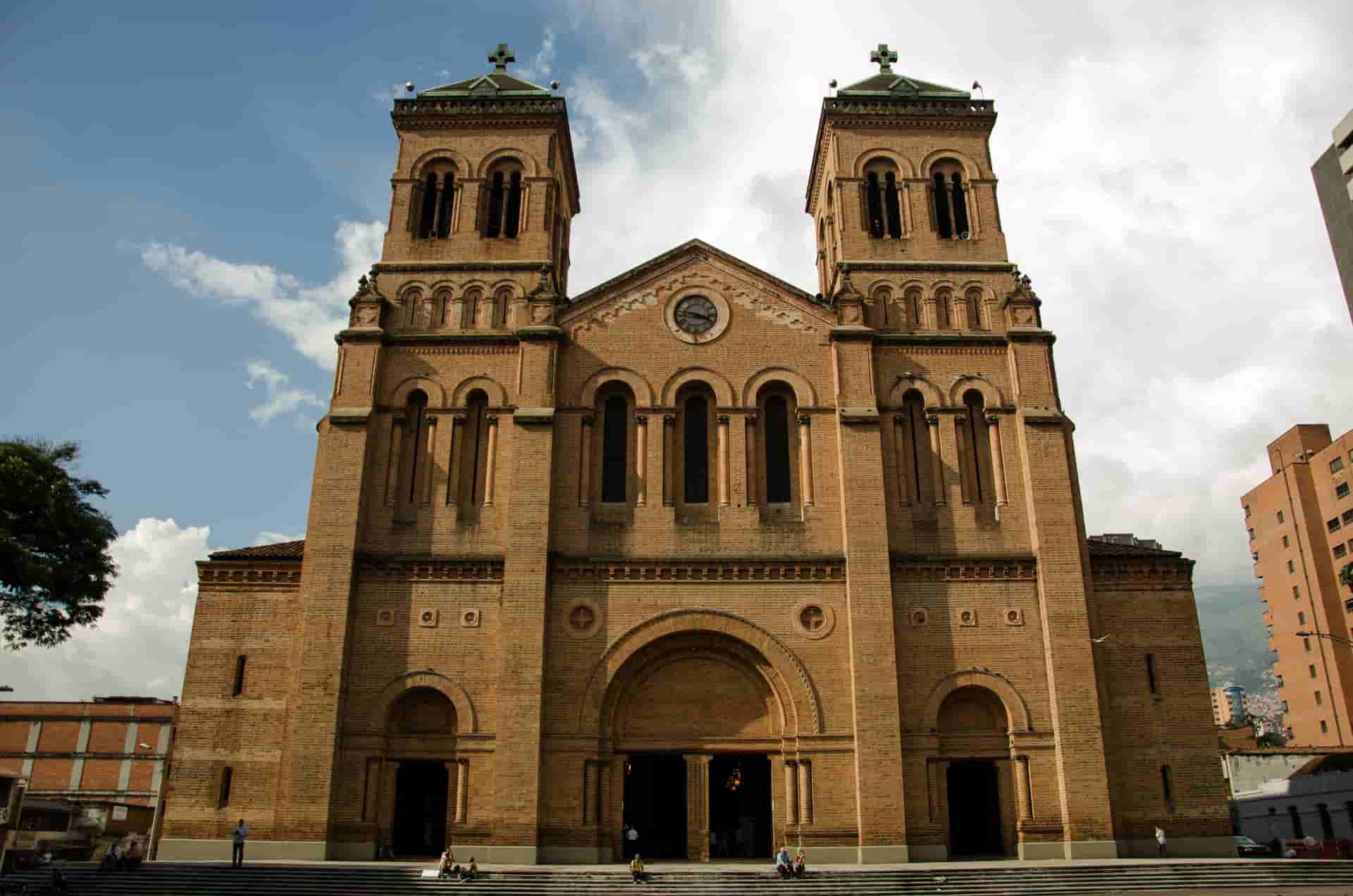
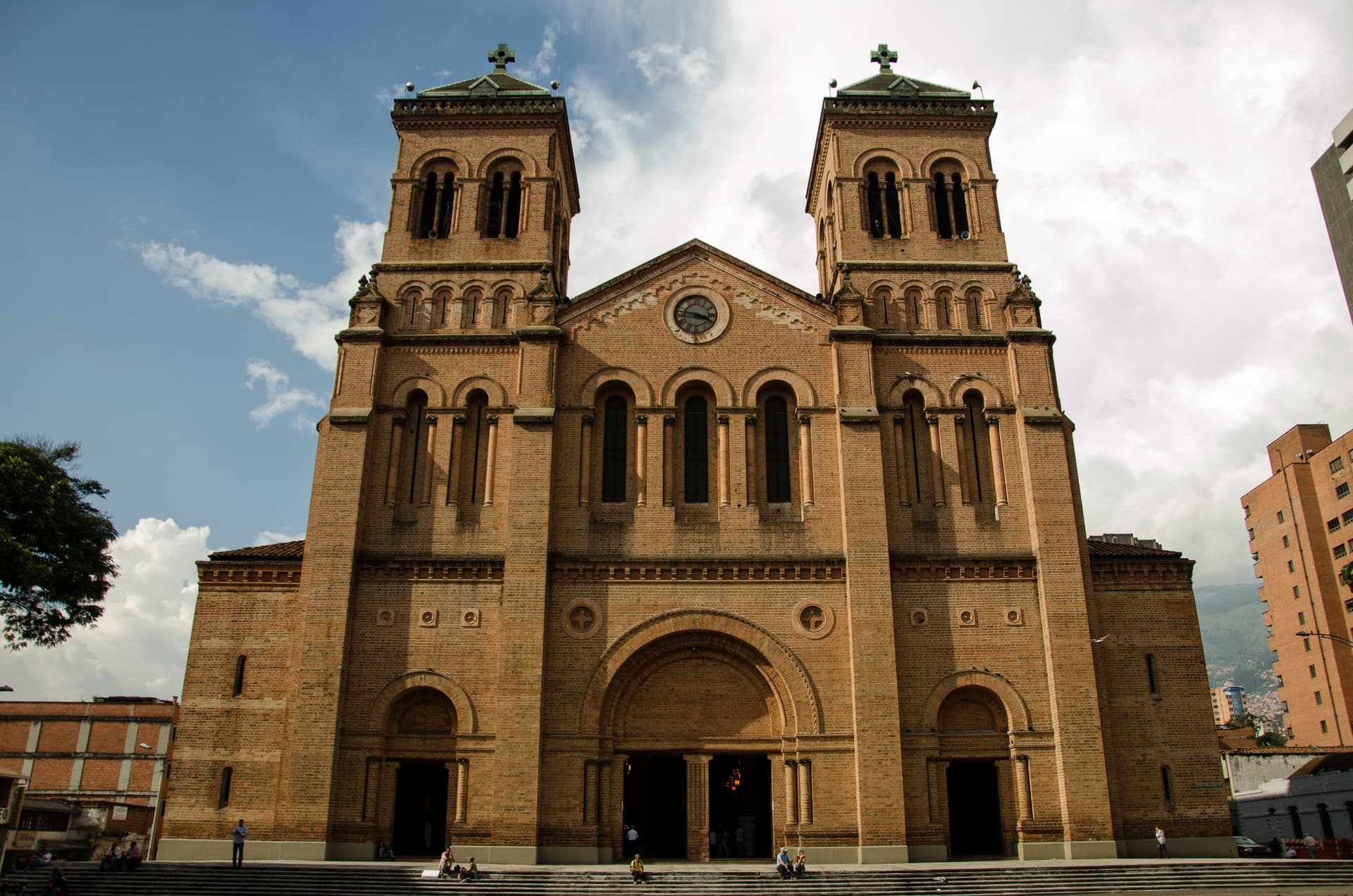 Parroquia La Catedral Metropolitana de MedellínLa CandelariaThe Metropolitan Cathedral presides over Parque Bolívar with a mass of brick that resembles nothing else in the city. It was designed by the French architect Charles Carré in neo-Romanesque style, begun in January 1890 and completed in August 1931: forty-one years of work.
- Parque Biblioteca Santo Domingo SavioSanto Domingo SavioThe Parque Biblioteca Santo Domingo Savio — known for years as the Biblioteca España — is one of Medellín's most photographed buildings: three tilted black volumes Giancarlo Mazzanti planted high on the hillside so they would read as rocks on the mountain. It opened in 2007 as the centrepiece of social urbanism in the north-east.
- Parroquia Nuestra Señora de La Asunción, CopacabanaNorte del ValleLa Asunción is Copacabana's oldest parish and one of the most historic sites in the northern valley: the foundation goes back to 1659, and tradition holds that the first mass in the Aburrá valley was celebrated on this very spot on 8 September 1541.
- Parroquia Catedral Nuestra Señora del RosarioNorte del ValleThe cathedral of Nuestra Señora del Rosario presides over the eastern side of Girardota's main square, but what draws people is the image it holds: the Señor Caído, a carving brought from Quito more than two centuries ago and dated 1767.
- Parroquia Nuestra Señora del RosarioItagüíThe church of Nuestra Señora del Rosario occupies the eastern side of Itagüí's main square and is the building that fixes the centre of town.
- Parroquia Santa AnaSabanetaThe church of Santa Ana presides over Sabaneta's main square. Its construction began on 27 August 1896 and the temple opened in 1930: fired clay and mortar, a single tower rising from the atrium, and three naves on Roman arches.
Before you go
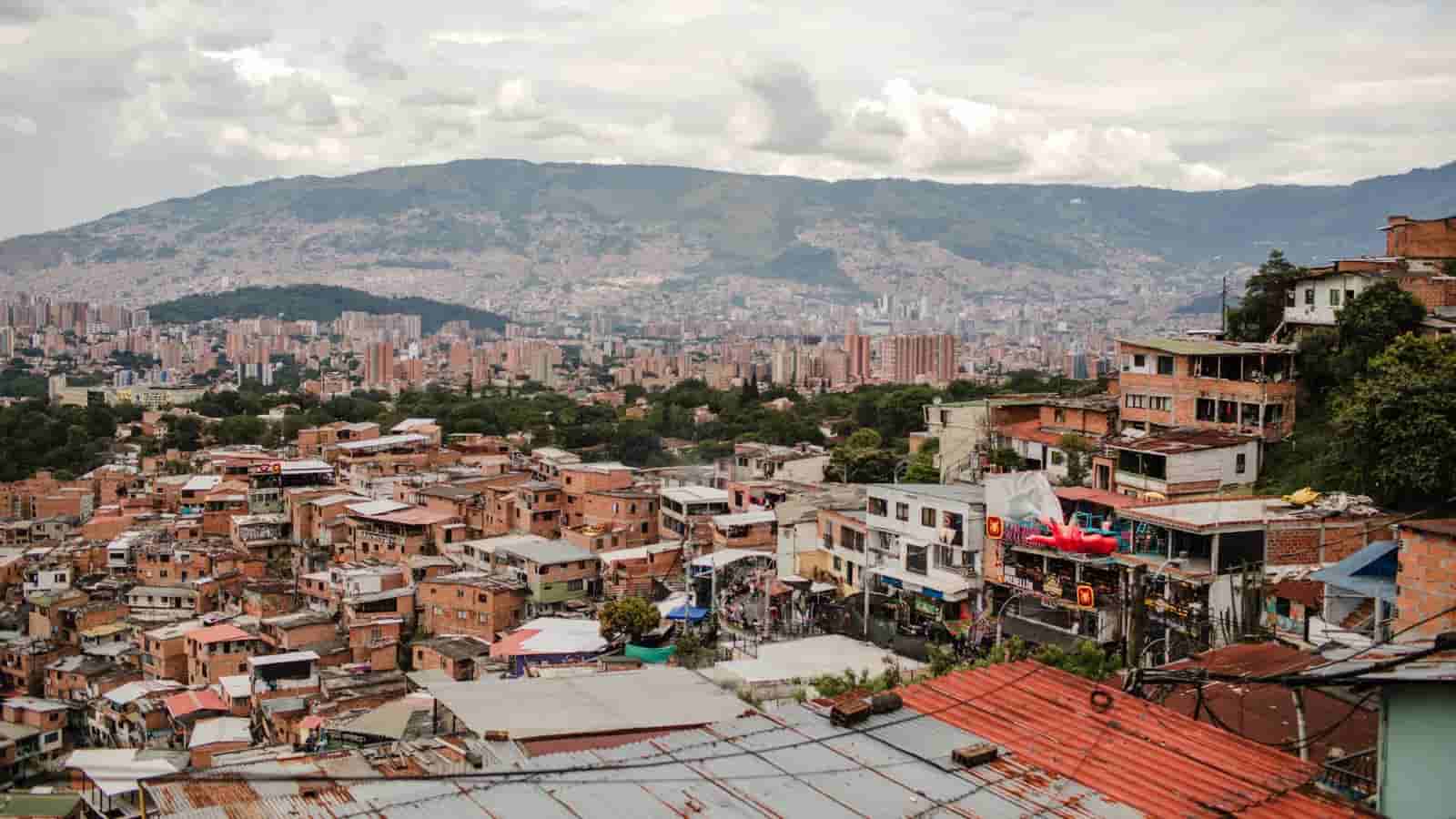
Medellín's architecture tells its story in layers. Downtown, churches and buildings from another era survive, such as the Metropolitan Cathedral, built in brick, and the Rafael Uribe Palace of Culture with its Gothic-flavoured facade. More recent is the public architecture that accompanied the city's transformation: the library parks in hillside neighbourhoods, such as Santo Domingo Savio's, Parque de las Luces with its lit posts, or the Botanical Garden's Orquideorama, a wooden structure shaped like flowers.
The collection adds other styles and places: the Museo El Castillo in El Poblado, a mansion inspired by European castles; the old Yarumito railway station in Itagüí; and the churches on the main squares of Envigado, Sabaneta, Girardota or Copacabana, which show how each town built its centre around its church.
Almost everything is free or low cost. For photos, morning light and late-afternoon light are the most flattering, and afternoons often turn cloudy. In churches, go outside mass times if you want to look around calmly, and follow the guidance on photography. The library parks pair very well with a Metrocable ride, which also gives you another view of the city.