Downtown Medellín on Foot
What fits into one morning walking downtown Medellín.
- 14 places
- 6 zones
- 4 categories
- average
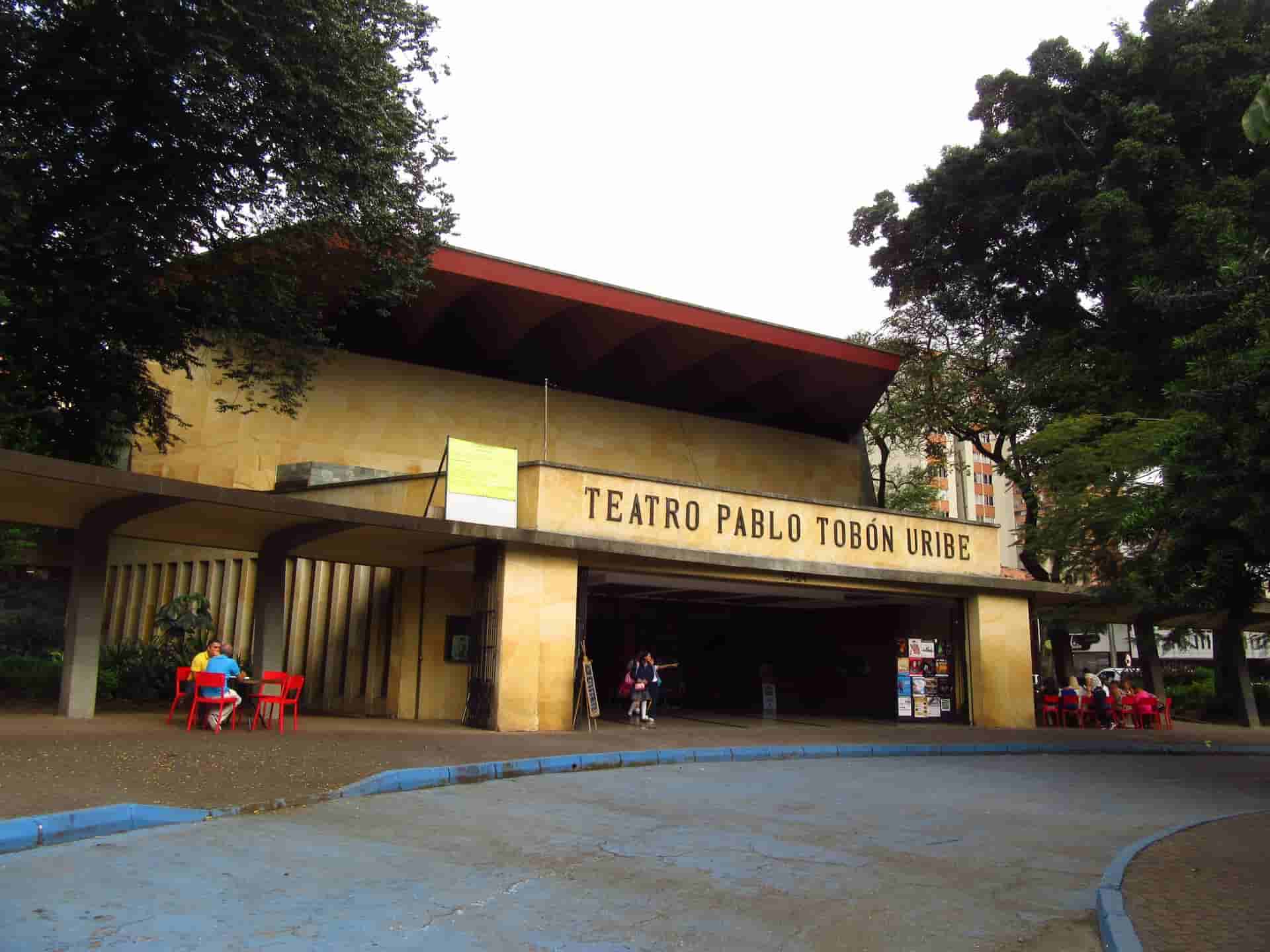
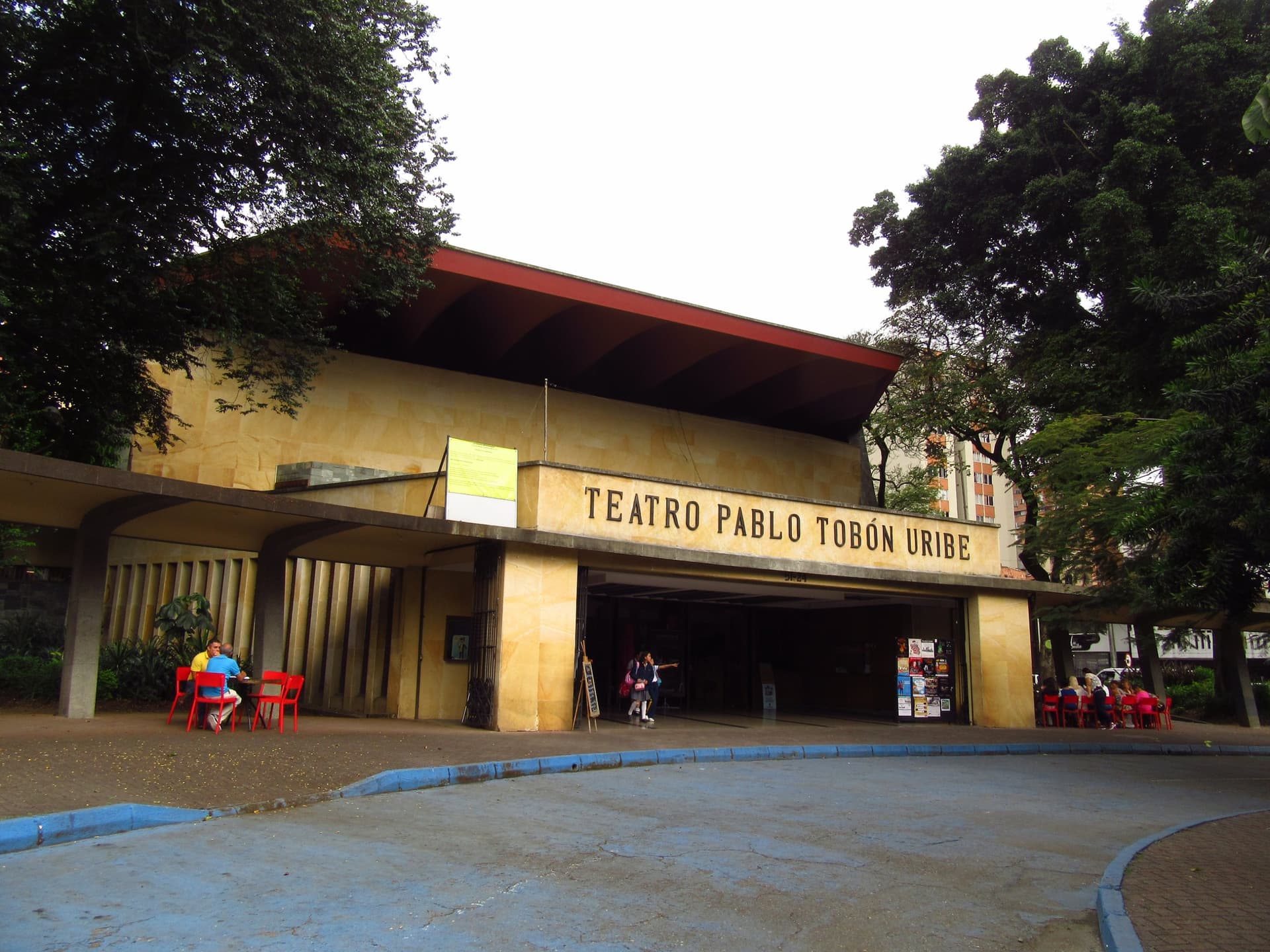
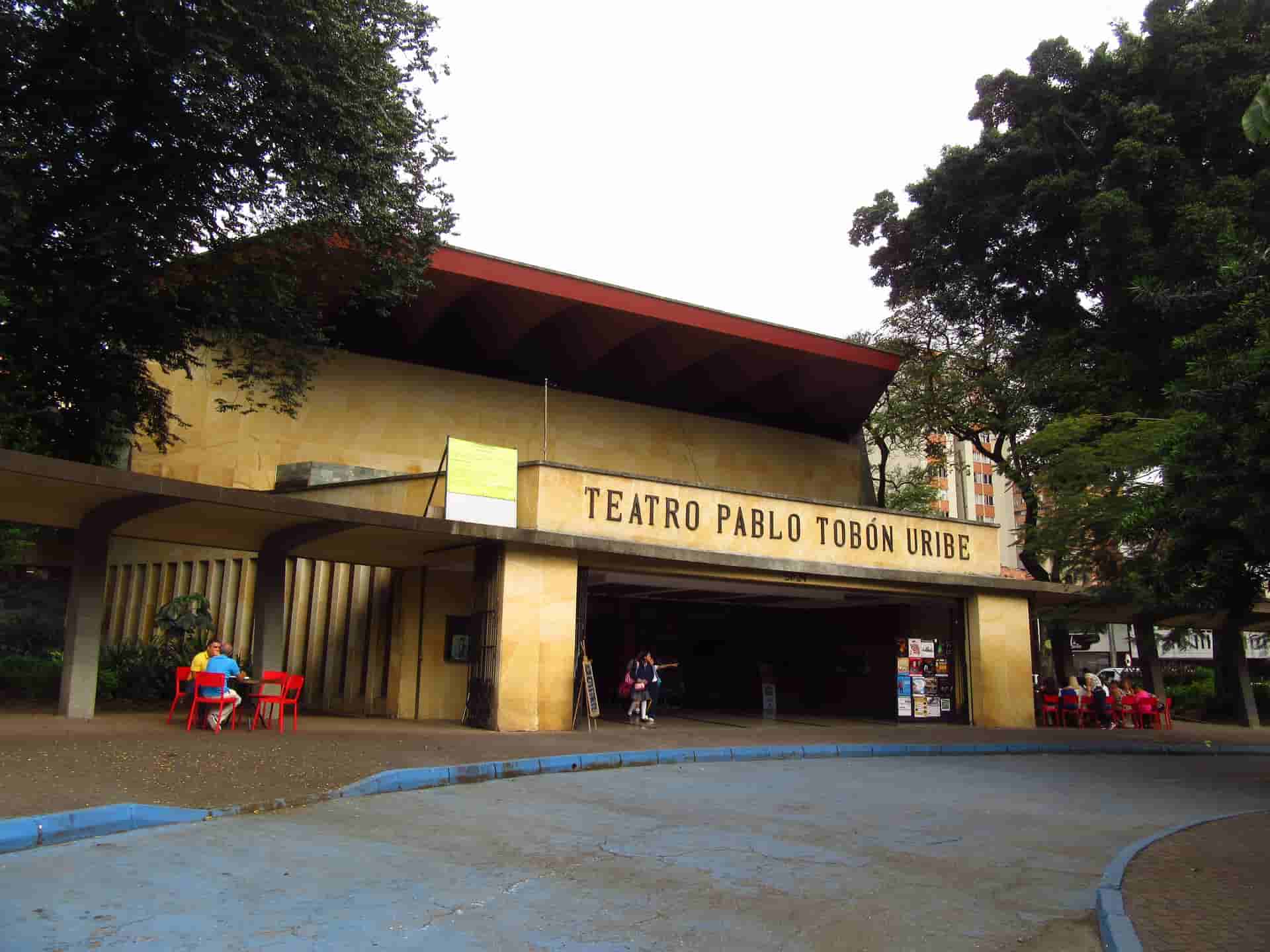
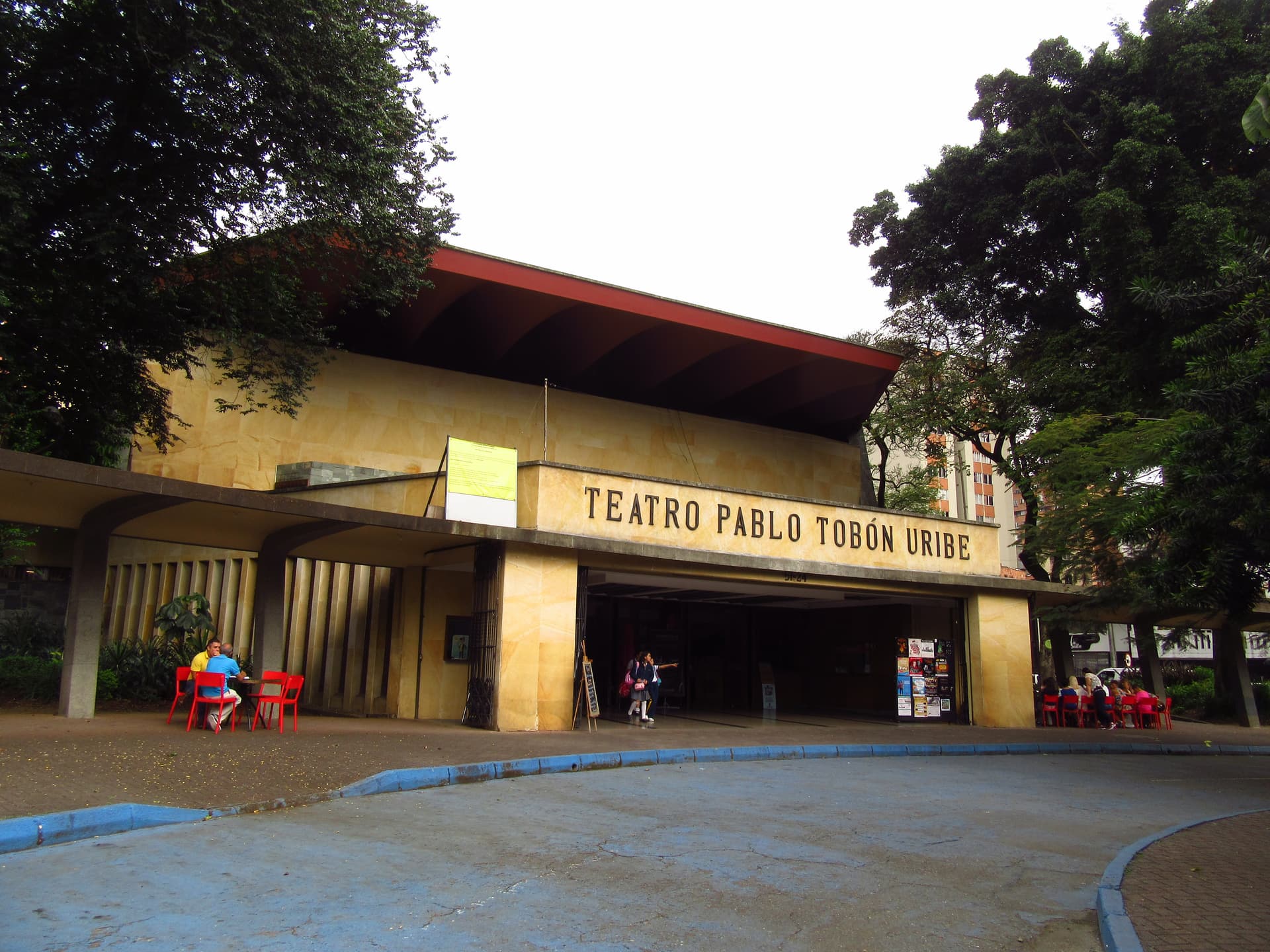
- Teatro Pablo Tobón UribeLa CandelariaThe Pablo Tobón Uribe opened in 1967 thanks to the bequest of the businessman it is named after, and has since been one of Medellín's reference venues.
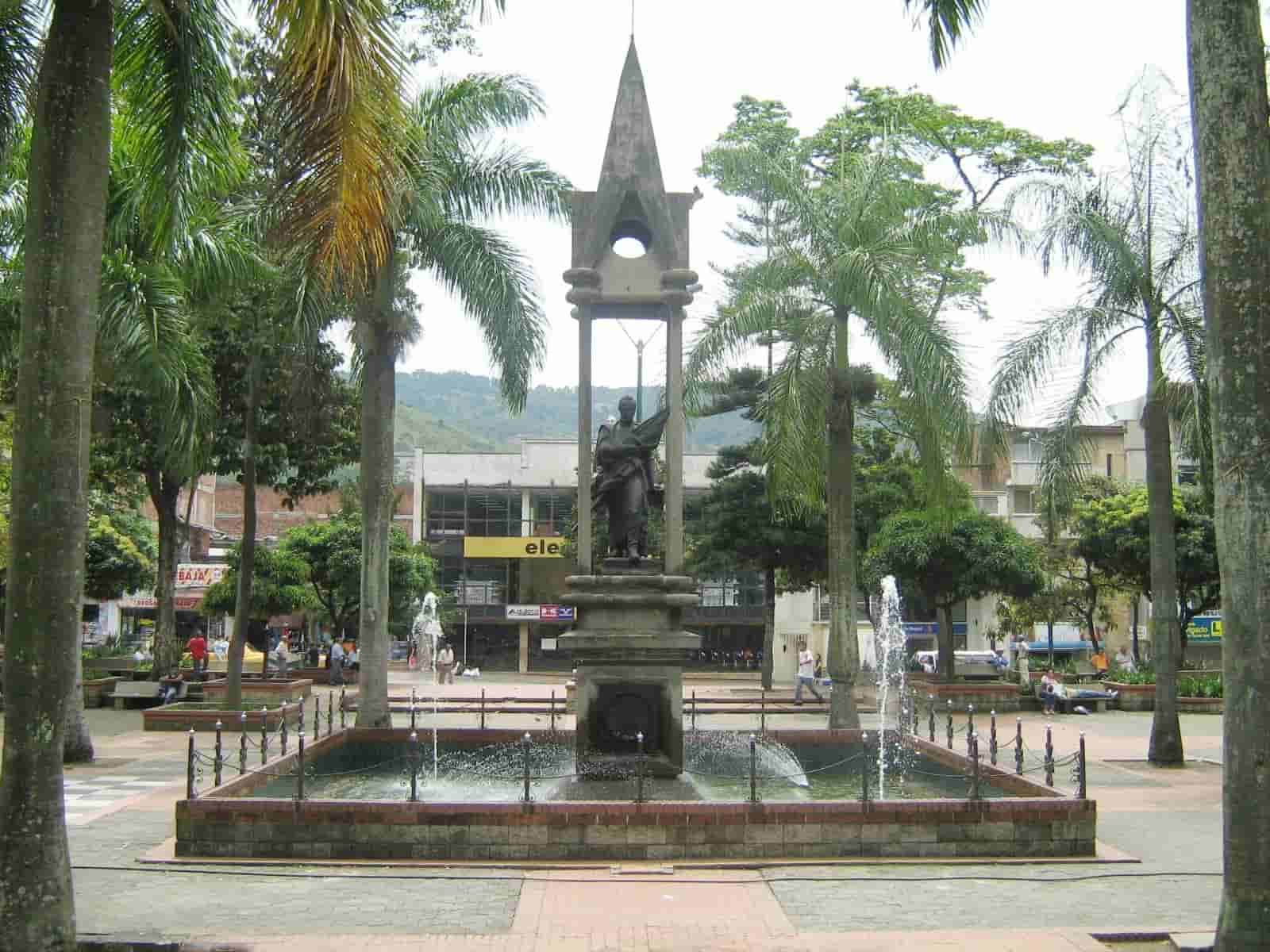
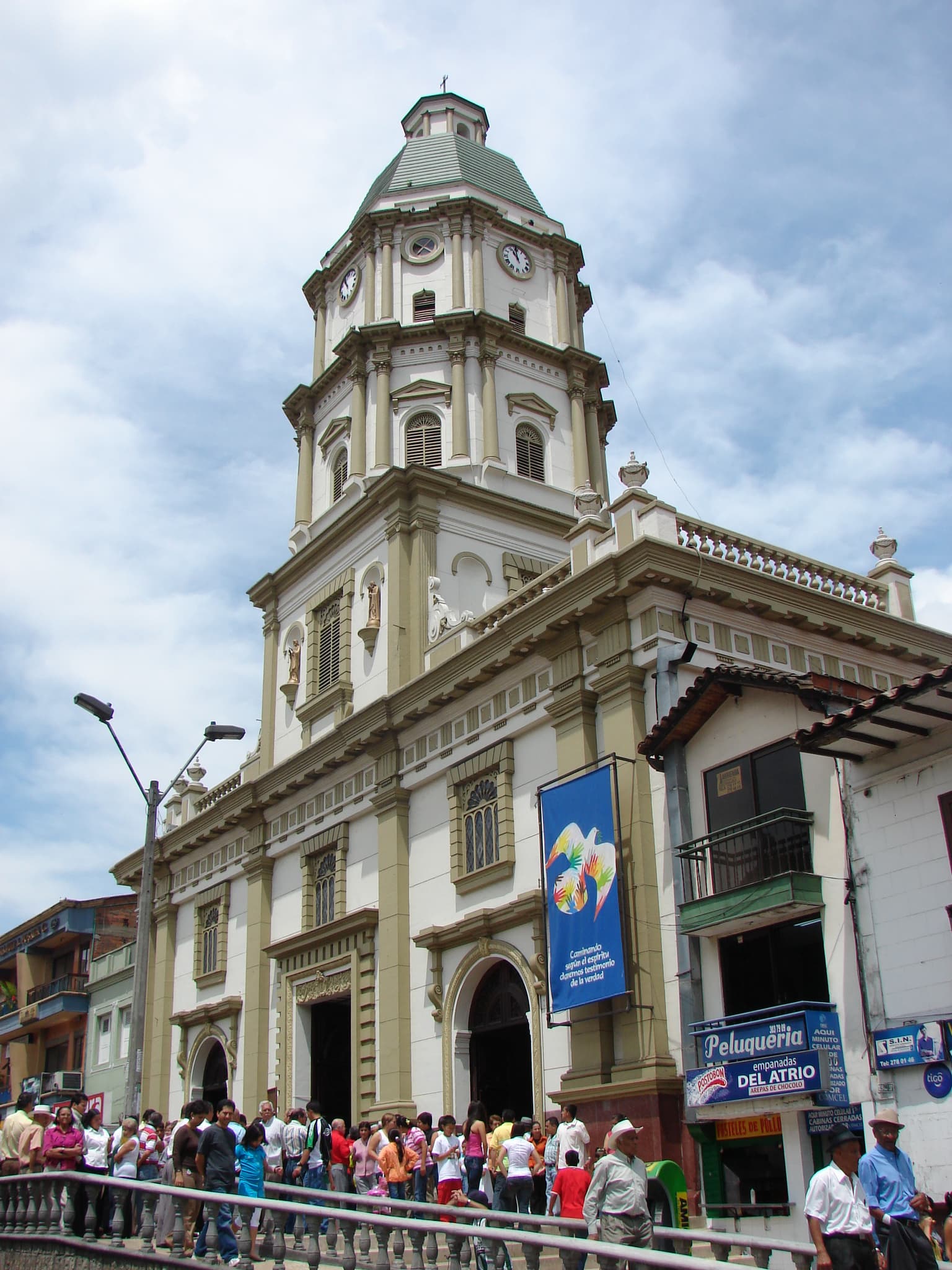 Top ratedCatedral Nuestra Señora de las MercedesCaldasThe heart of the town: an eclectic-style cathedral with a crypt, facing Parque Santander with its bandstand and the Fuente de los Amantes.
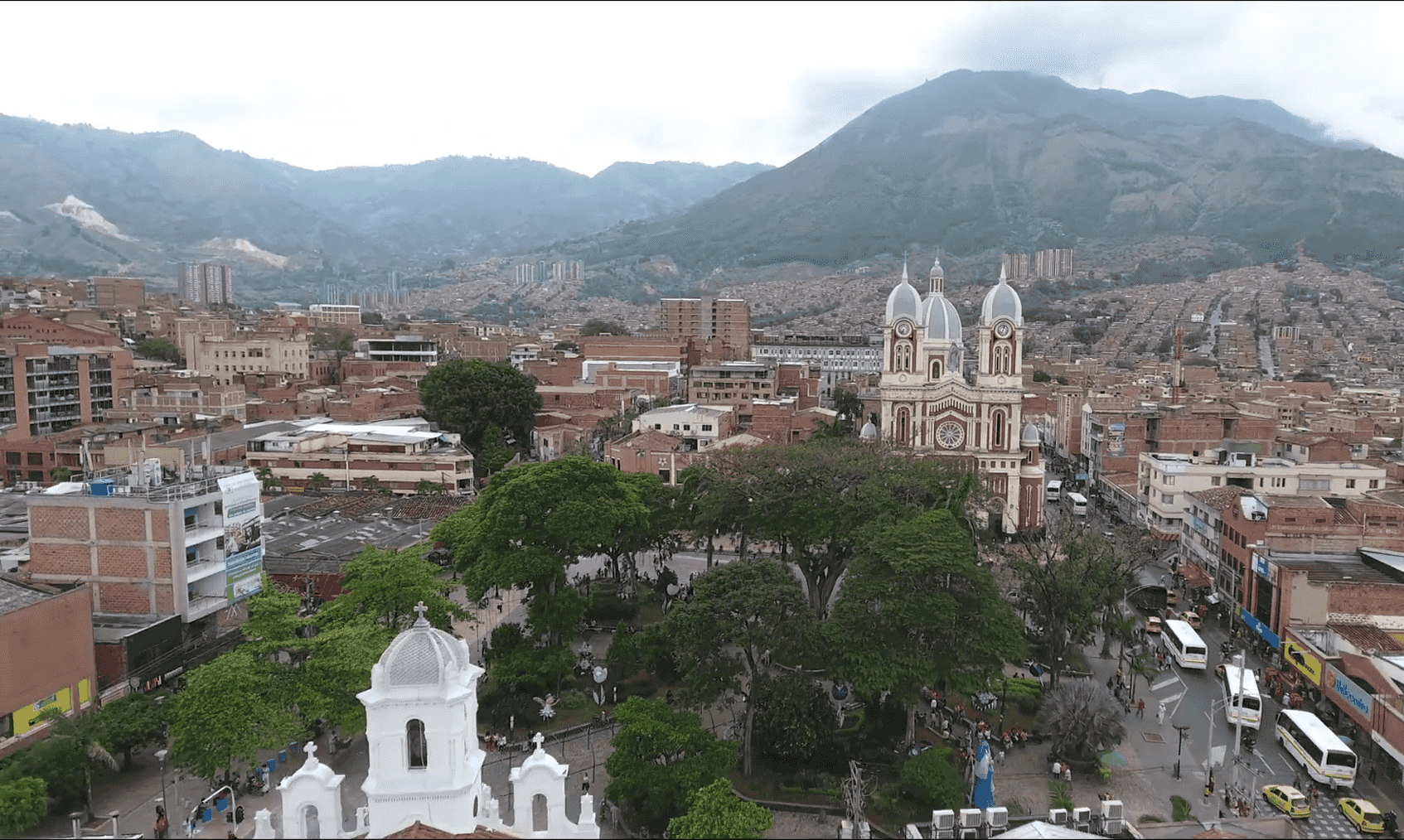
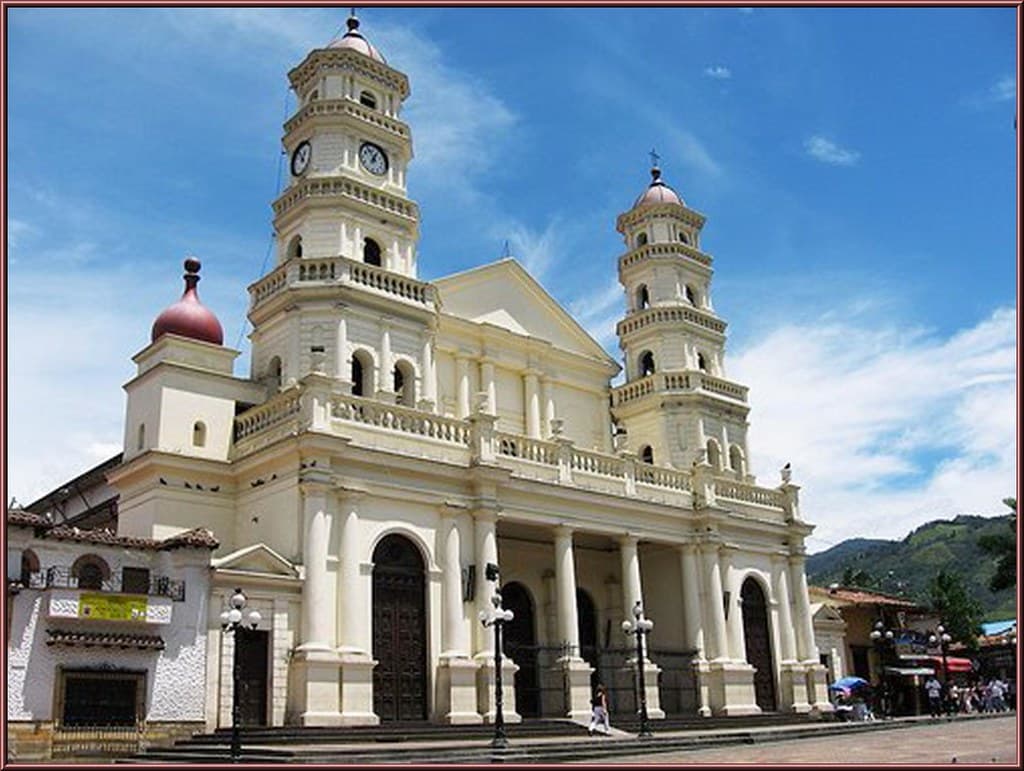 Parroquia Santa Gertrudis, EnvigadoEnvigadoSanta Gertrudis is not merely Envigado's main church: it is the reason Envigado exists as a town. The urban settlement appears after 1776, following the creation of the parish of Santa Gertrudis la Magna, a process that ran between 1773 and 1776 and fixed where the square would be and around what the town would grow.
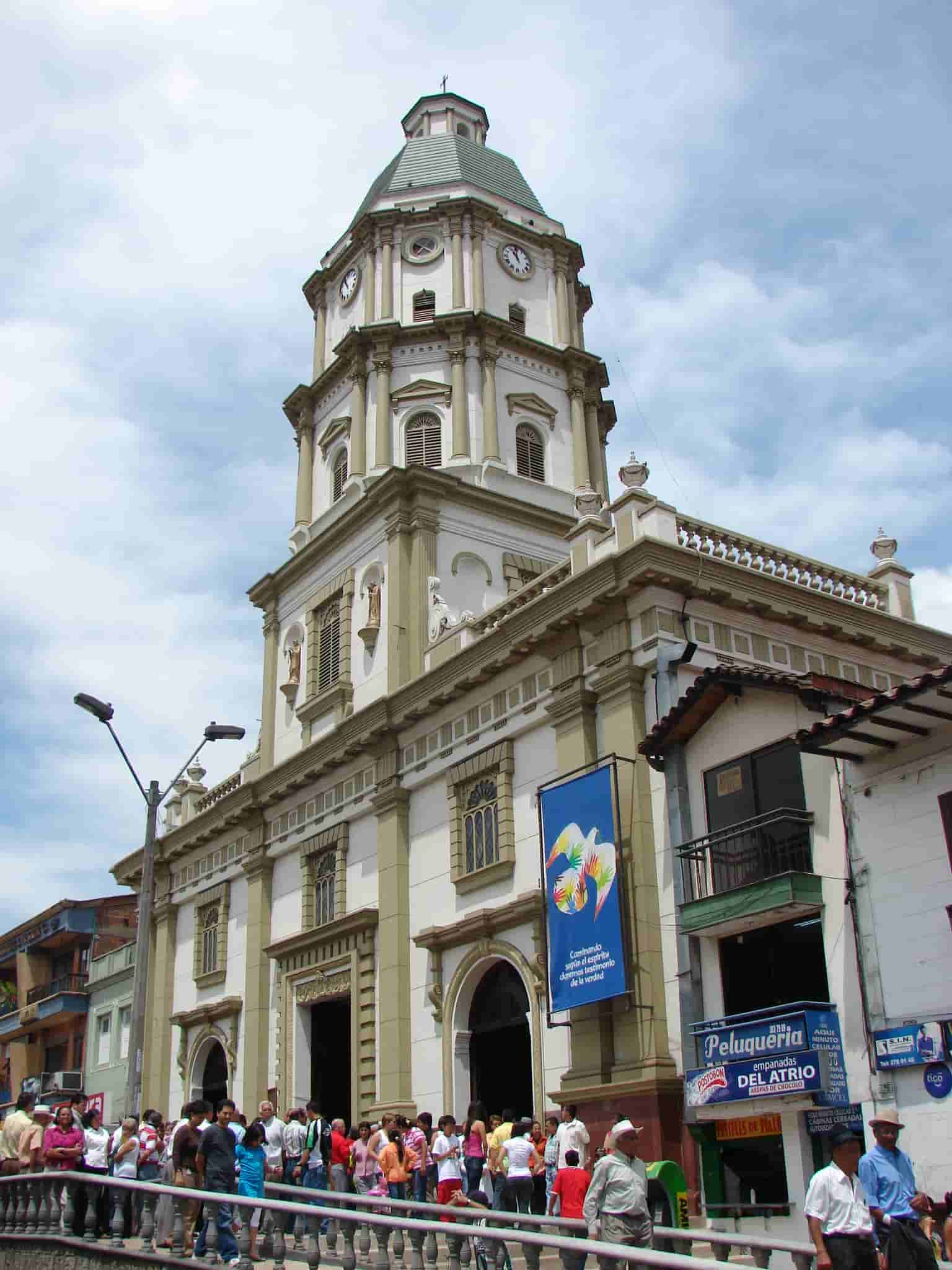
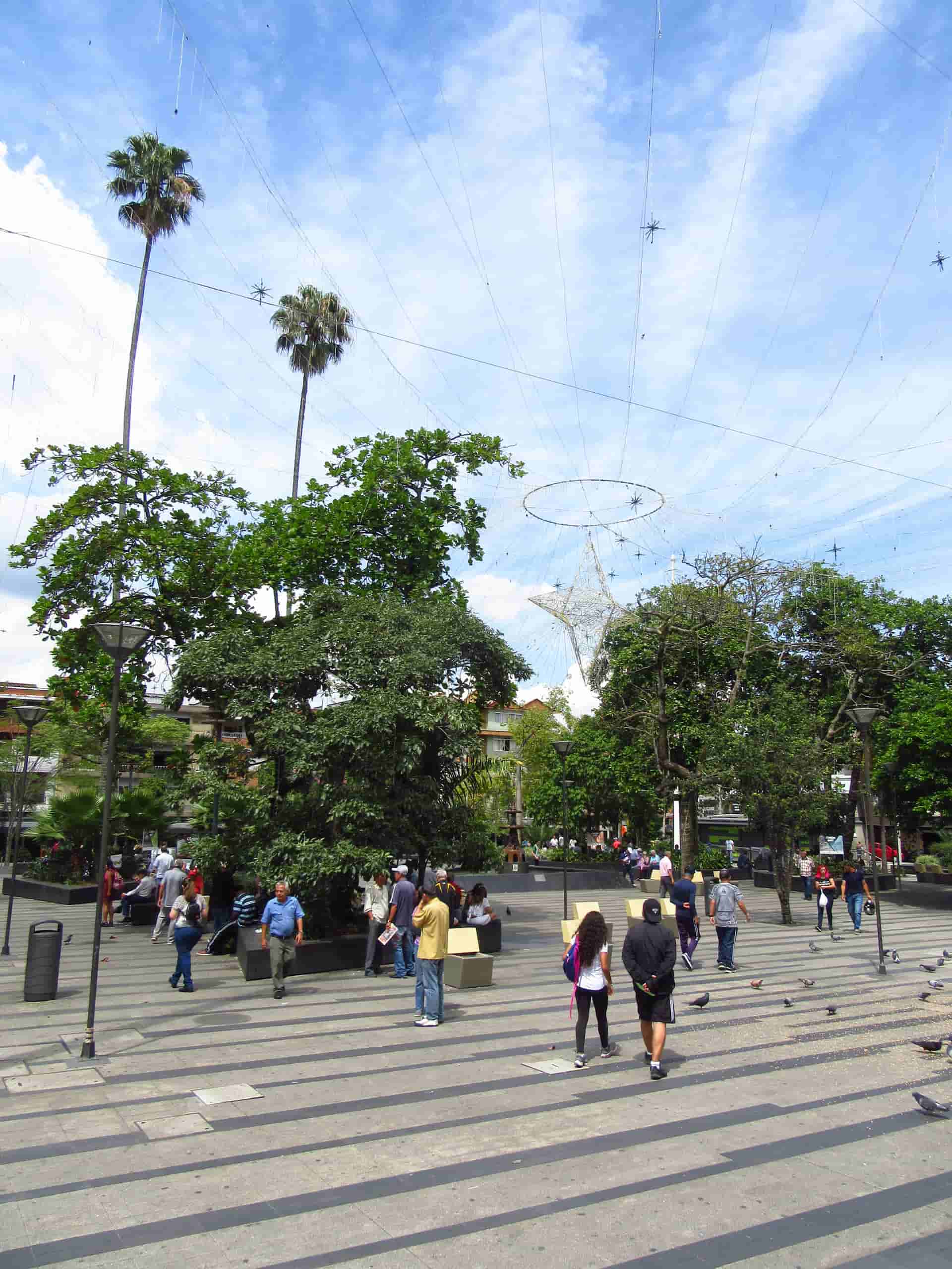
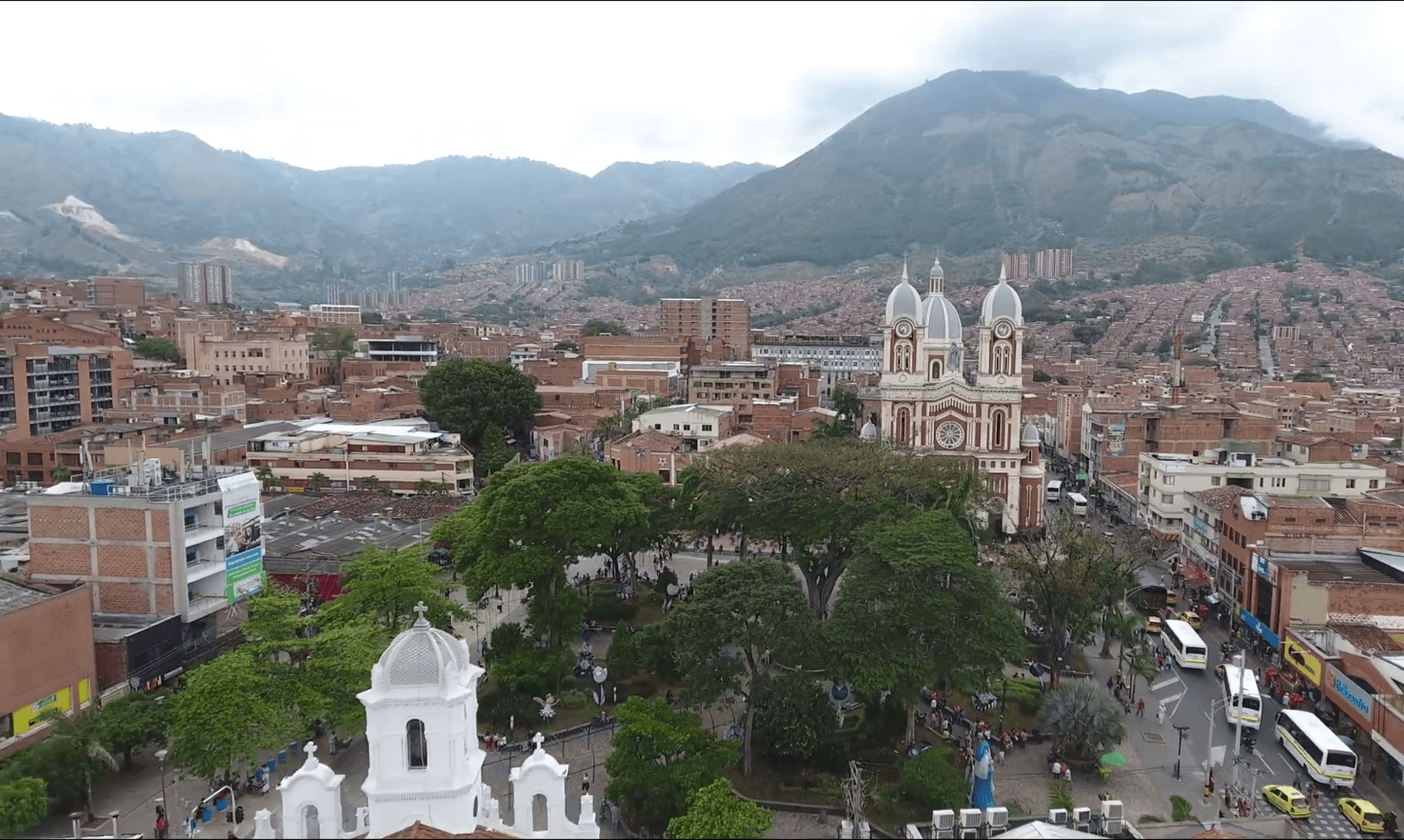 Parque Principal de BelloBelloThe Parque Principal is the centre of Bello in every sense. It was a market square until 1937, when it became a park, and it keeps the feel of an Antioquian town plaza: cobble and tile paving, concrete benches and big trees.
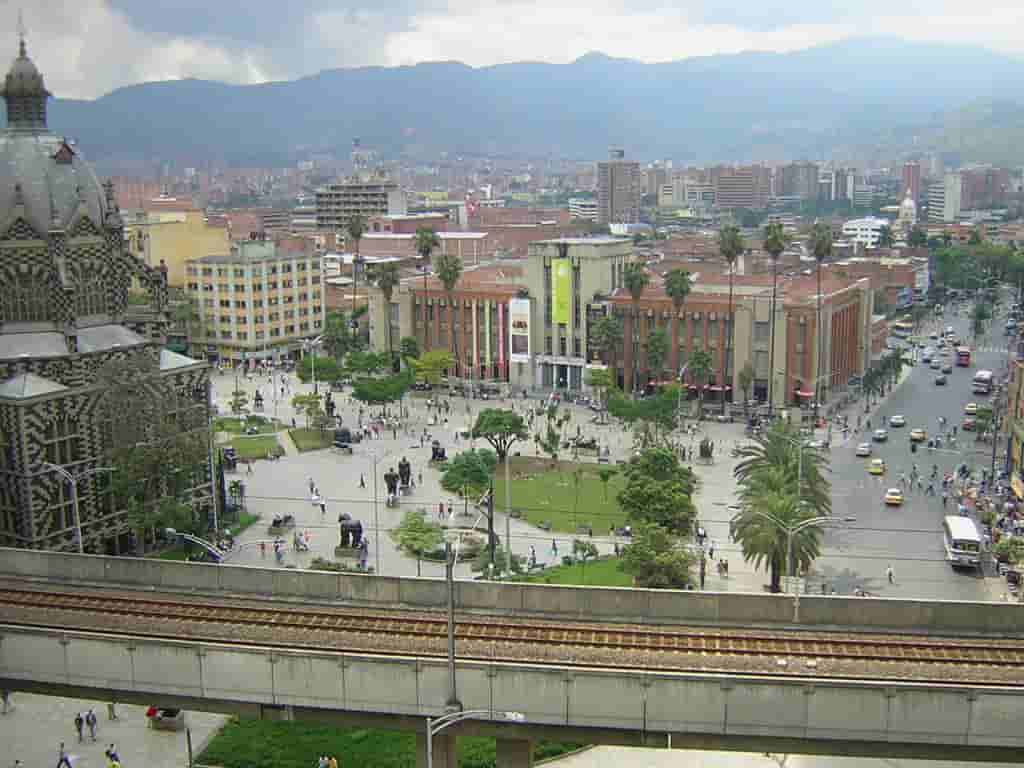
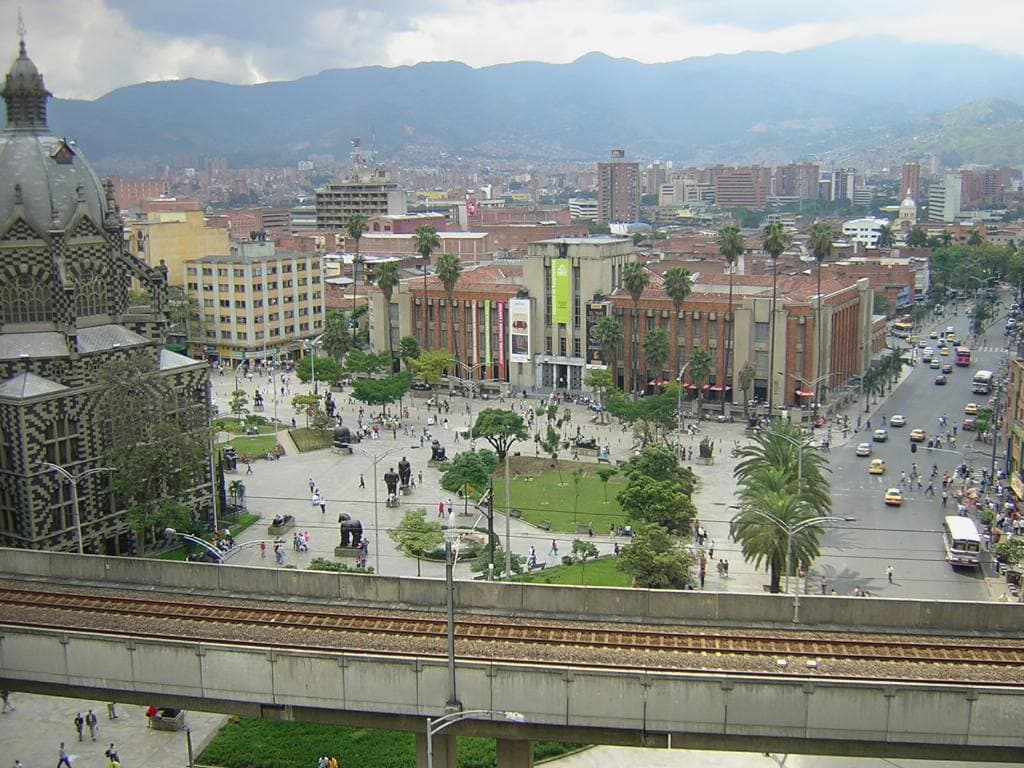 Plaza BoteroLa CandelariaPlaza Botero gathers in the open air the 23 bronze sculptures Fernando Botero donated to his city. There is no other place in the world with so many of his pieces together and out in the weather, and that is exactly the point: you touch them, walk round them and photograph them with no glass in between.
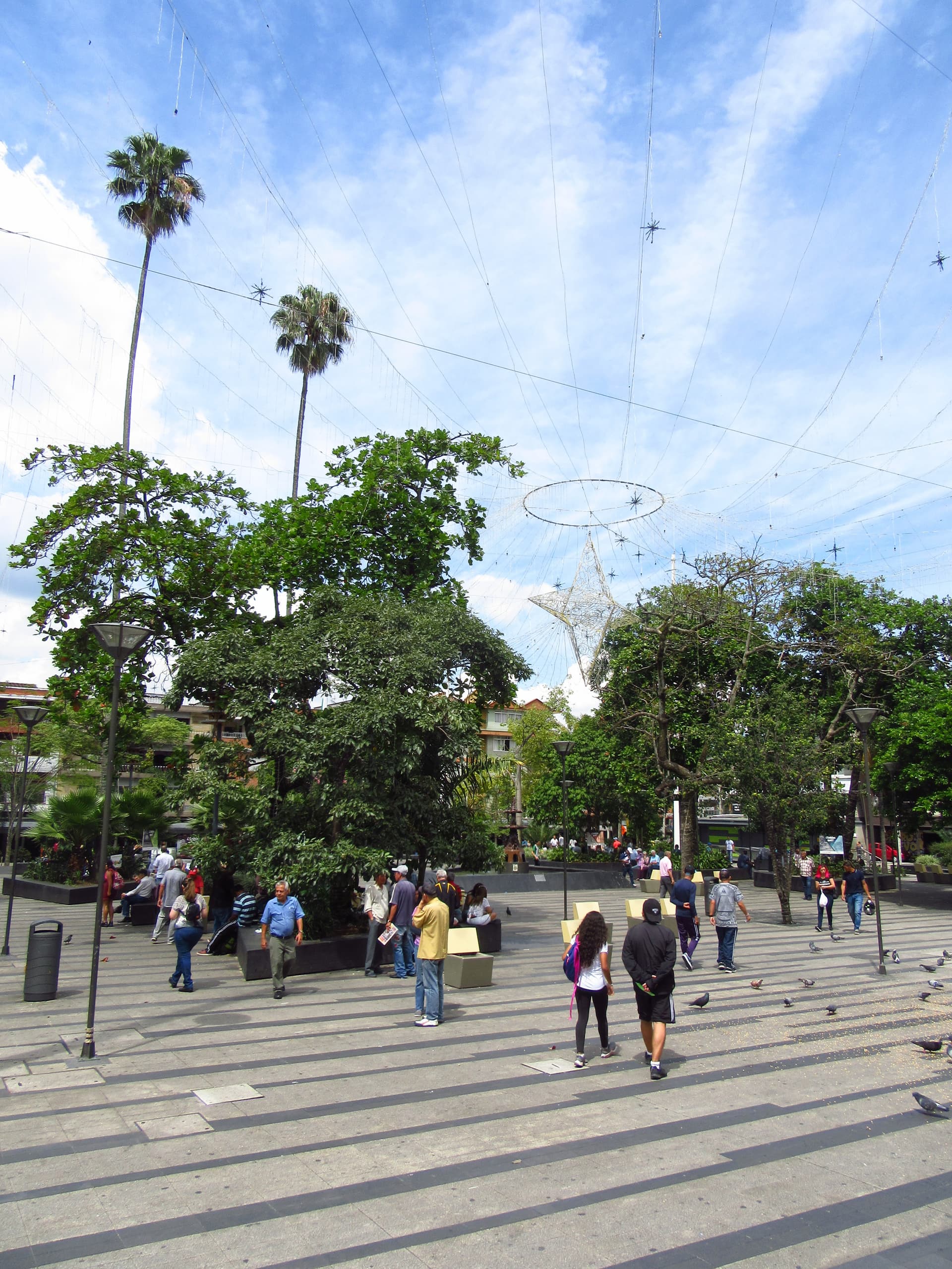 Parque Principal De EnvigadoEnvigadoEnvigado's square was marked out on 11 April 1776, in the act of laying out the new settlement, and is therefore the exact point where the town began.
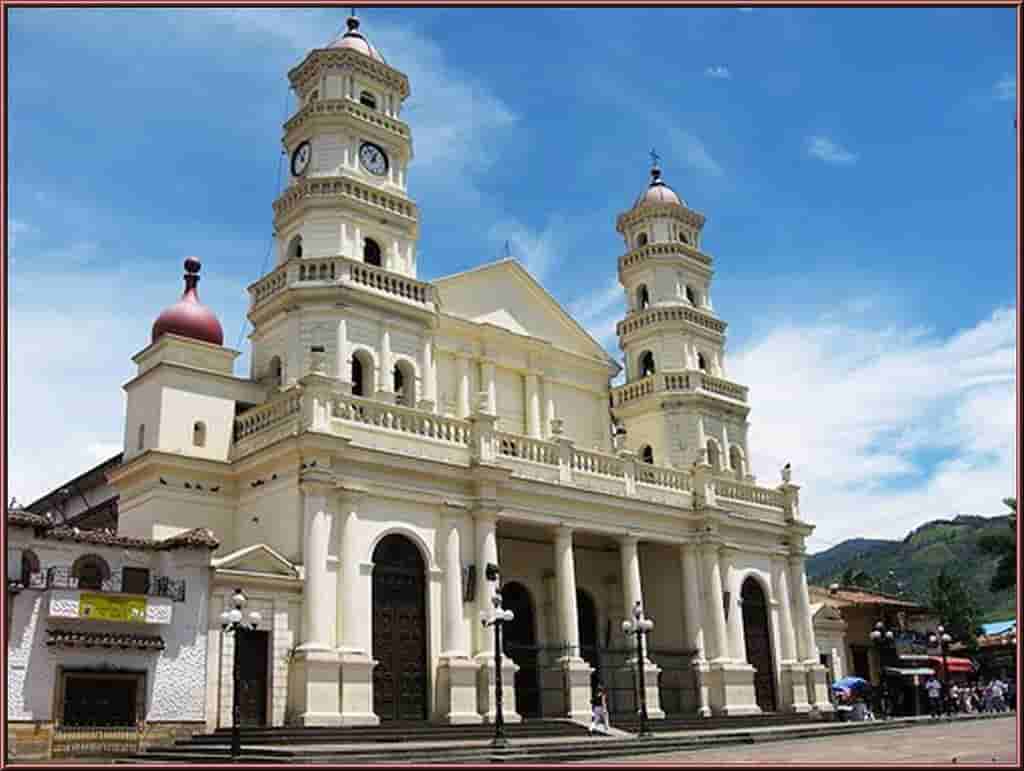
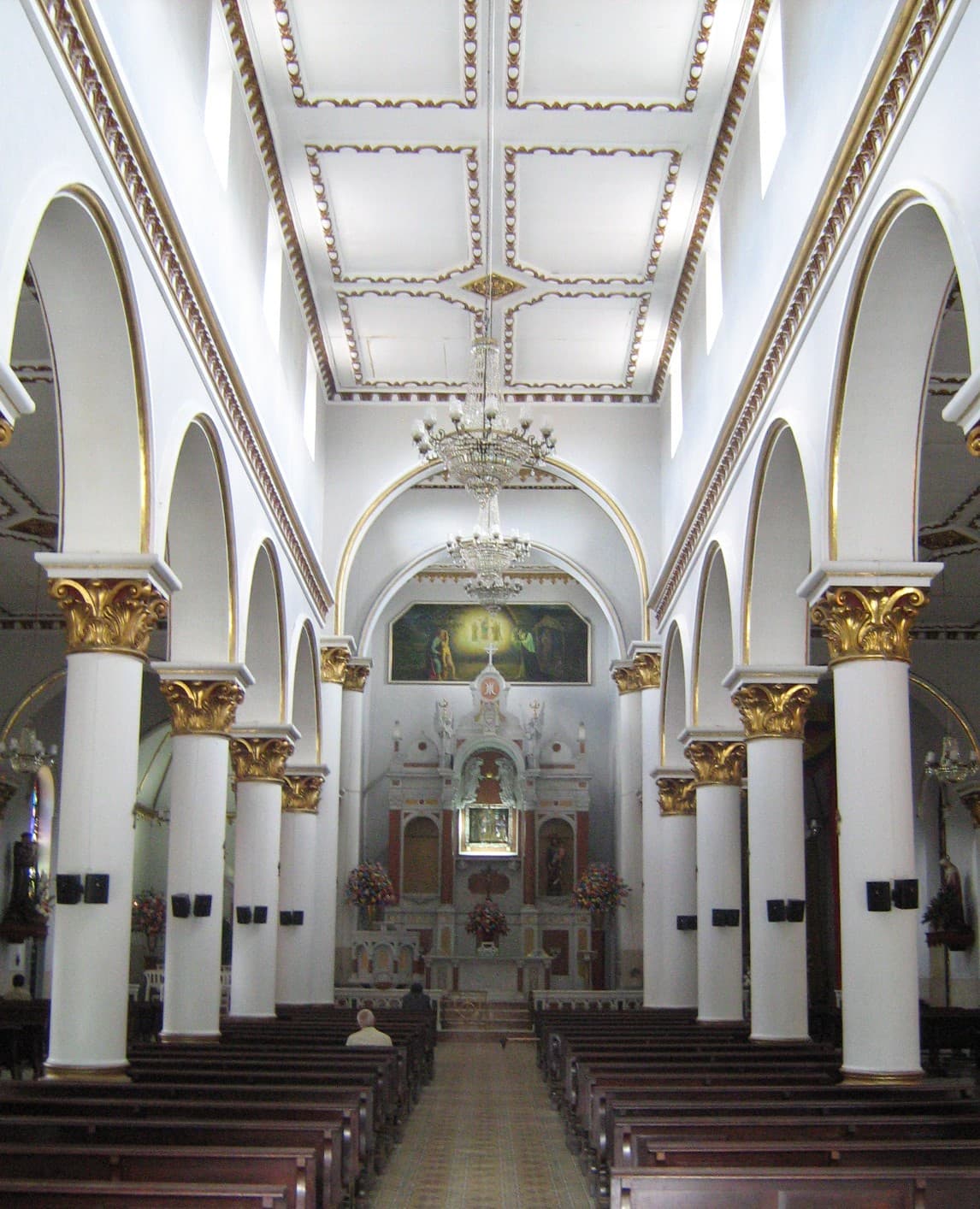 Basílica Menor de Nuestra Señora de Chiquinquirá de La EstrellaNorte del ValleThe basilica of Nuestra Señora del Rosario de Chiquinquirá presides over La Estrella's main square and is the country's second sanctuary devoted to that Marian devotion, after Chiquinquirá itself.
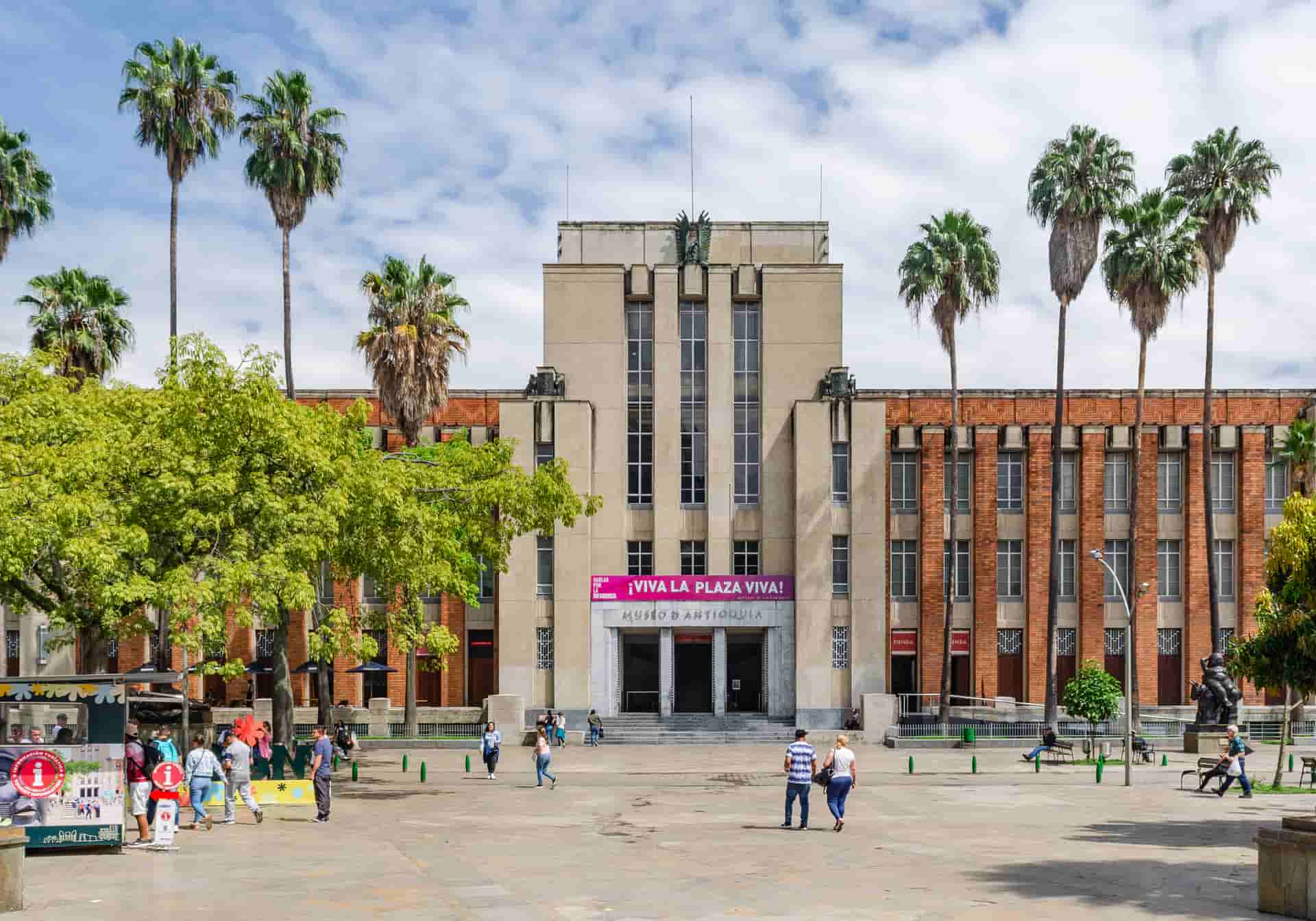
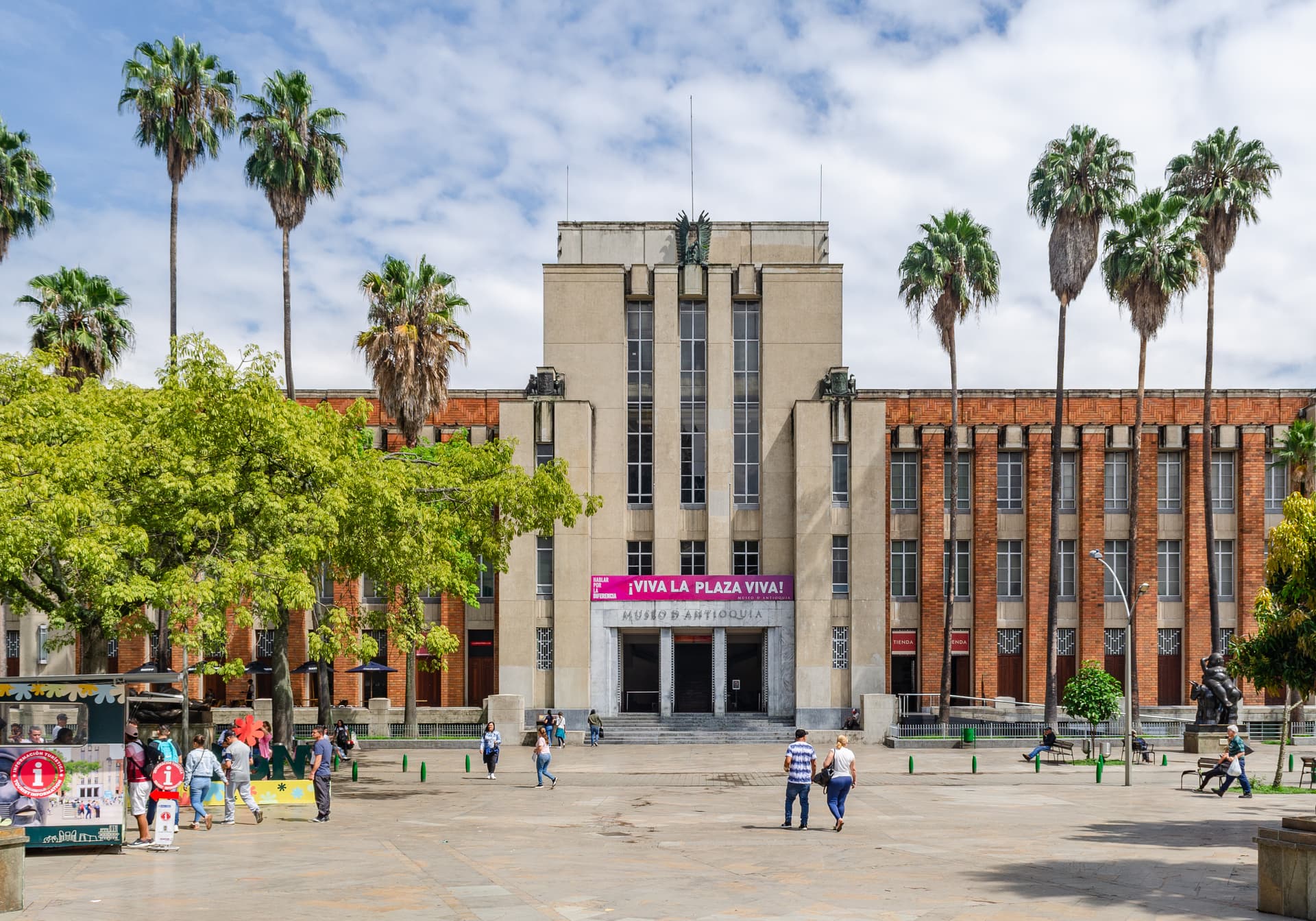 Museo de AntioquiaLa CandelariaThe Museo de Antioquia was born on 29 November 1881 as the Zea Museum and Library, the first in the department and the second in the country. It closed years later, reopened in 1946 through the Sociedad de Mejoras Públicas, and took its present name in 1977, when a donation from Fernando Botero gave it its first room devoted to the artist. Today it occupies the former Municipal Palace, facing Plaza Botero.
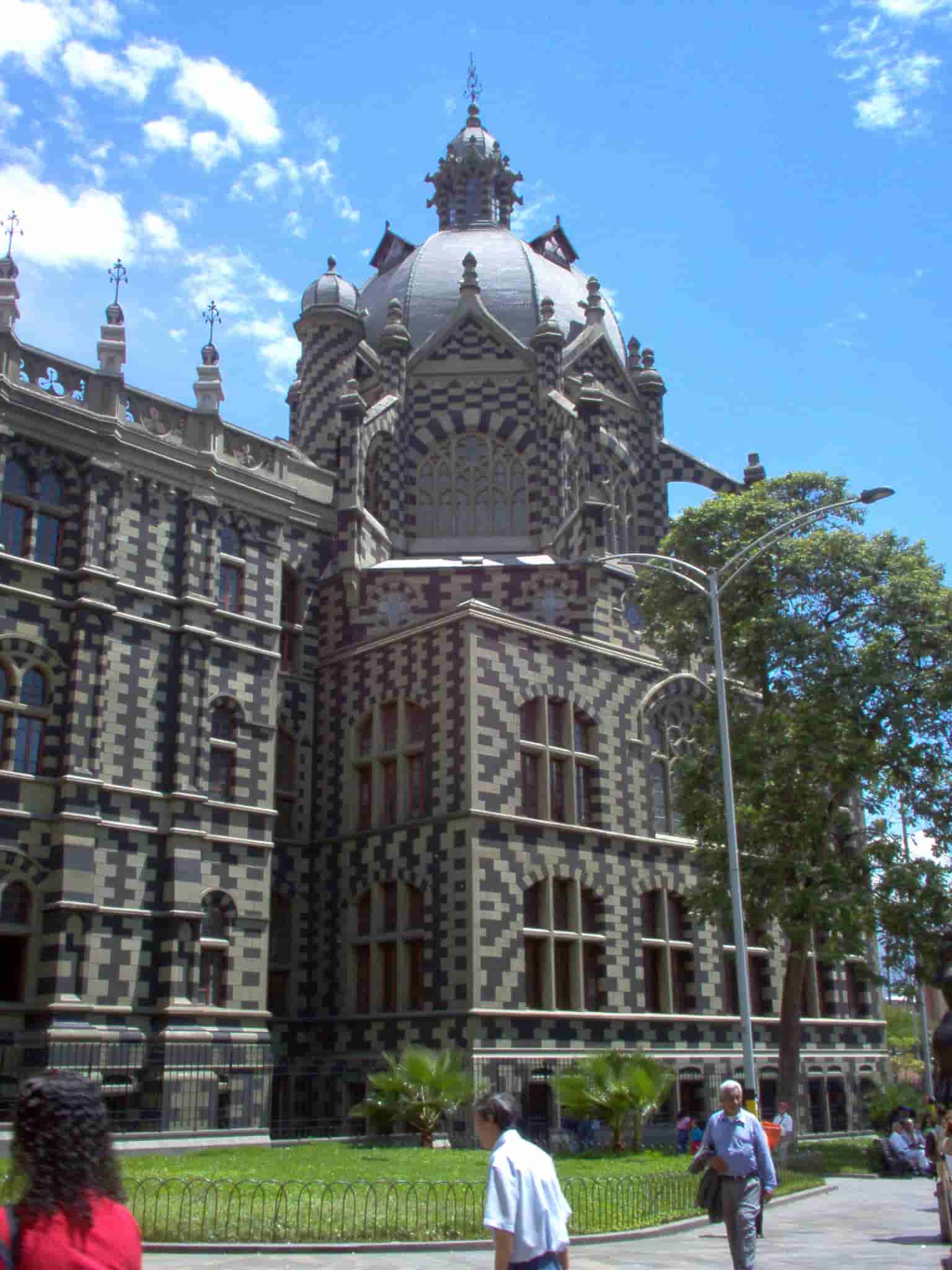
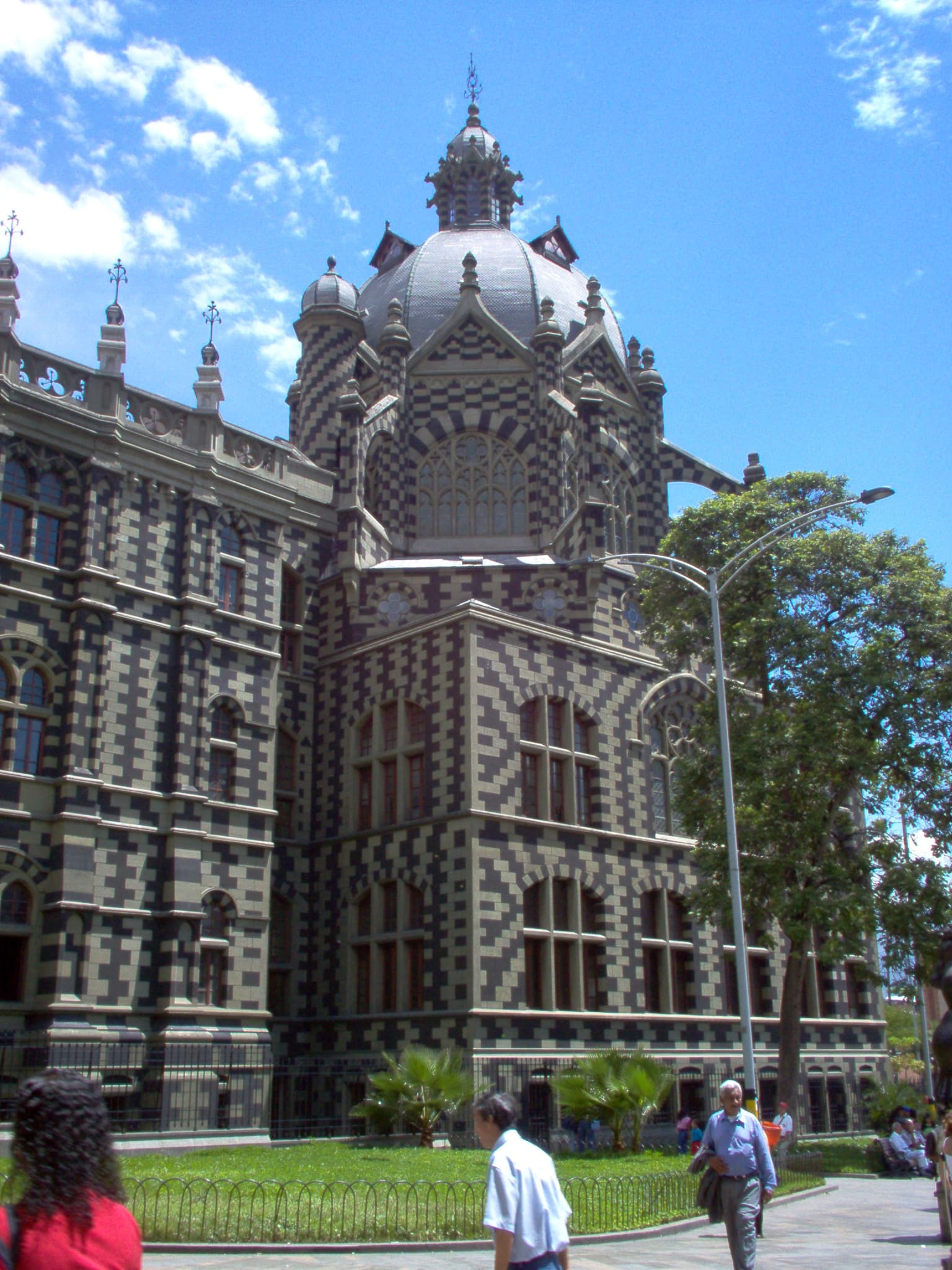 Palacio de la Cultura Rafael UribeLa CandelariaFew buildings identify Medellín as strongly as the Palacio de la Cultura Rafael Uribe Uribe: its black-and-white stripes and castle silhouette turn the corner downtown, beside Plaza Botero.
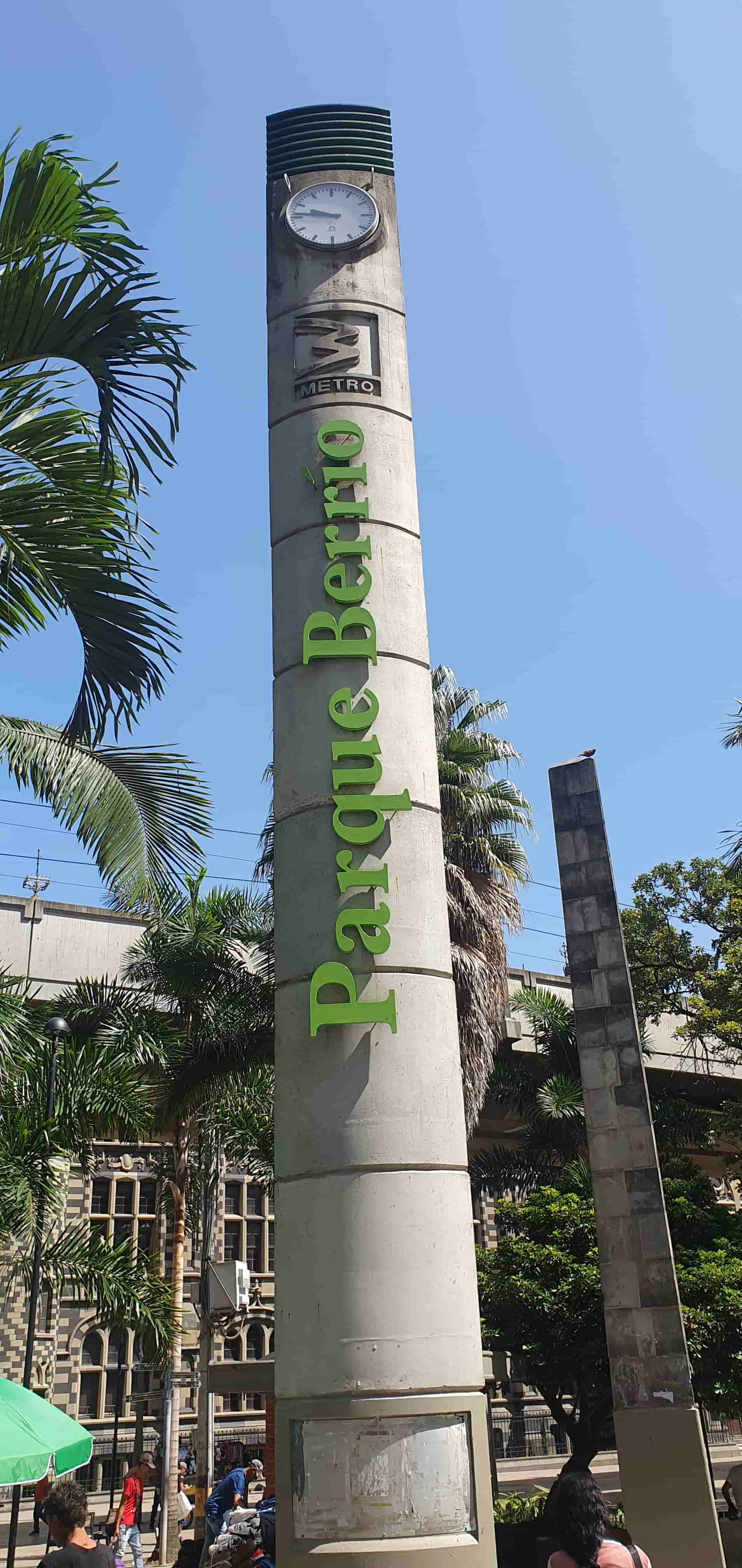
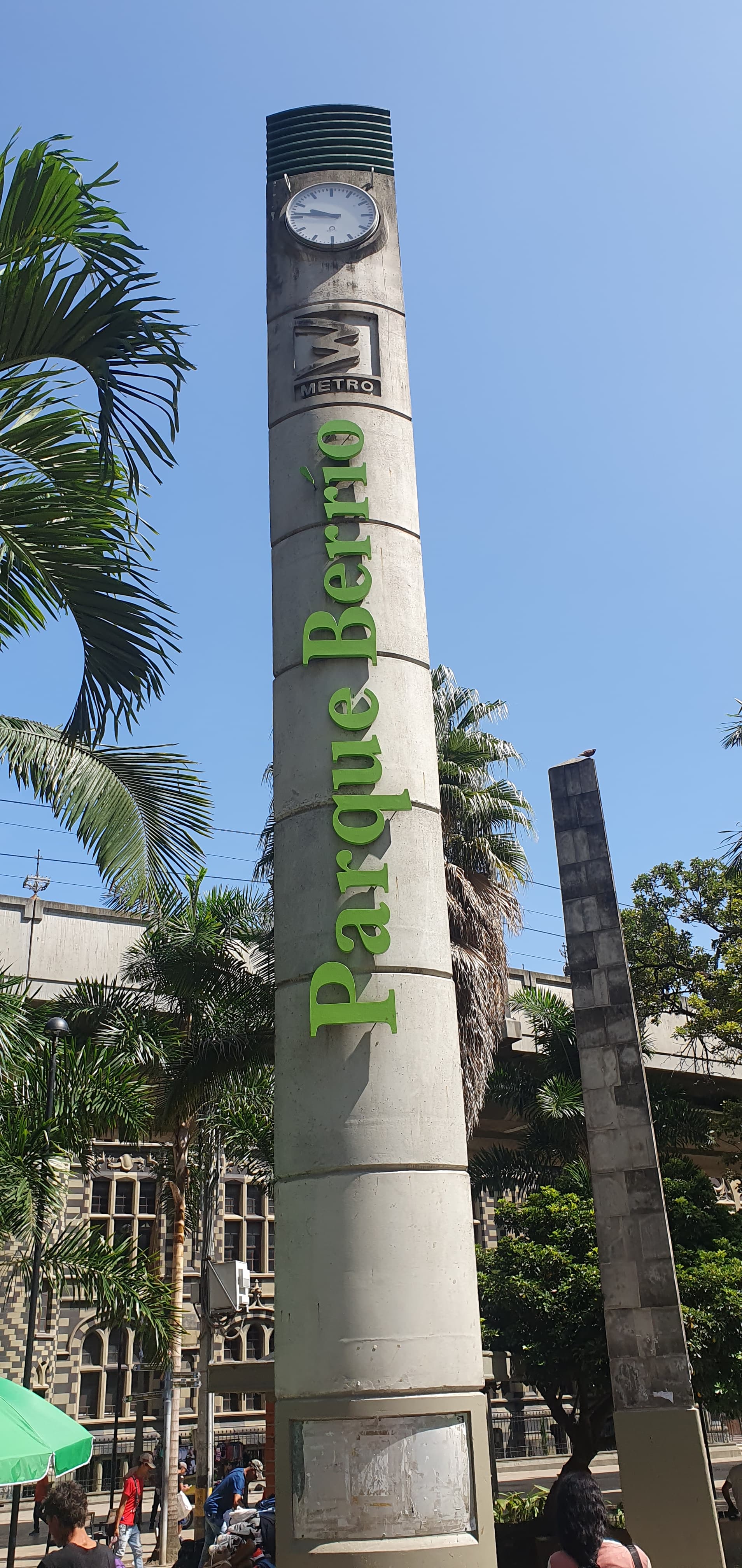 Parque Berrío.La CandelariaParque de Berrío is Medellín's founding centre. The surveyor Agustín Patiño marked it out as the Plaza Mayor on 2 November 1675, and the city grew from there. Between 1784 and 1892 it served as the public market, and it was also the setting for executions and for the great public and political acts of the nineteenth century.
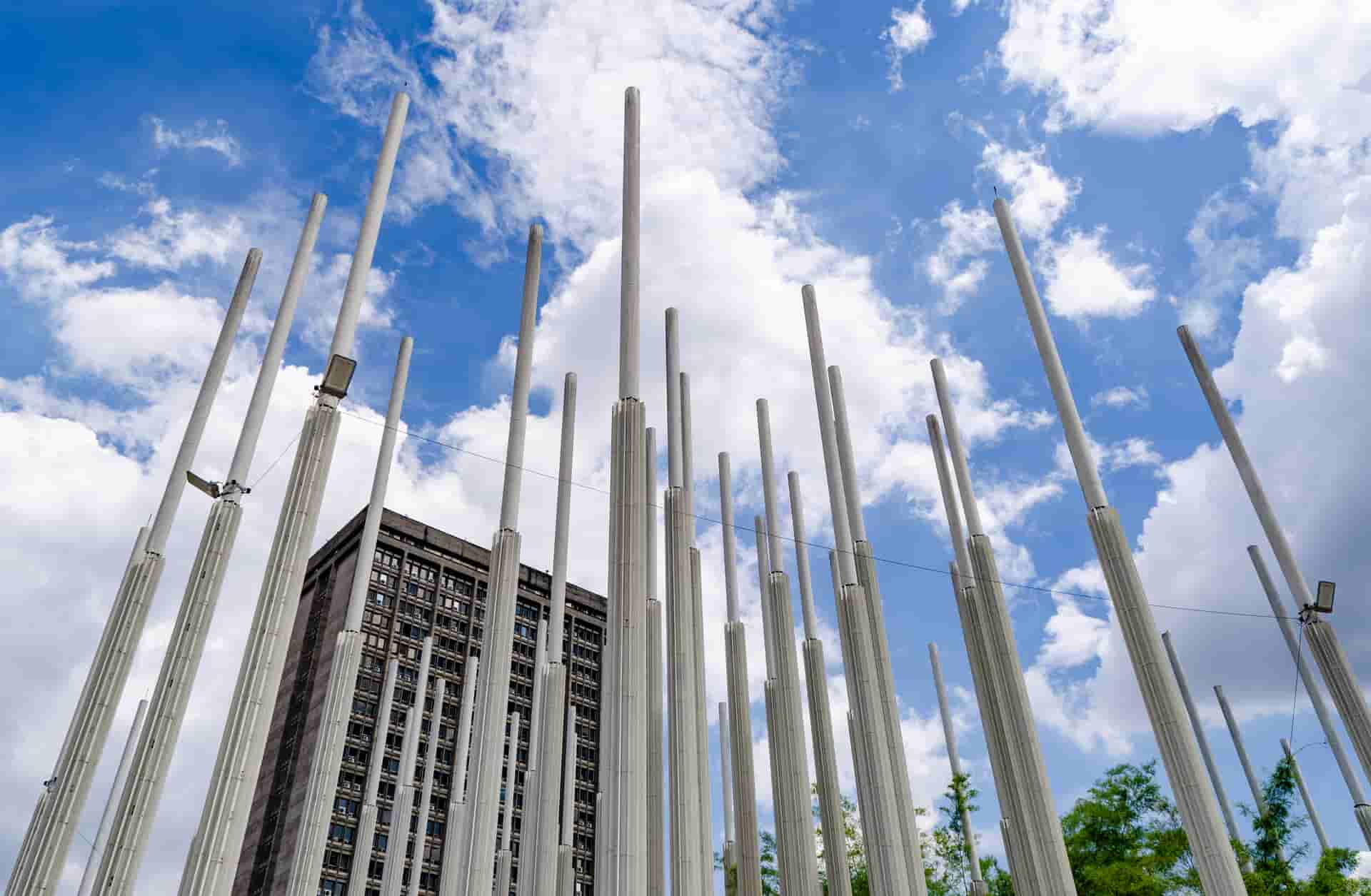
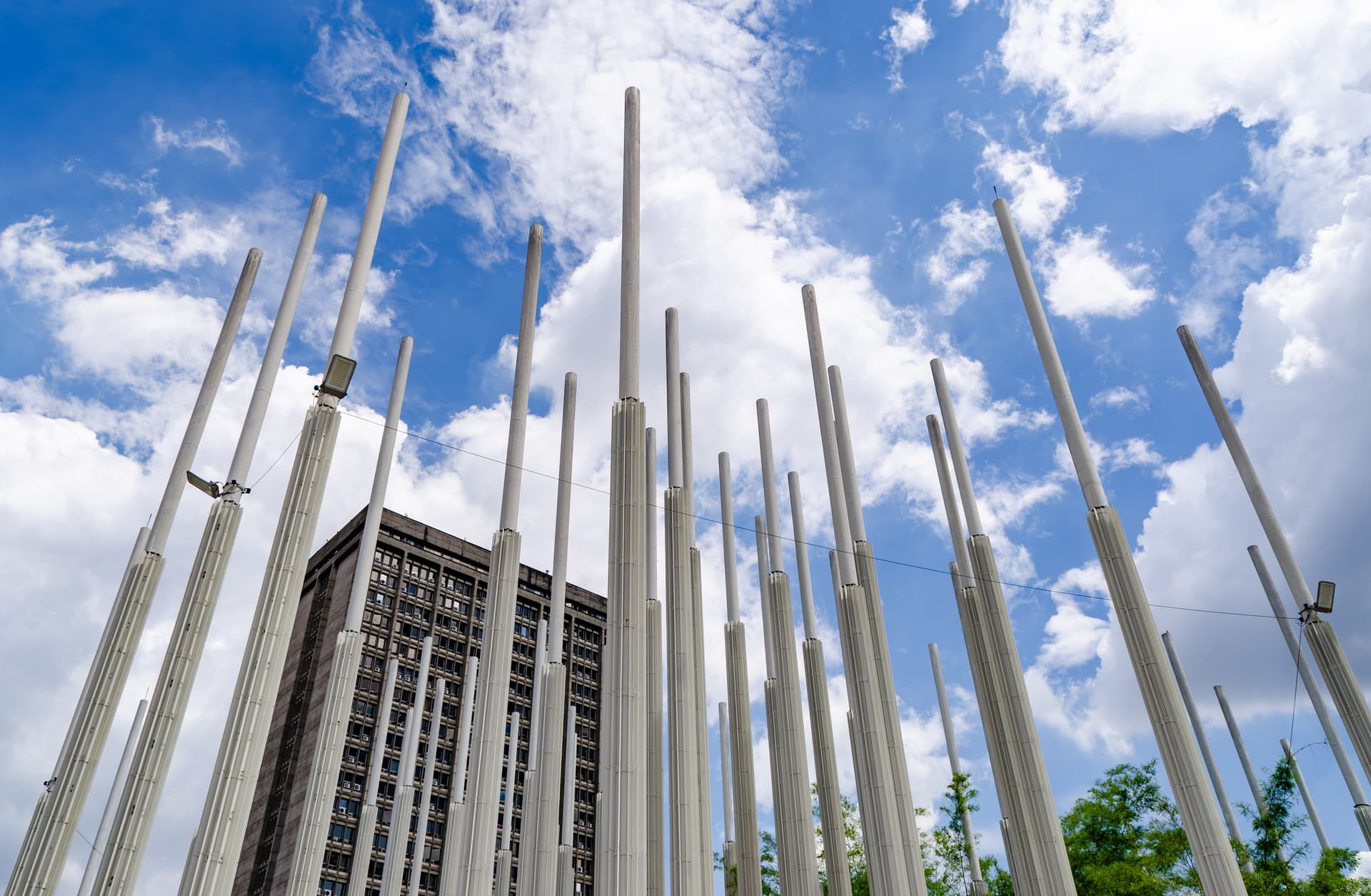 Parque de las LucesLa CandelariaParque de las Luces occupies Plaza Cisneros, right downtown, facing the La Alpujarra administrative centre. It is made of three hundred concrete and metal posts up to twenty-four metres tall, arranged as an artificial forest that gives shade by day and lights up at nightfall with more than two thousand floodlights and well over a hundred floor lamps.
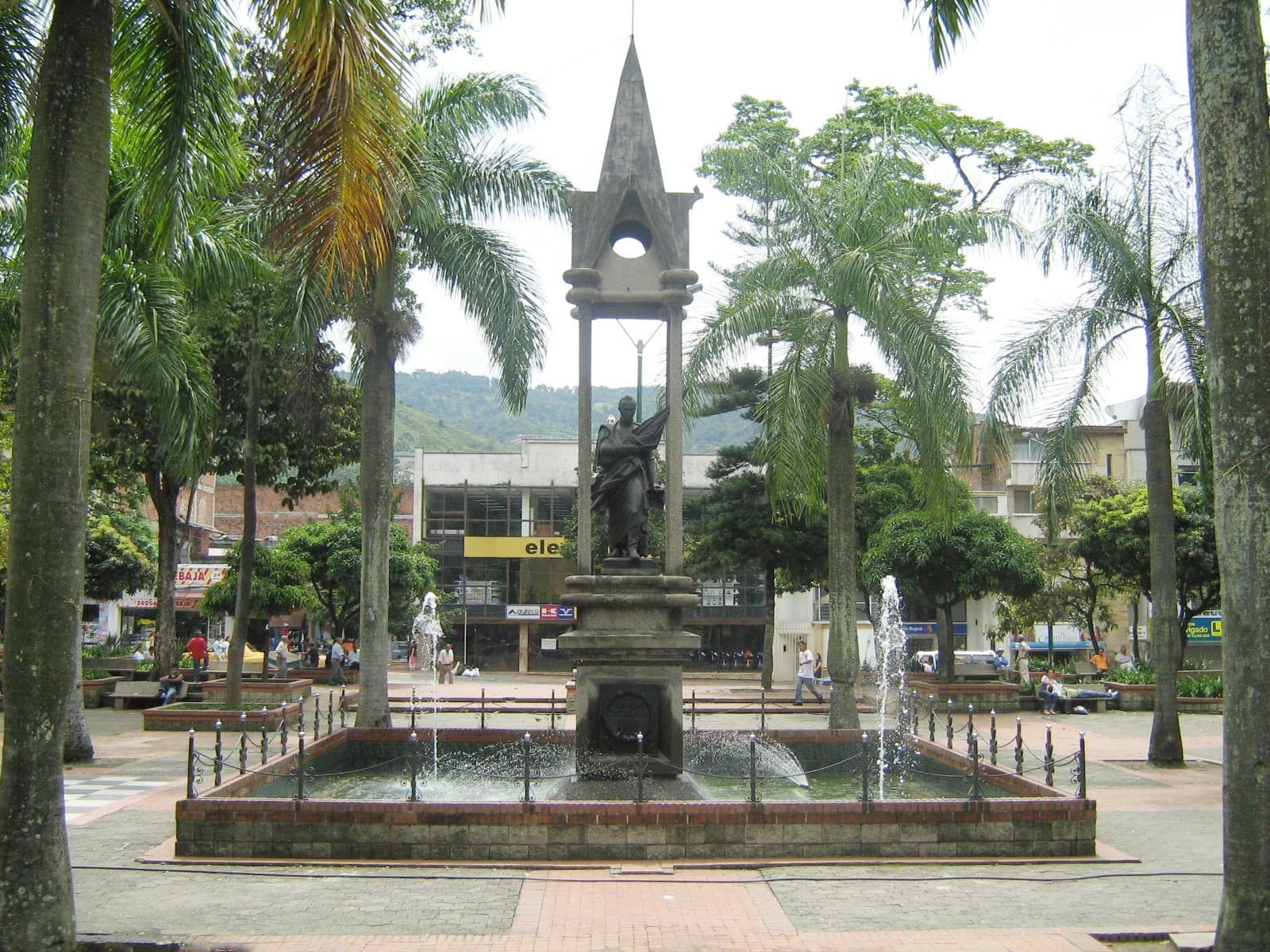 Parque Simón Bolívar ItagüíItagüíParque Simón Bolívar is Itagüí's main square and, quite literally, the town's reference point: its street numbering is ordered from here, wedged between Calles 50 and 51 and Carreras 50 and 51.
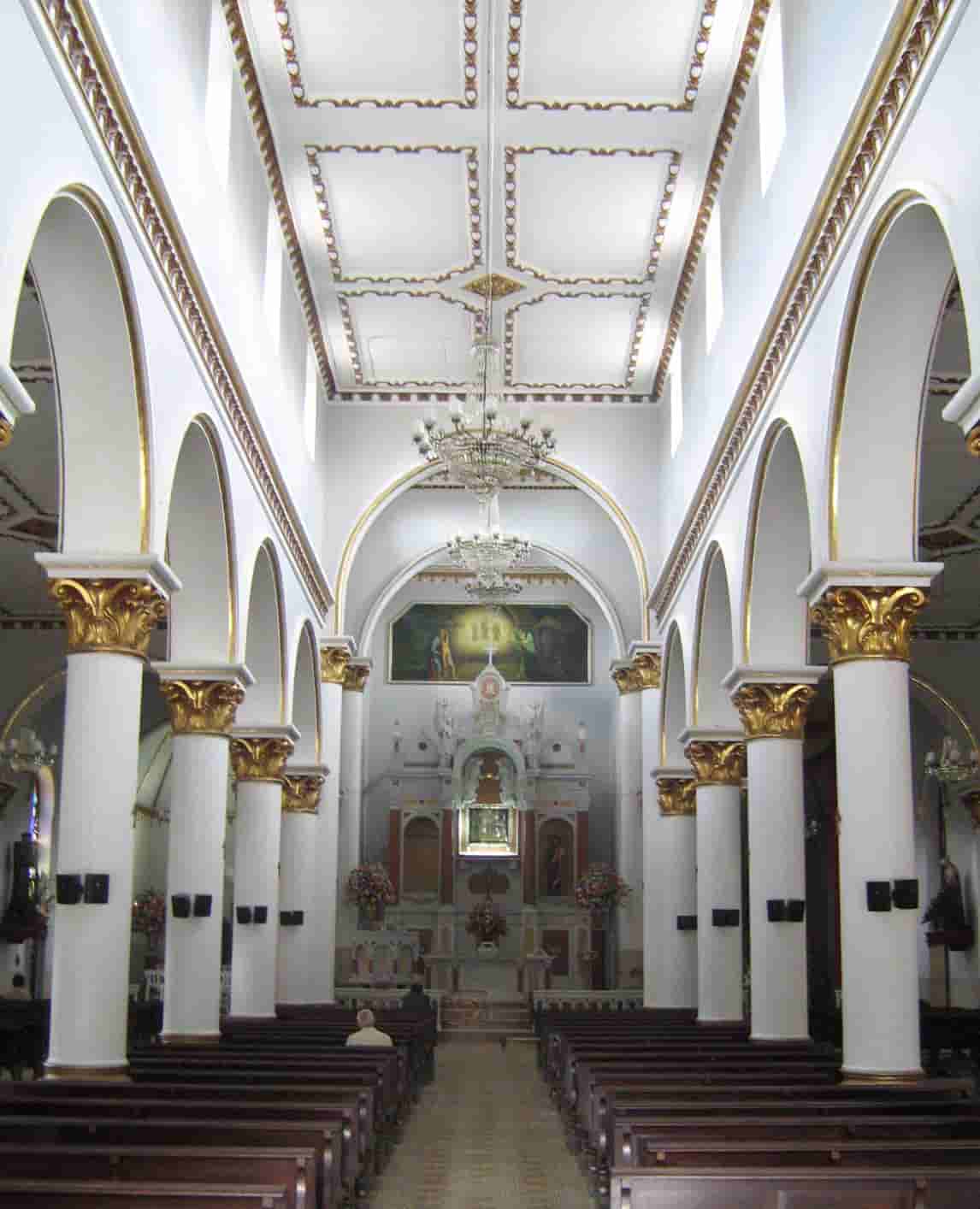
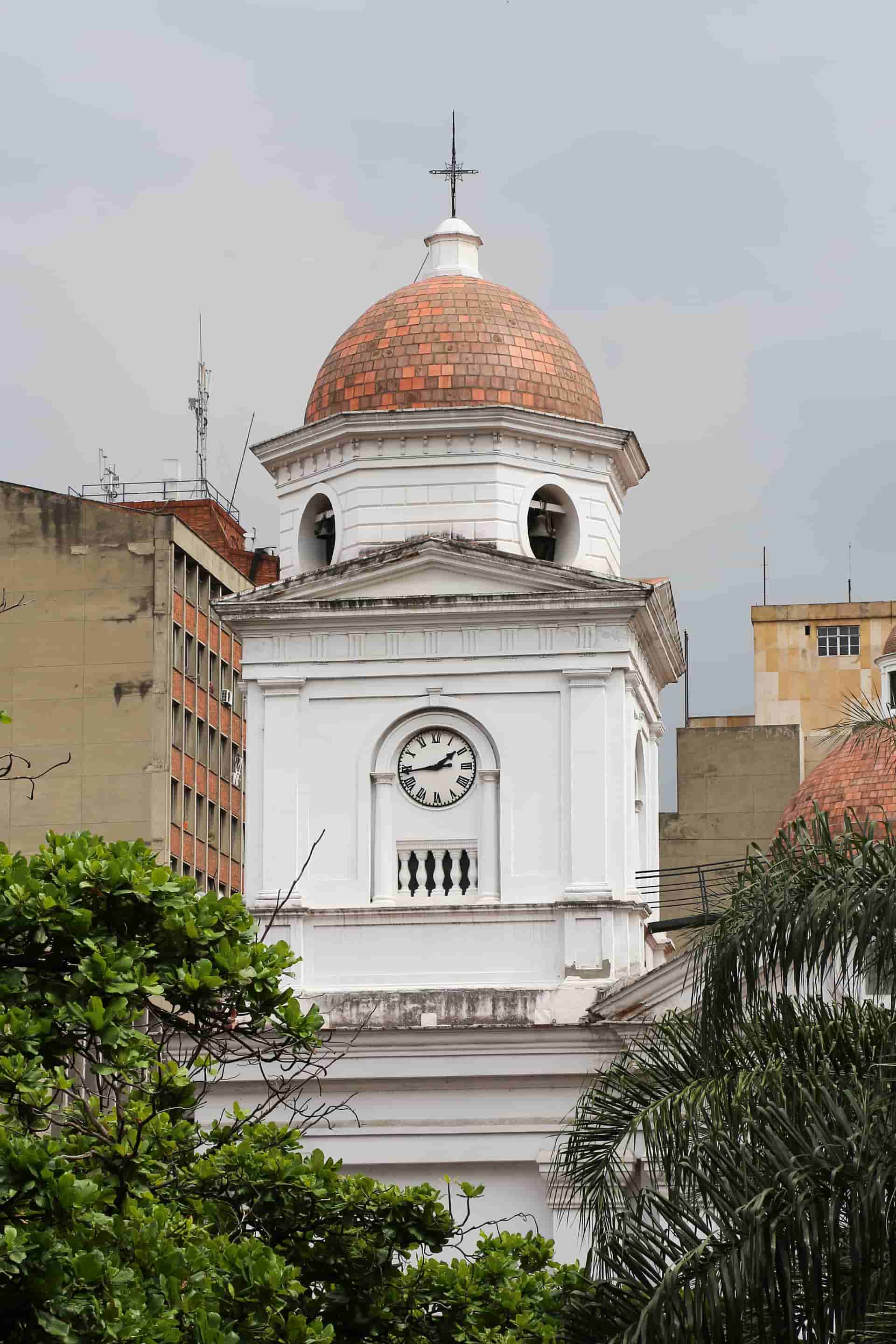
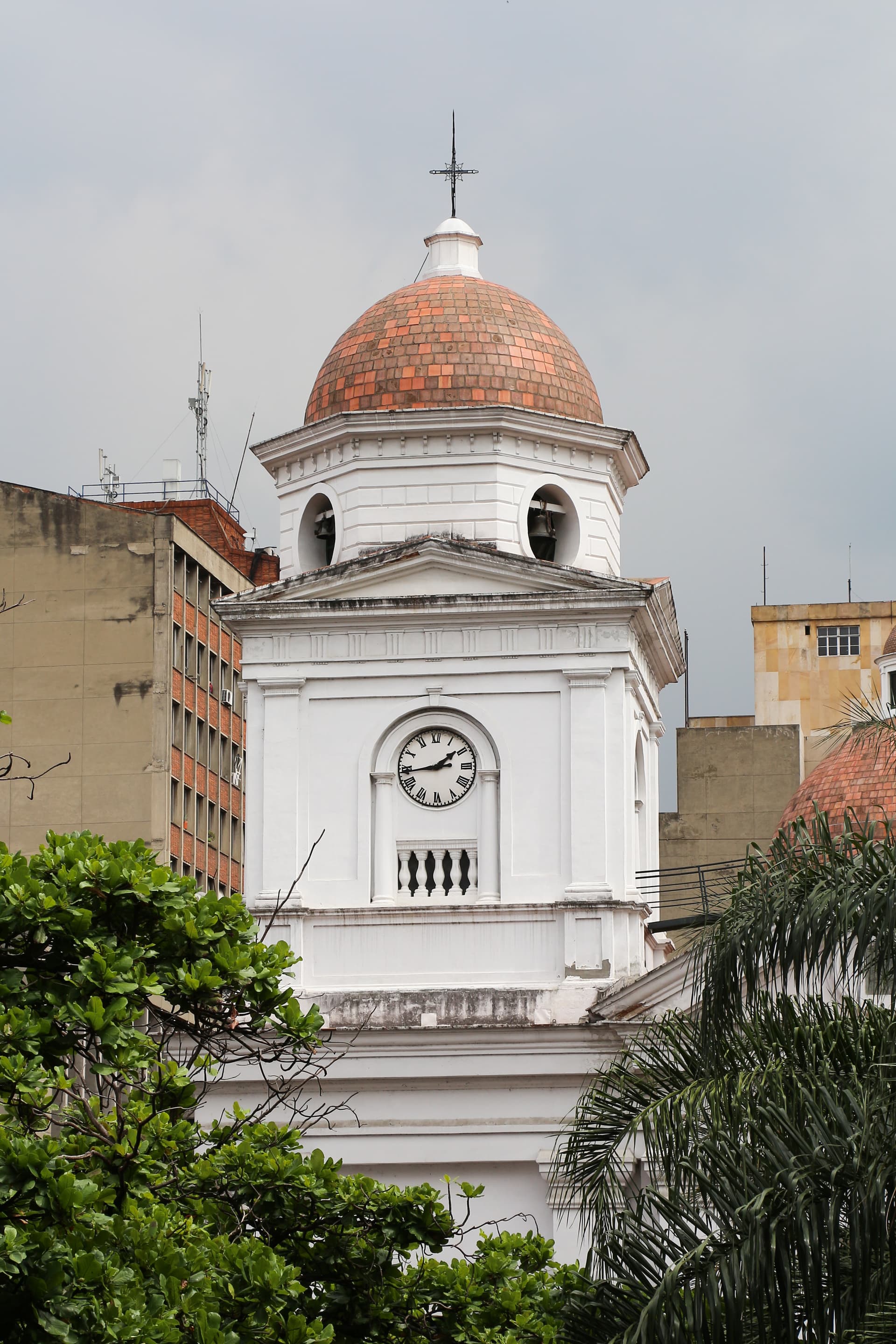 Parroquia Basílica Nuestra Señora de la CandelariaLa CandelariaLa Candelaria presides over the eastern side of Parque Berrío and is the oldest temple still standing in Medellín. There has been a church on this site since 1649; the present neoclassical building was begun in March 1768 and opened in February 1776, to a design by José Varón de Chávez.
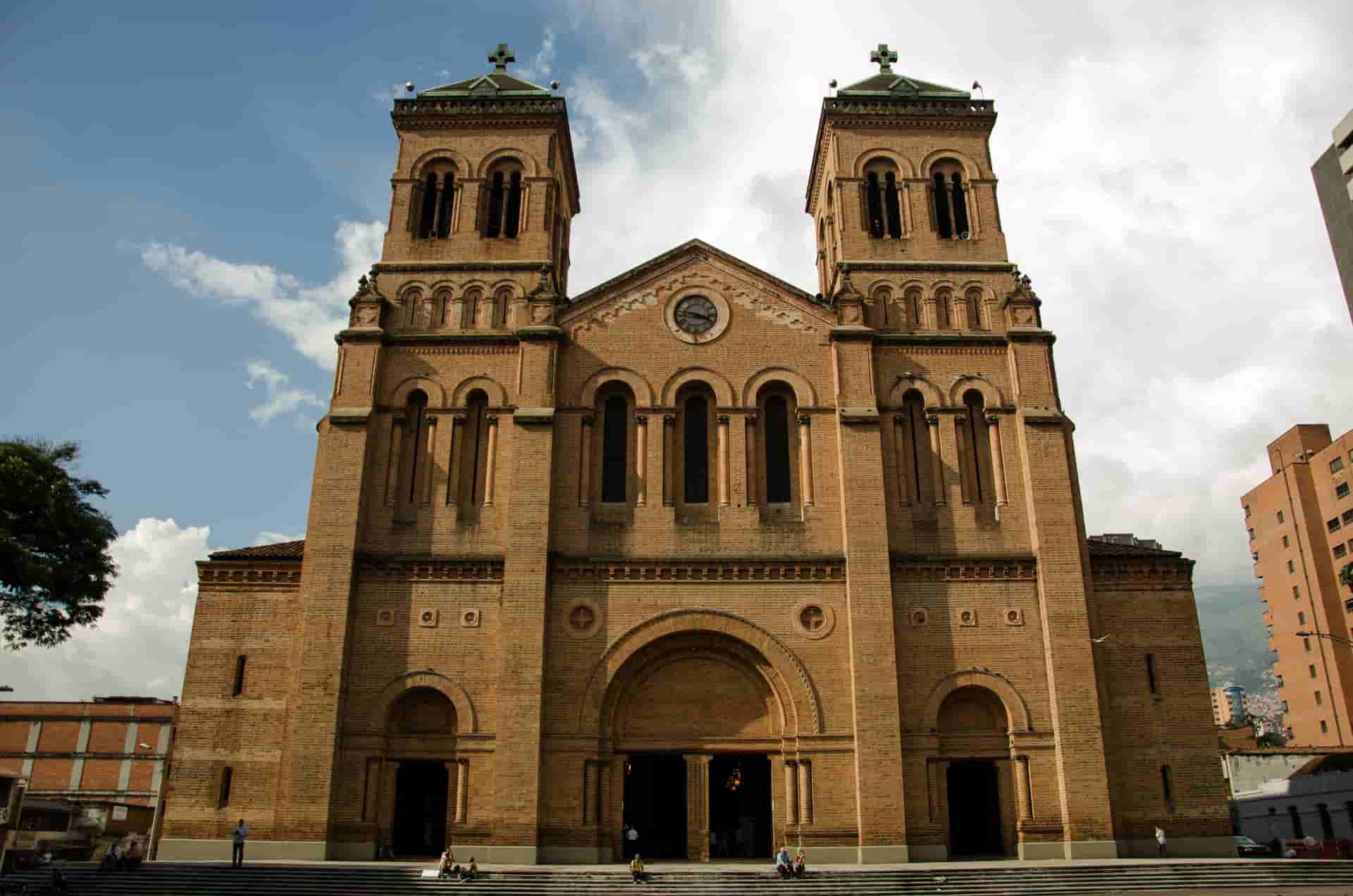
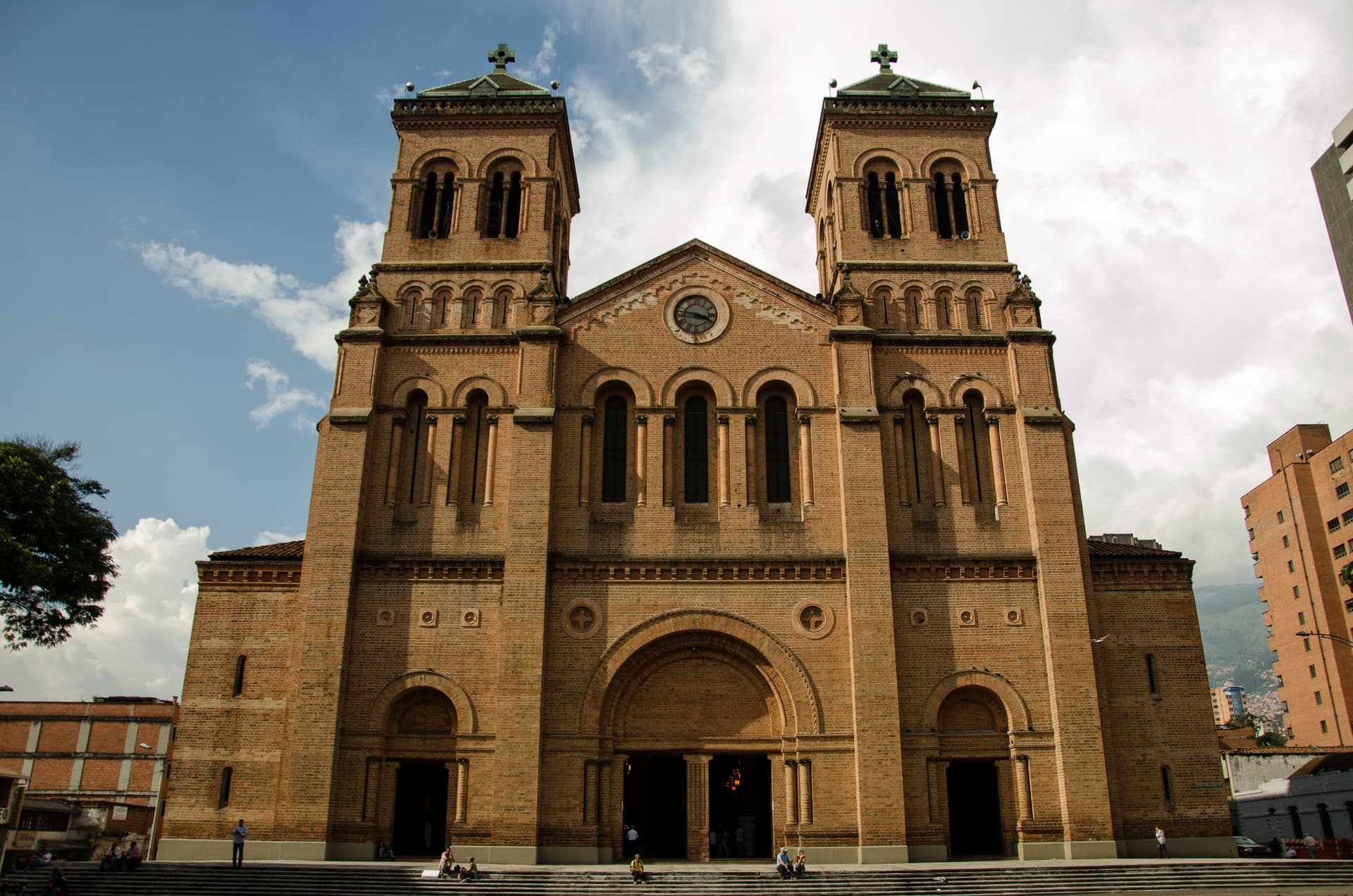 Parroquia La Catedral Metropolitana de MedellínLa CandelariaThe Metropolitan Cathedral presides over Parque Bolívar with a mass of brick that resembles nothing else in the city. It was designed by the French architect Charles Carré in neo-Romanesque style, begun in January 1890 and completed in August 1931: forty-one years of work.
Before you go
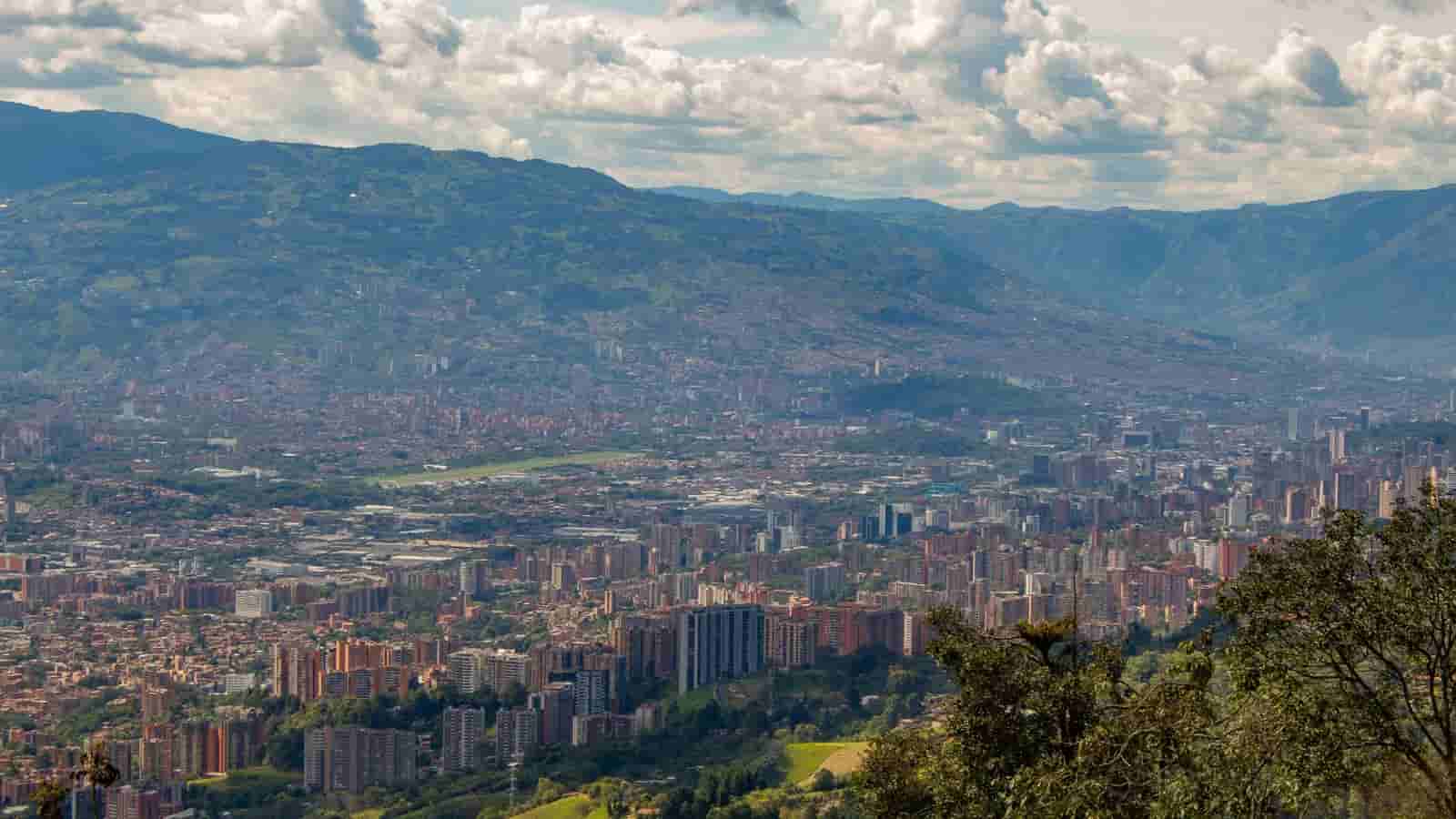
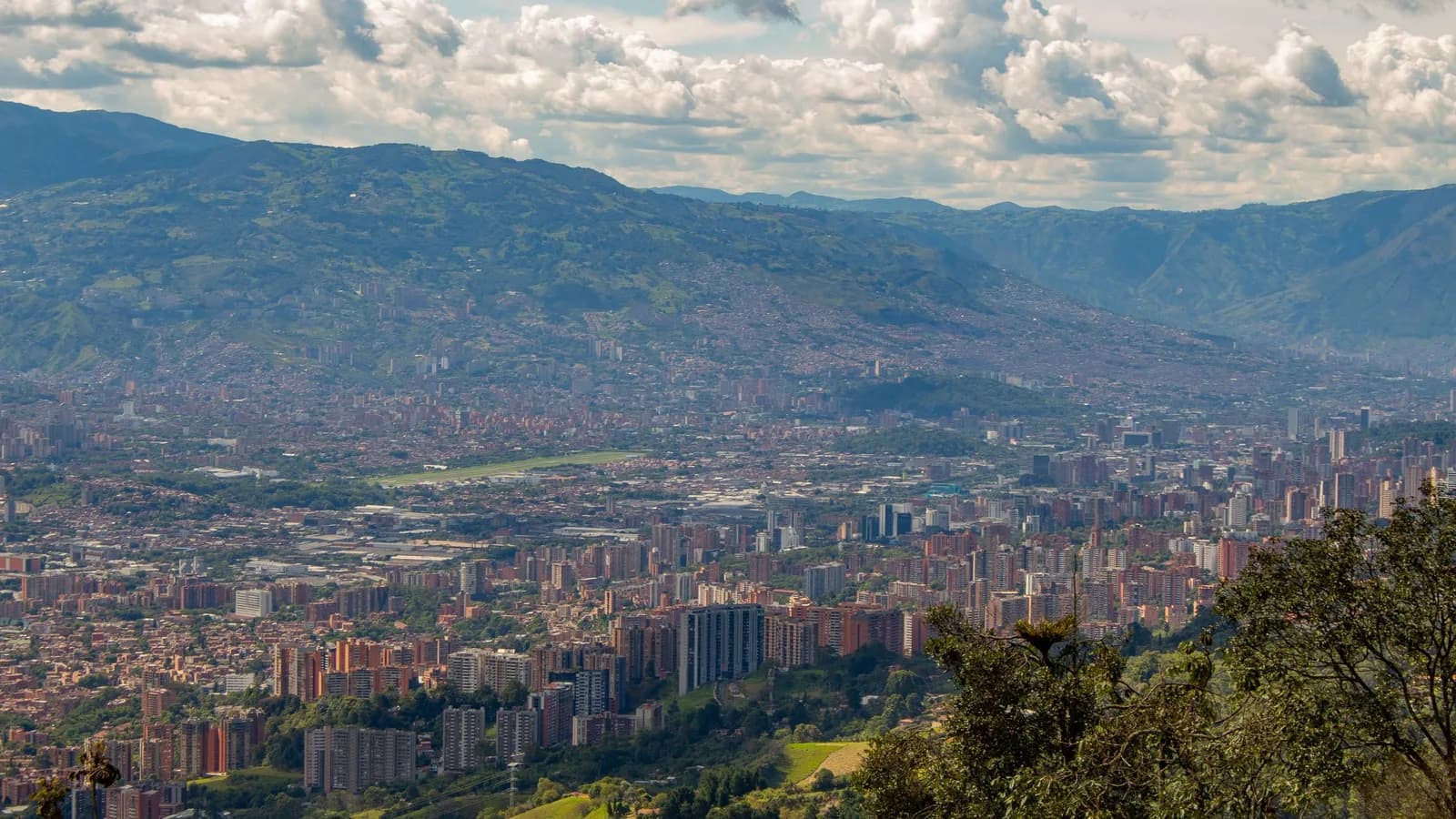
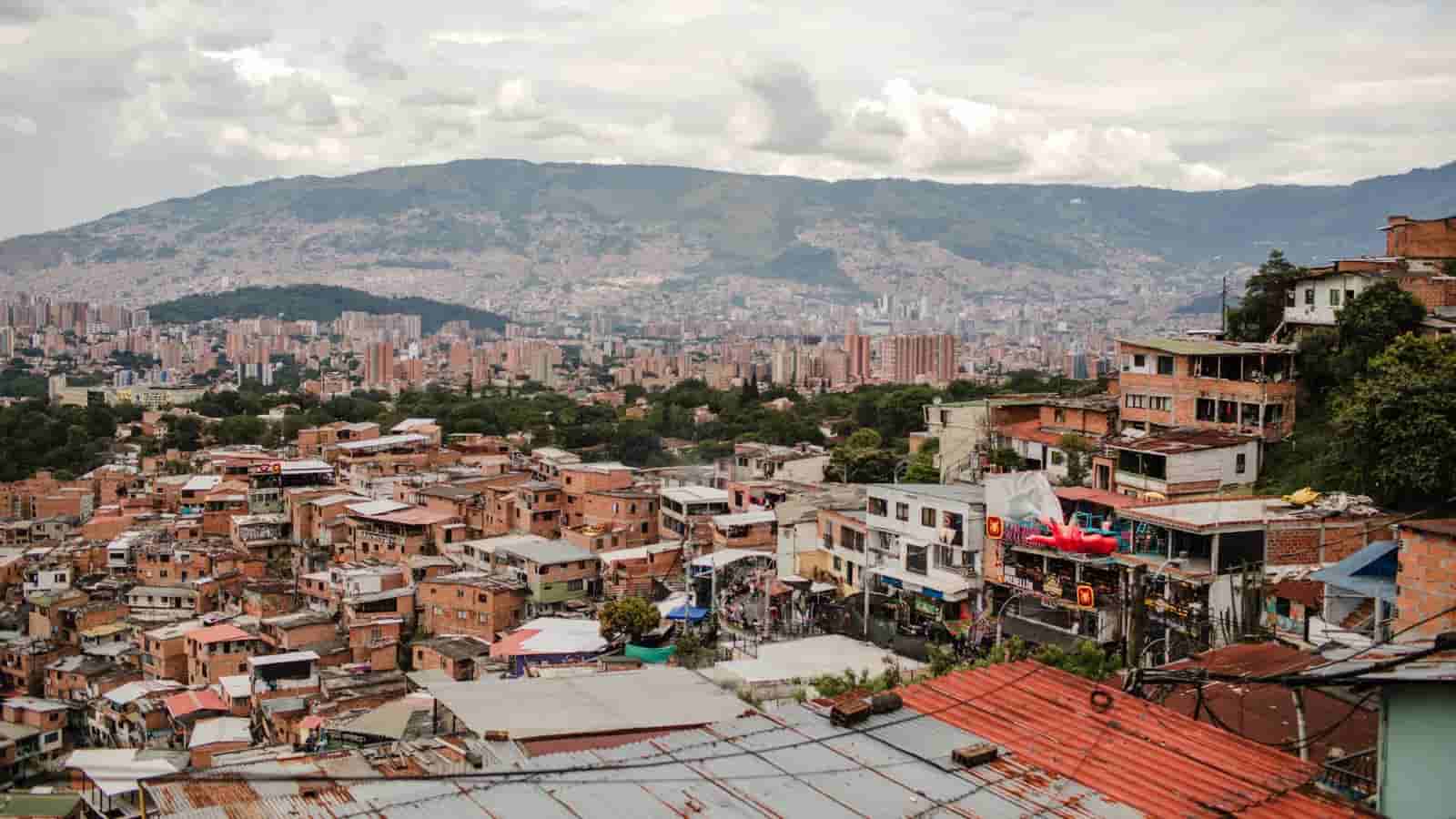
Downtown Medellín is noisy, commercial and crowded, and that is exactly why it is the best place to understand the city. This collection gathers what is worth seeing on foot: squares, churches, museums and historic buildings a few blocks from one another. It also includes the traditional centres of towns such as Envigado, Itagüí, Bello or Caldas, each with its church and main square.
In Medellín, one morning is enough for a good walk. Start at Parque Berrío station, step into the Basilica of La Candelaria, cross to Plaza Botero and the Rafael Uribe Palace of Culture, and if you have time give the Museo de Antioquia a couple of hours. From there, the Junín pedestrian street leads towards the Metropolitan Cathedral, a huge brick church. To the south is Parque de las Luces, and to the east, at the end of Avenida La Playa, the Teatro Pablo Tobón Uribe.
Go on a weekday morning, when shops are open and downtown has more life and more order; on Sundays it is emptier and many businesses close. Wear comfortable shoes, carry only what you need, keep your phone away while walking and head back by Metro before dark.