Free Things to Do in Medellín
Free-entry plans to enjoy without spending money, best rated first.
- 30 places
- 16 zones
- 8 categories
- average
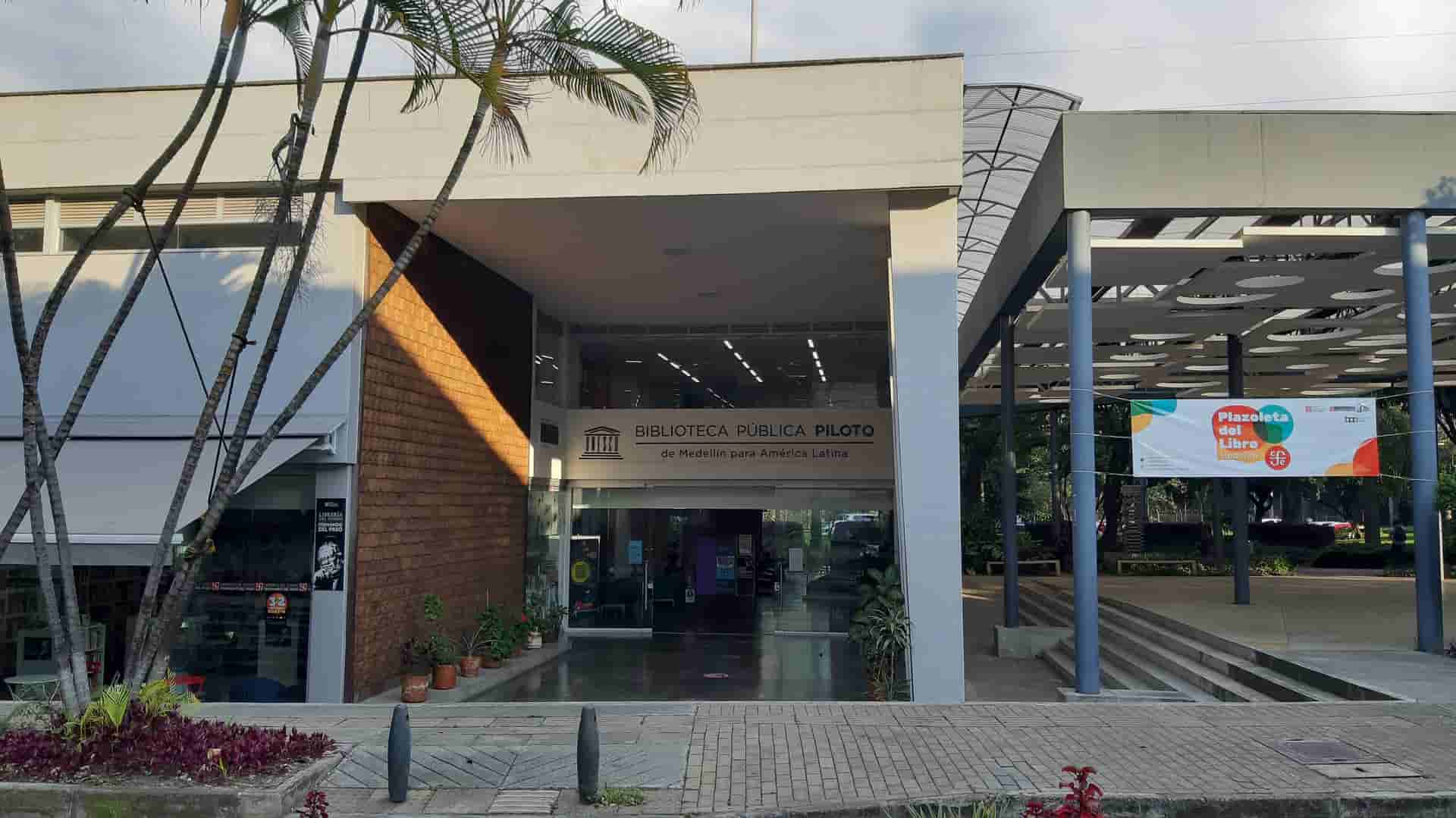
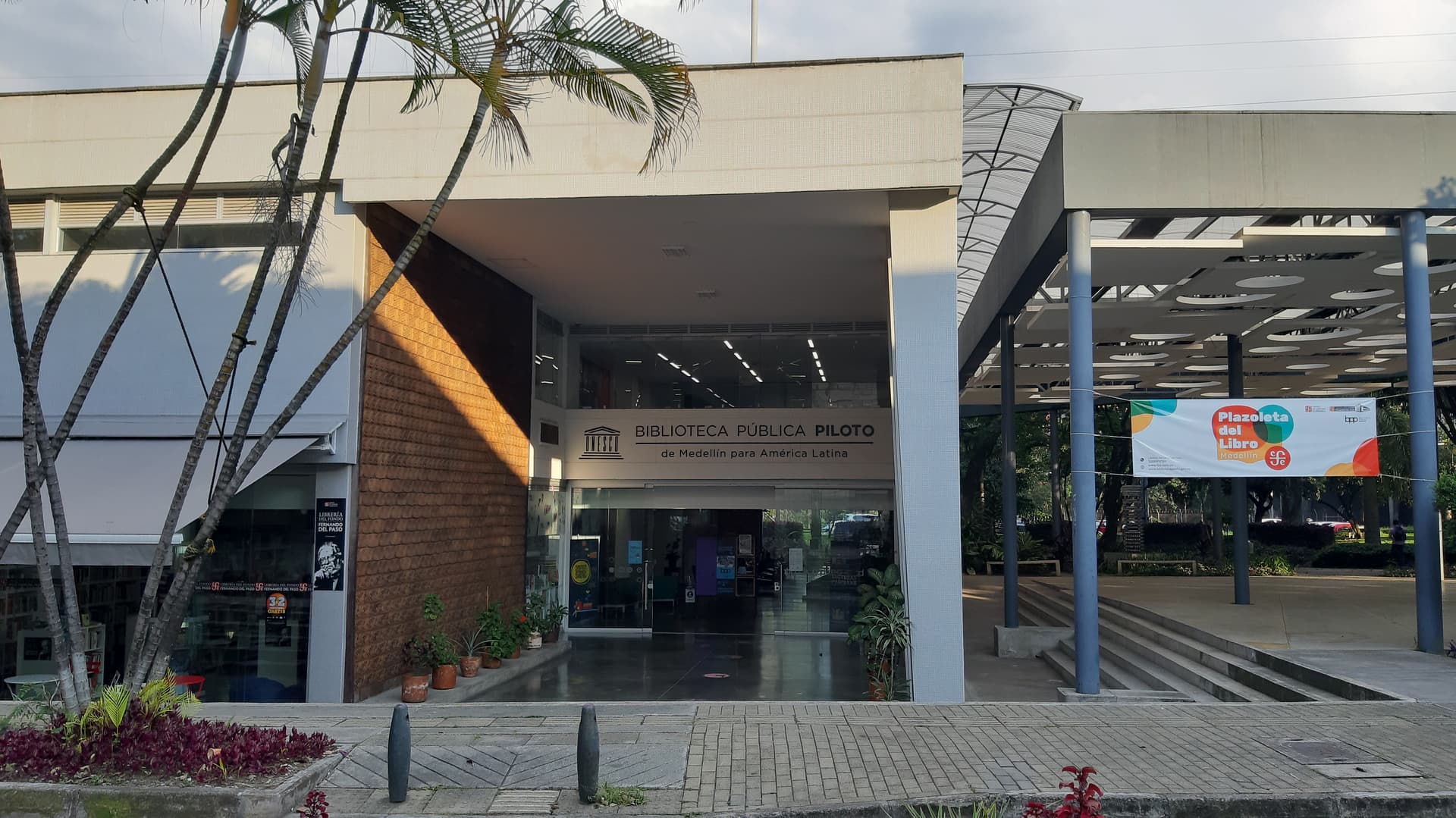
- Top ratedBiblioteca Pública PilotoLaurelesThe Biblioteca Pública Piloto de Medellín para América Latina was signed in Paris on 10 November 1952, in a document subscribed by the Colombian delegate José Manuel Mora Vásquez and UNESCO director general Jaime Torres Bodet. It was the second pilot library in the world, after India's, and was conceived as a model public library for the whole continent.
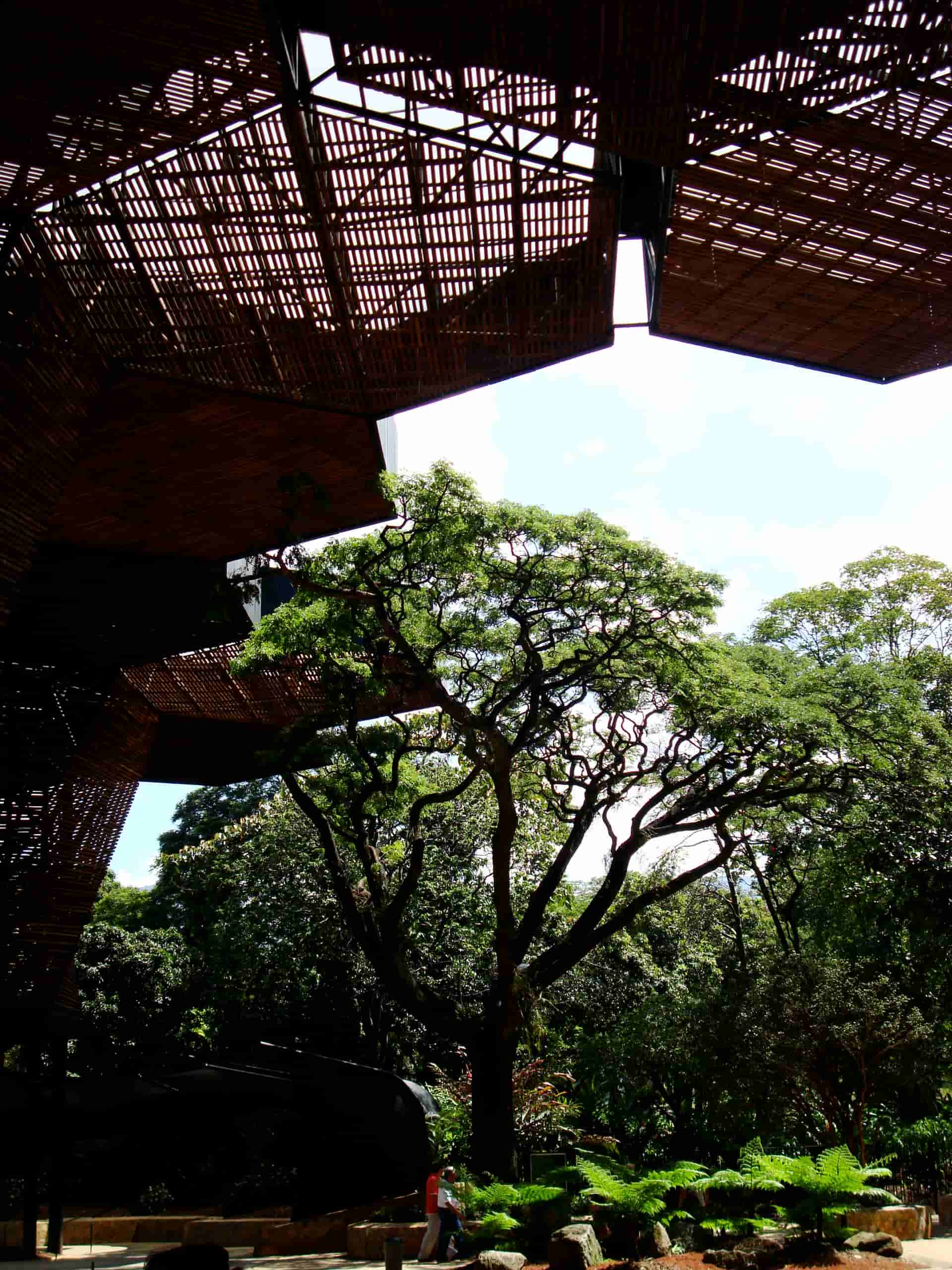
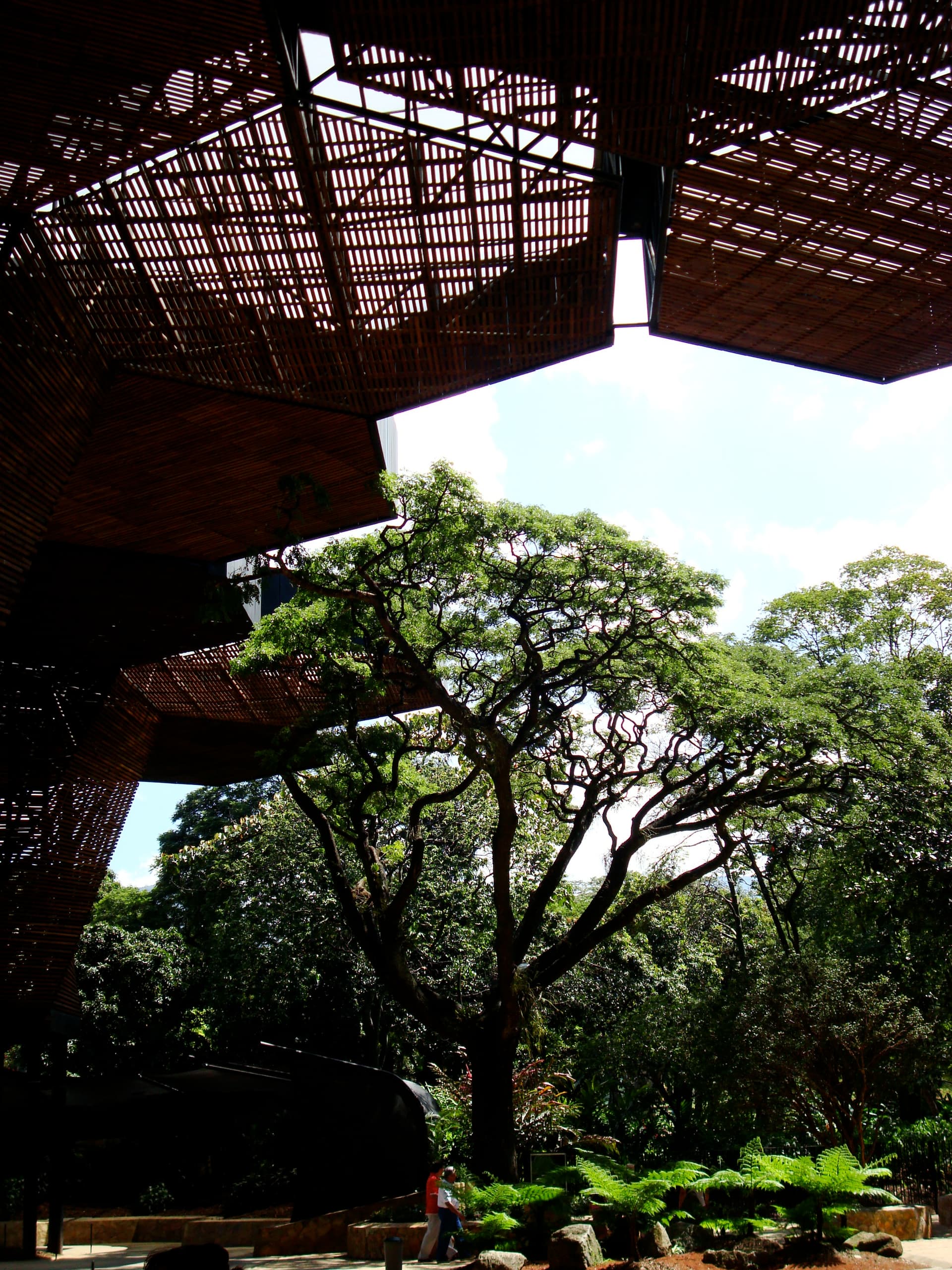 Top ratedJardín Botánico de MedellínAranjuezThe Joaquín Antonio Uribe Botanical Garden occupies fifteen hectares in the north of Medellín, facing Parque Explora and a step from the Universidad metro station. It is one of the few large botanical gardens in Latin America with free entry.
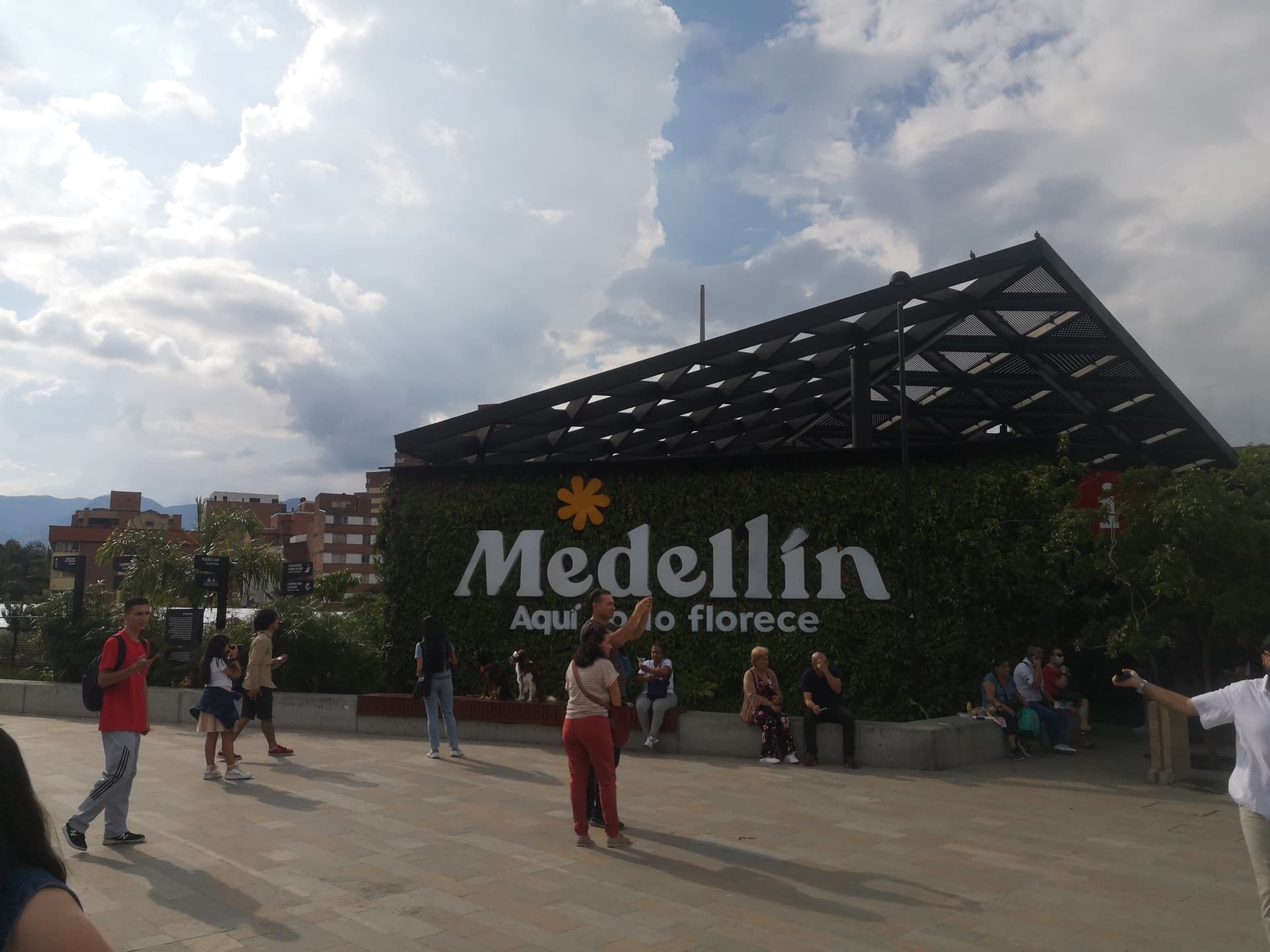 Parques del RíoEl Chagualo / LaurelesParques del Río gave the city back a piece of its river. The project buried a stretch of motorway and covered the slab with a linear park integrating both banks: some 72,000 square metres, more than half of it green, with 280 trees planted.
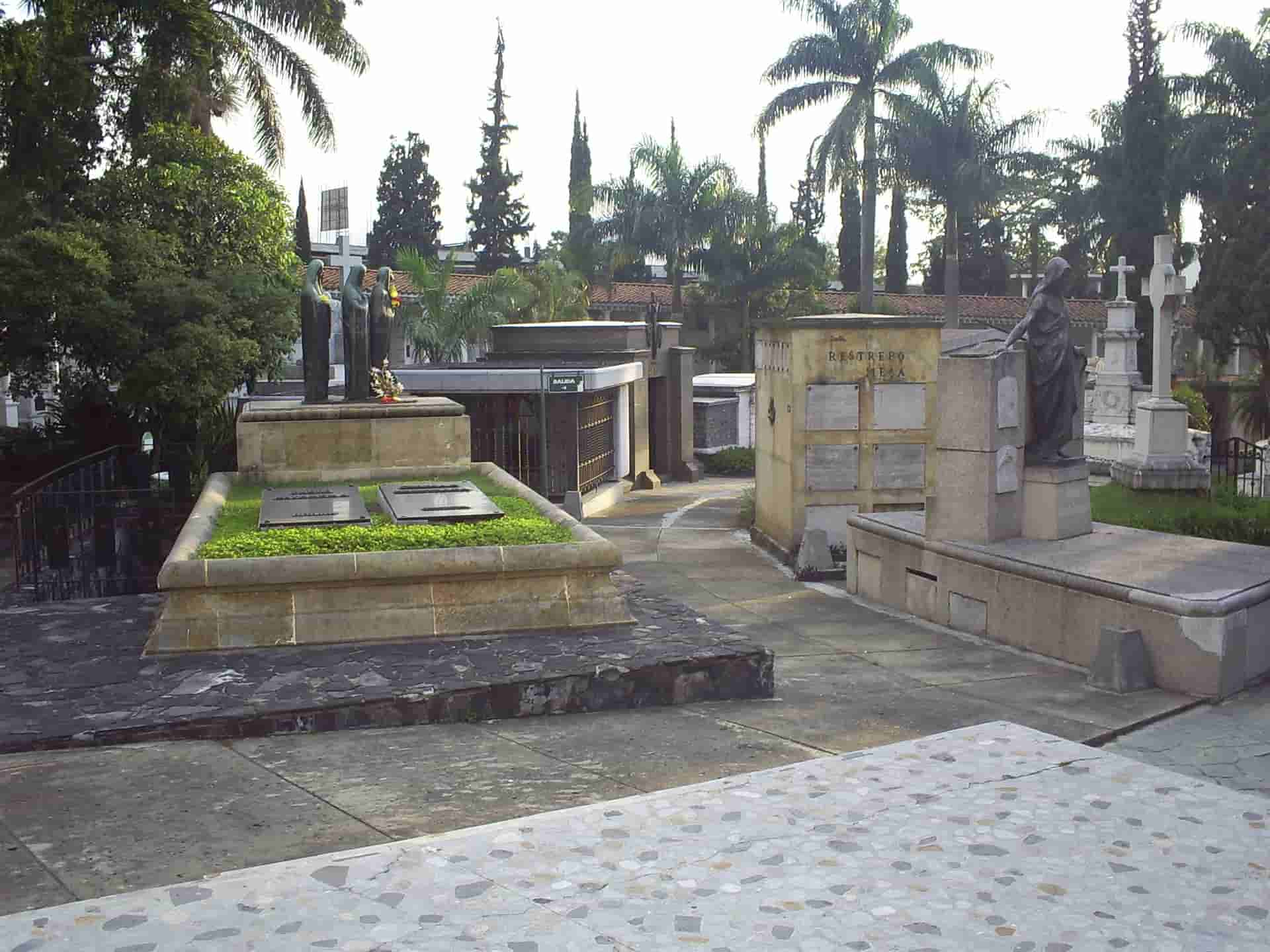
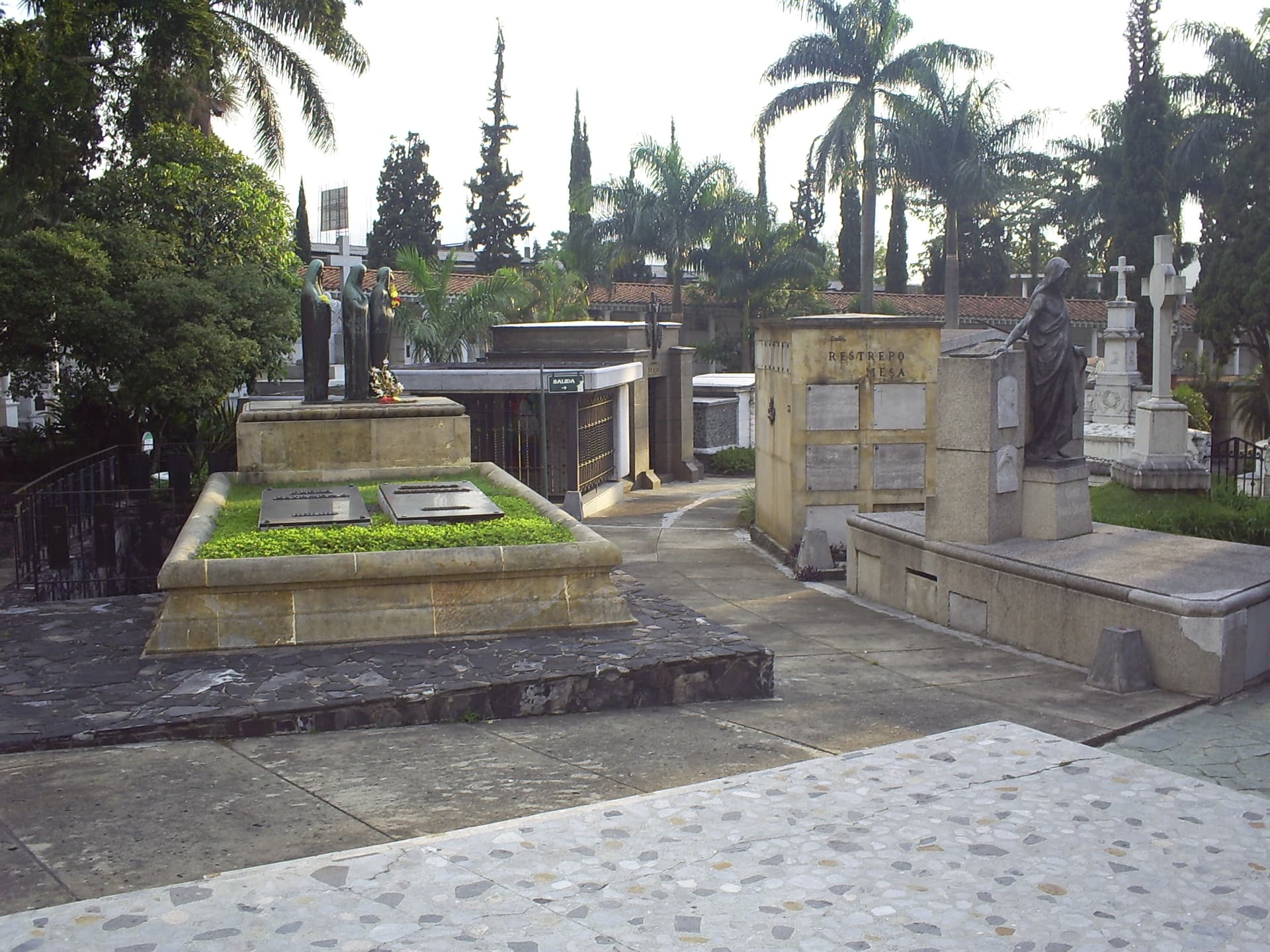 Cementerio Museo San PedroAranjuezThe San Pedro Cemetery was founded on 22 September 1842 as the burial ground of the families who built modern Medellín, and its mausoleums are at once a catalogue of funerary sculpture and a map of the city's social history.
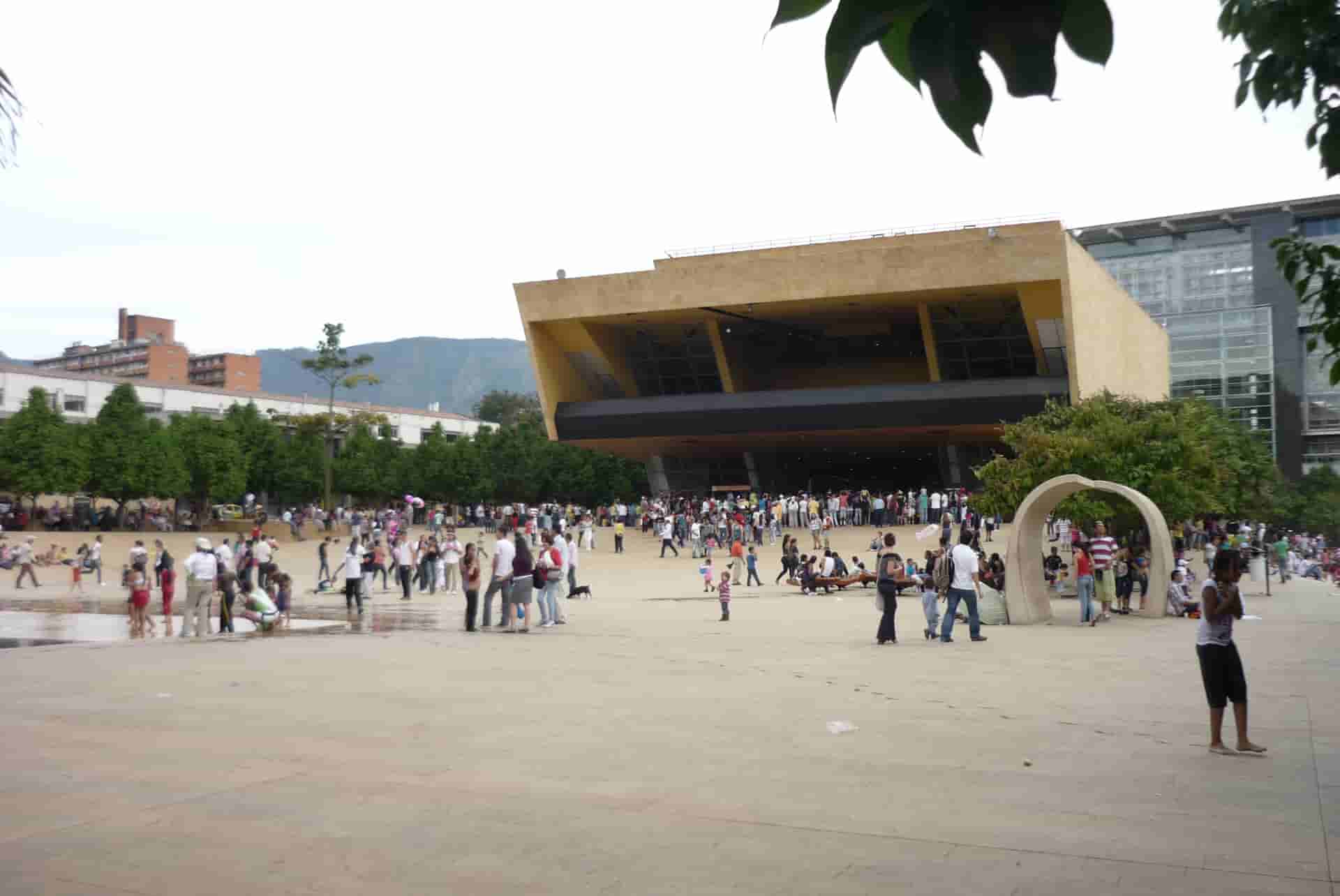
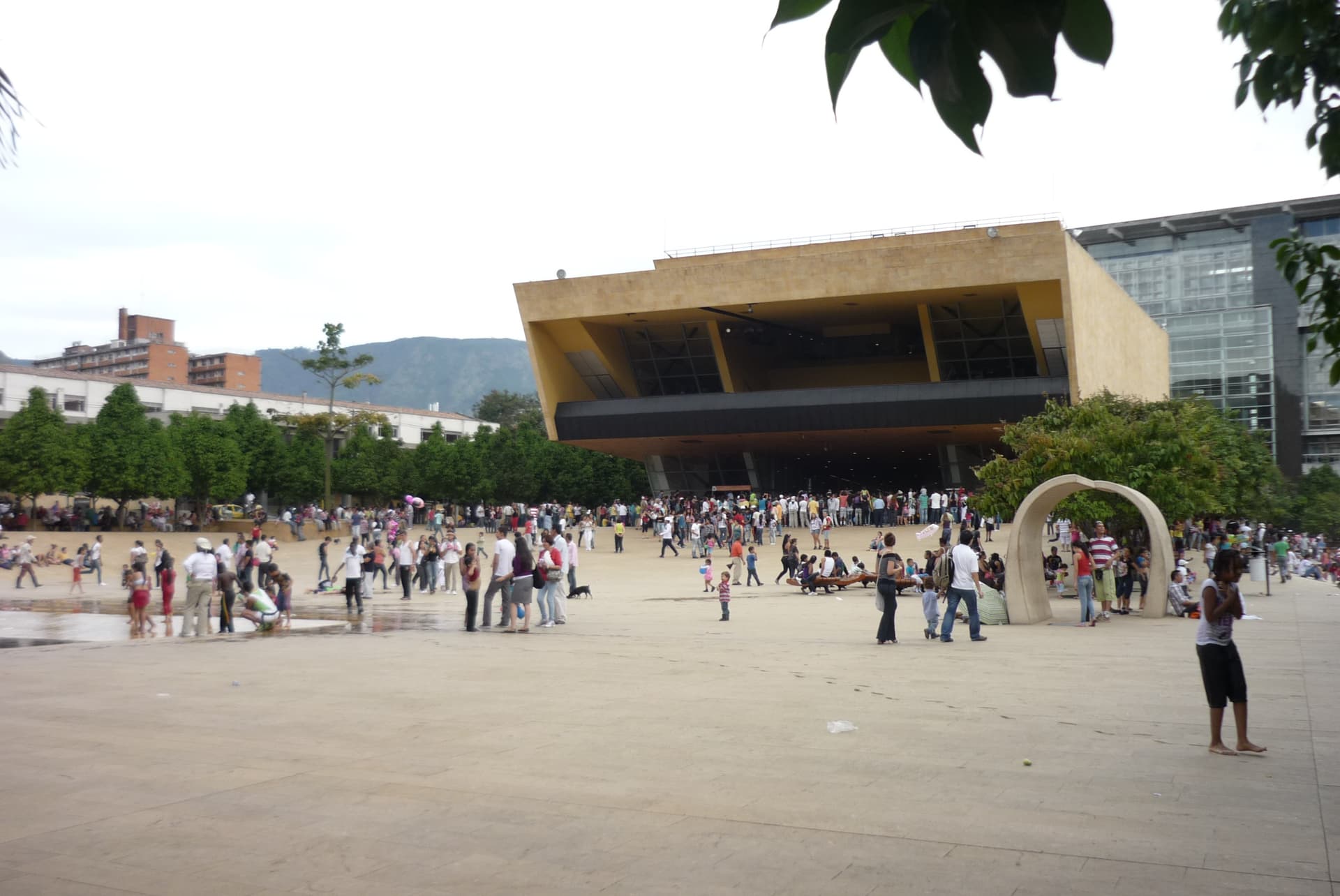 Parque de los DeseosAranjuezParque de los Deseos is an open, freely accessible square facing Medellín's Planetarium, on the cultural corridor that runs up from the Universidad metro station.
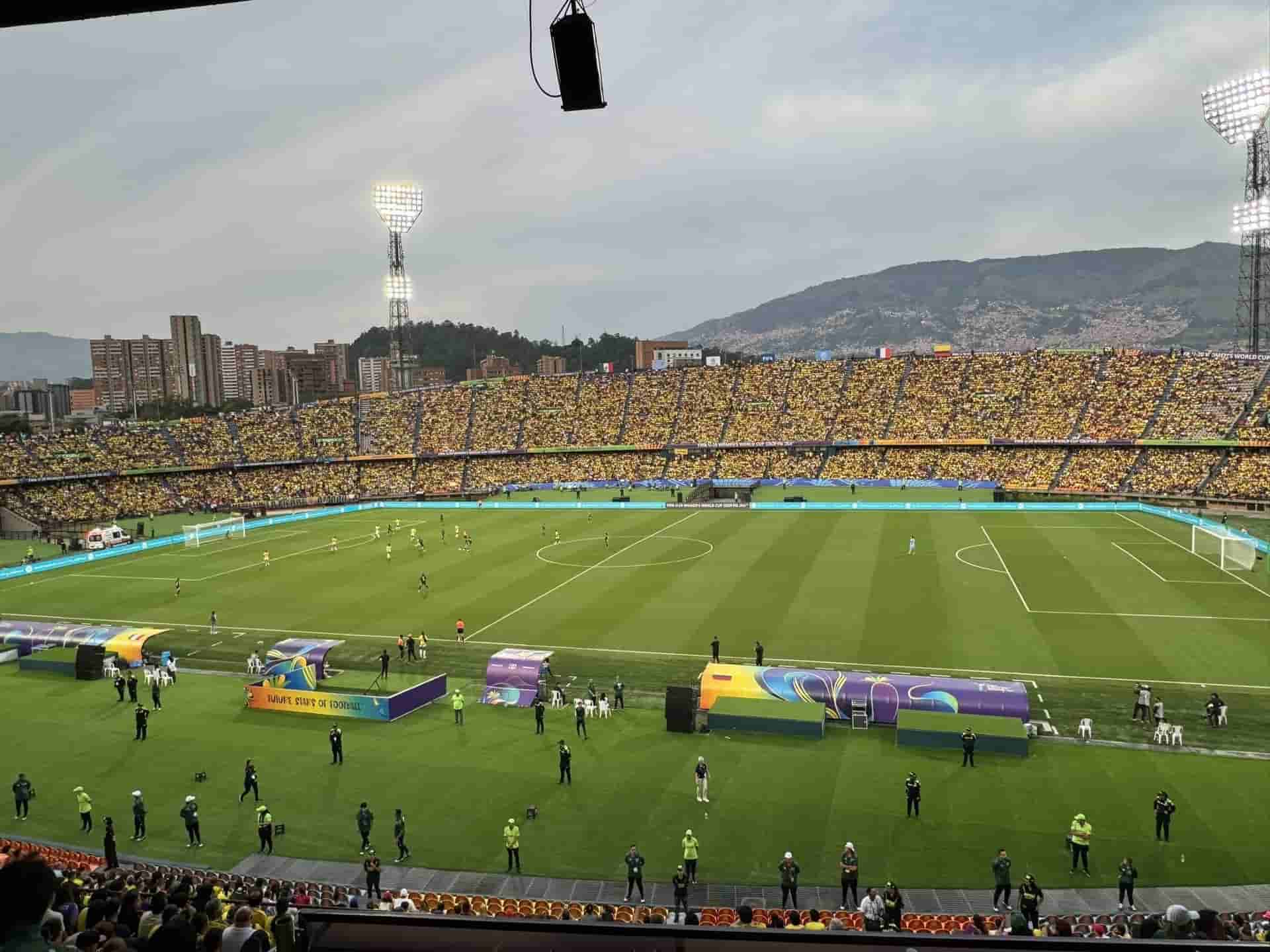
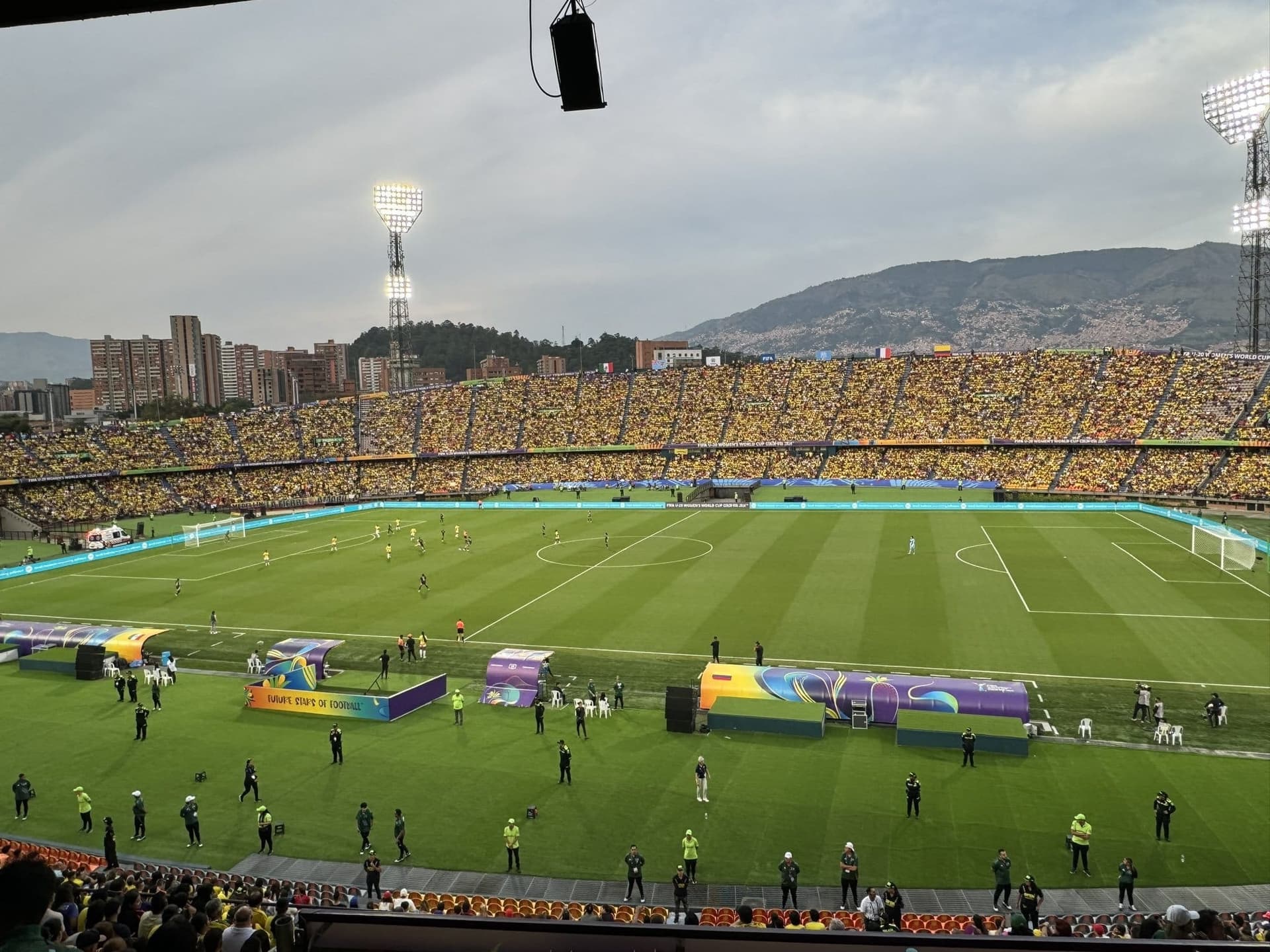 Estadio de Fútbol Atanasio GirardotEstadioThe Atanasio Girardot opened in 1953 and is the oldest venue in the sports complex that bears its name, a set of 18 sporting and recreational facilities in Comuna 11, Laureles.
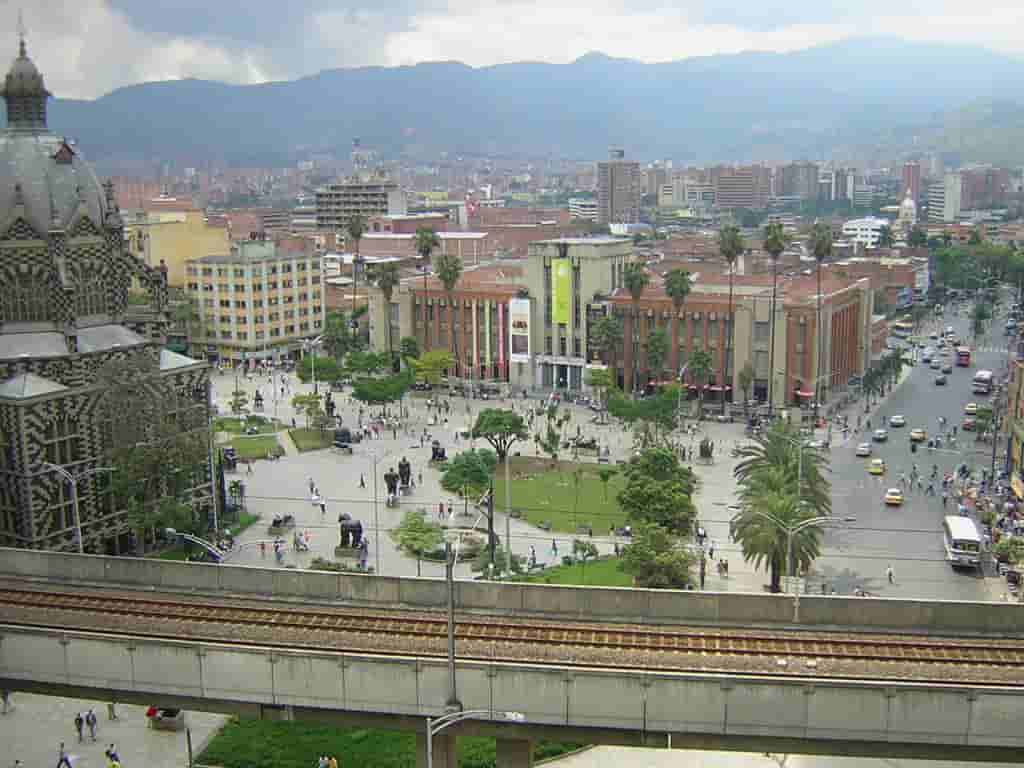
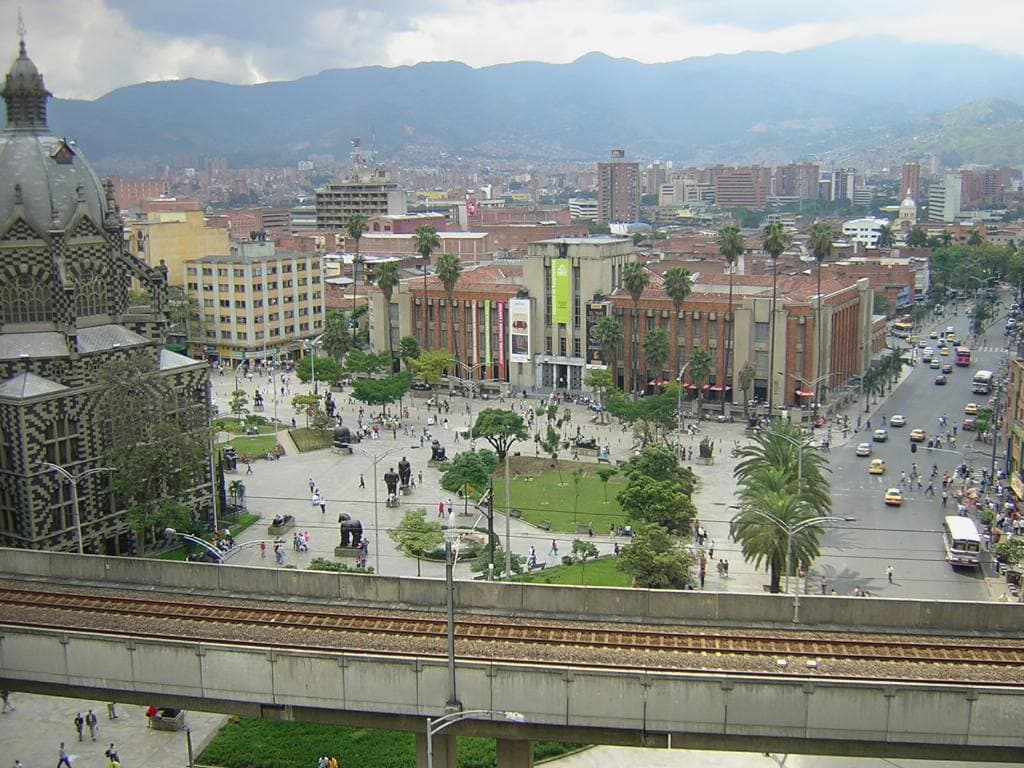 Plaza BoteroLa CandelariaPlaza Botero gathers in the open air the 23 bronze sculptures Fernando Botero donated to his city. There is no other place in the world with so many of his pieces together and out in the weather, and that is exactly the point: you touch them, walk round them and photograph them with no glass in between.
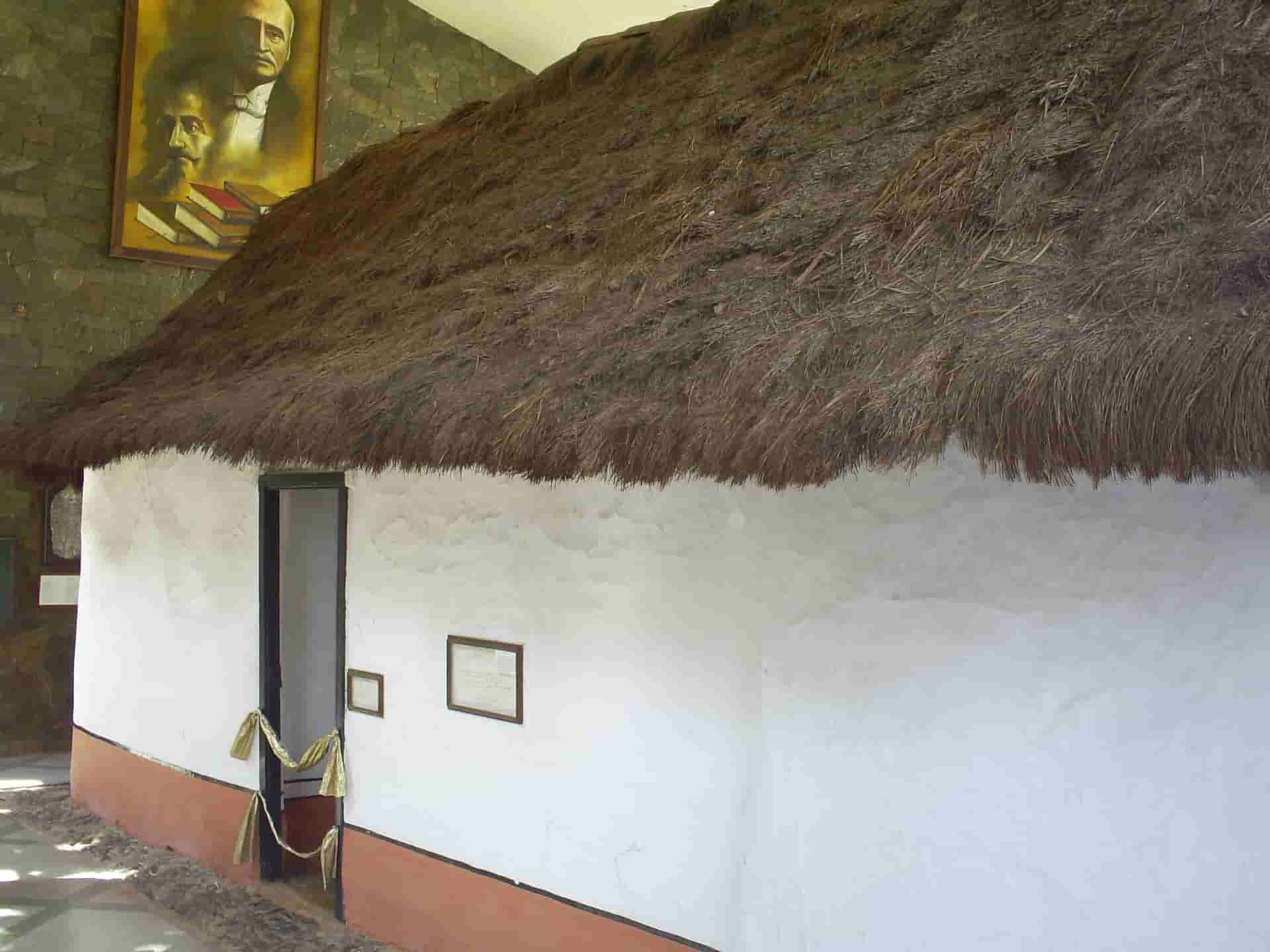
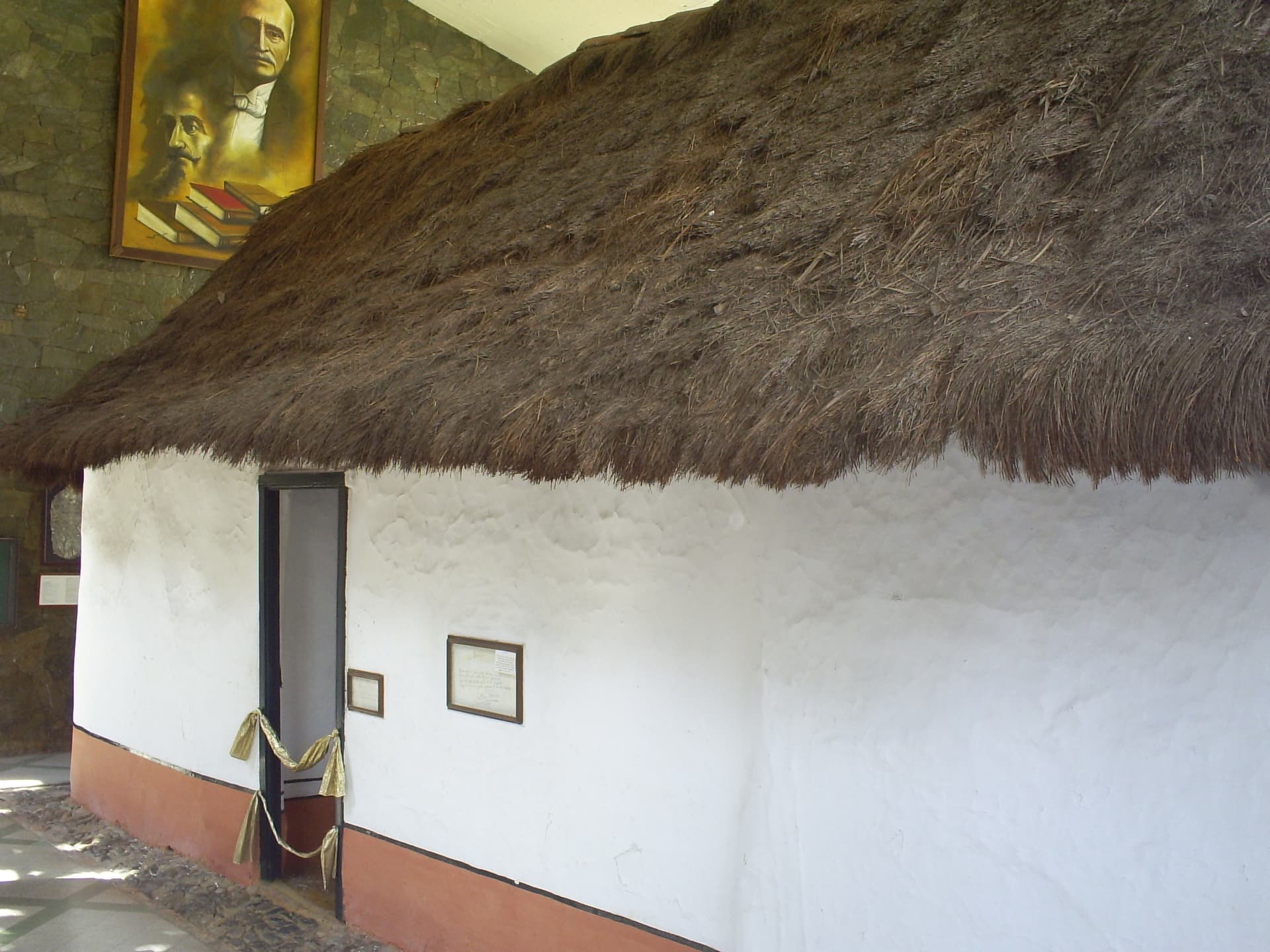 Museo Choza Marco Fidel SuárezBelloBello is called the cradle of Marco Fidel Suárez, and this hut is the literal reason: he was born here in 1855, the man who would go on to the presidency of Colombia between 1918 and 1921.
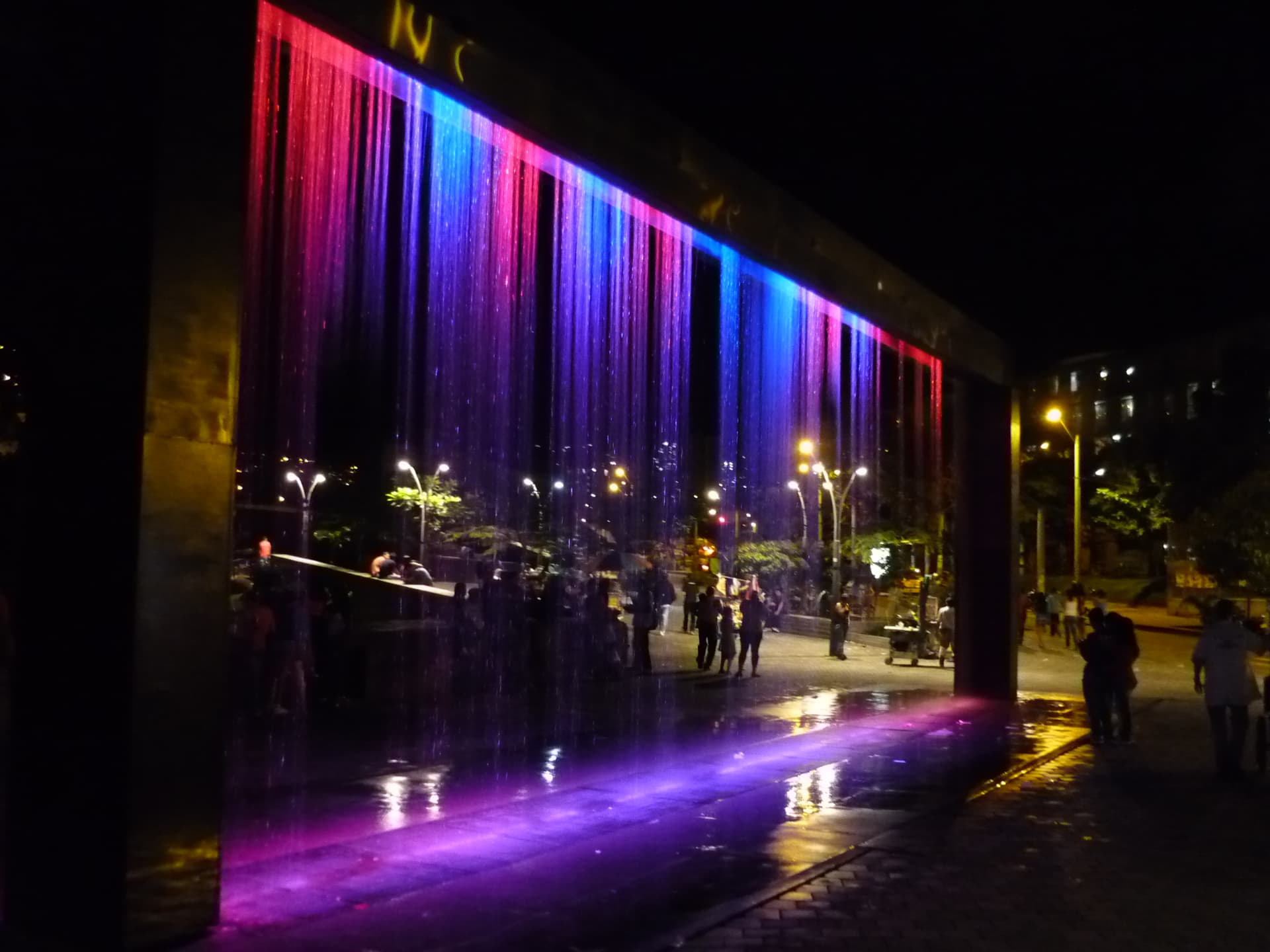 Parque BicentenarioBostonParque Bicentenario was made to mark two hundred years of independence, and its real axis is the Santa Elena stream: the watercourse around which the original Medellín settled, and which the project set out to recover as public space.
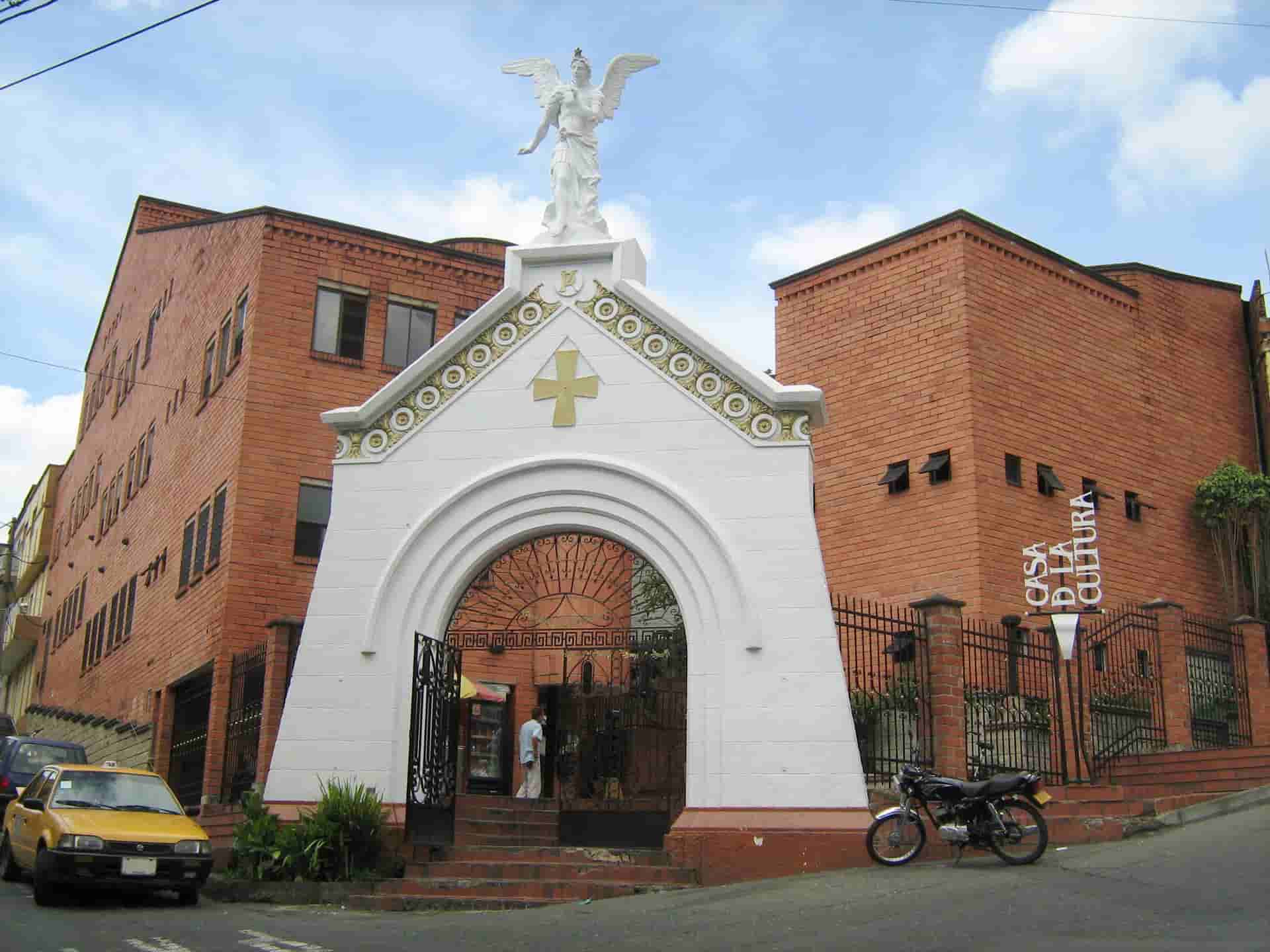
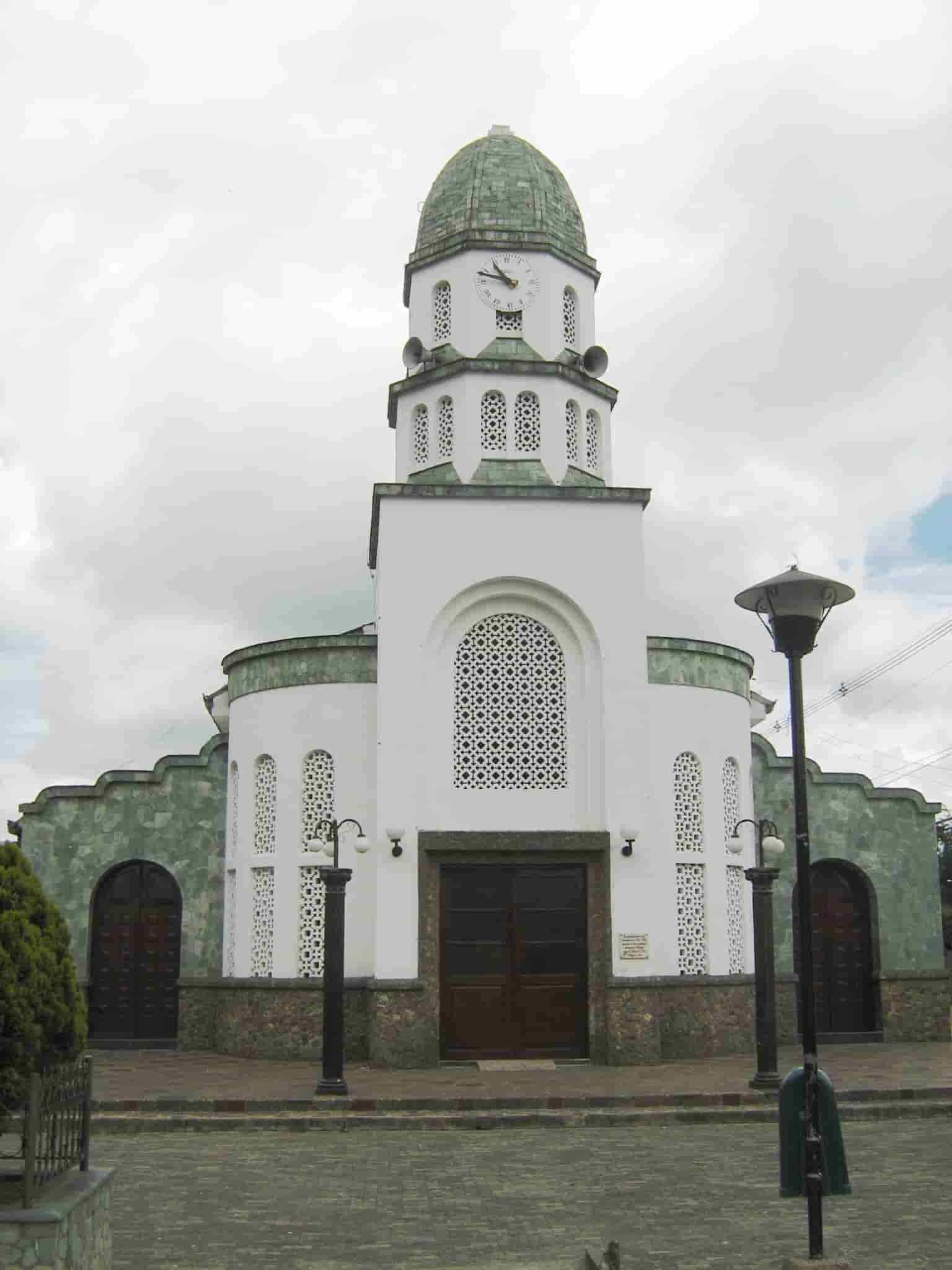
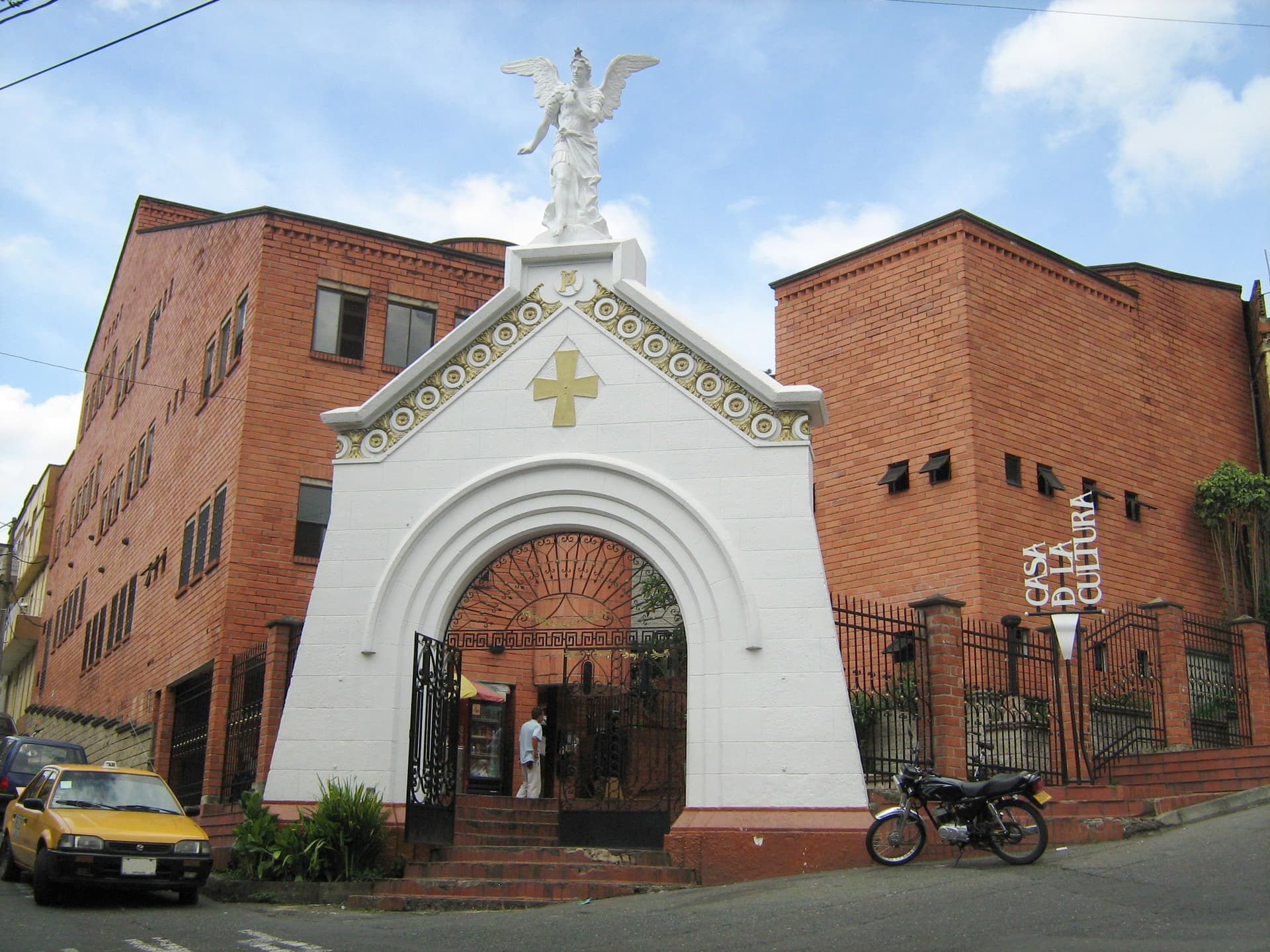 Casa De La CulturaBelloThe Casa de la Cultura at Cerro del Ángel was built in 1972, and its origin explains what it is: no administration put it there — the neighbourhood itself did, organised around the REARTE association.
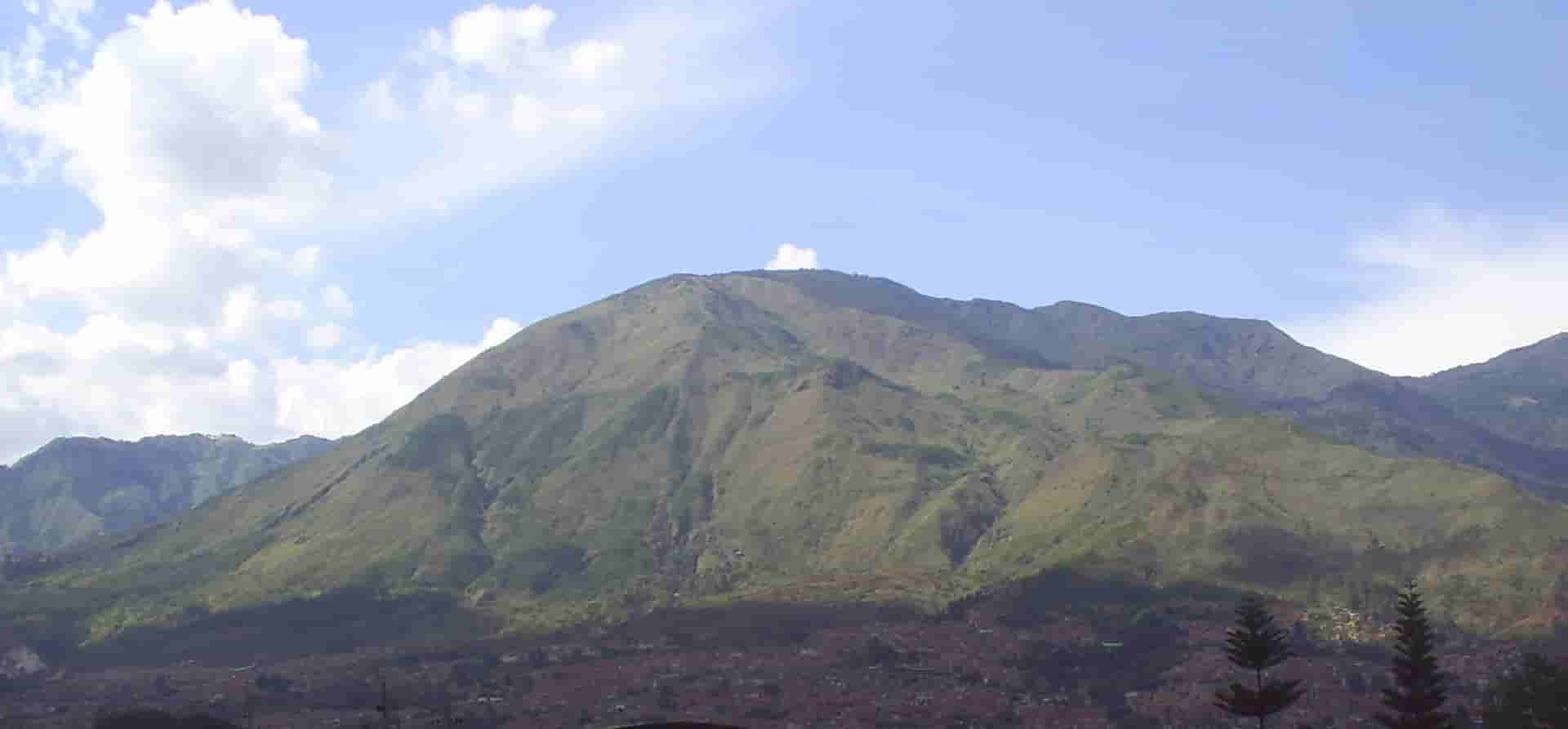
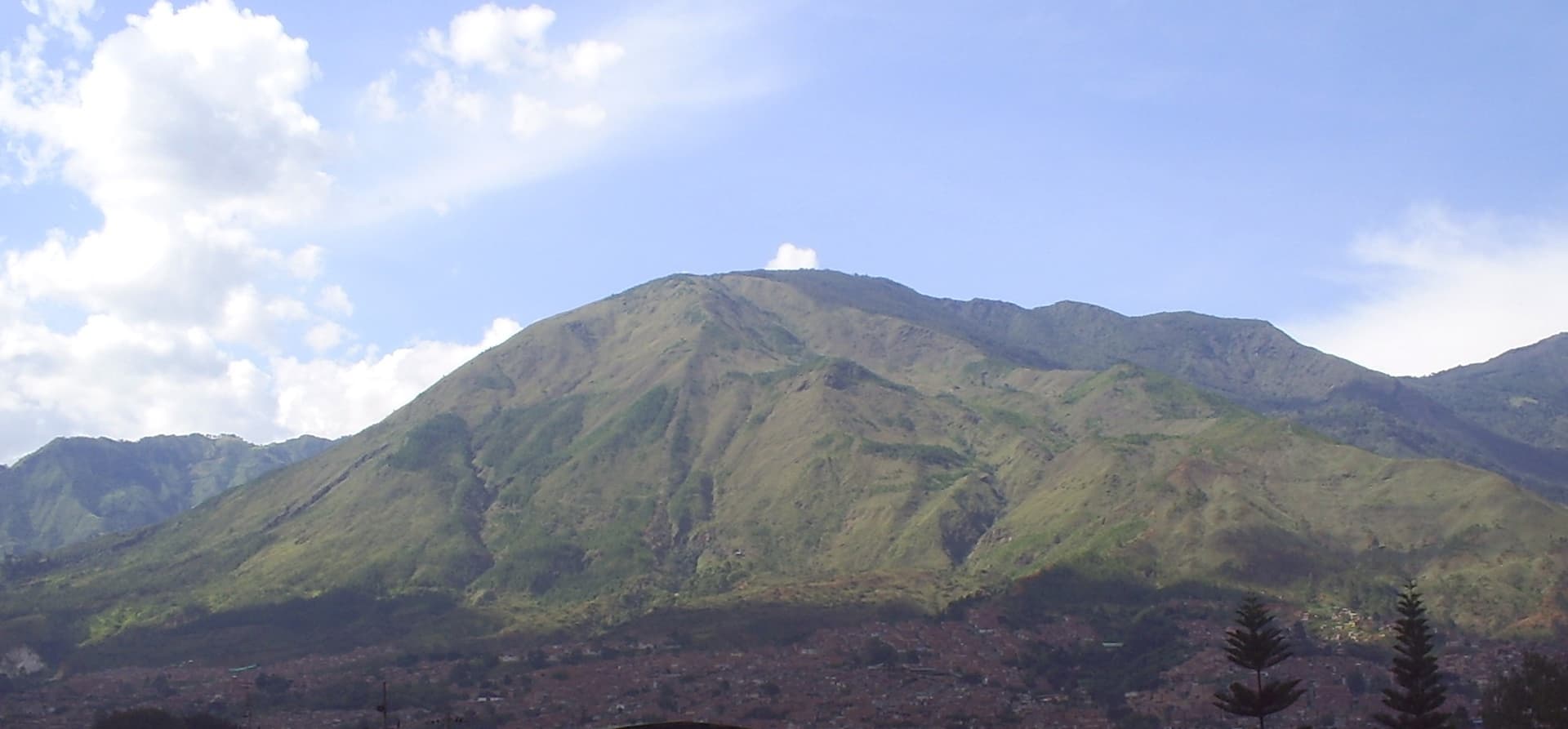 Cerro QuitasolBelloEl Quitasol closes the Aburrá valley to the north with a pyramid silhouette visible from half of Medellín, and it is Bello's guardian mountain: 2,800 metres at the summit.
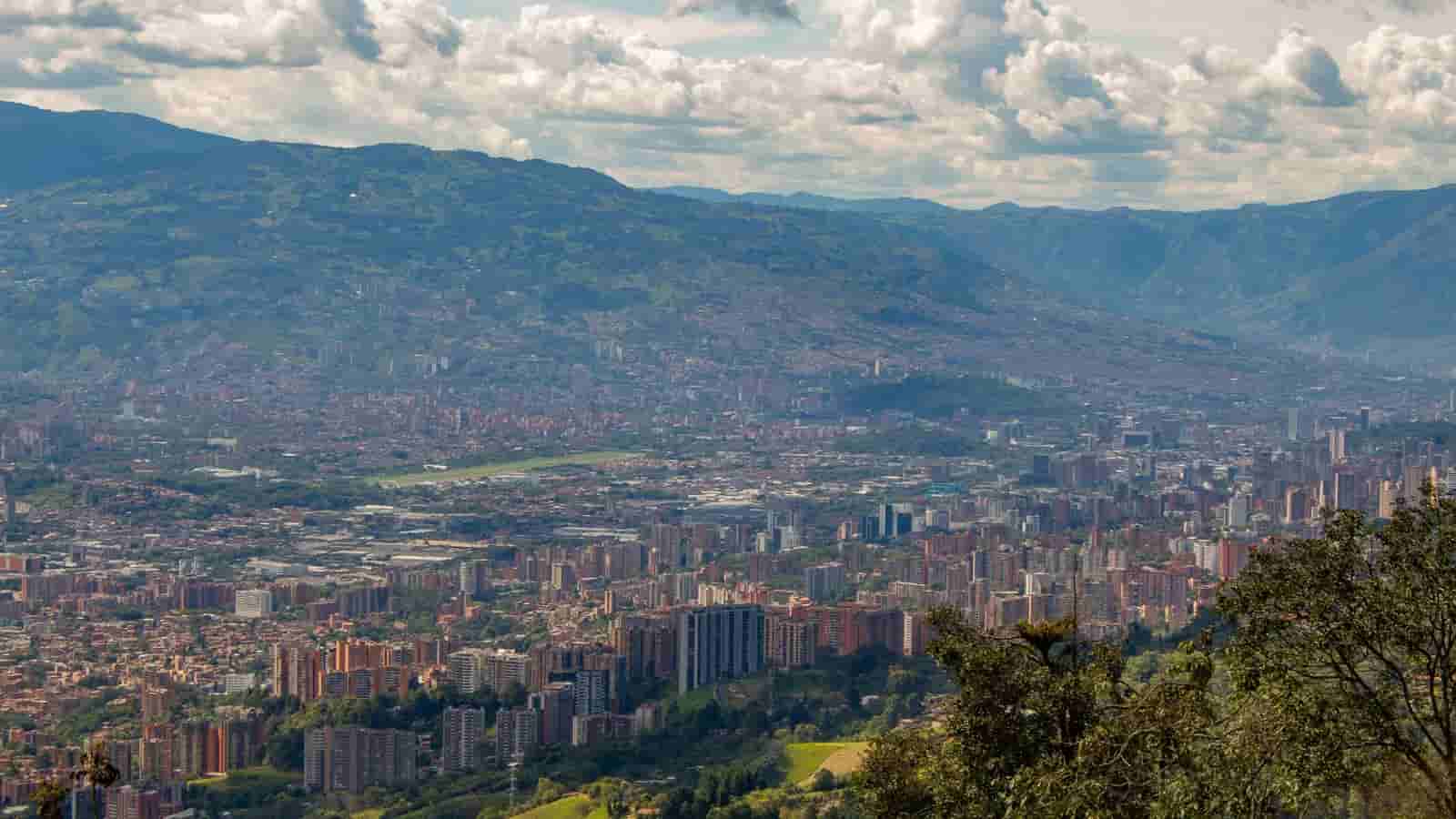
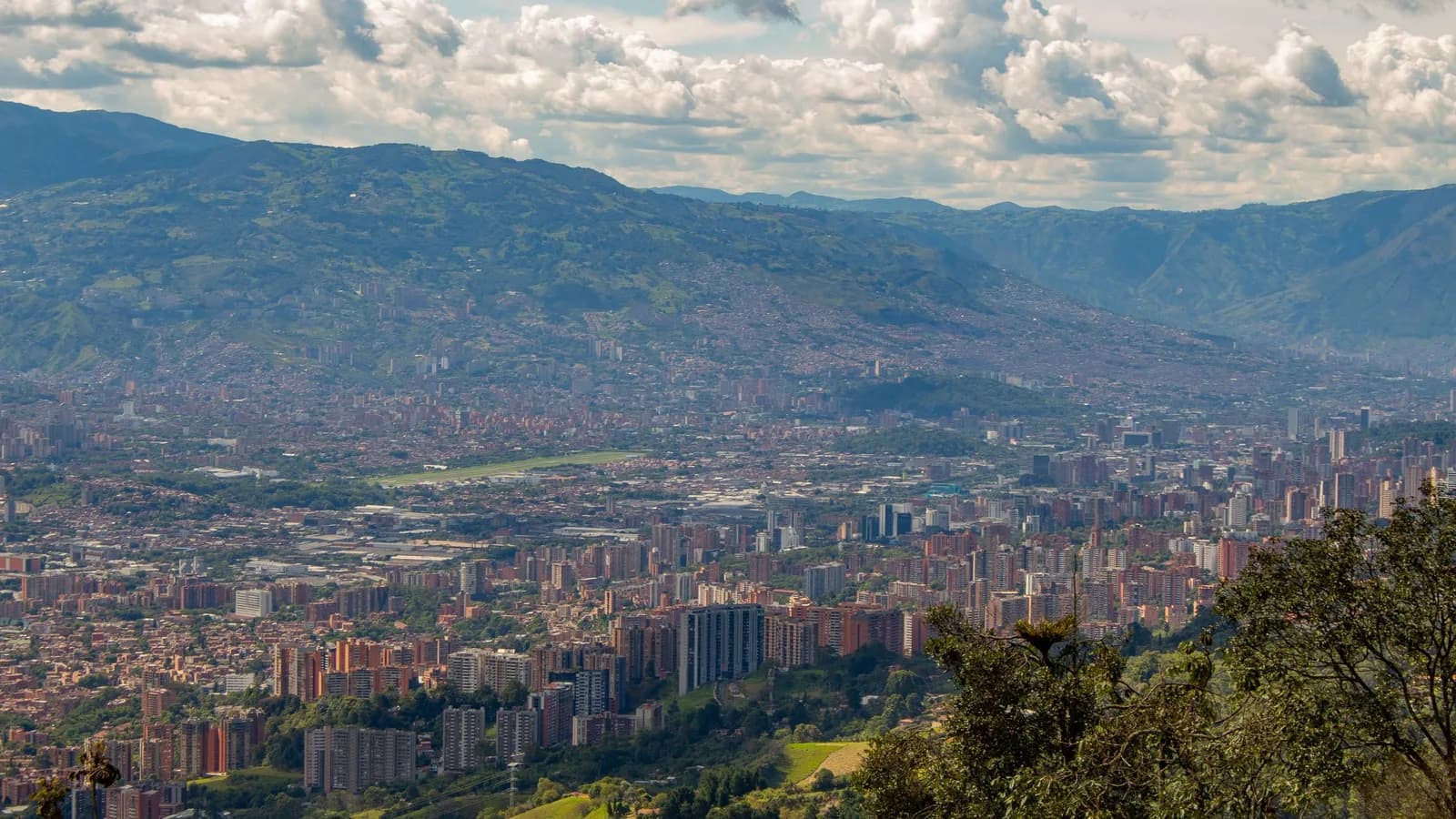
 Mirador de San FelixBelloSan Félix is Bello's high district, about forty minutes by car from Medellín, and its viewpoint is one of the best panoramas in the metropolitan area: from there the Aburrá valley reads whole, with the city spread out below.
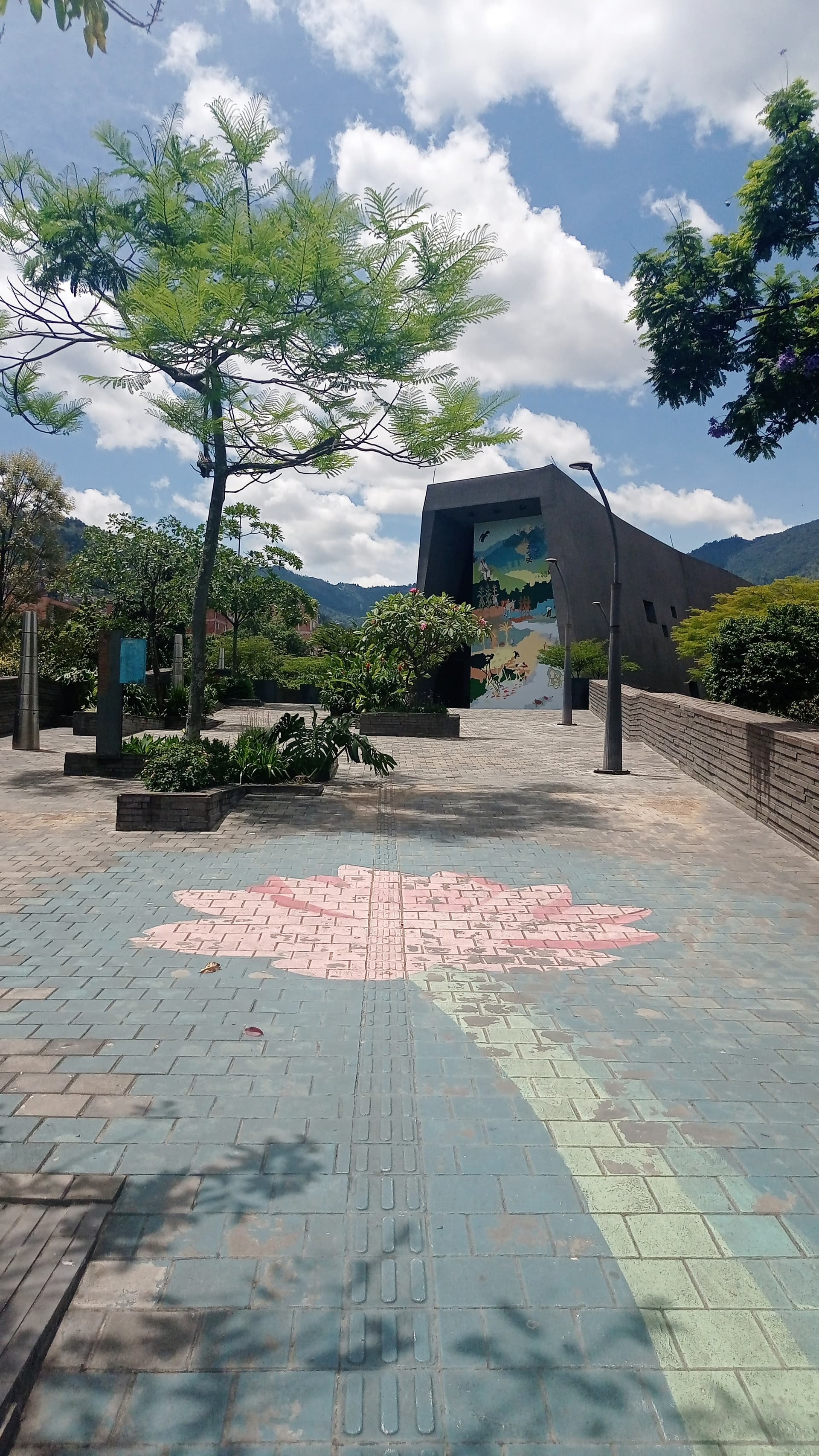 Museo Casa de la MemoriaJesús NazarenoThe Casa de la Memoria was born in 2006 out of an initiative aimed at the victims of the Colombian armed conflict, and is today the space in the city where that history is told without evasion.
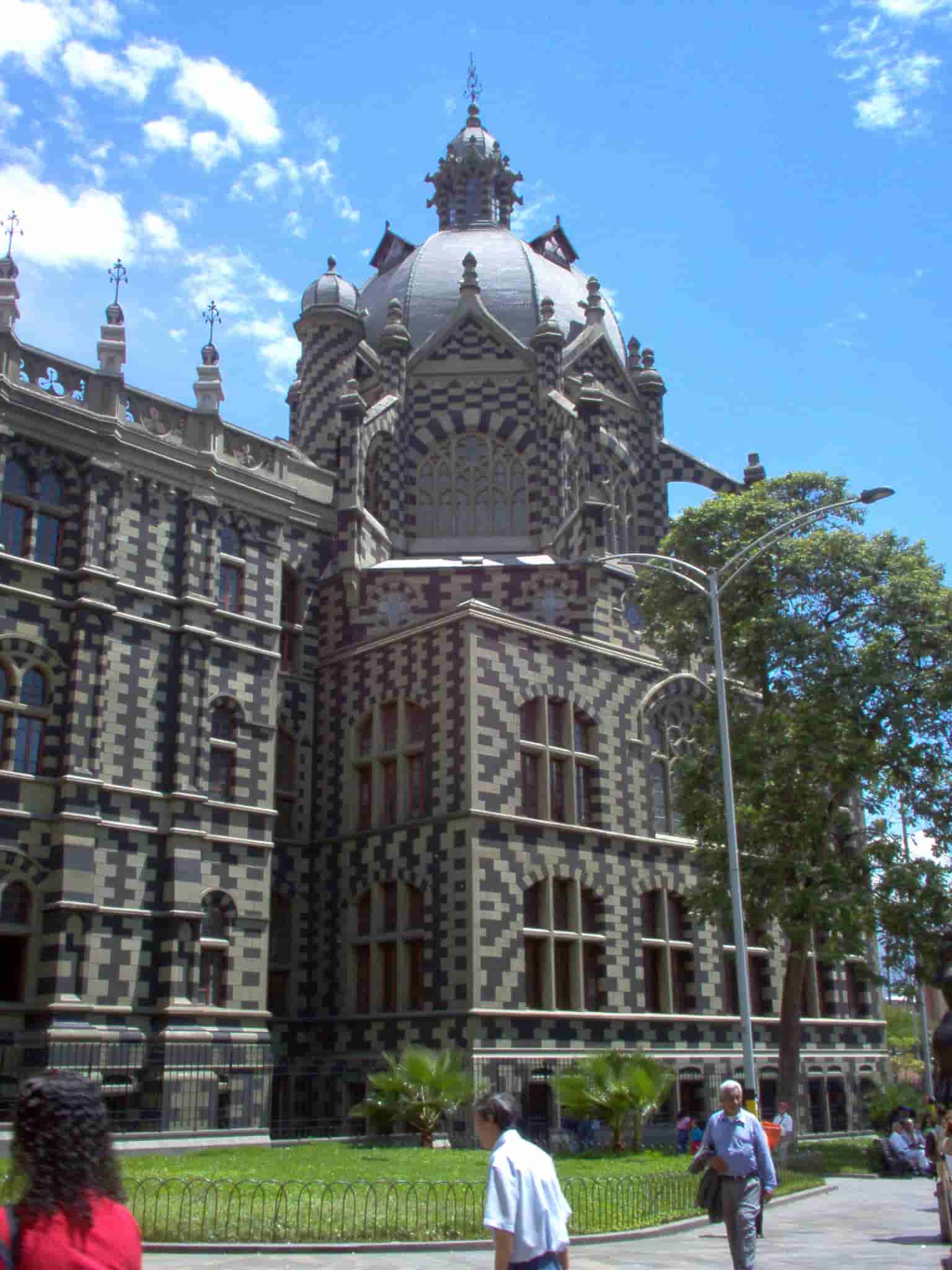
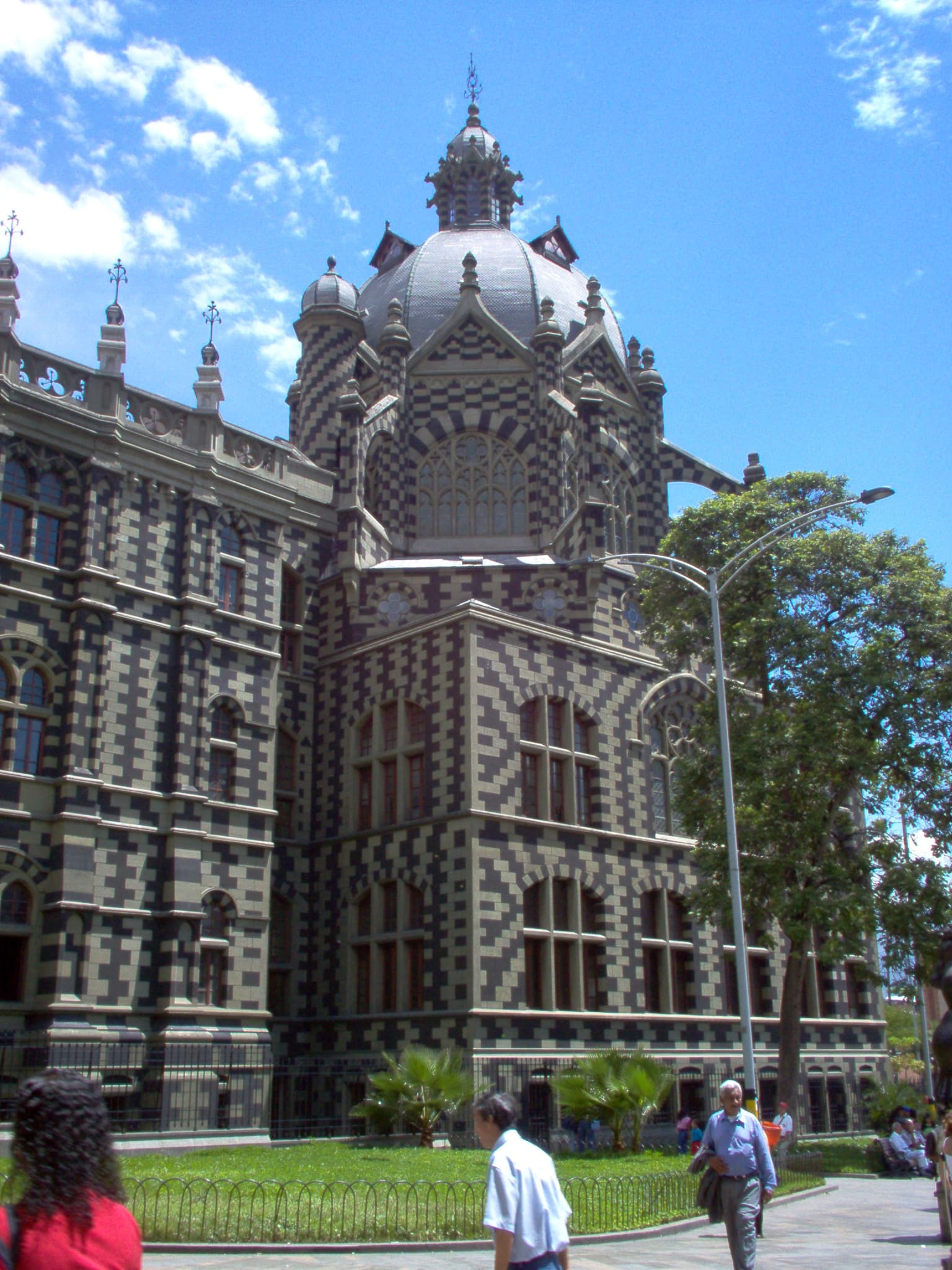 Palacio de la Cultura Rafael UribeLa CandelariaFew buildings identify Medellín as strongly as the Palacio de la Cultura Rafael Uribe Uribe: its black-and-white stripes and castle silhouette turn the corner downtown, beside Plaza Botero.
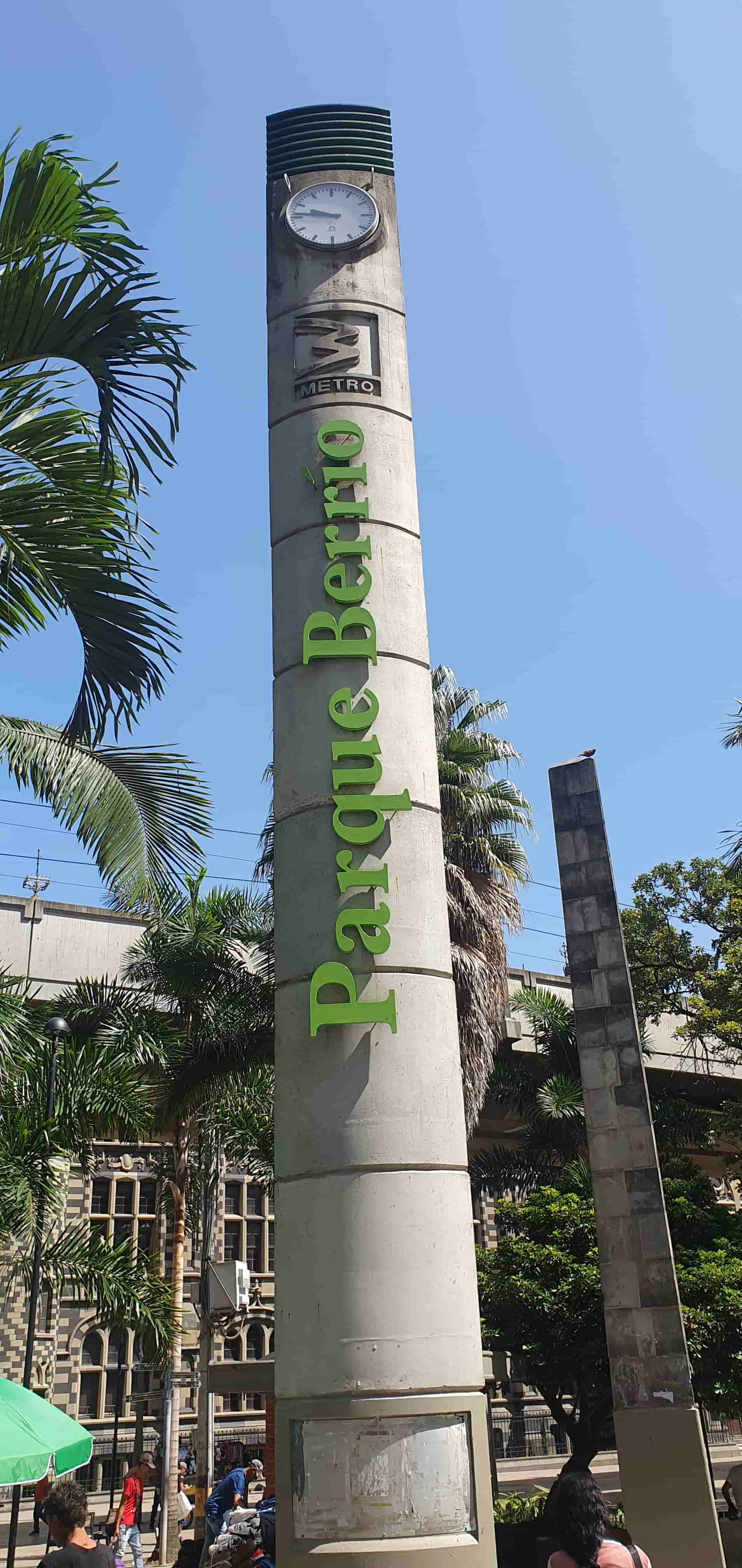
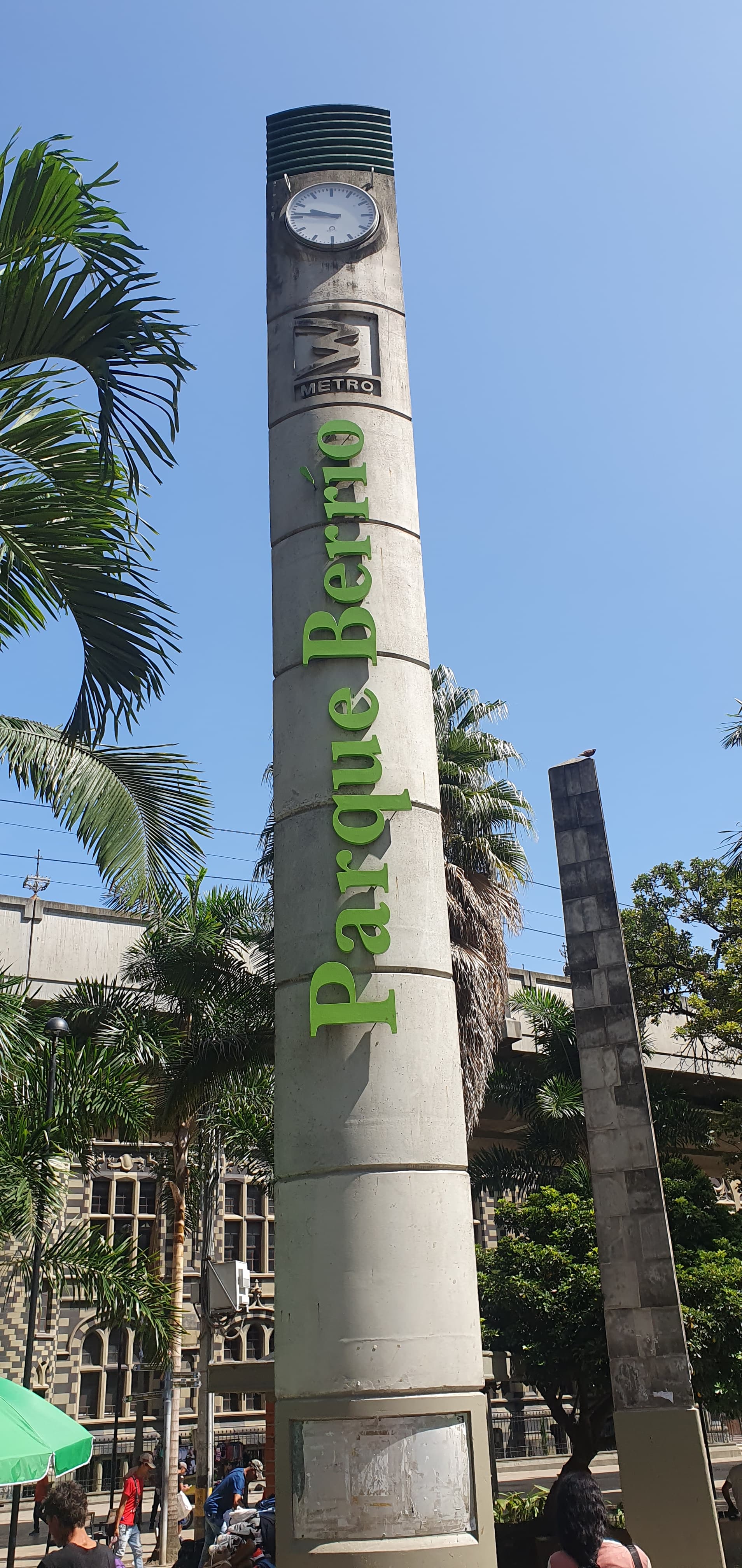 Parque Berrío.La CandelariaParque de Berrío is Medellín's founding centre. The surveyor Agustín Patiño marked it out as the Plaza Mayor on 2 November 1675, and the city grew from there. Between 1784 and 1892 it served as the public market, and it was also the setting for executions and for the great public and political acts of the nineteenth century.
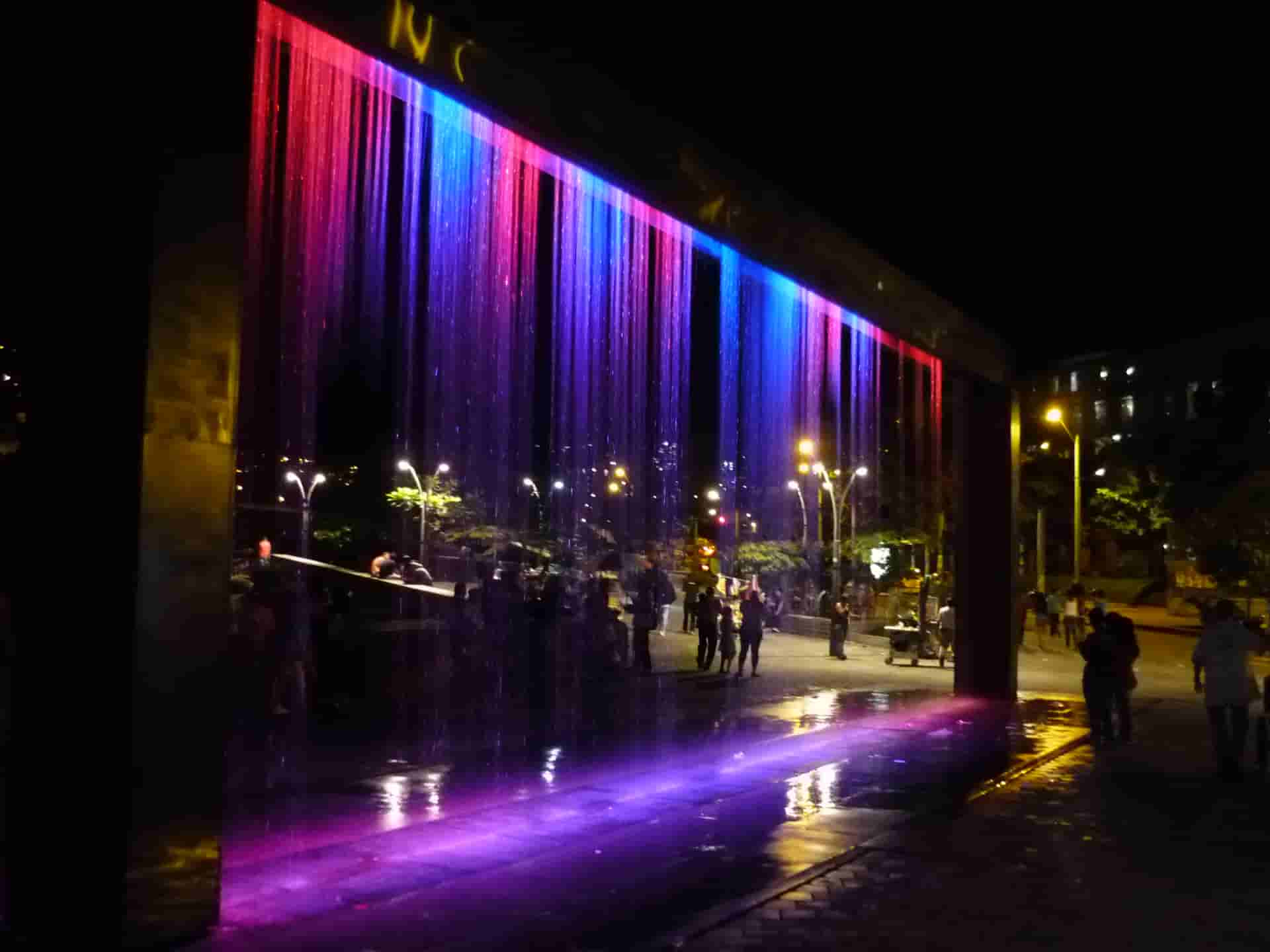
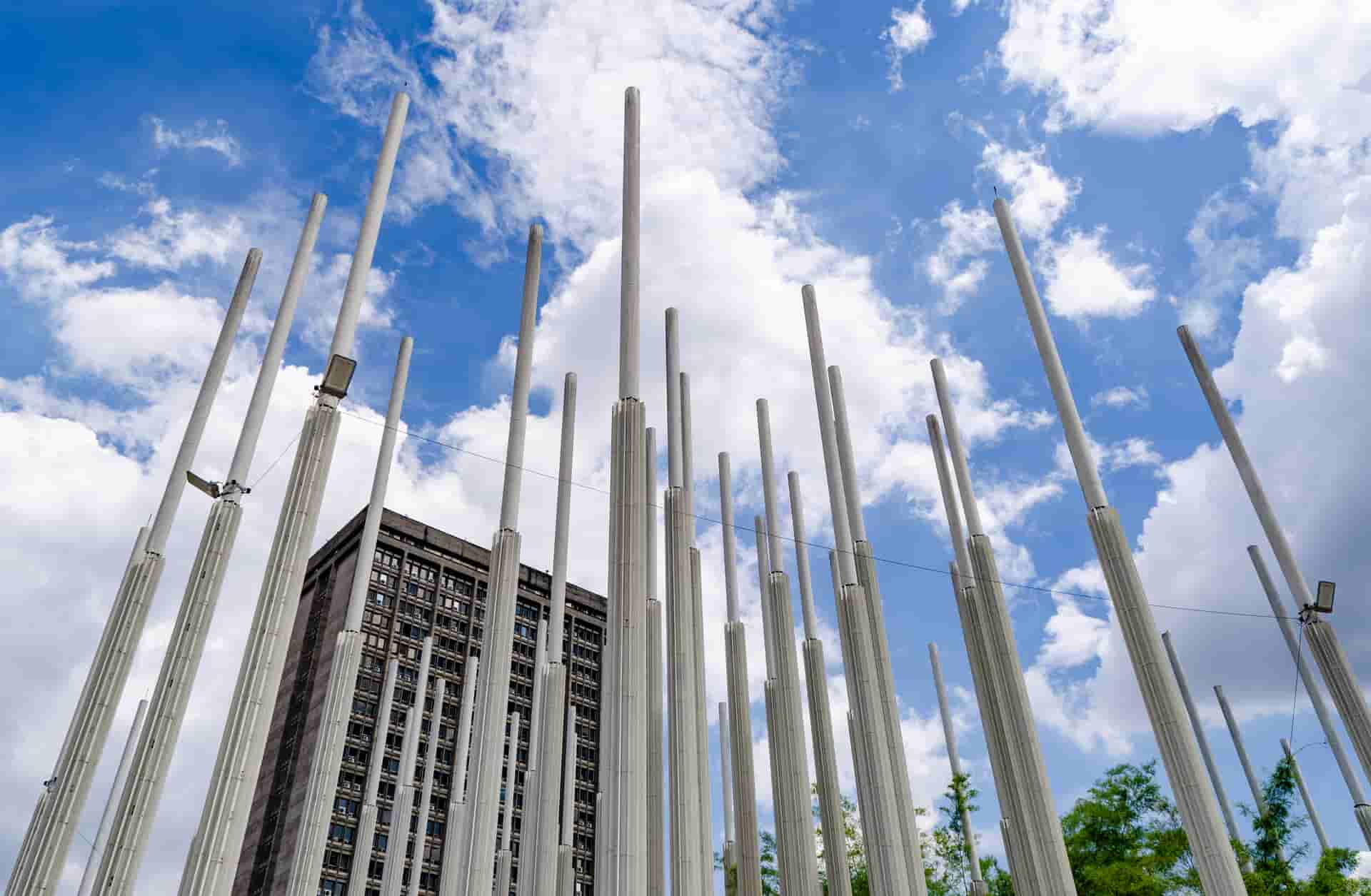
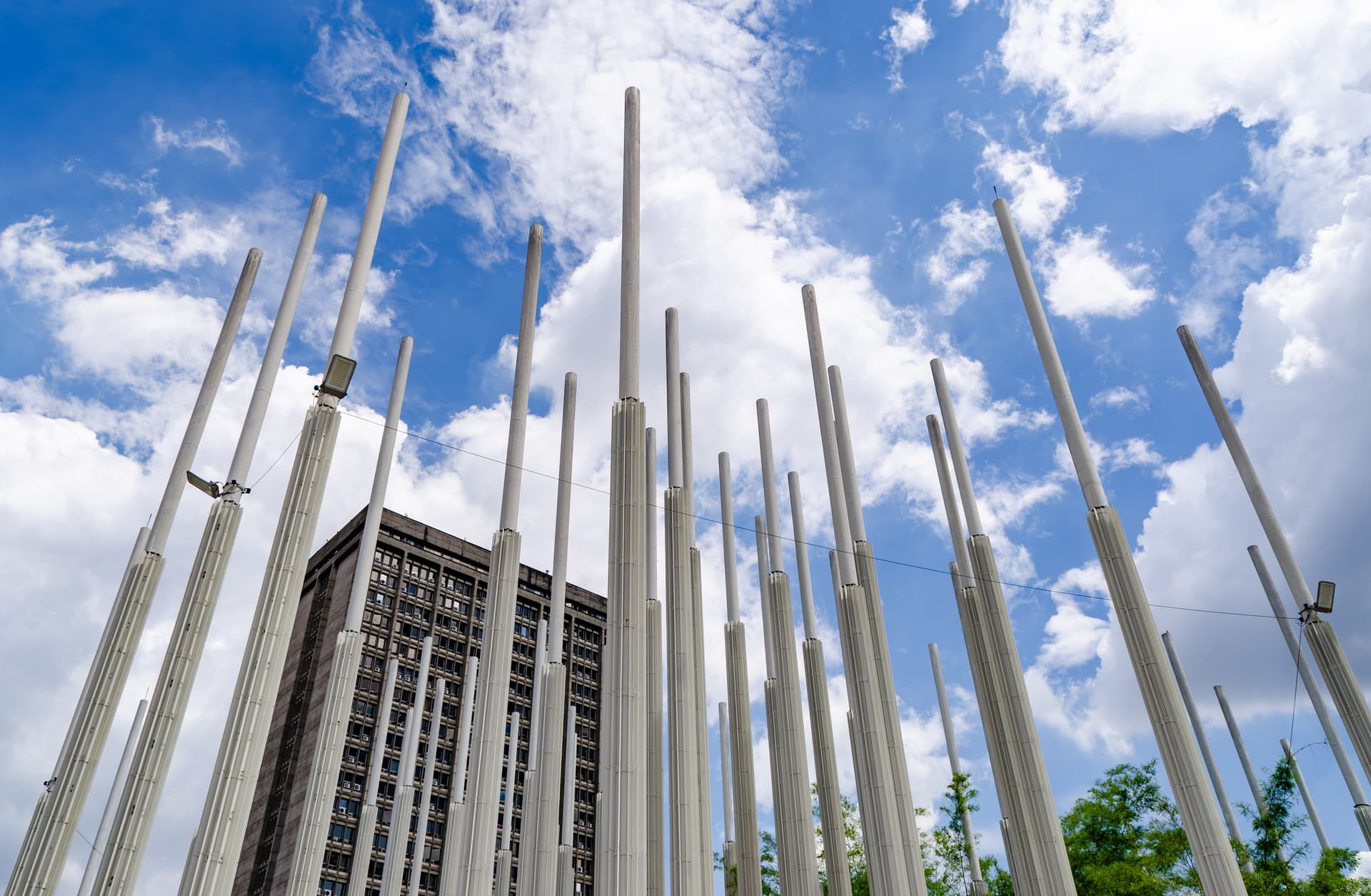 Parque de las LucesLa CandelariaParque de las Luces occupies Plaza Cisneros, right downtown, facing the La Alpujarra administrative centre. It is made of three hundred concrete and metal posts up to twenty-four metres tall, arranged as an artificial forest that gives shade by day and lights up at nightfall with more than two thousand floodlights and well over a hundred floor lamps.
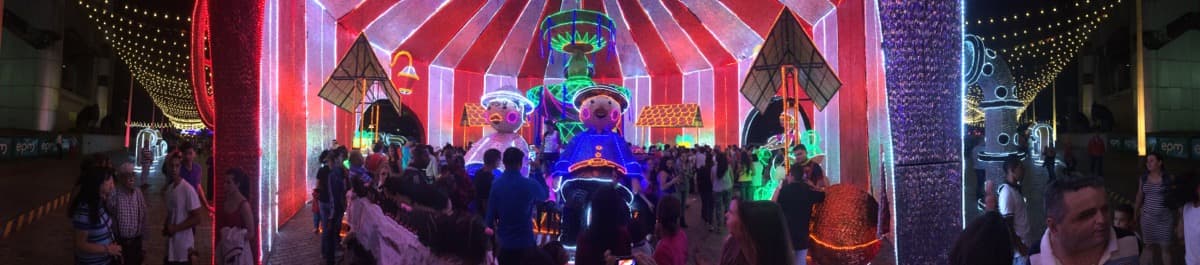 Parque de los Pies DescalzosLa AlpujarraParque de los Pies Descalzos came from a simple and unusual idea for an urban park: that you walk it without shoes. It was designed by the architect Felipe Uribe de Bedout for EPM, and is organised in three zones you cross in that order.
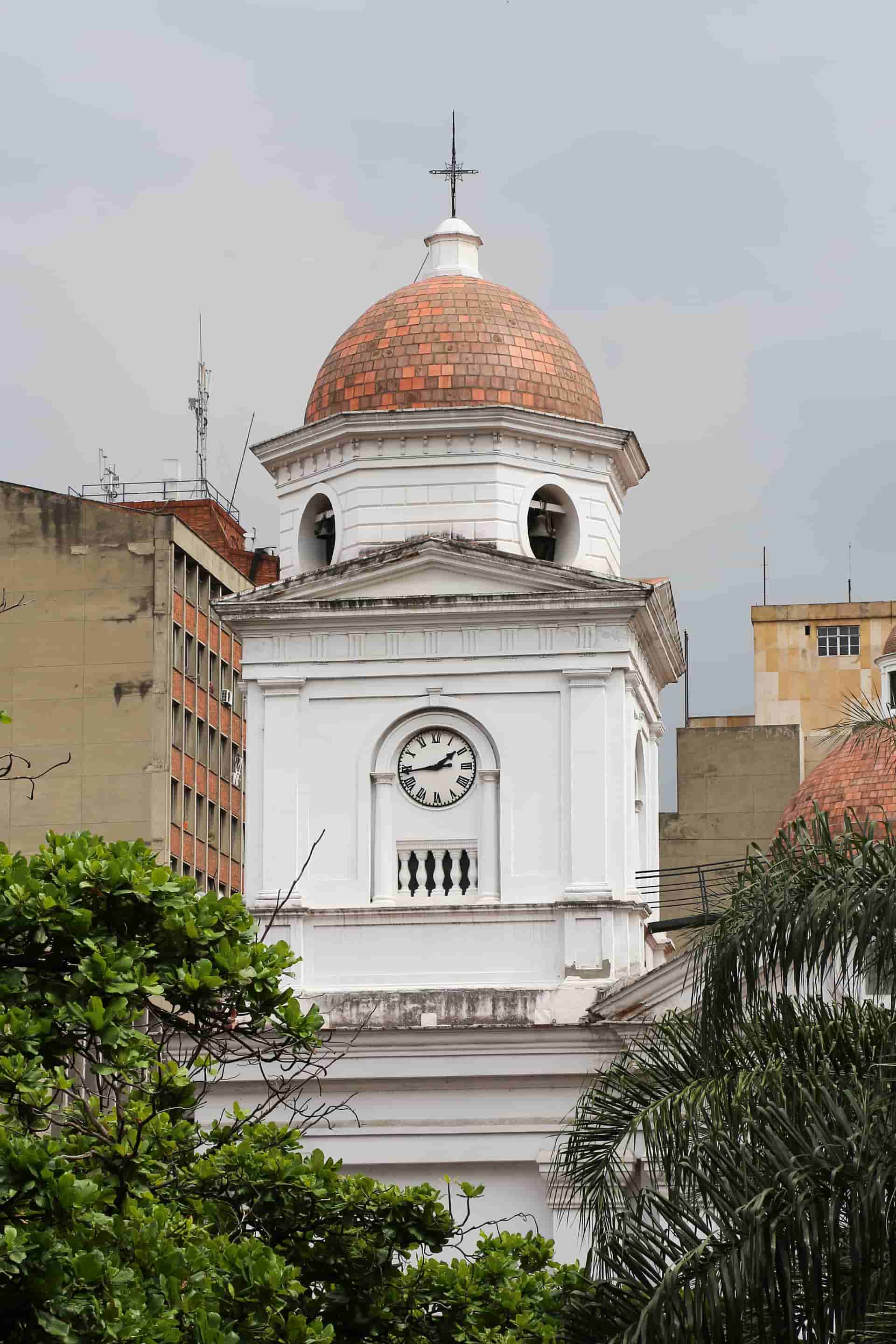
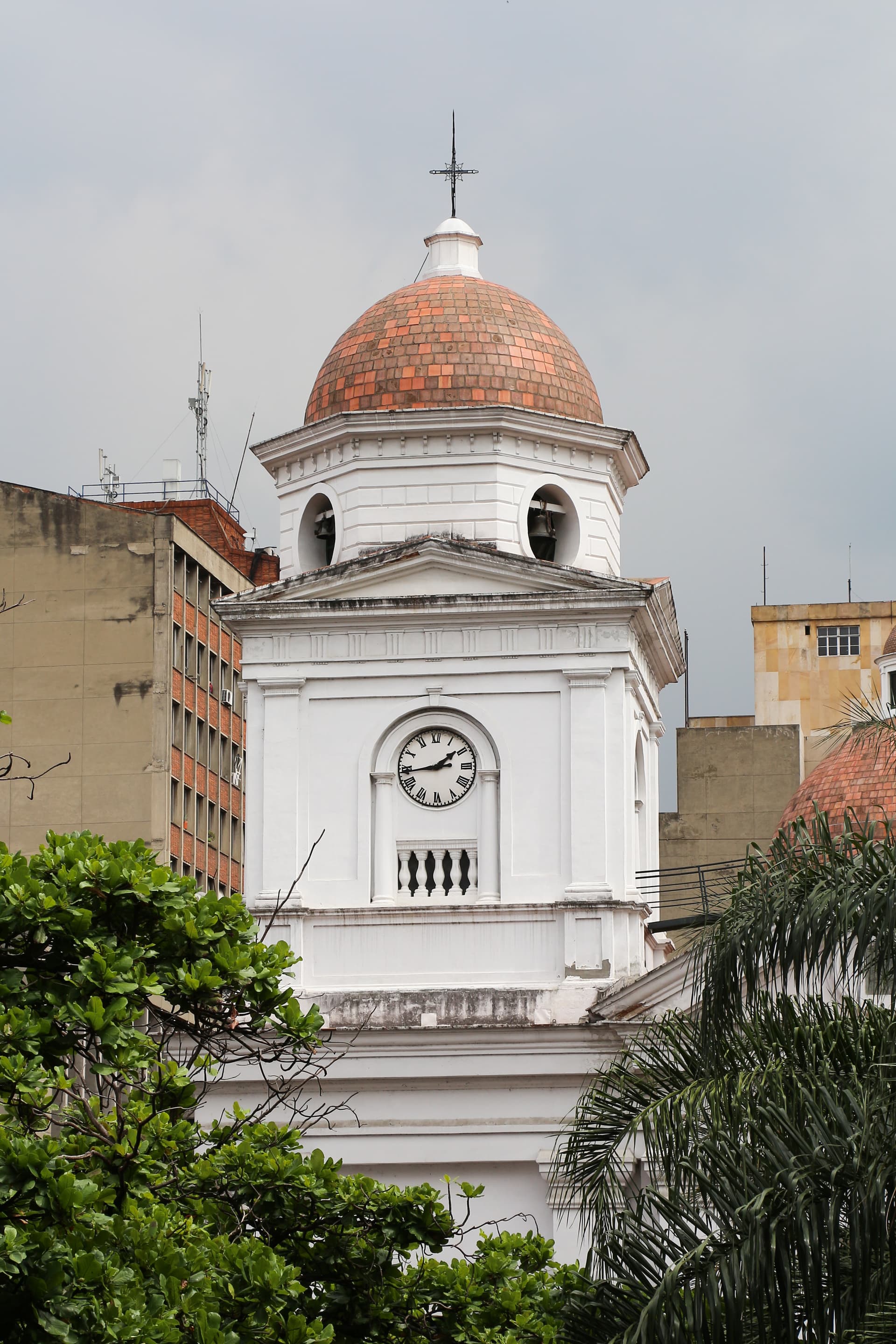 Parroquia Basílica Nuestra Señora de la CandelariaLa CandelariaLa Candelaria presides over the eastern side of Parque Berrío and is the oldest temple still standing in Medellín. There has been a church on this site since 1649; the present neoclassical building was begun in March 1768 and opened in February 1776, to a design by José Varón de Chávez.
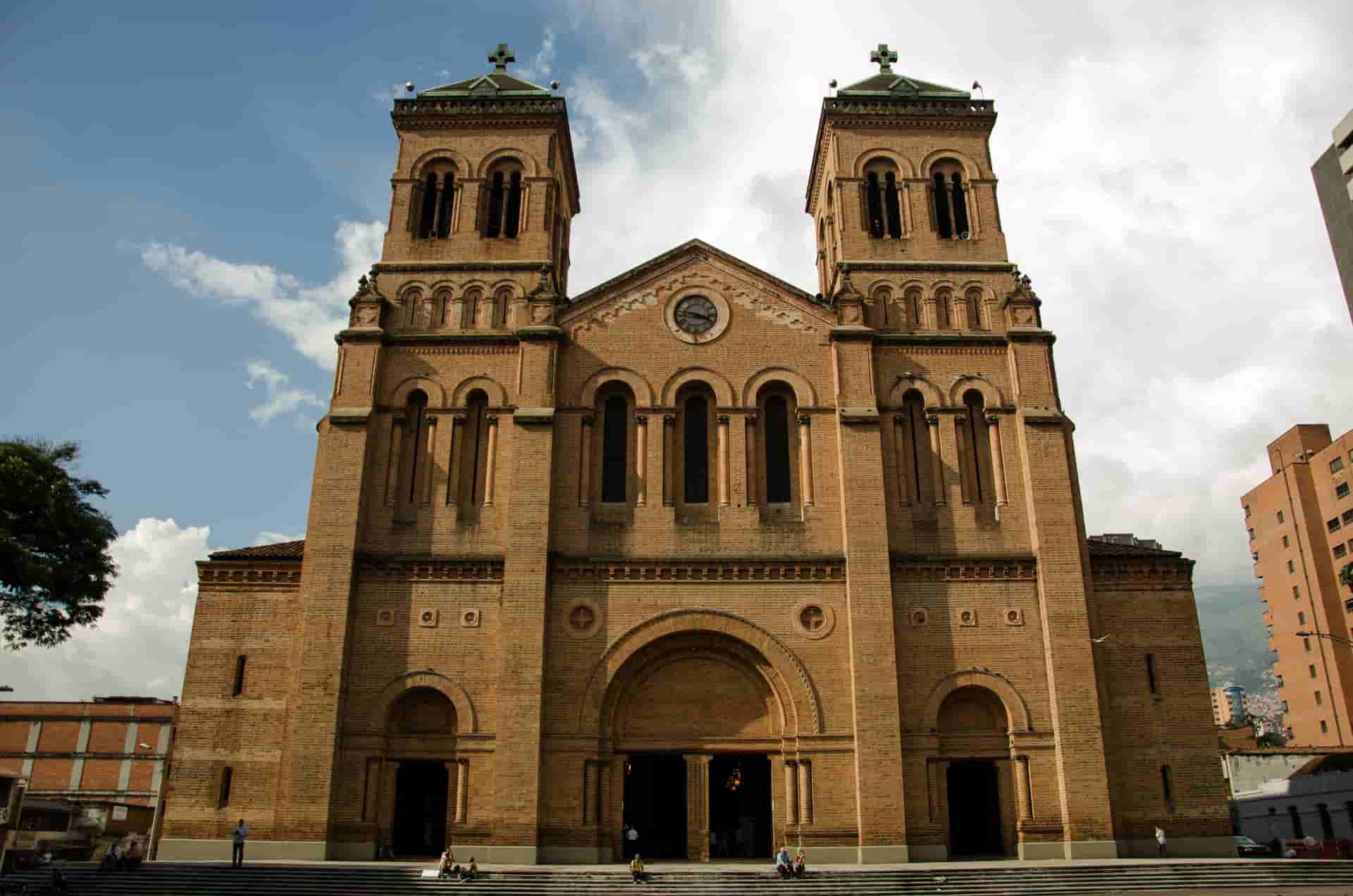
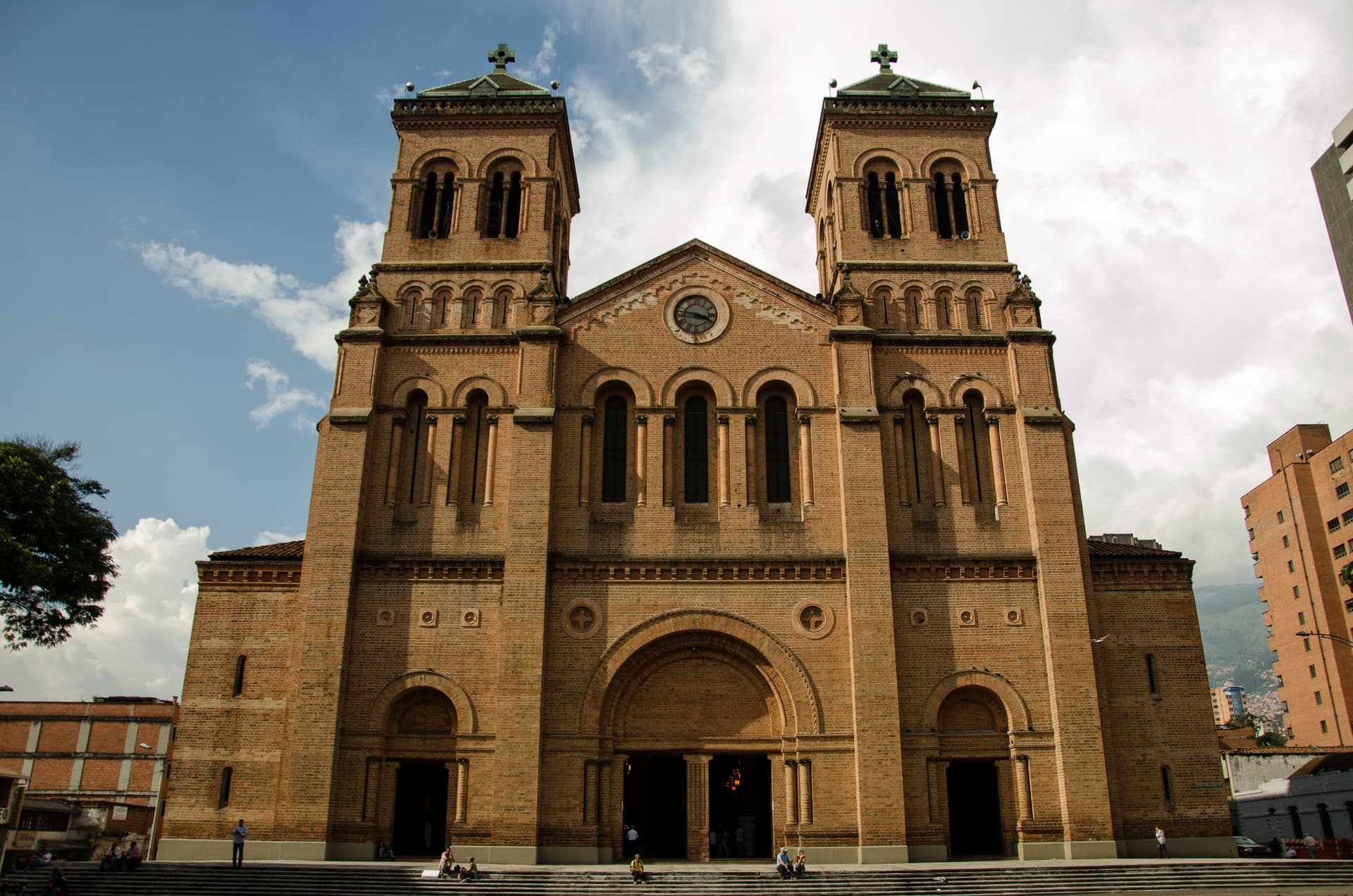 Parroquia La Catedral Metropolitana de MedellínLa CandelariaThe Metropolitan Cathedral presides over Parque Bolívar with a mass of brick that resembles nothing else in the city. It was designed by the French architect Charles Carré in neo-Romanesque style, begun in January 1890 and completed in August 1931: forty-one years of work.
- La "Mini Meseta"BelloNeighborhood park known to locals simply as La Mini: an open esplanade with a sports court, green areas and benches that serves as the meeting point of Altos del Porvenir.
- Top ratedParque La HeliodoraEnvigadoLa Heliodora is Envigado's urban lung and, by area, the largest public space in an urban zone in the whole Aburrá valley: some twenty-four hectares following the course of the stream it is named after.
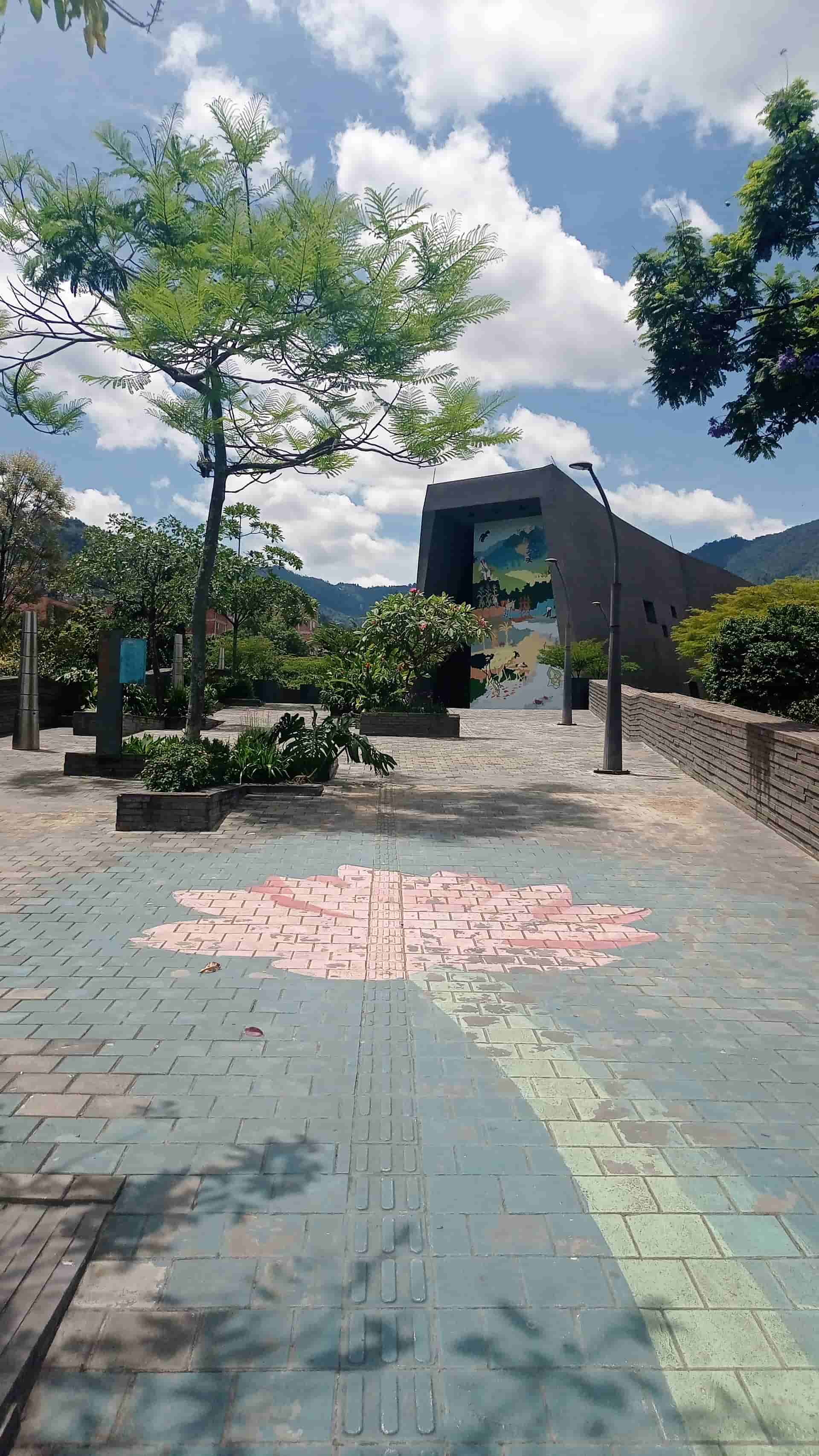
- Parque Biblioteca Santo Domingo SavioSanto Domingo SavioThe Parque Biblioteca Santo Domingo Savio — known for years as the Biblioteca España — is one of Medellín's most photographed buildings: three tilted black volumes Giancarlo Mazzanti planted high on the hillside so they would read as rocks on the mountain. It opened in 2007 as the centrepiece of social urbanism in the north-east.
- La MesetaBelloLa Meseta is Bello's go-to viewpoint: a high, open esplanade from which you see the whole town and, turning round, a good part of Medellín.
- Mirador las palmas No2Vía Las PalmasThe Las Palmas road climbs from Medellín towards eastern Antioquia and the airport, and along the way it leaves several public viewpoints leaning out over the valley. This is one of the most used.
Before you go
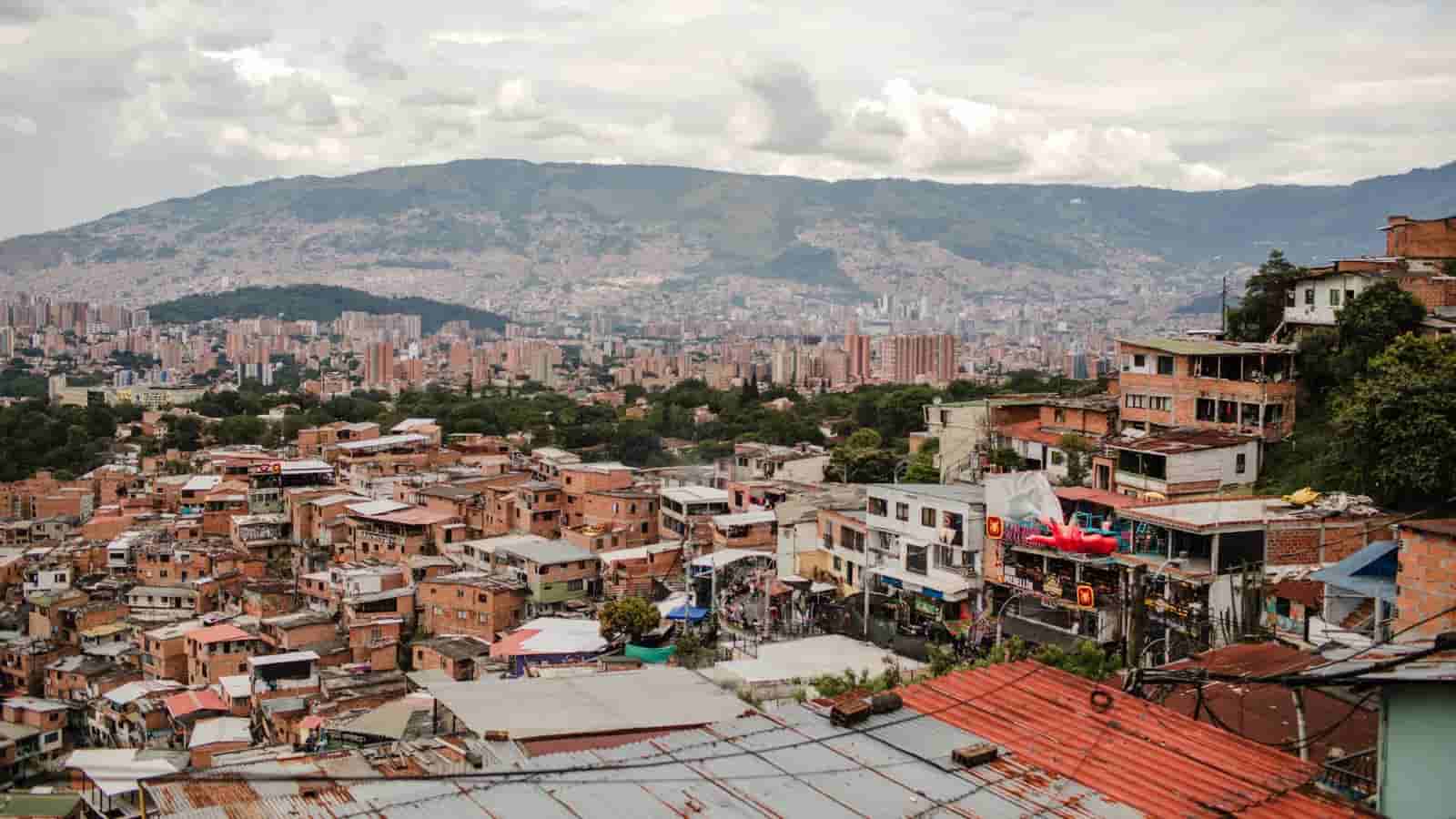
You can get to know Medellín very well without paying for a single ticket. This collection gathers free-entry plans, ranked from best rated down: the Botanical Garden, Plaza Botero and its sculptures, parks such as Parque de los Deseos or Parques del Río, museums such as the Casa de la Memoria, libraries, historic churches, viewpoints and hills with trails.
With a little planning, you get a full day for almost nothing. In the morning, the Botanical Garden and Parque de los Deseos, next to each other by Universidad station. At midday, take the Metro downtown to see Plaza Botero, the Palace of Culture and Parque Berrío. In the afternoon, the Biblioteca Pública Piloto or a neighbourhood park, and to finish, a sunset from a viewpoint. The towns around the valley add their main squares, cultural centres and viewpoints such as La Meseta in Bello.
Free does not mean no costs at all: budget for transport, where the Metro with a rechargeable Cívica card is the most practical and cheapest option, and for water and a snack. Some free places ask you to register at the entrance or cap numbers in busy seasons, so arrive in good time. And if a guide or street performer gives you their time, a tip is the way to say thanks.