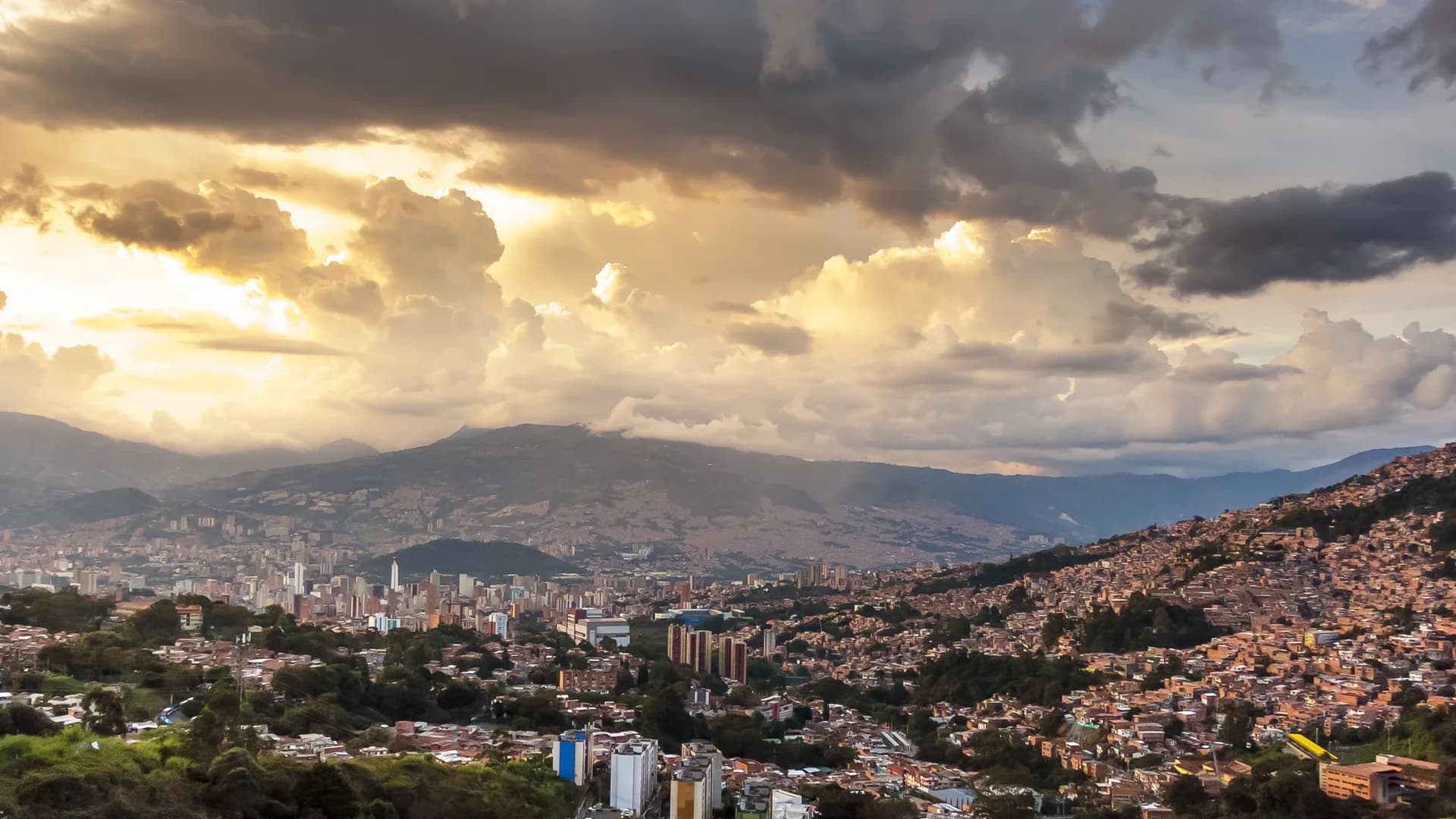
Newly arrived or passing through, the city overwhelms with options and a social circle takes time to form. This guide sums up the practical side: which areas to choose, how to get around, which safety habits to keep and how to settle in beyond tourism.
Integrating goes beyond tourism
Foreigner groups on social media help answer questions, but rarely turn into real outings. Settling in means having a routine: a café you return to, a class, a sport, a language exchange. The iconic sights — Plaza Botero, Comuna 13, Pueblito Paisa, Parque Arví — are worth the visit, but the life of the city is in its neighborhoods. Alternate sightseeing with neighborhood plans and you will meet locals much earlier.
Neighborhoods with social energy
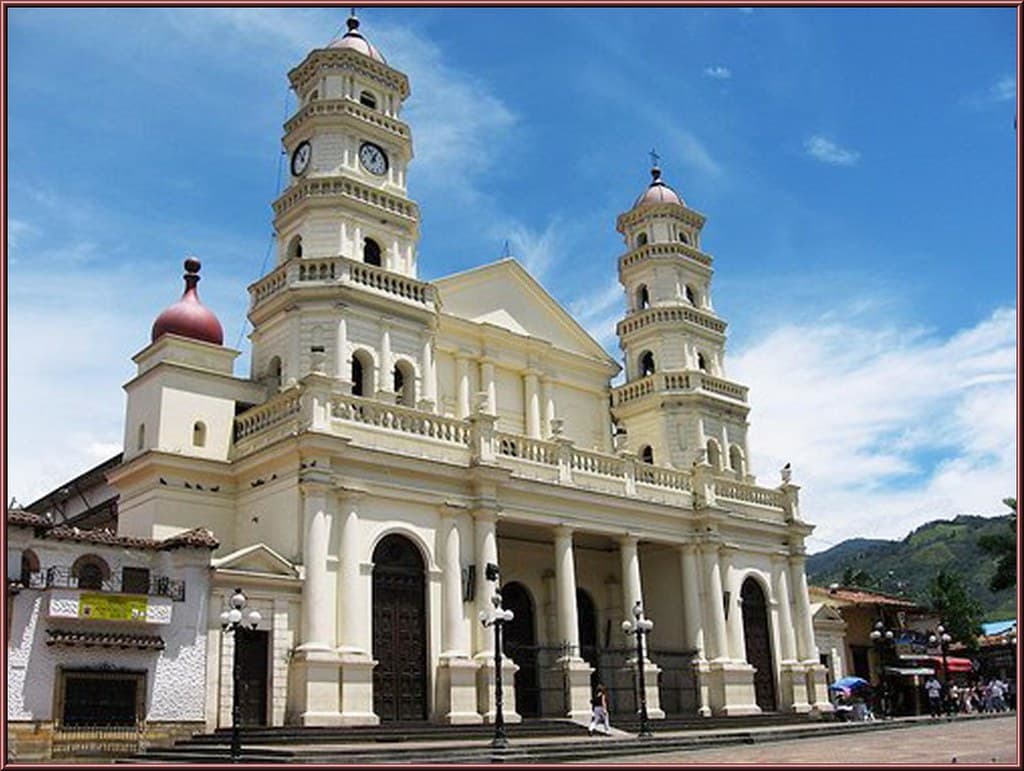
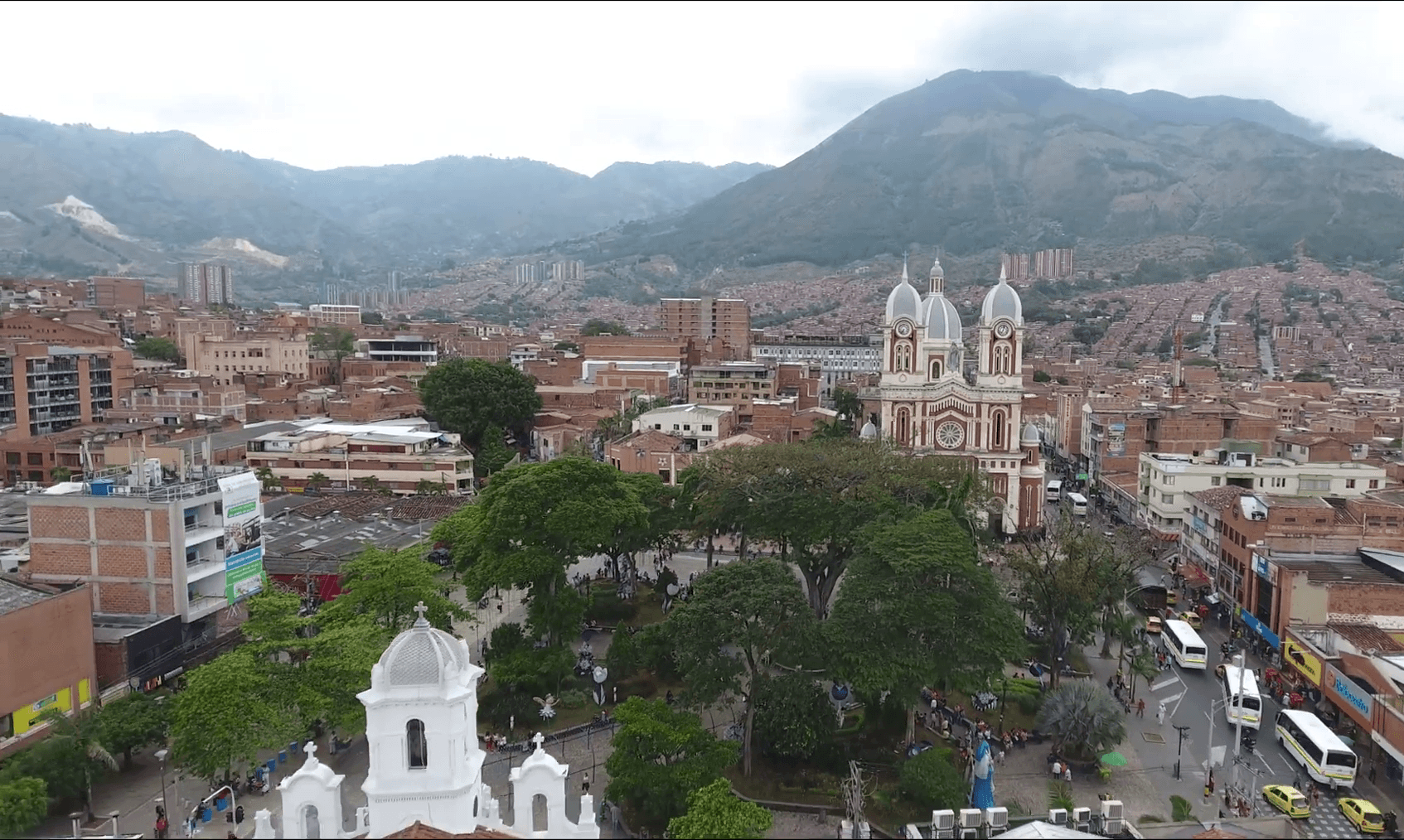
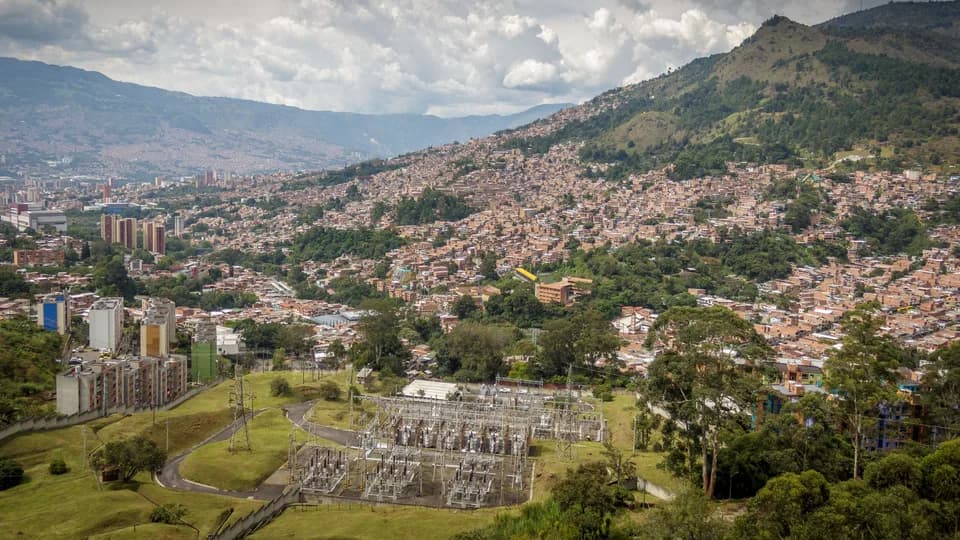
El Poblado and Laureles concentrate social life and a good share of the foreigners. El Poblado has more English-language options, international restaurants and nightlife around Provenza and Parque Lleras. Laureles is more residential, flat and walkable, with cafés, parks and a more local feel. Envigado, to the south, offers a small-town pace and good food, and downtown holds the city's history and is best visited by day.
Comfort lowers your guard
Medellín is easy for newcomers, which is exactly why it pays to keep the habits of any big city. Don't flash your phone in the street or leave it on the table at terraces, carry only the cash you will use, and order taxis through an app. On dates with people you met online, meet in public places and never leave your drink unattended. Locals sum it up in a saying: «no dar papaya» — don't make it easy for anyone.
Basic Spanish opens doors
A handful of phrases completely changes how you are treated outside the most touristy areas. Greeting before asking — «buenas», «¿me regala…?» — is part of local courtesy, and you will hear «parce» and «parche» in almost every conversation. In small shops, markets and buses hardly anyone speaks English. A language exchange is both a Spanish class and a way to meet people.