

Other areas of Medellín
Explore Other areas of Medellín with verified places and an interactive map.
- 81 places
- 54 zones
- 15 categories
- average
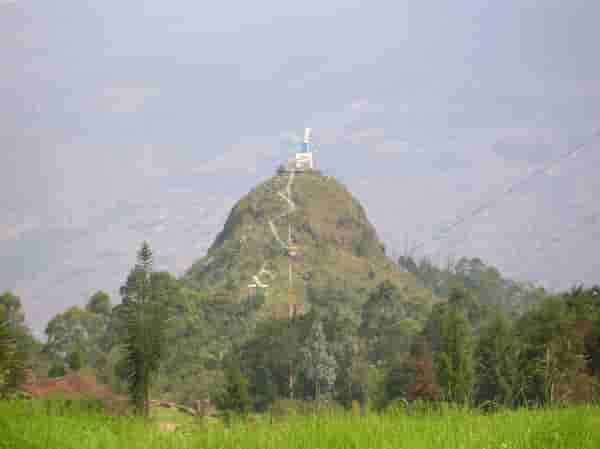
- Top ratedCerro de las Tres Cruces MedellínBelén / Altavista (suroccidente)Cerro de las Tres Cruces is Medellín's default walk: a short but demanding climb in the south-west of the city, inside the Altavista district.
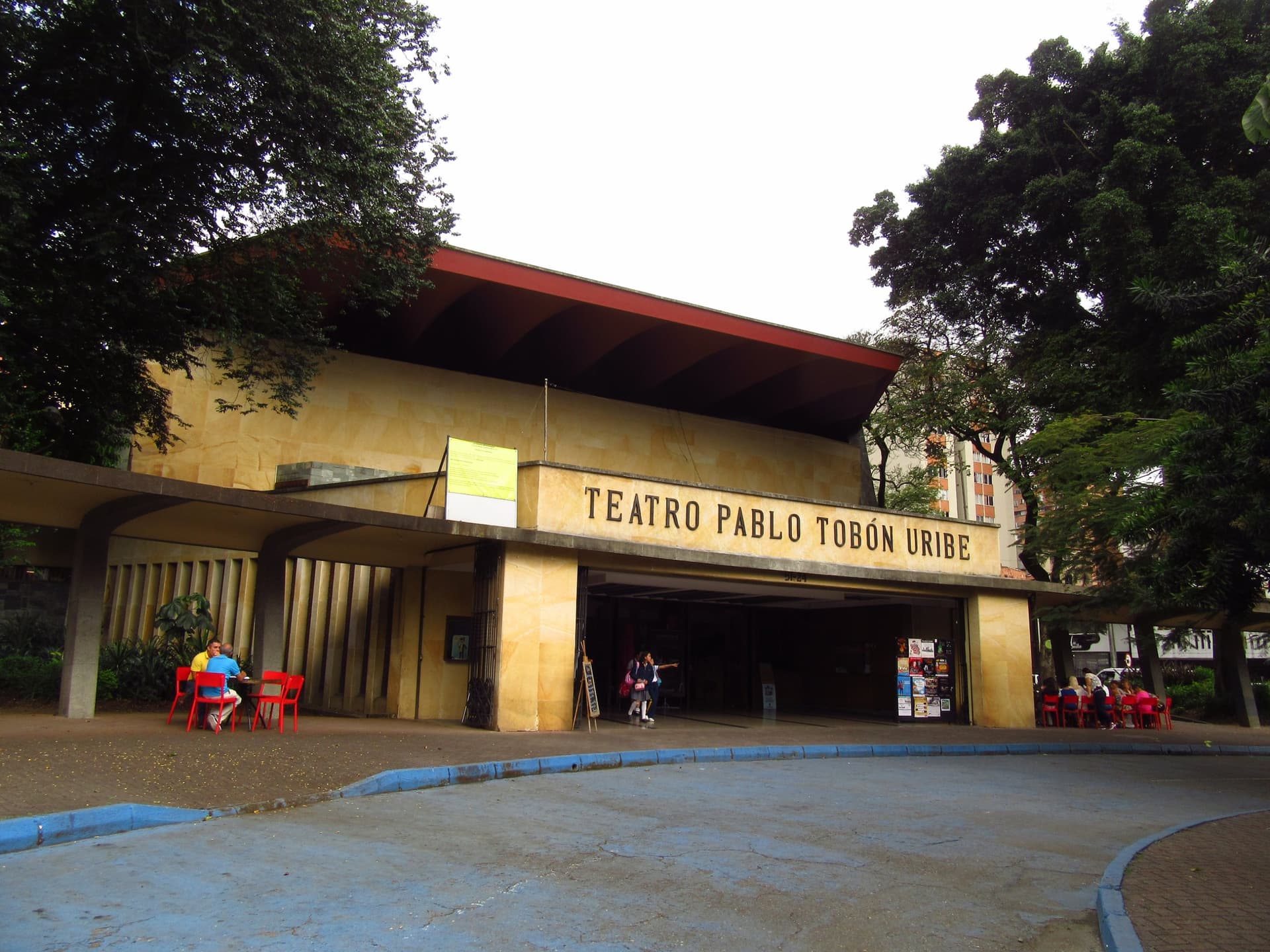 Top ratedTeatro MatacandelasBostonFounded in 1979 and designated Living Cultural Heritage of Medellín in 1991, Teatro Matacandelas is one of Latin America's premier independent theater ensembles. Housed in a charming historic republican mansion downtown, it stages world-class repertory theater, musical poetry, acoustic concerts, and puppetry.
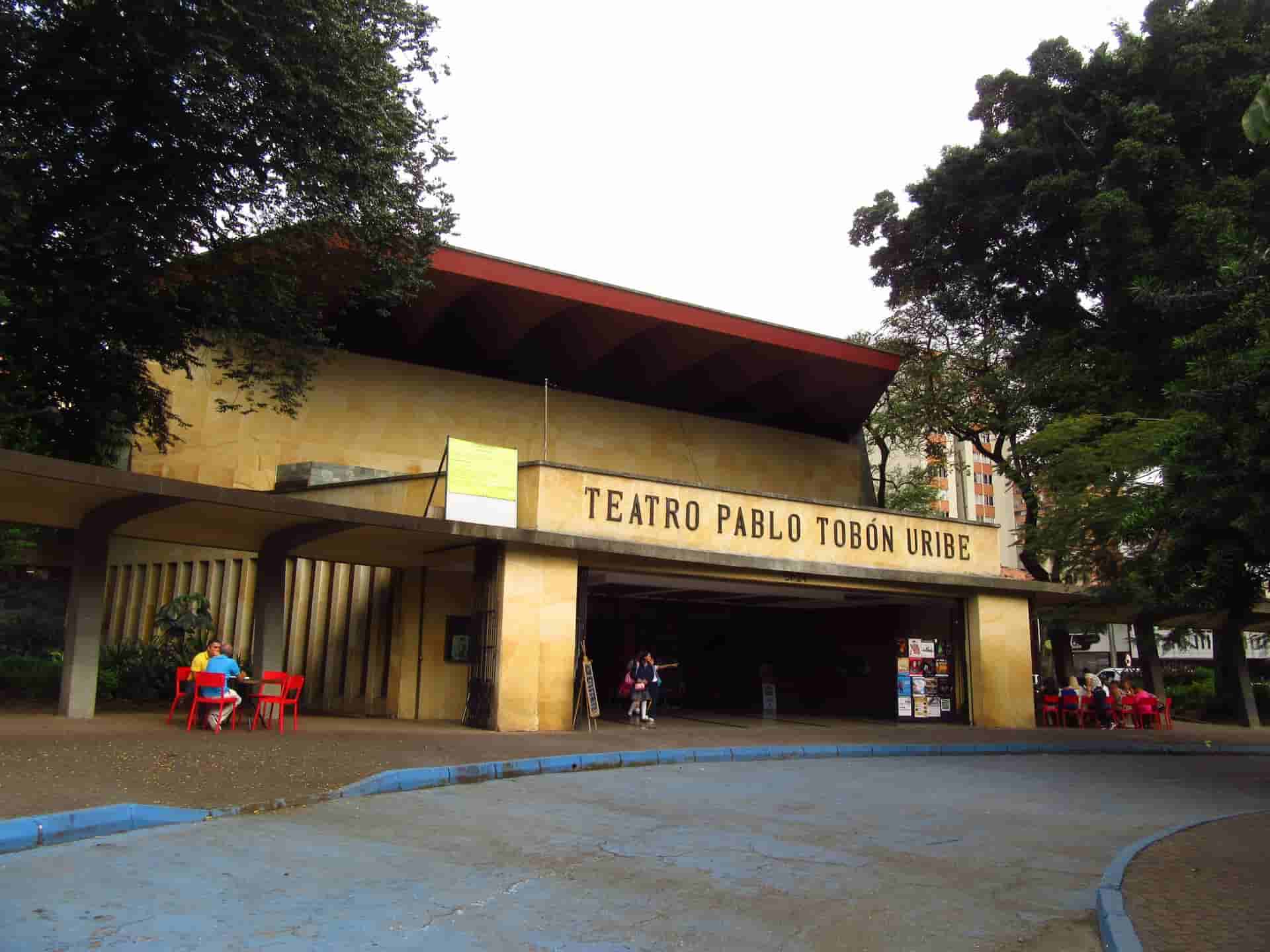
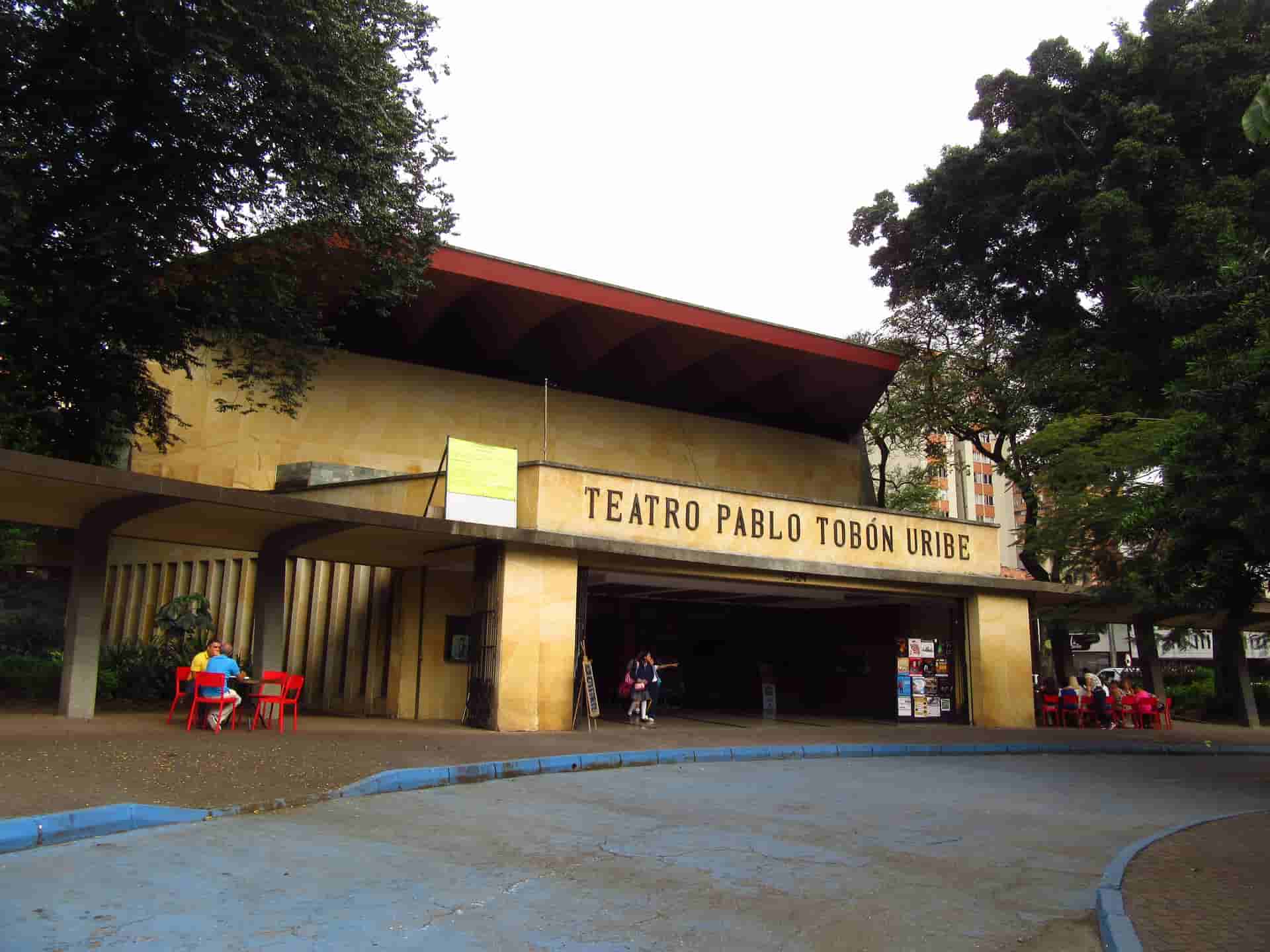
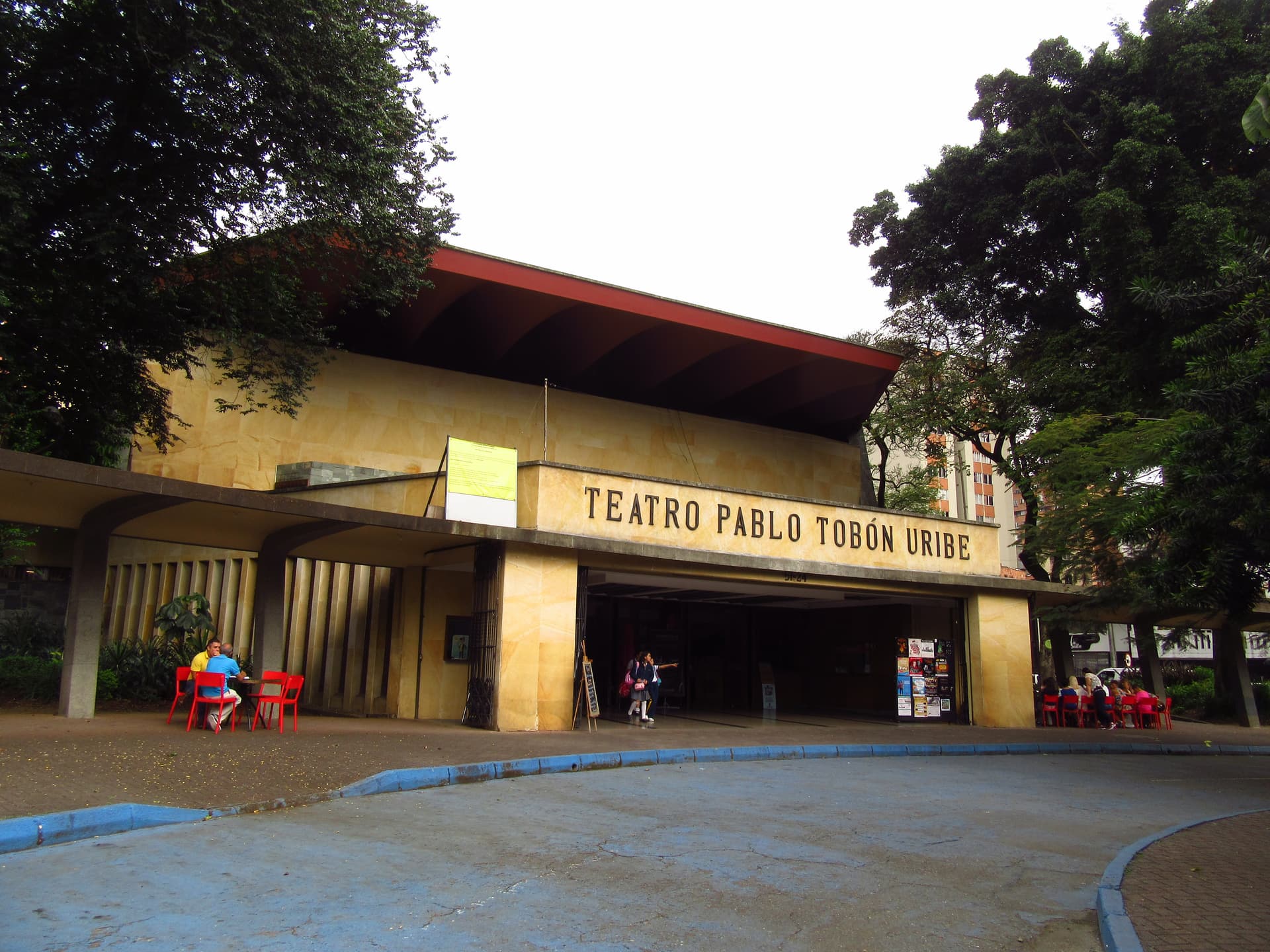 Teatro Pablo Tobón UribeLa CandelariaThe Pablo Tobón Uribe opened in 1967 thanks to the bequest of the businessman it is named after, and has since been one of Medellín's reference venues.
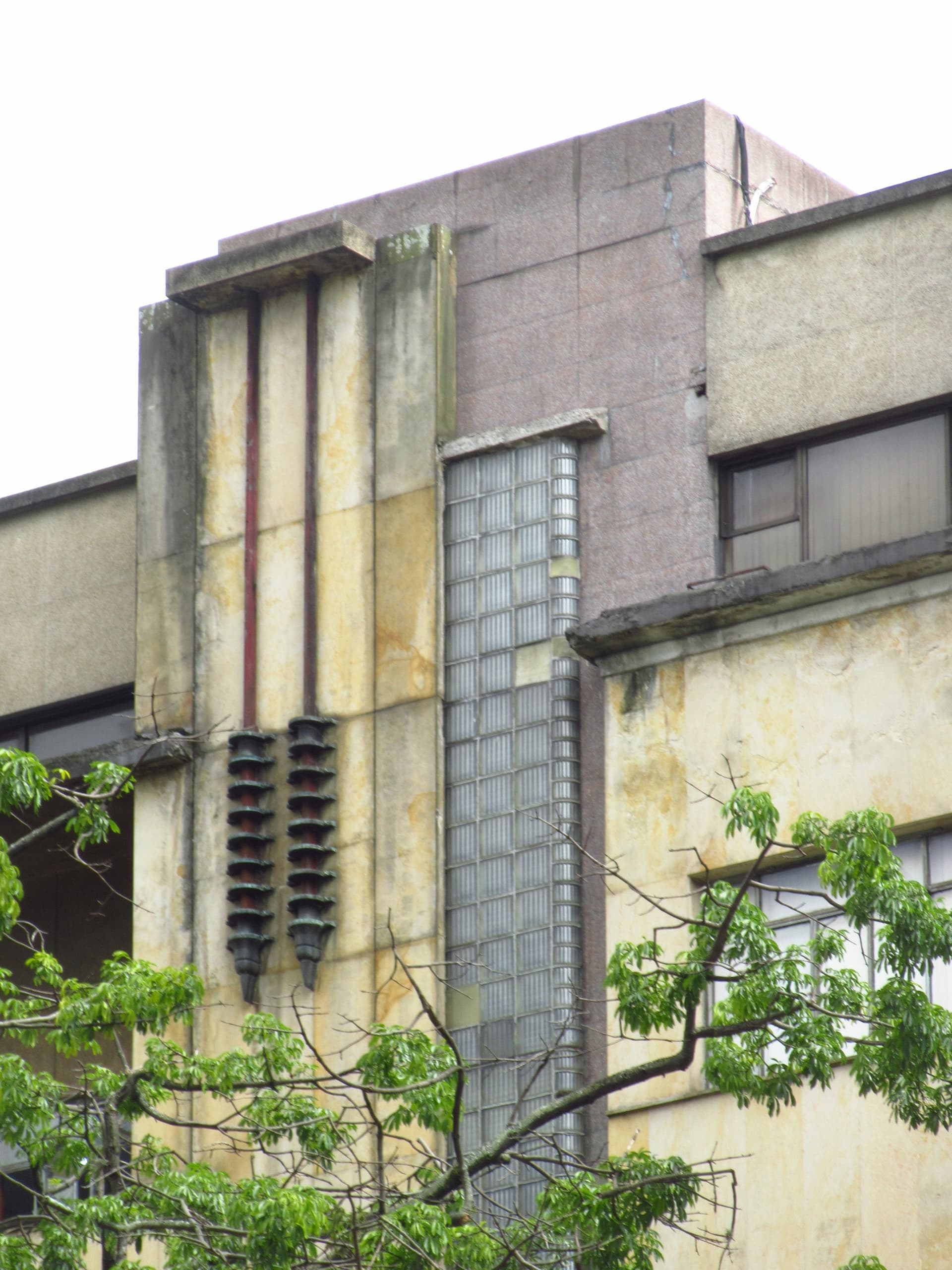 Top ratedCafé VersallesLa CandelariaOpened in 1961 by Argentine native Leonardo Nieto, Salón Versalles is one of Medellín's most cherished living cultural landmarks. The historic gathering hub for Nadaísta poets, writers, journalists, and tango aficionados, renowned for authentic Argentine empanadas, milanesas, and fresh mandarin juice.
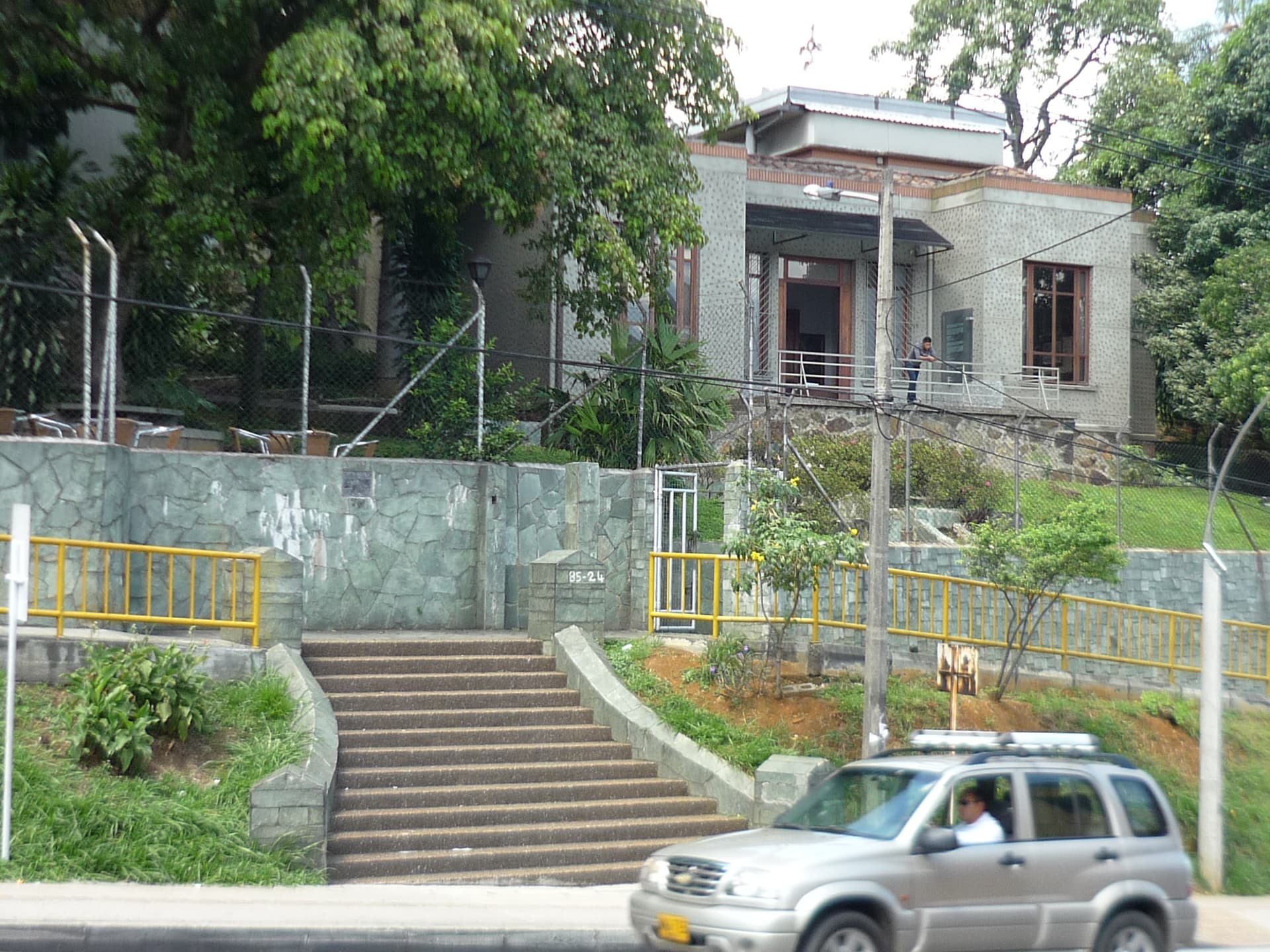 Top ratedCasa Museo Pedro Nel GómezAranjuezThe private residence, studio, and permanent museum of master Colombian muralist and polymath Pedro Nel Gómez (1899-1984). Set in the northern neighborhood of Aranjuez, it preserves over 3,000 artworks and 160 square meters of breathtaking original wall and ceiling frescos exploring social struggles and mythology.
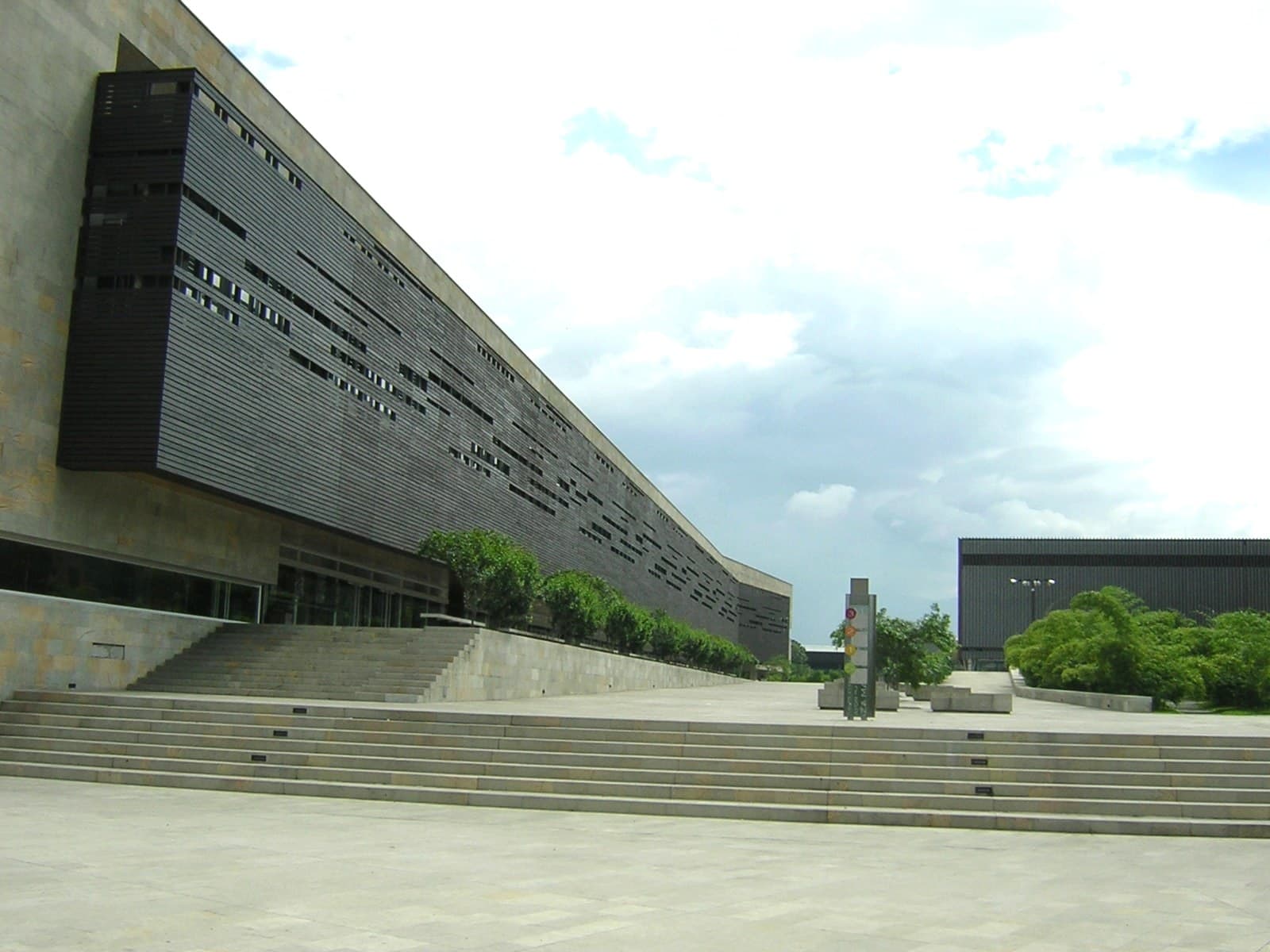 Top ratedCentro de Convenciones Plaza MayorLa CandelariaPlaza Mayor is Medellín's convention and exhibition venue, downtown, next to Parque de los Pies Descalzos and the Teatro Metropolitano.
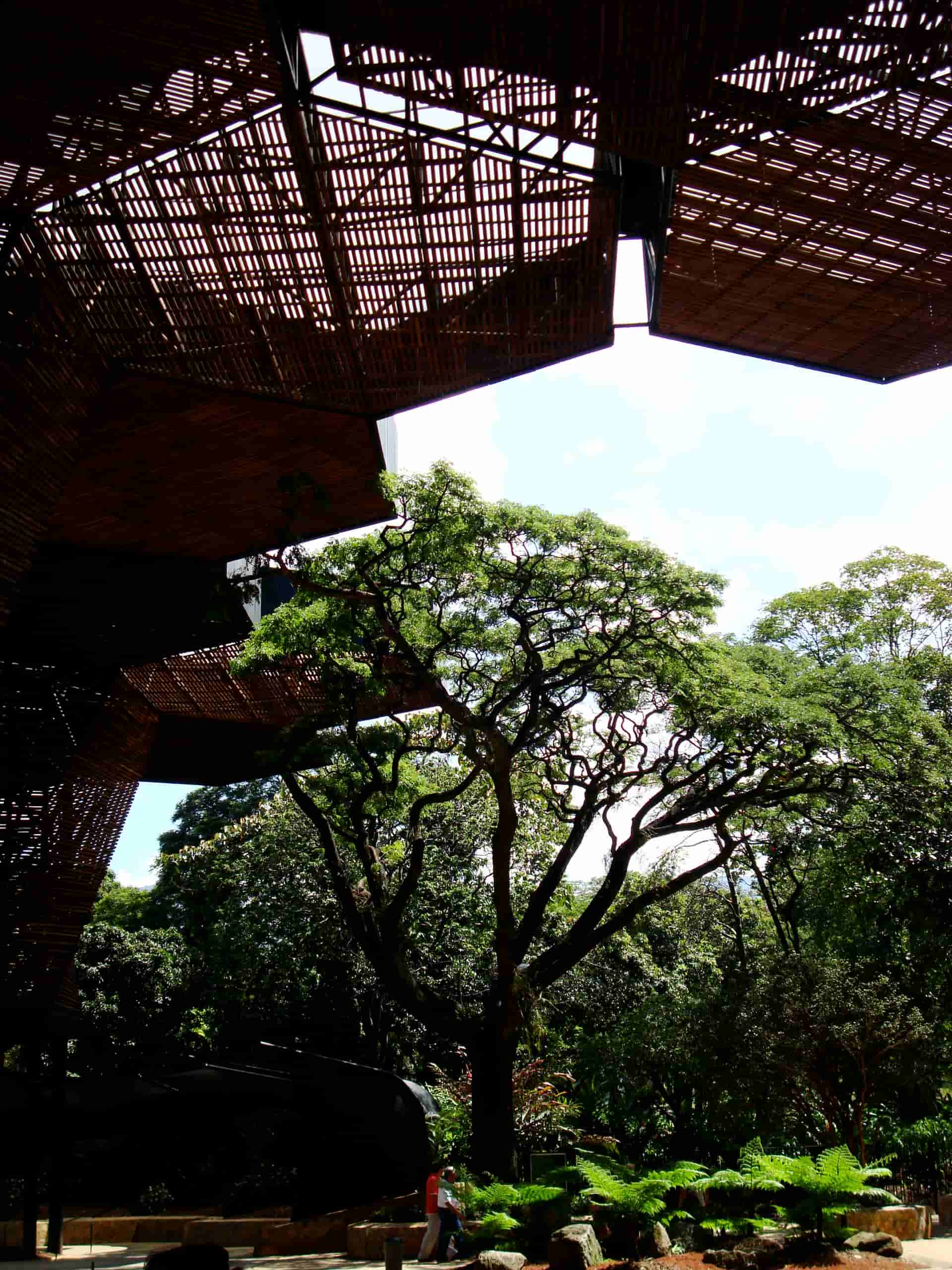
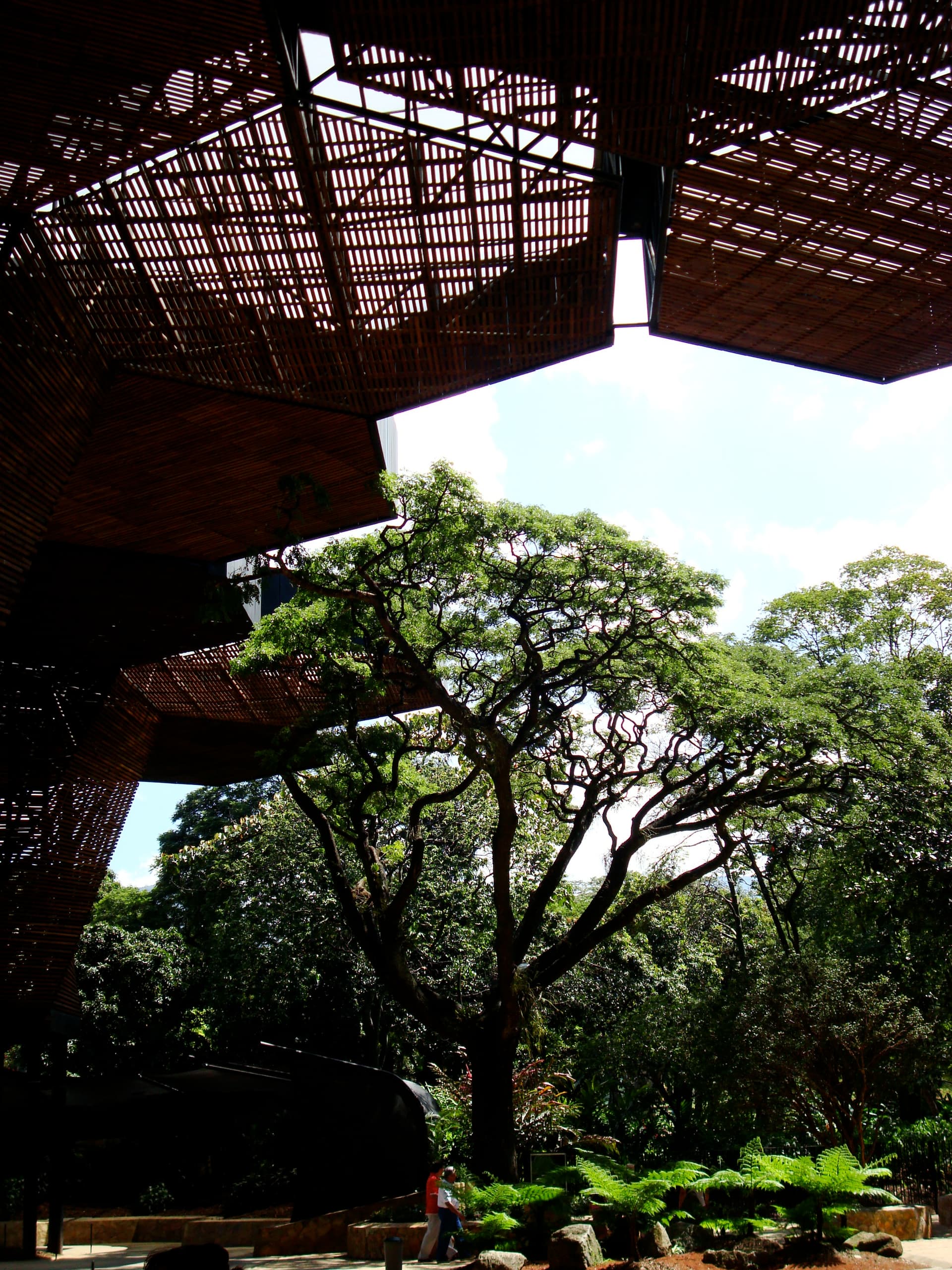 Top ratedJardín Botánico de MedellínAranjuezThe Joaquín Antonio Uribe Botanical Garden occupies fifteen hectares in the north of Medellín, facing Parque Explora and a step from the Universidad metro station. It is one of the few large botanical gardens in Latin America with free entry.
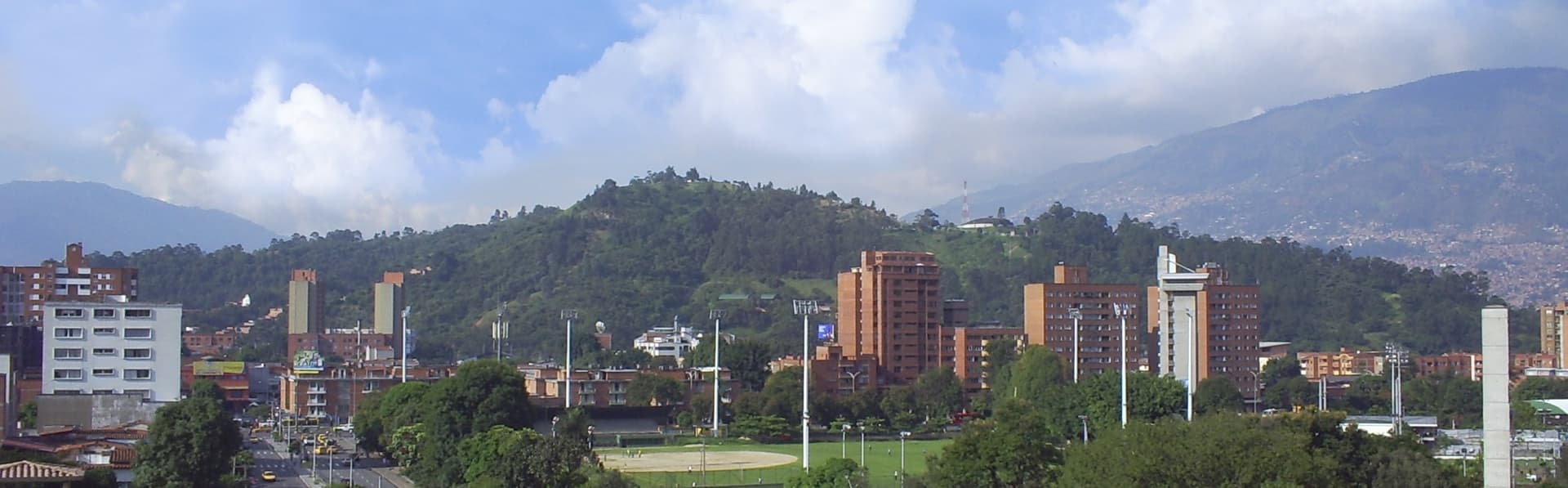 Top ratedParque Natural Cerro El VoladorRobledo / San GermánCerro El Volador is the largest metropolitan regional nature park inside Medellín's urban area: 103 hectares rising to 1,628 metres in the centre-west of the city, in Comuna 7.
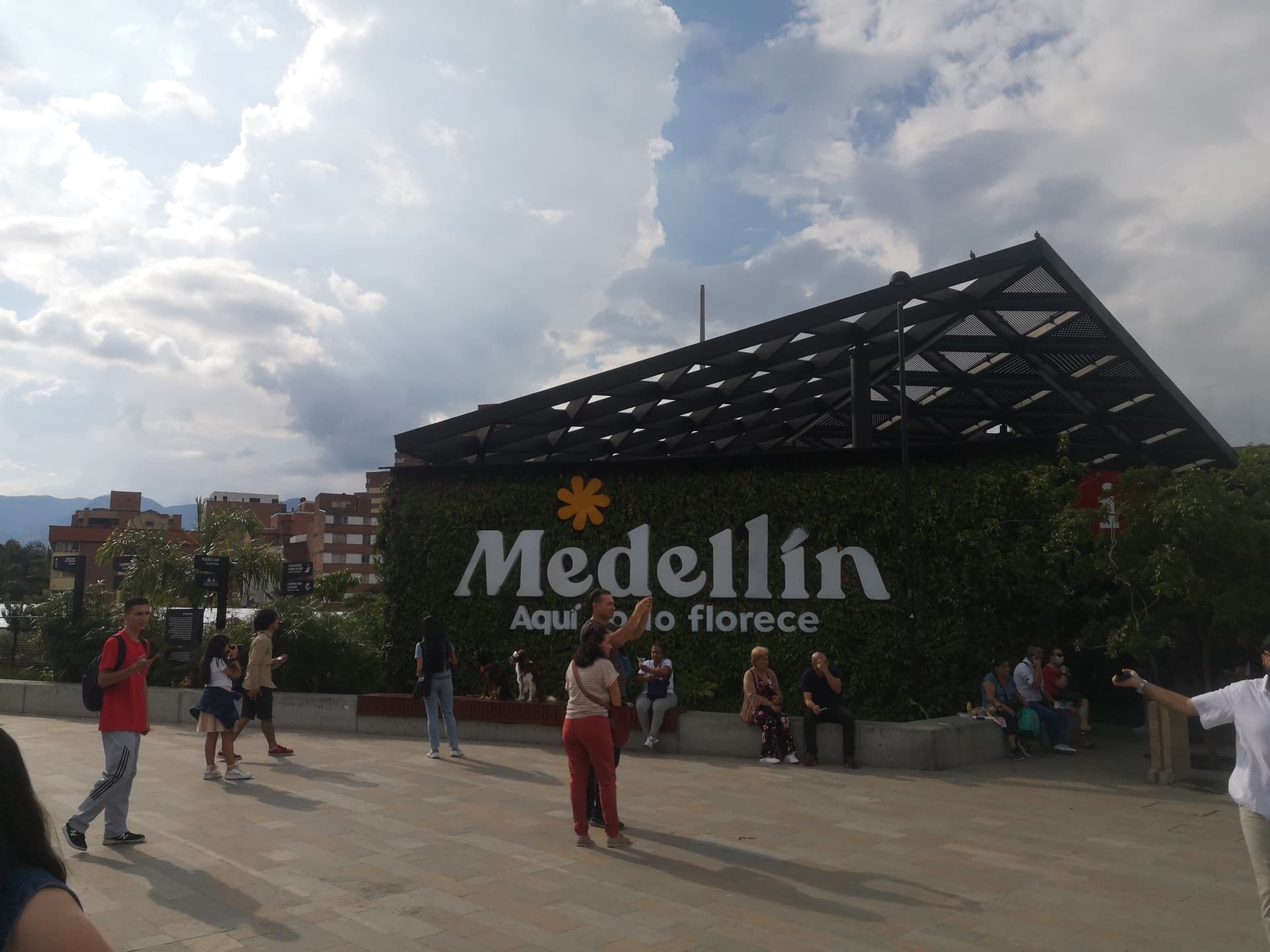 Parques del RíoEl Chagualo / Laureles (múltiples tramos)Parques del Río gave the city back a piece of its river. The project buried a stretch of motorway and covered the slab with a linear park integrating both banks: some 72,000 square metres, more than half of it green, with 280 trees planted.
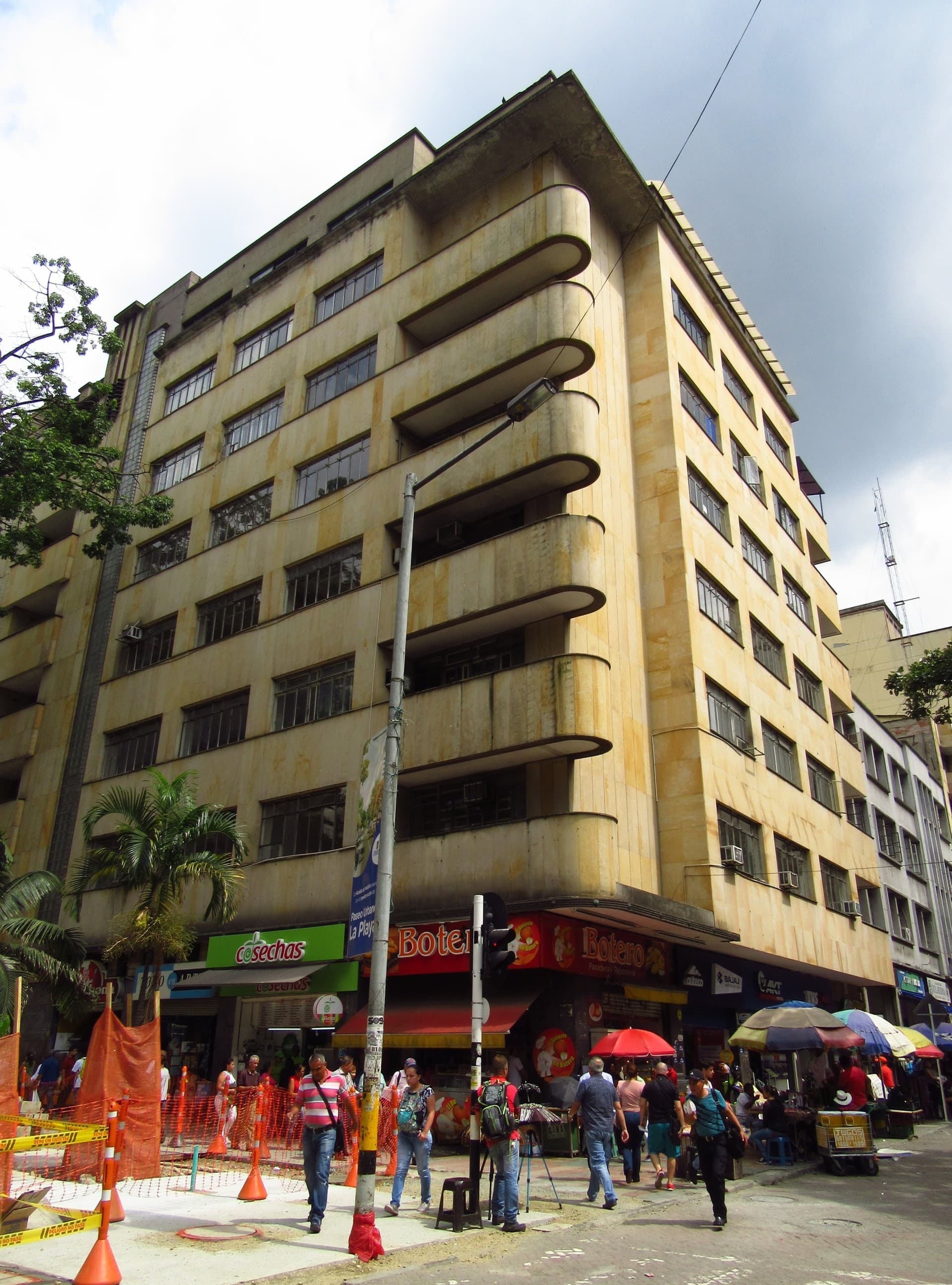 Top ratedRepostería El AstorLa CandelariaFounded in 1930 by Swiss master baker Enrique Baer on the Junín pedestrian boulevard, El Astor is Medellín's most iconic heritage bakery and tea salon. Famous for its handmade marzipan frogs ('sapitos'), chocolate moritos, Swiss nougat, and timeless pastries enjoyed across generations.
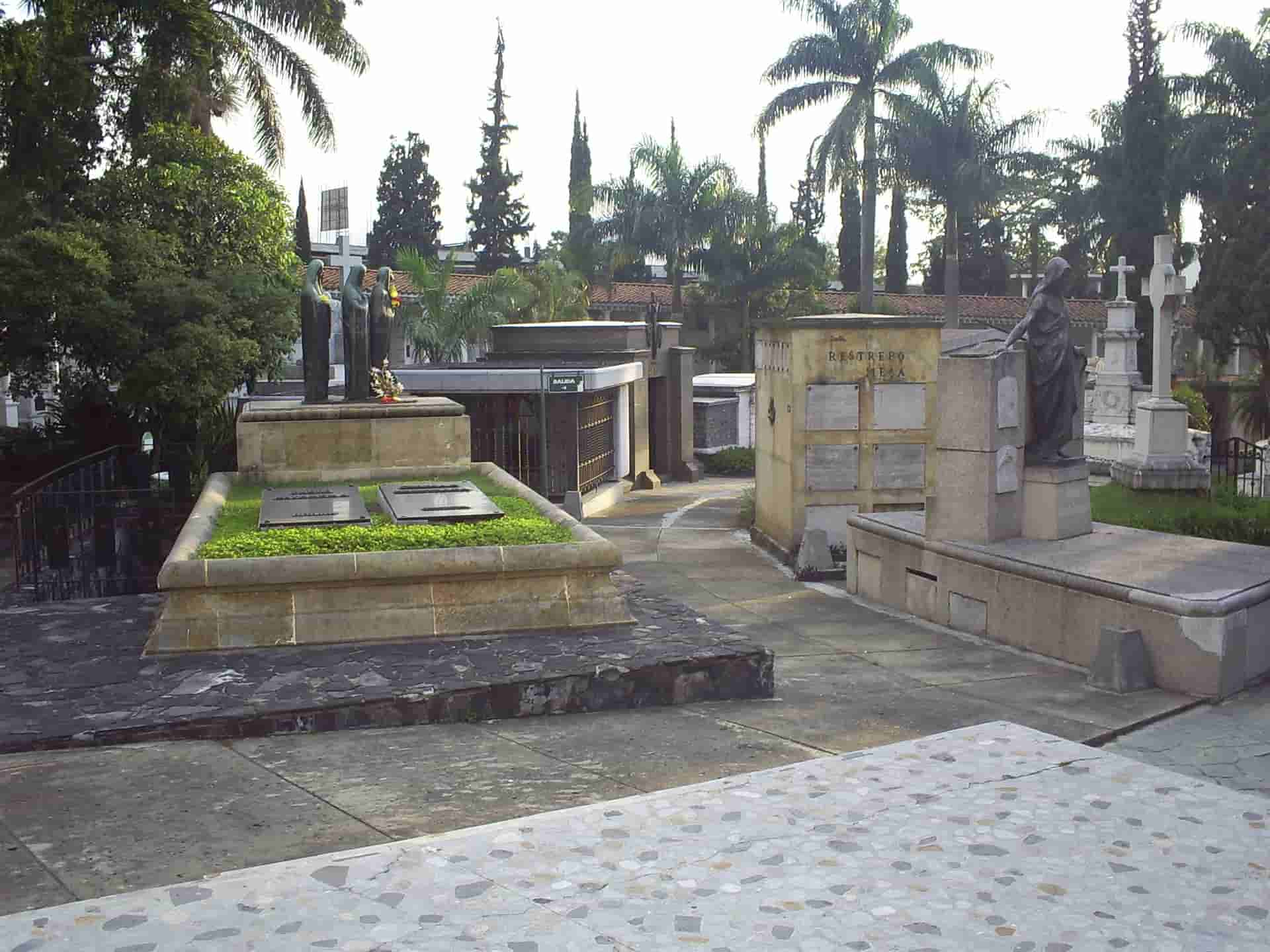
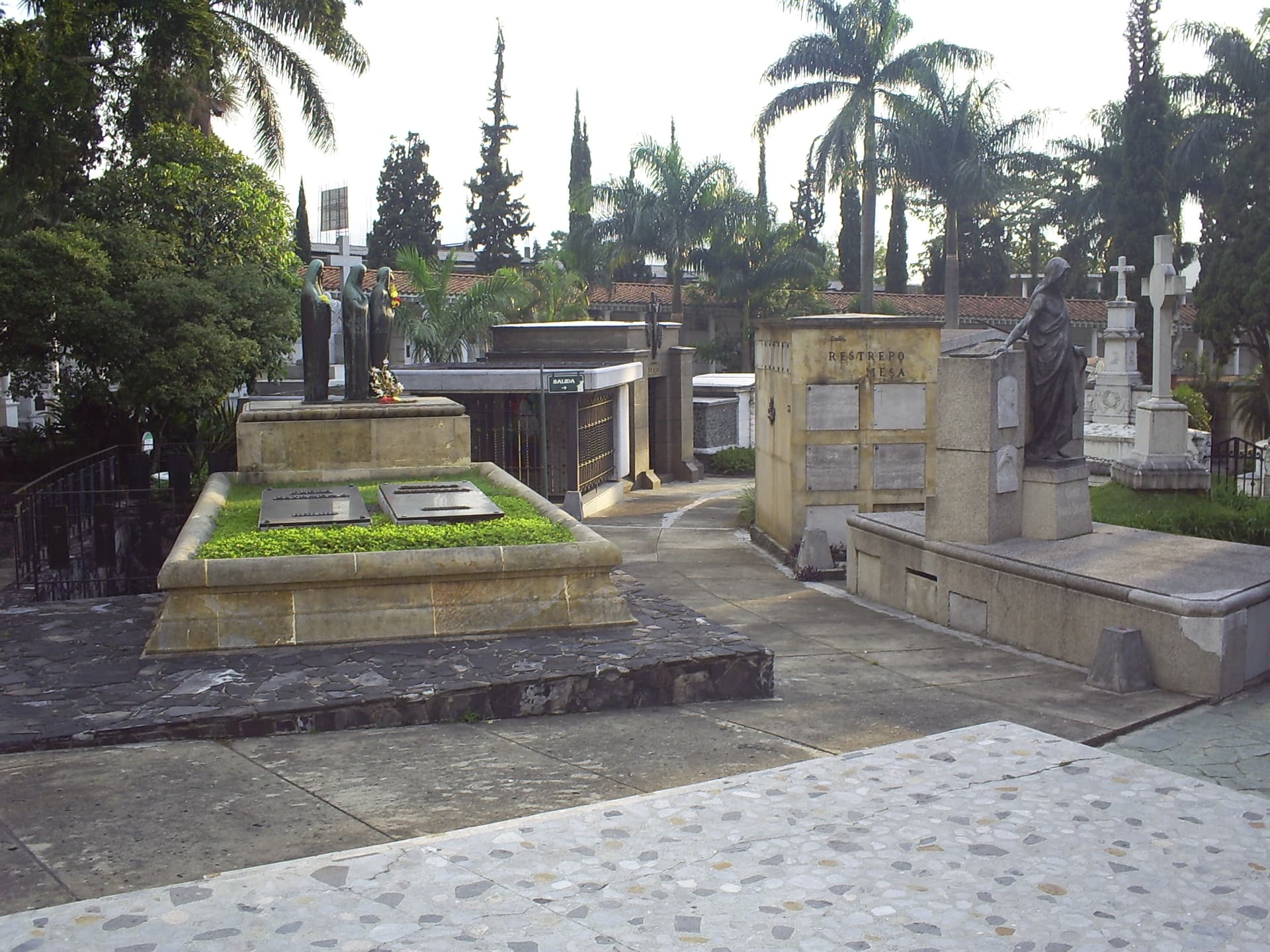 Cementerio Museo San PedroAranjuezThe San Pedro Cemetery was founded on 22 September 1842 as the burial ground of the families who built modern Medellín, and its mausoleums are at once a catalogue of funerary sculpture and a map of the city's social history.
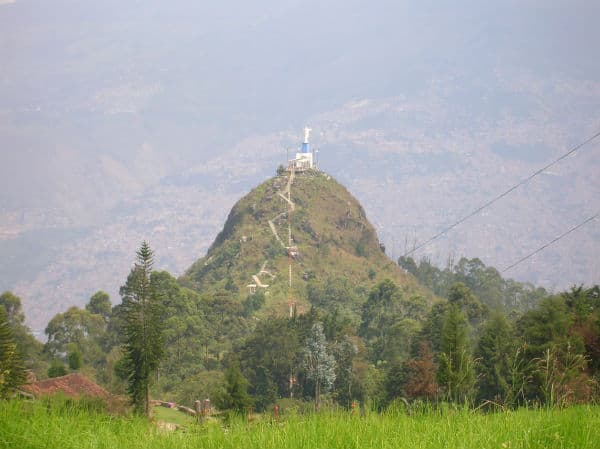 Mirador Cerro El PicachoEl PicachoOne of the most dramatic guardian hills overlooking Medellín, rising above 2,100 meters above sea level in the northwestern mountains. Crowned by the Christ the Savior monument, it provides the most comprehensive 360-degree vista of the Aburrá Valley, accessible via the Metrocable Line P.
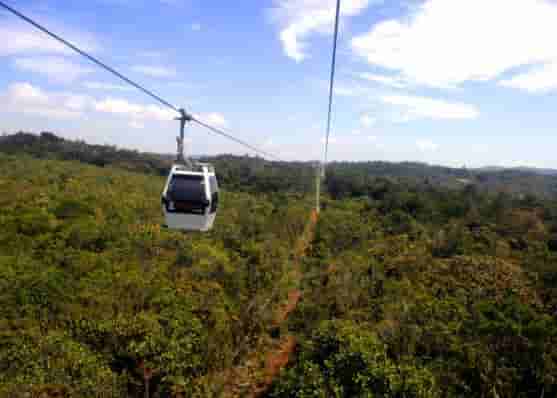
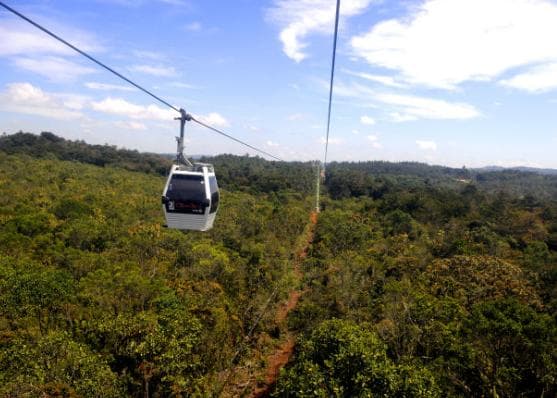 RecommendedParque ArvíSanta ElenaParque Arví is the reserve crowning the Aburrá valley, in the Piedras Blancas hamlet of the Santa Elena district. You get there by metro and then the Cable Arví, and that ride over the cloud forest is already part of the plan.
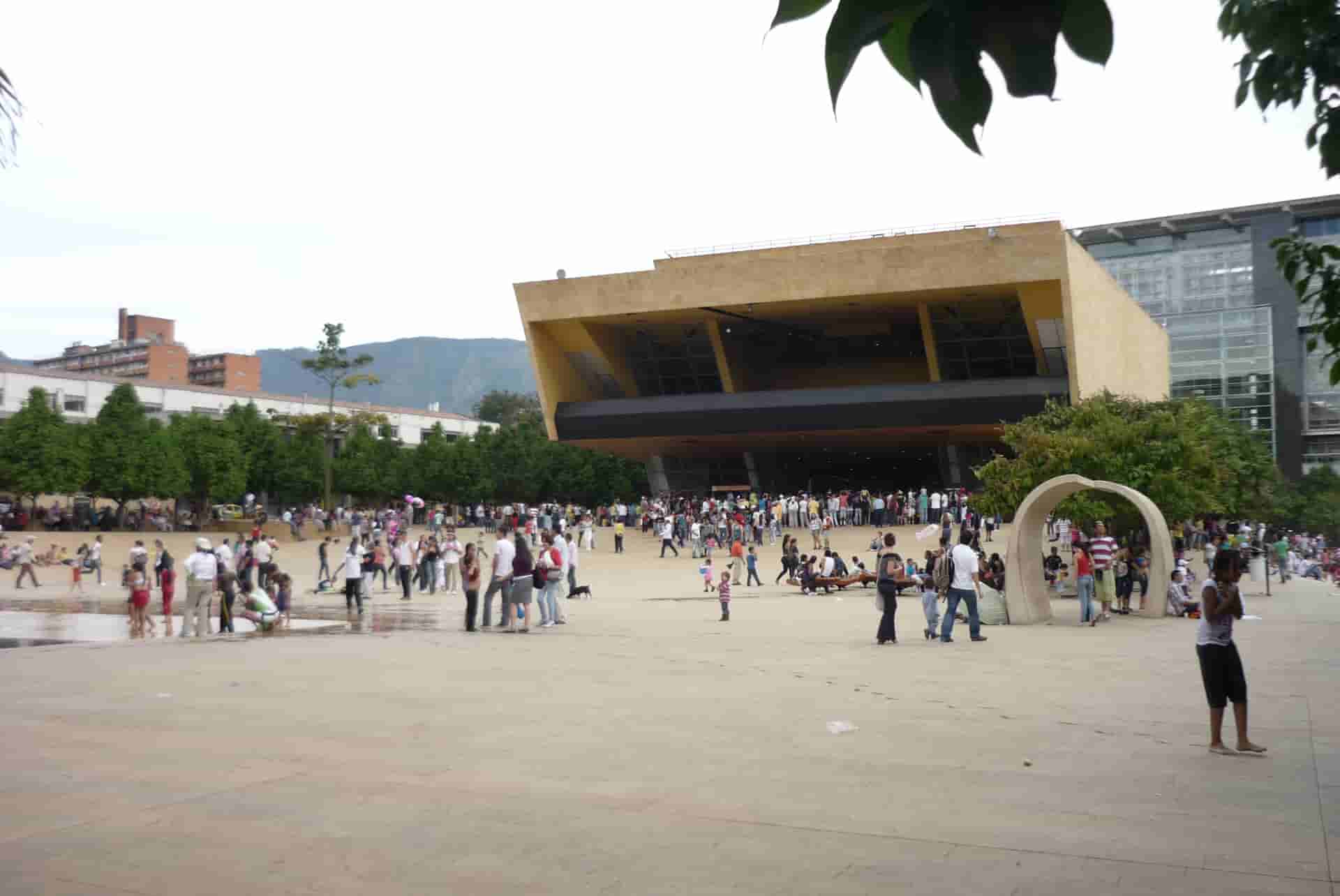
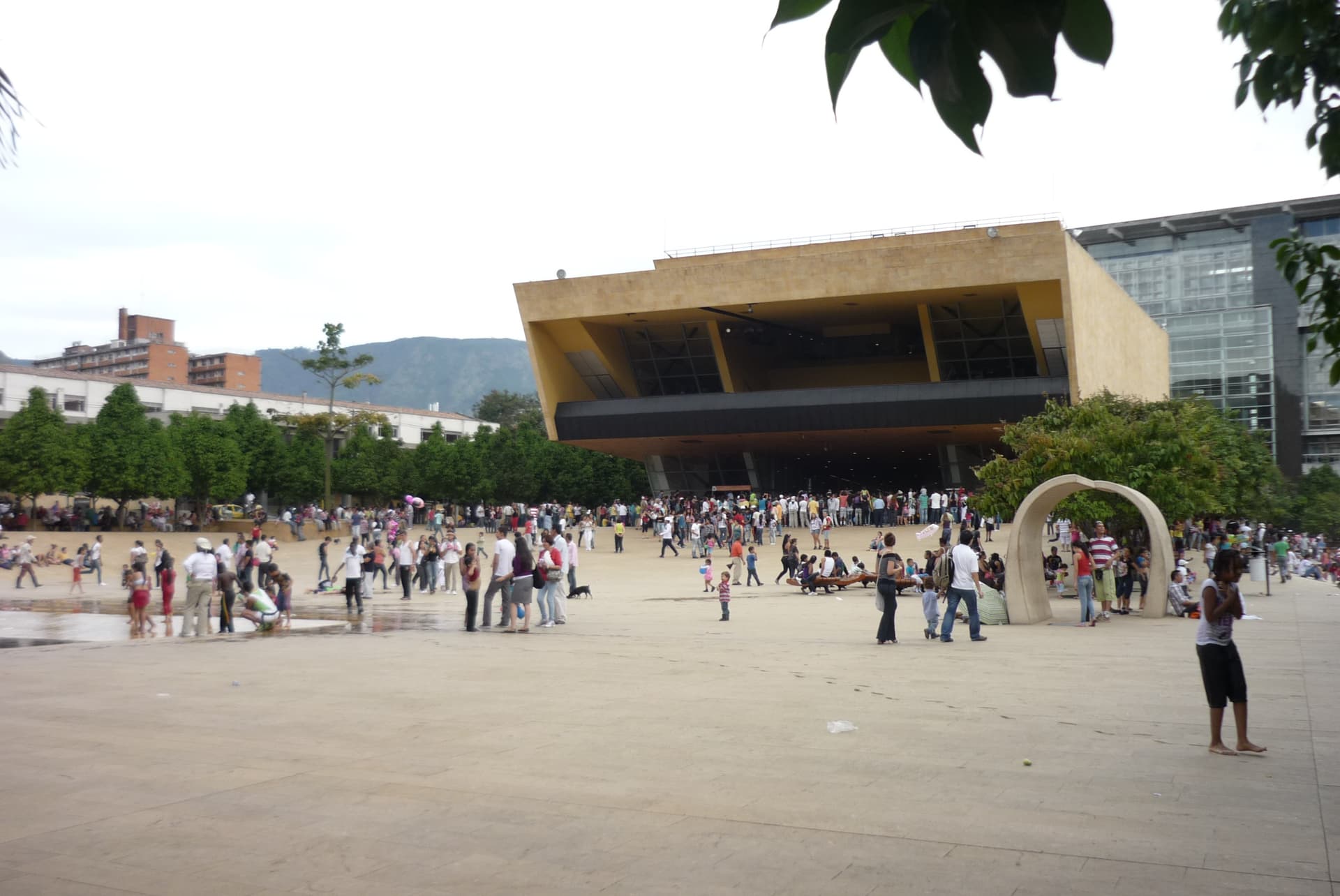 Parque de los DeseosAranjuezParque de los Deseos is an open, freely accessible square facing Medellín's Planetarium, on the cultural corridor that runs up from the Universidad metro station.
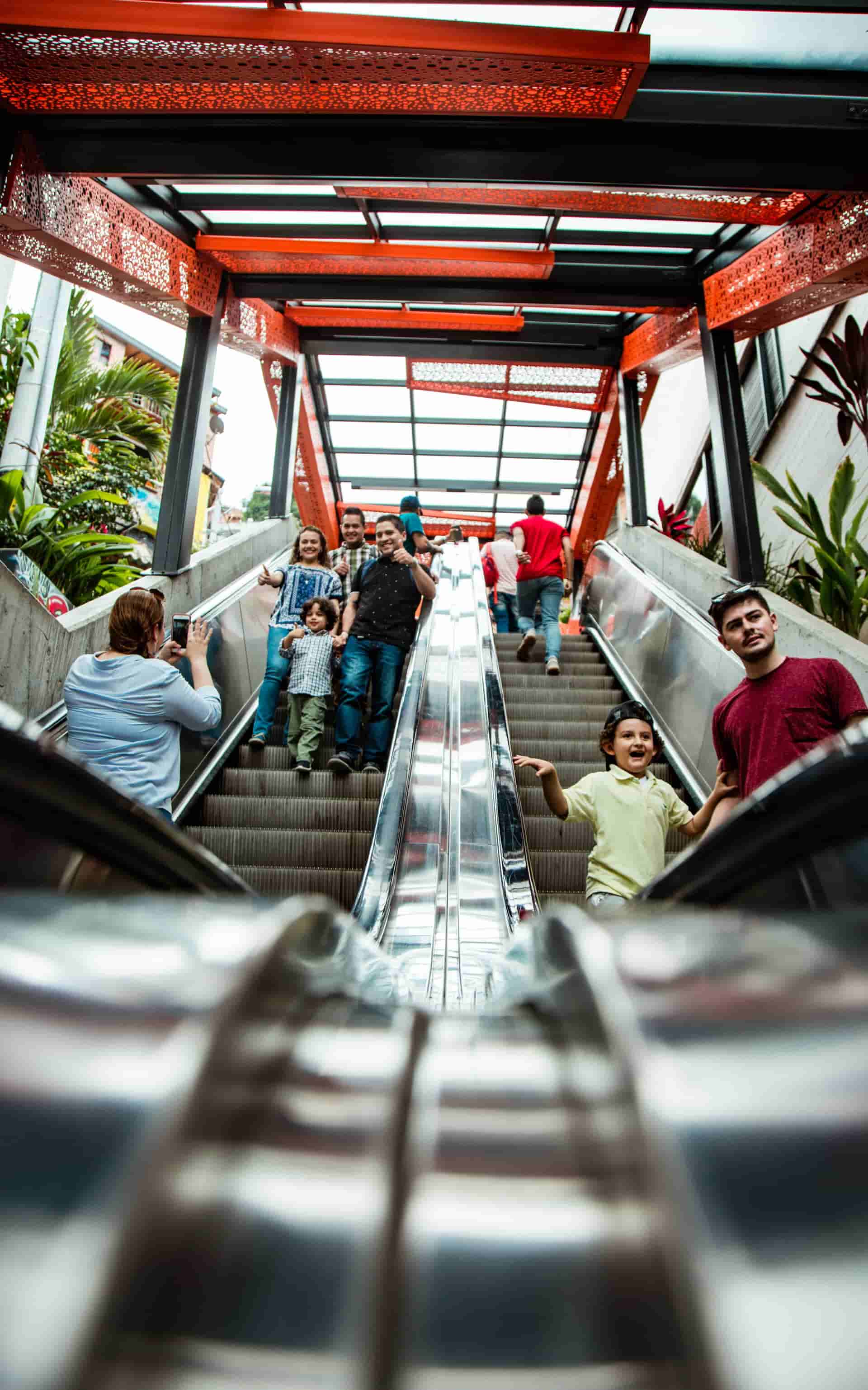
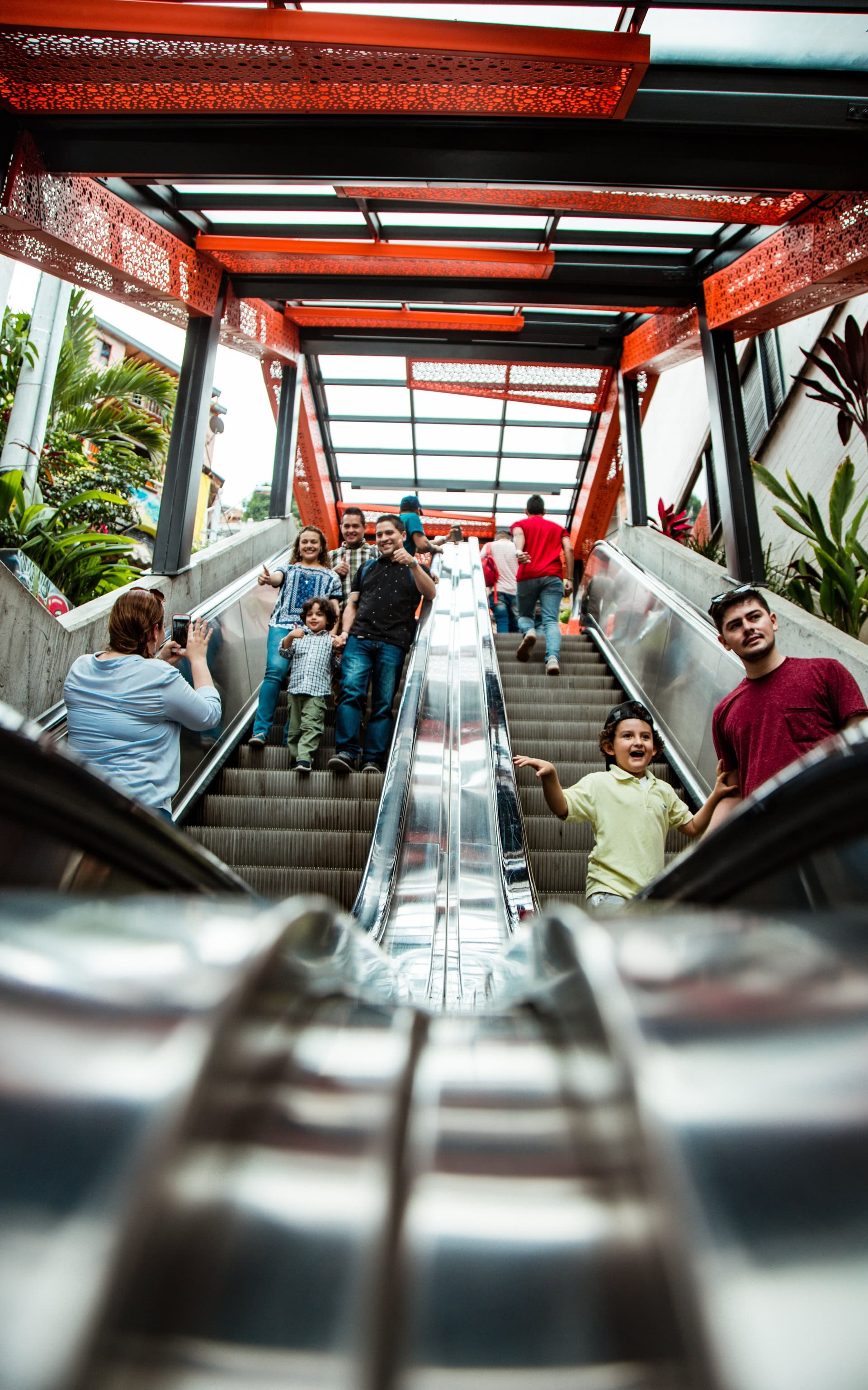 Escalas eléctricas de la Comuna 13Las Independencias, San Javier (Comuna 13)The Comuna 13 escalators opened in December 2011 as the first public and free ones in the country: six outdoor flights totalling 384 metres up the Las Independencias hillside. For anyone living at the top the change was concrete — the climb went from about thirty-five minutes on foot to around six — and that mobility project ended up changing the neighbourhood's relationship with the rest of the city.
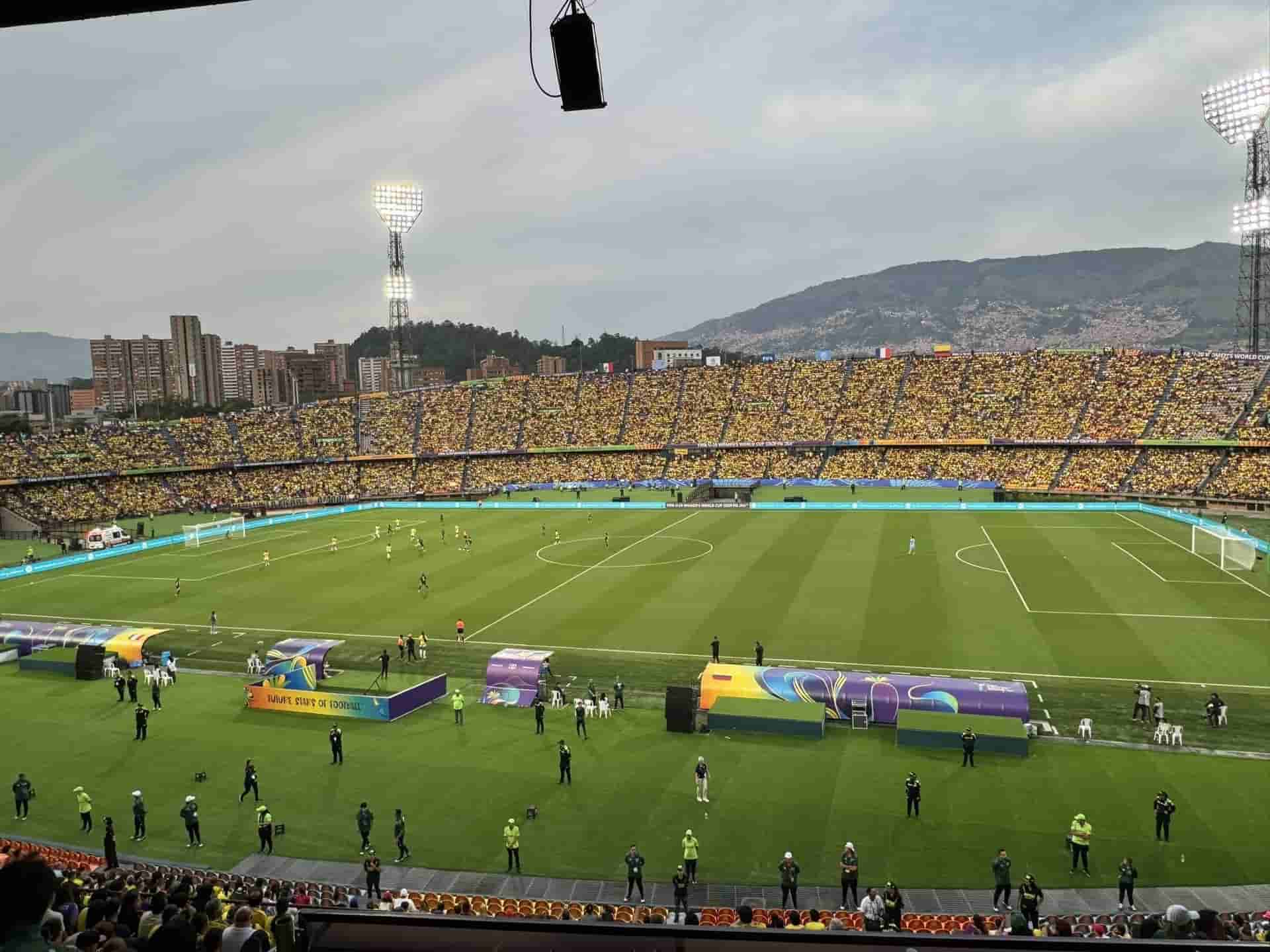
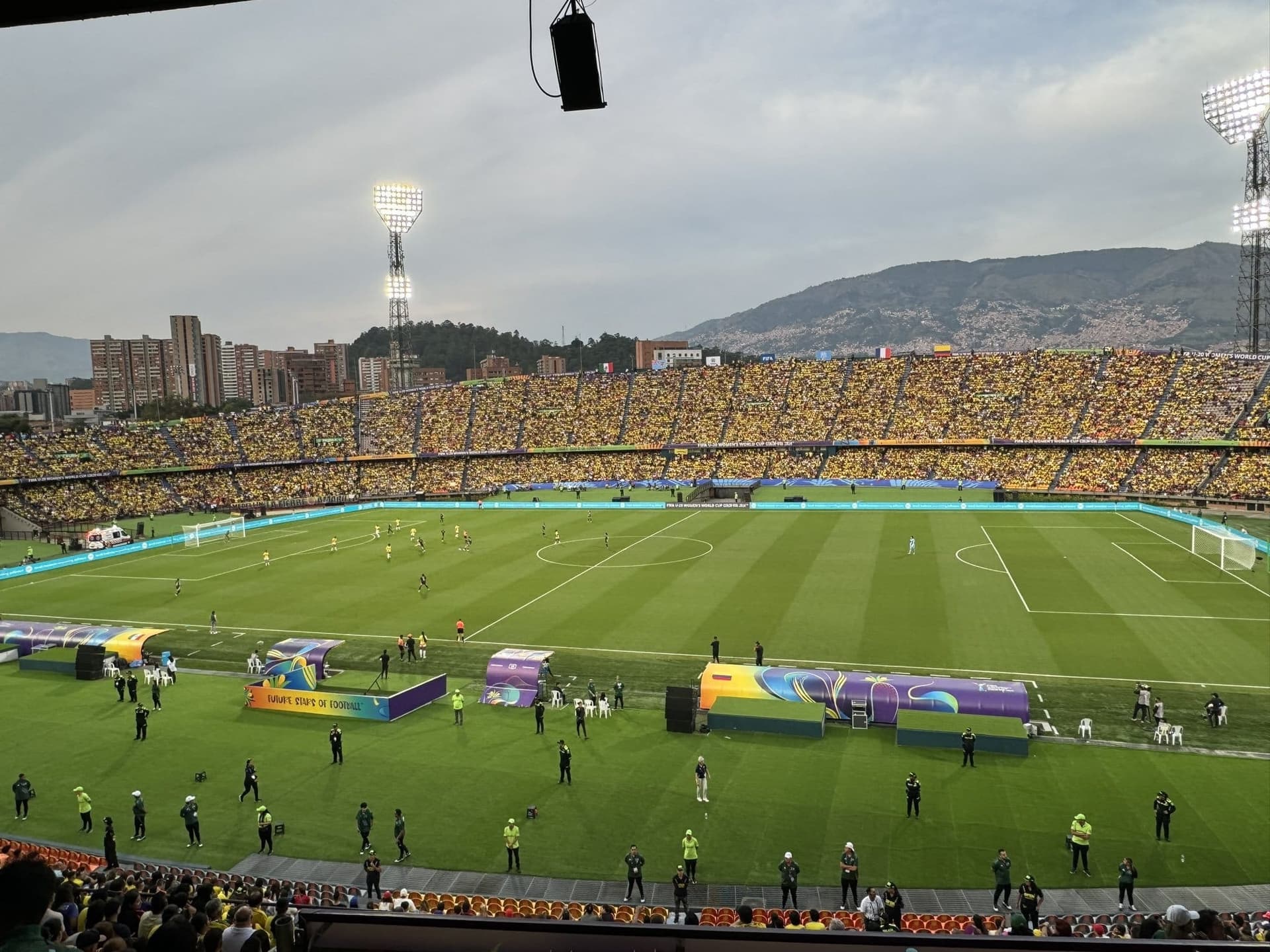 Estadio de Fútbol Atanasio GirardotEstadioThe Atanasio Girardot opened in 1953 and is the oldest venue in the sports complex that bears its name, a set of 18 sporting and recreational facilities in Comuna 11, Laureles.
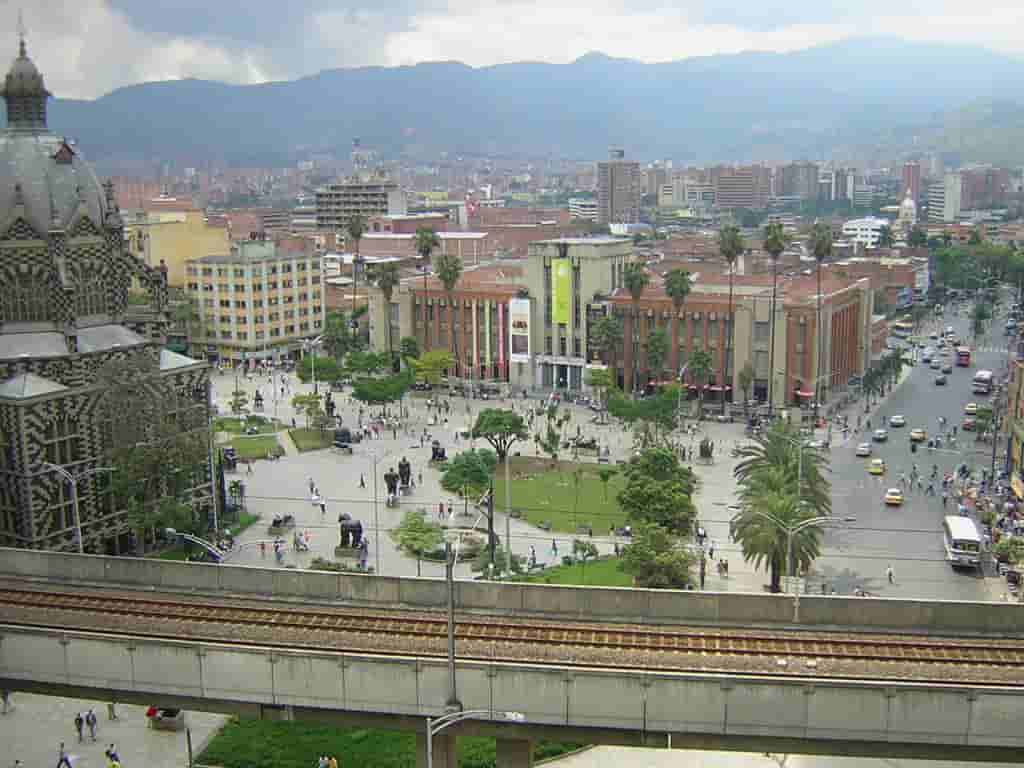
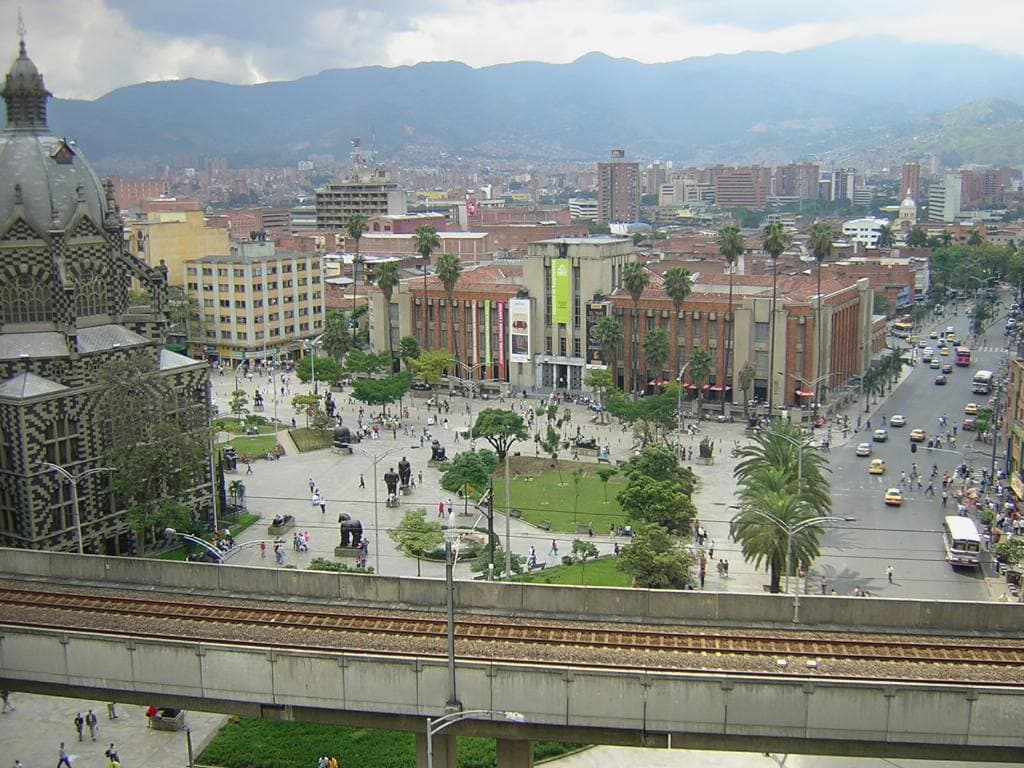 Plaza BoteroLa CandelariaPlaza Botero gathers in the open air the 23 bronze sculptures Fernando Botero donated to his city. There is no other place in the world with so many of his pieces together and out in the weather, and that is exactly the point: you touch them, walk round them and photograph them with no glass in between.
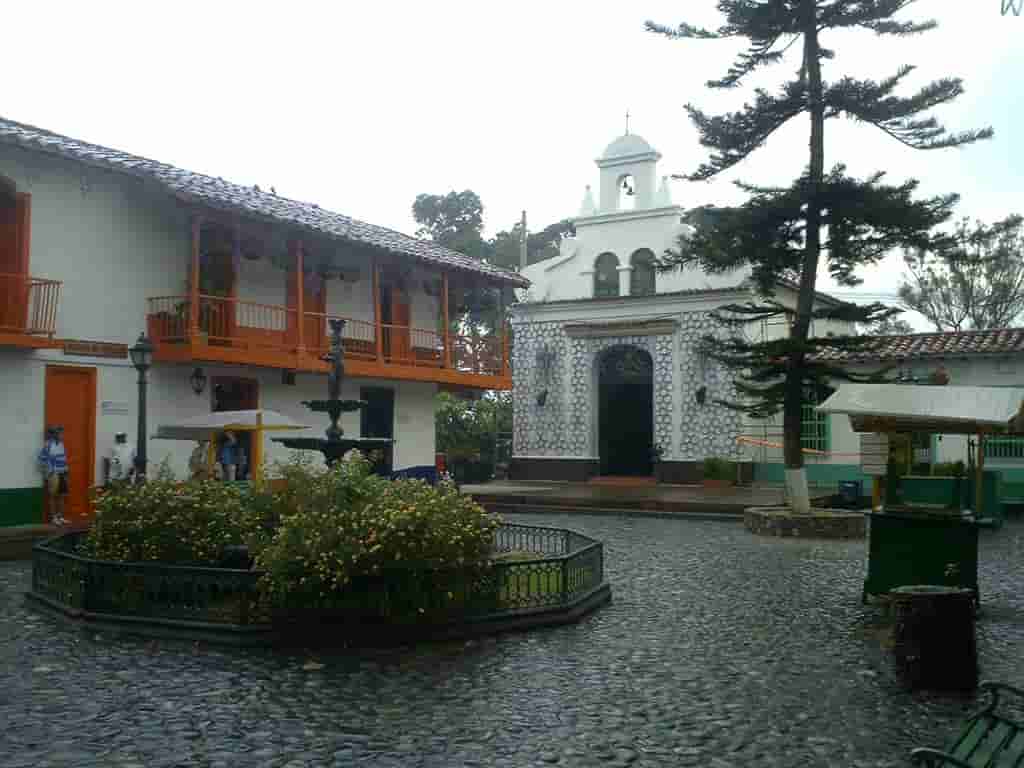
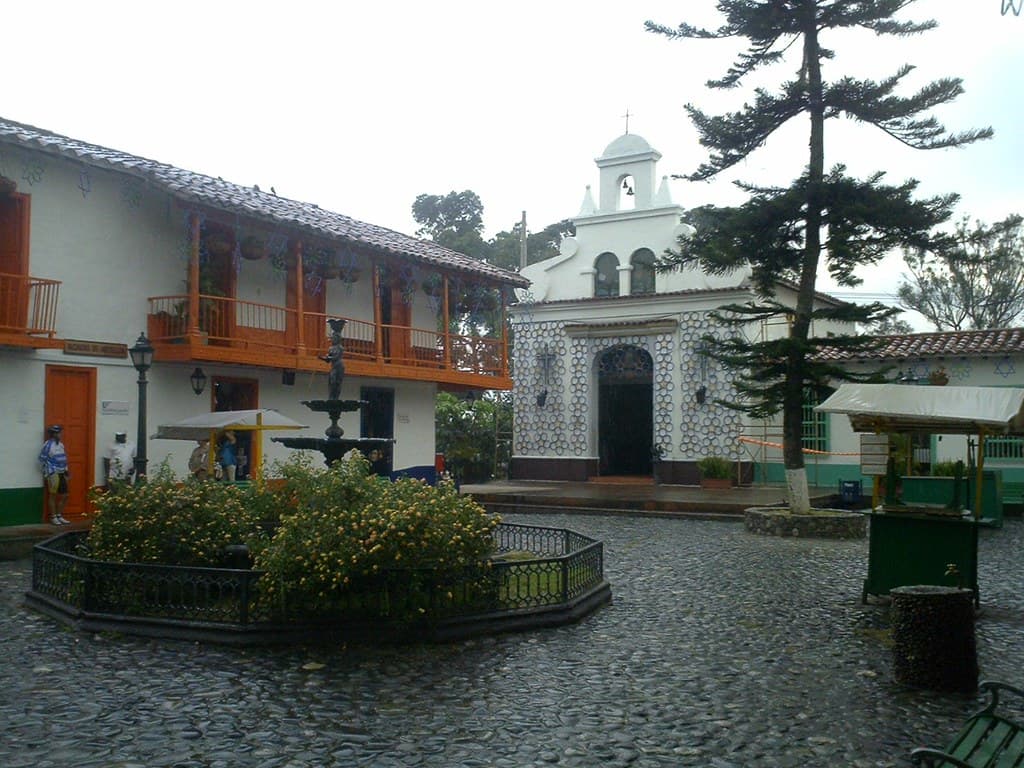 Pueblito PaisaNutibara (entre Belén y Guayabal)Pueblito Paisa crowns Cerro Nutibara with a replica of an Antioquian village square: church, town hall, school and balconied houses around a fountain. It is not a new set — it was built with elements and materials from the old town of El Peñol, which went under when the Peñol-Guatapé reservoir filled — and that provenance is what gives the ensemble its meaning.
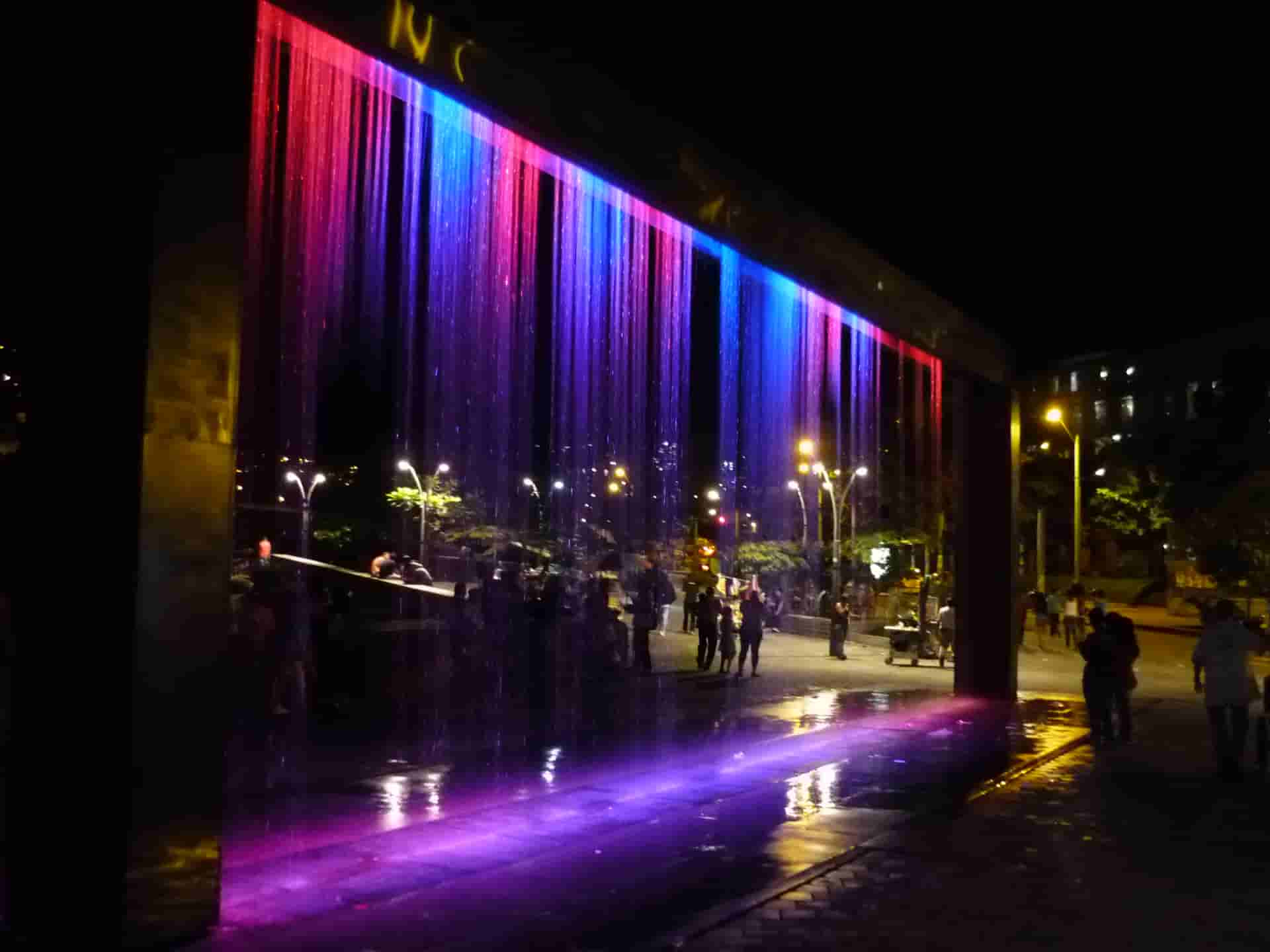
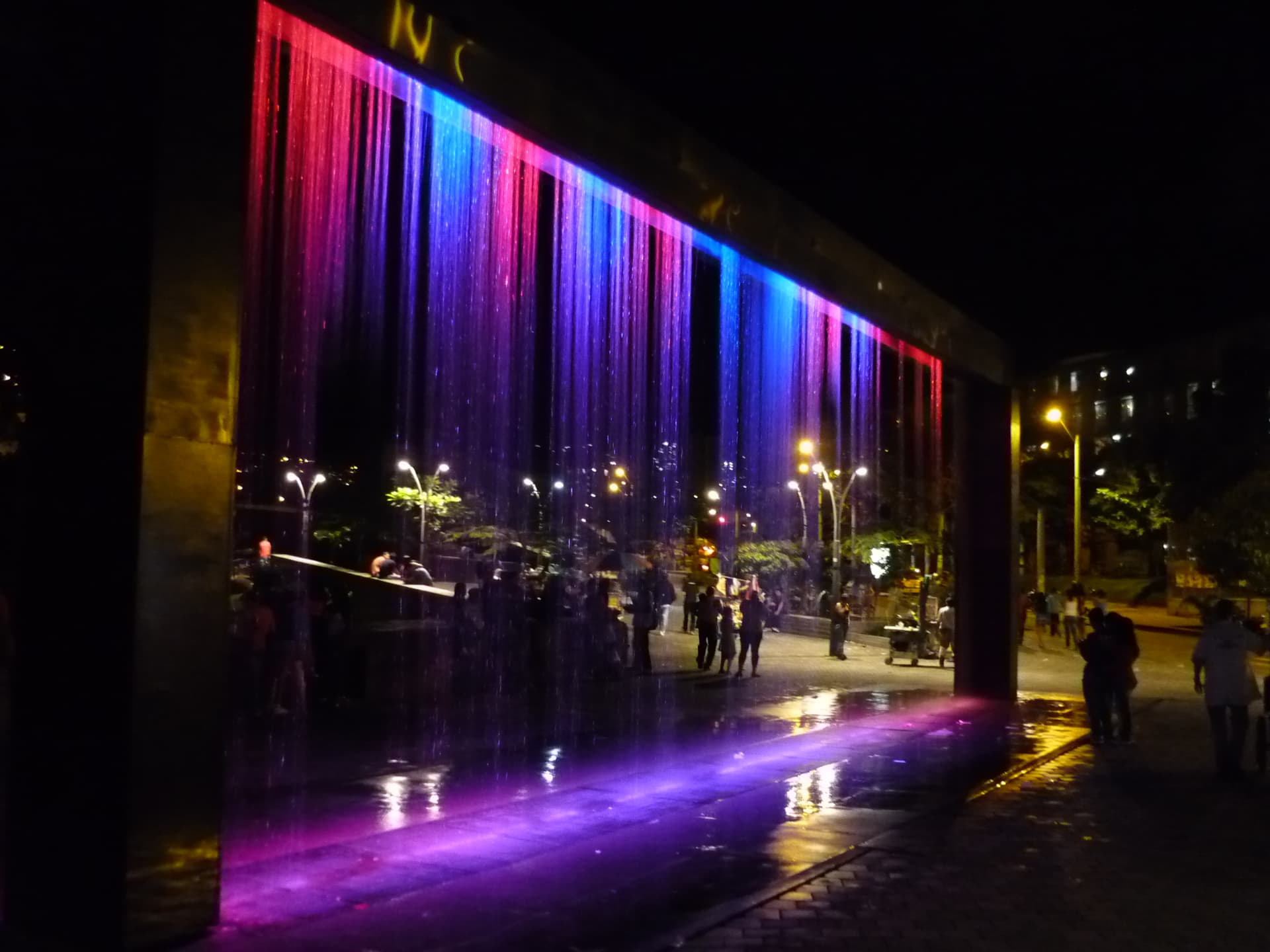 Parque BicentenarioBostonParque Bicentenario was made to mark two hundred years of independence, and its real axis is the Santa Elena stream: the watercourse around which the original Medellín settled, and which the project set out to recover as public space.
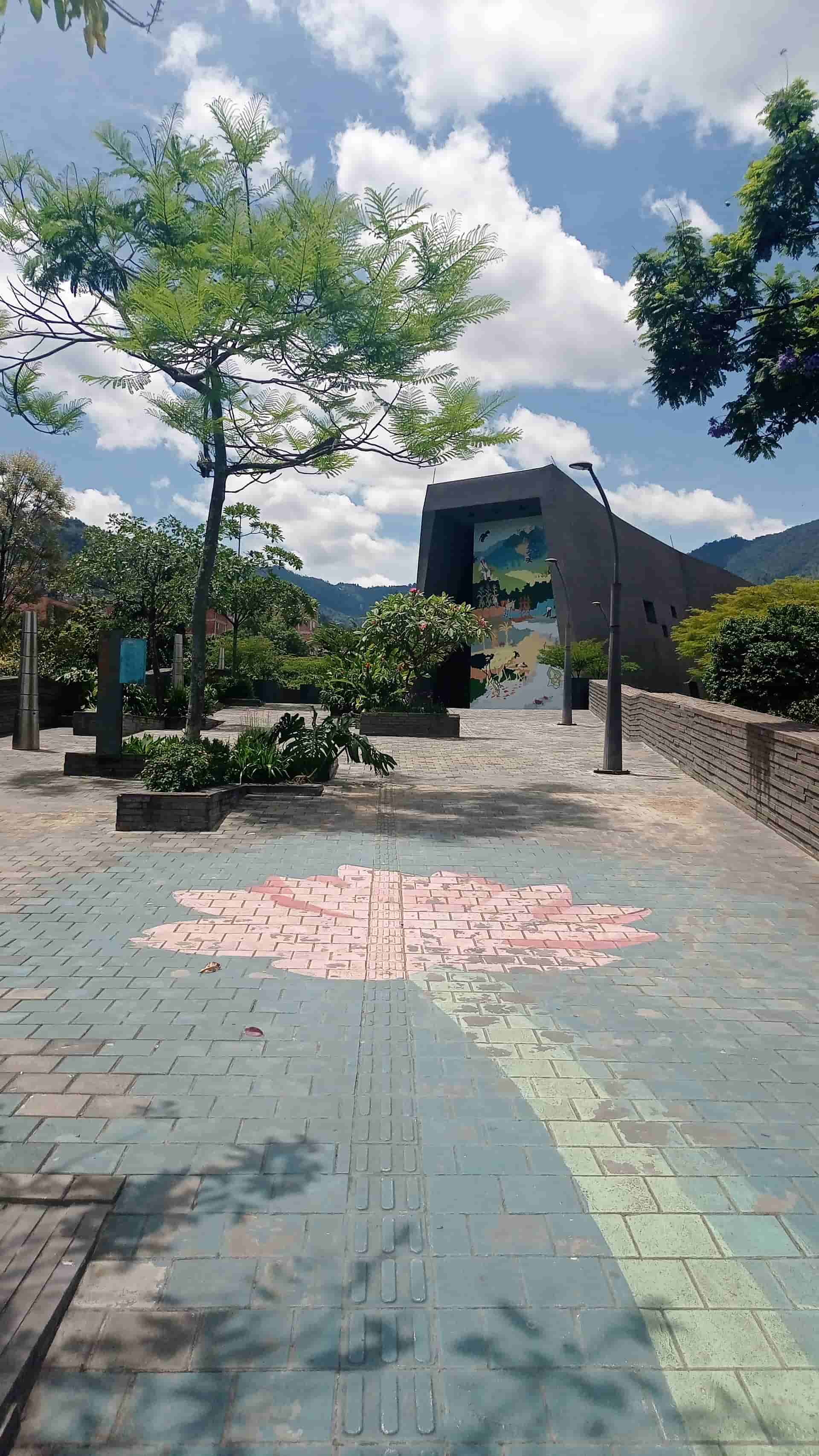
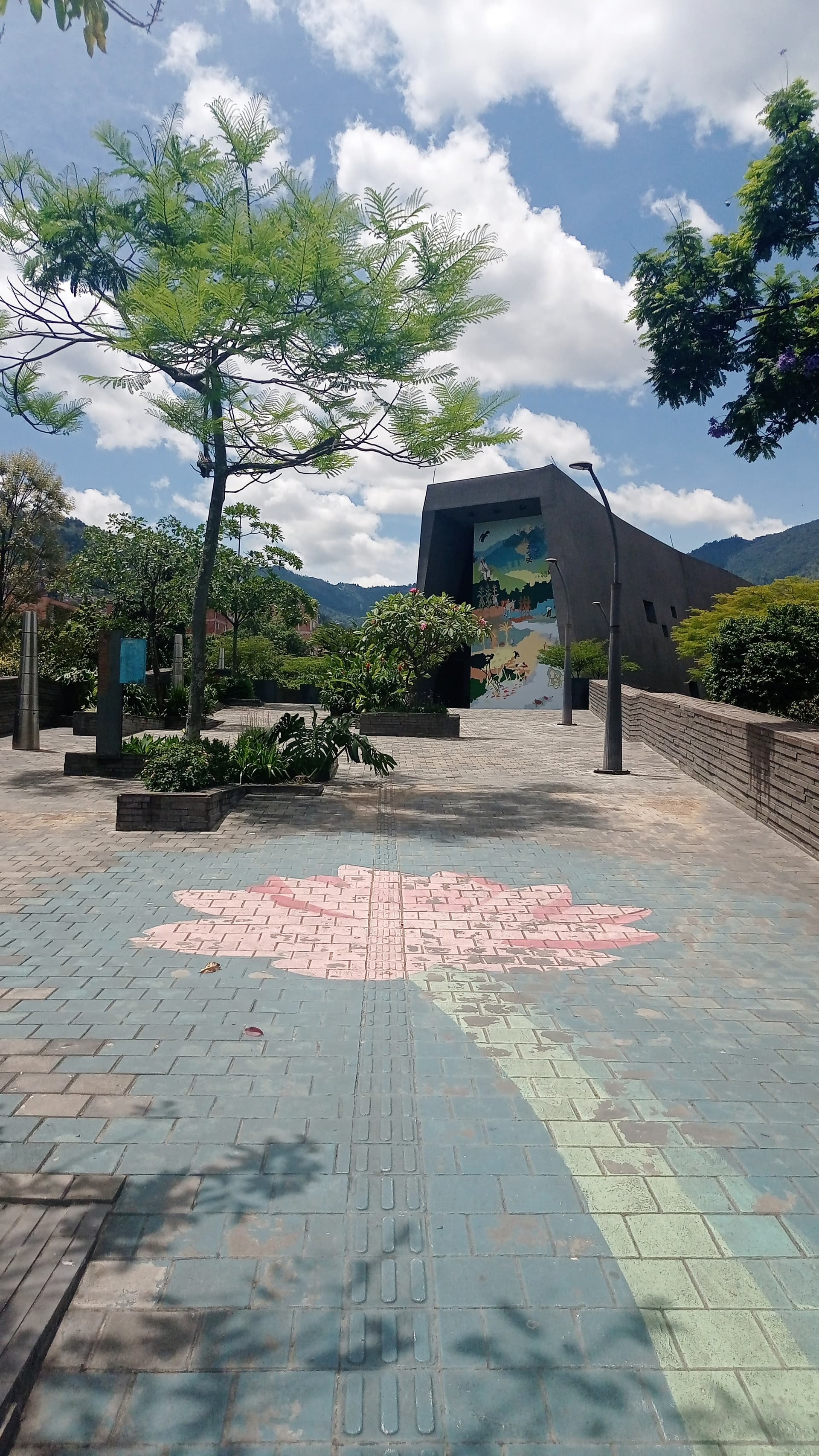 Museo Casa de la MemoriaJesús NazarenoThe Casa de la Memoria was born in 2006 out of an initiative aimed at the victims of the Colombian armed conflict, and is today the space in the city where that history is told without evasion.
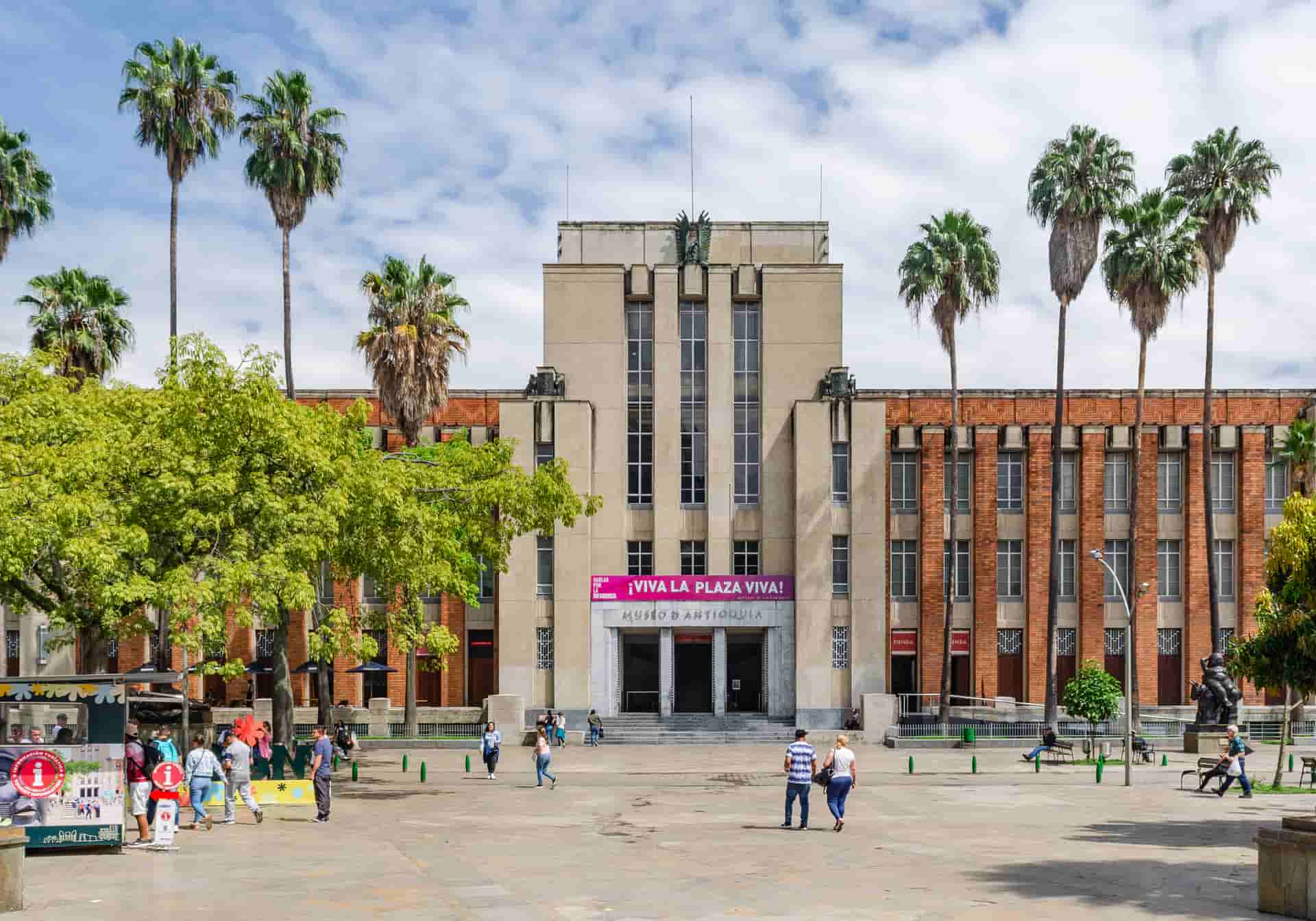
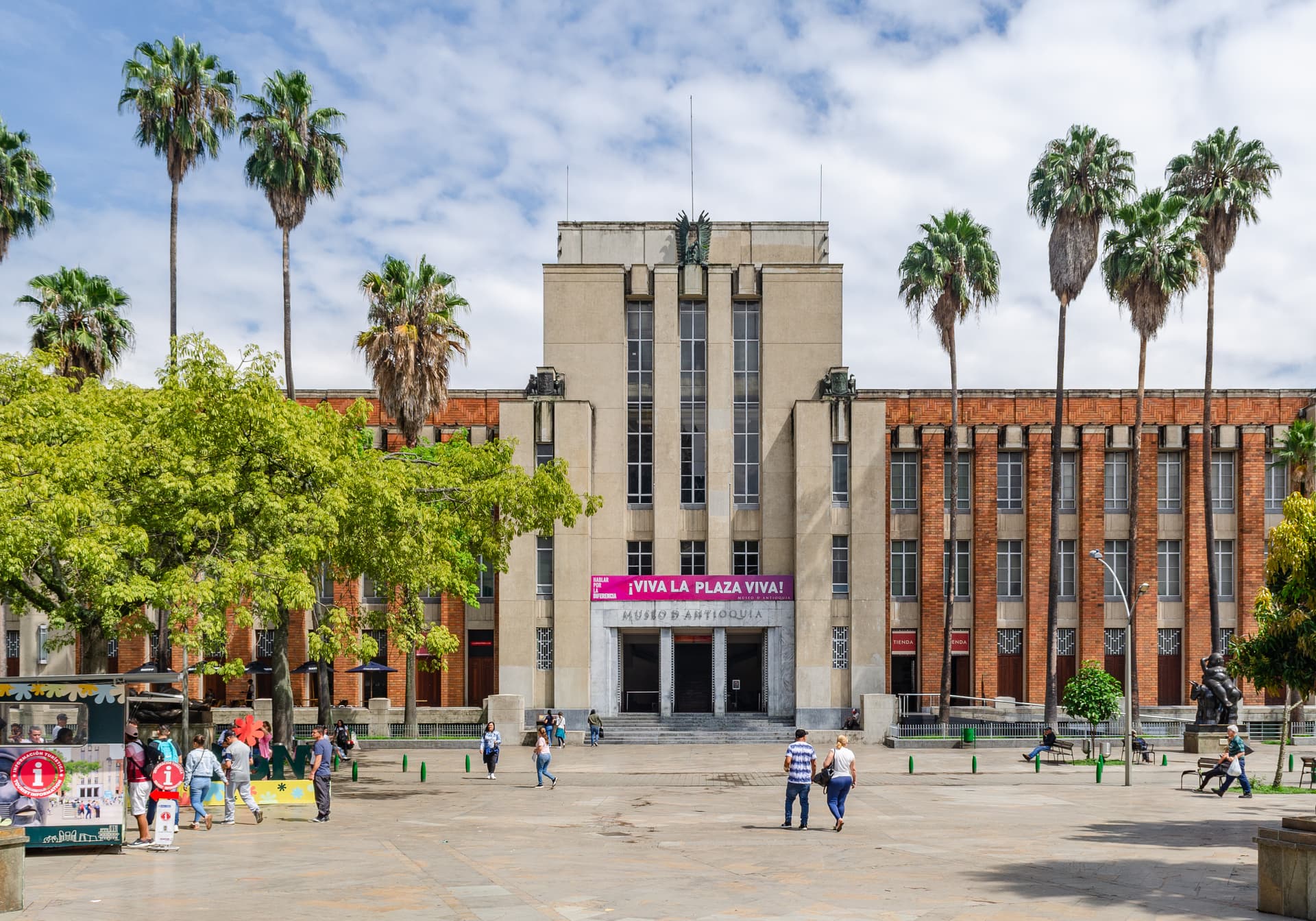 Museo de AntioquiaLa CandelariaThe Museo de Antioquia was born on 29 November 1881 as the Zea Museum and Library, the first in the department and the second in the country. It closed years later, reopened in 1946 through the Sociedad de Mejoras Públicas, and took its present name in 1977, when a donation from Fernando Botero gave it its first room devoted to the artist. Today it occupies the former Municipal Palace, facing Plaza Botero.
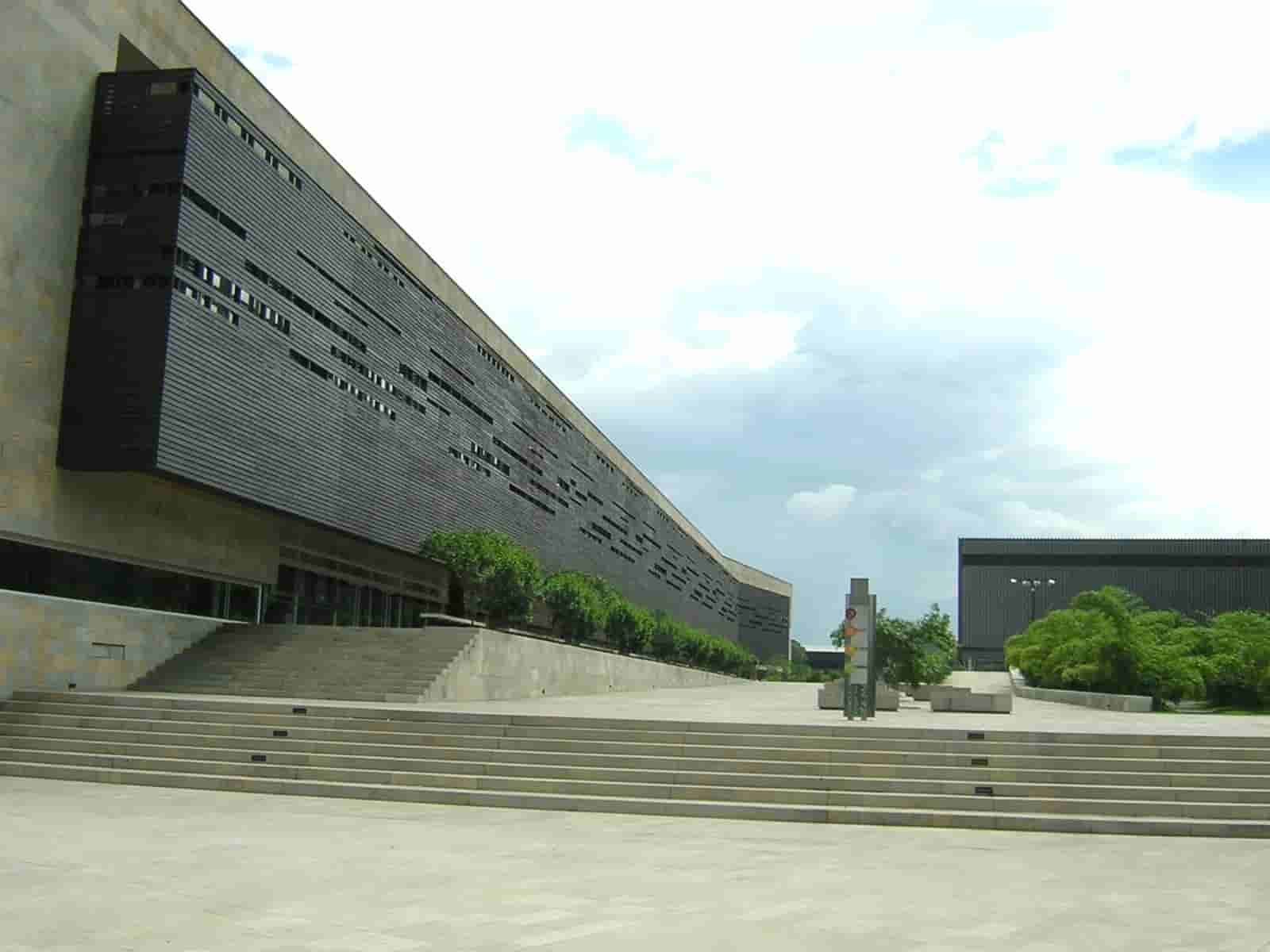
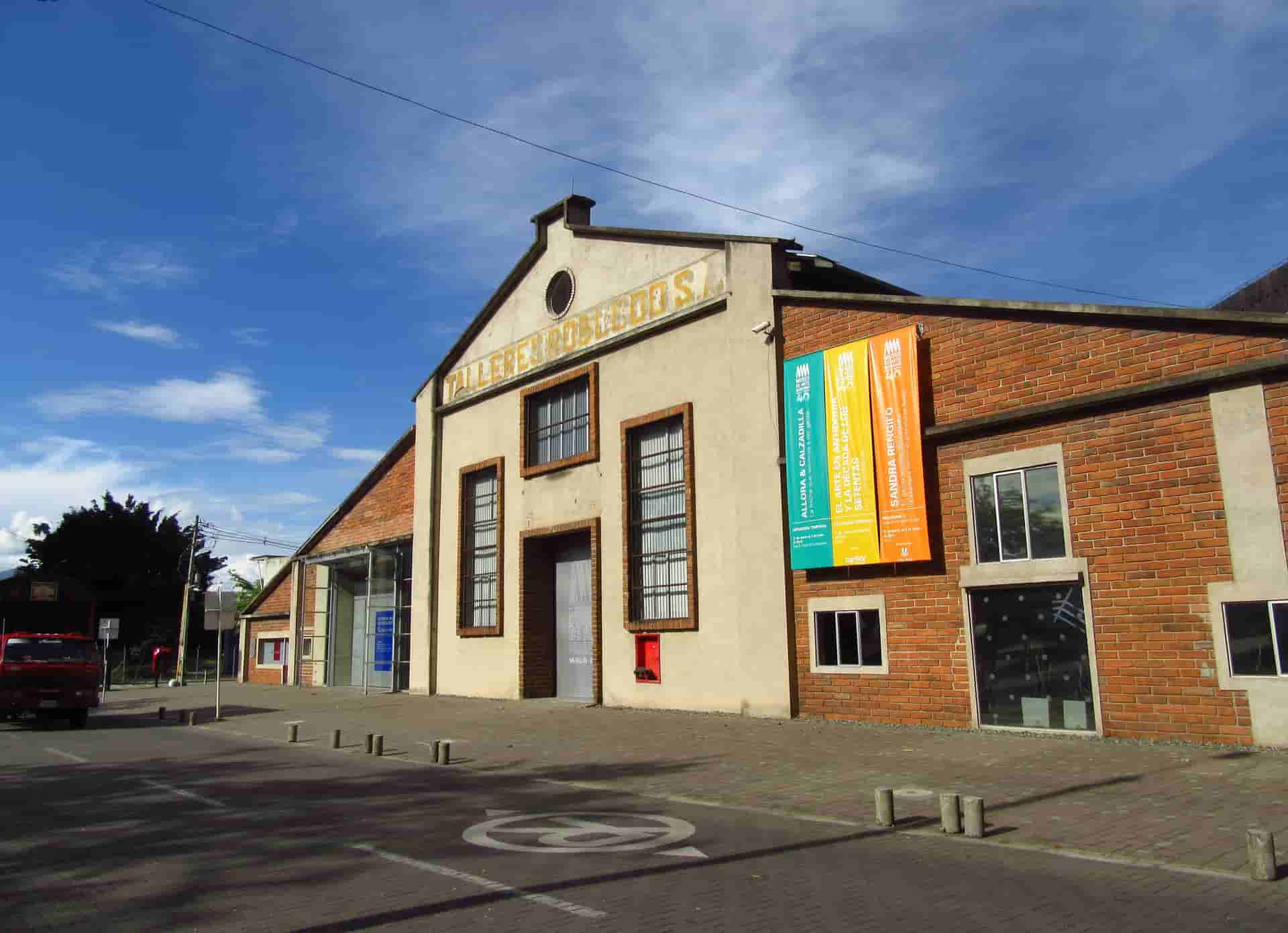
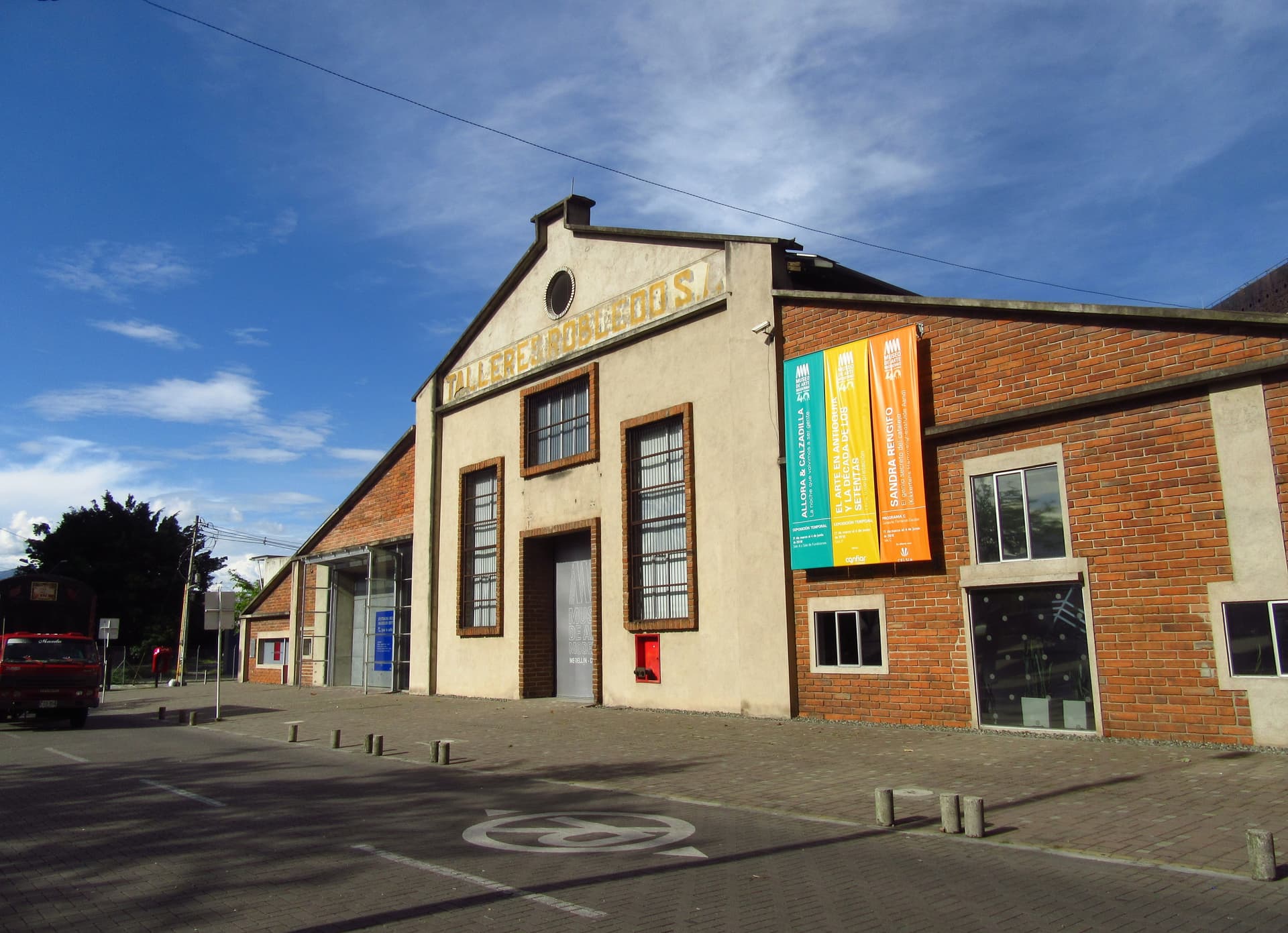 Museo de Arte Moderno de MedellínCiudad del RíoThe MAMM occupies a building in Ciudad del Río combining an old industrial shed with a contemporary extension, and is Medellín's principal space for modern and contemporary art.
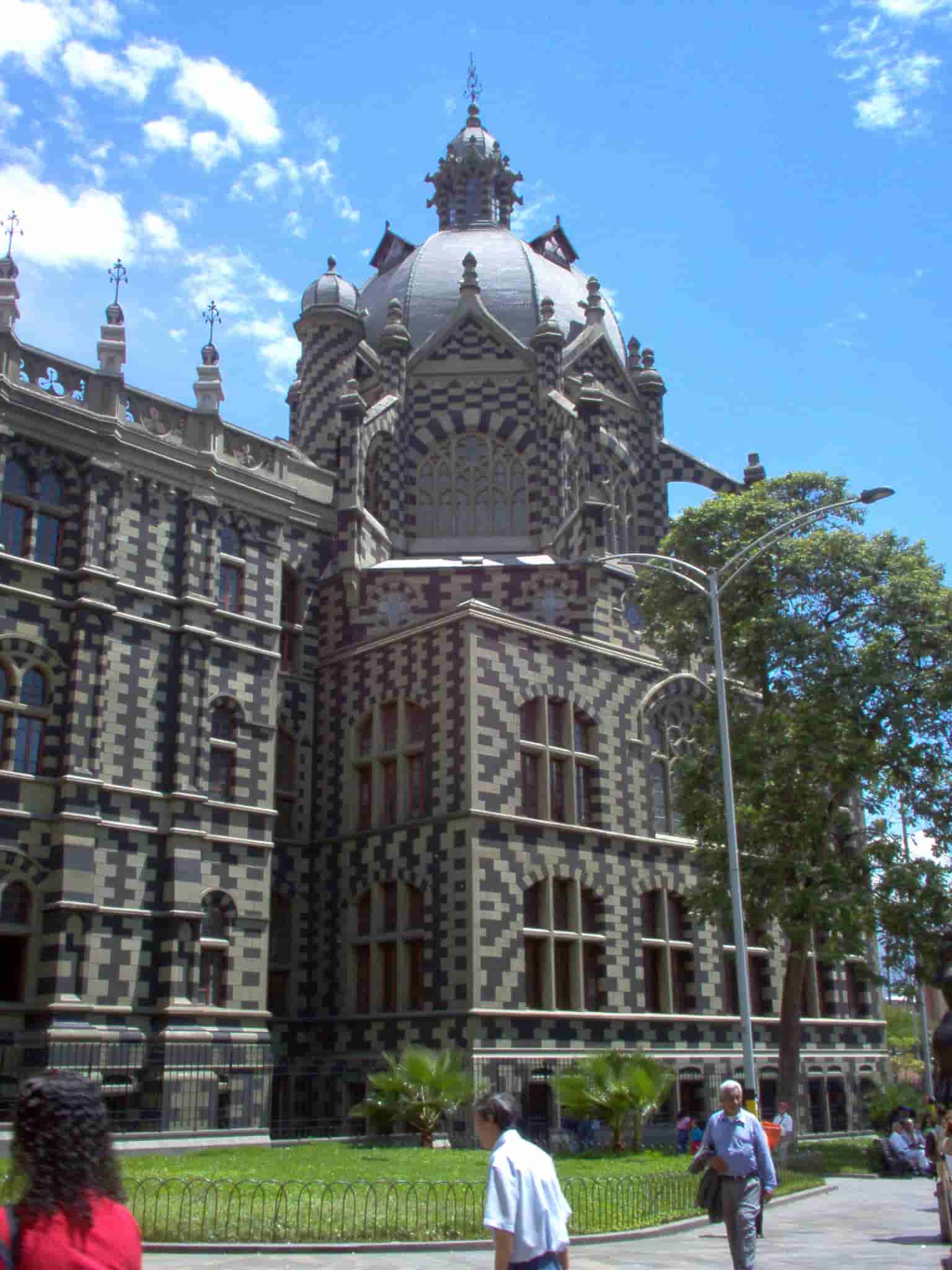
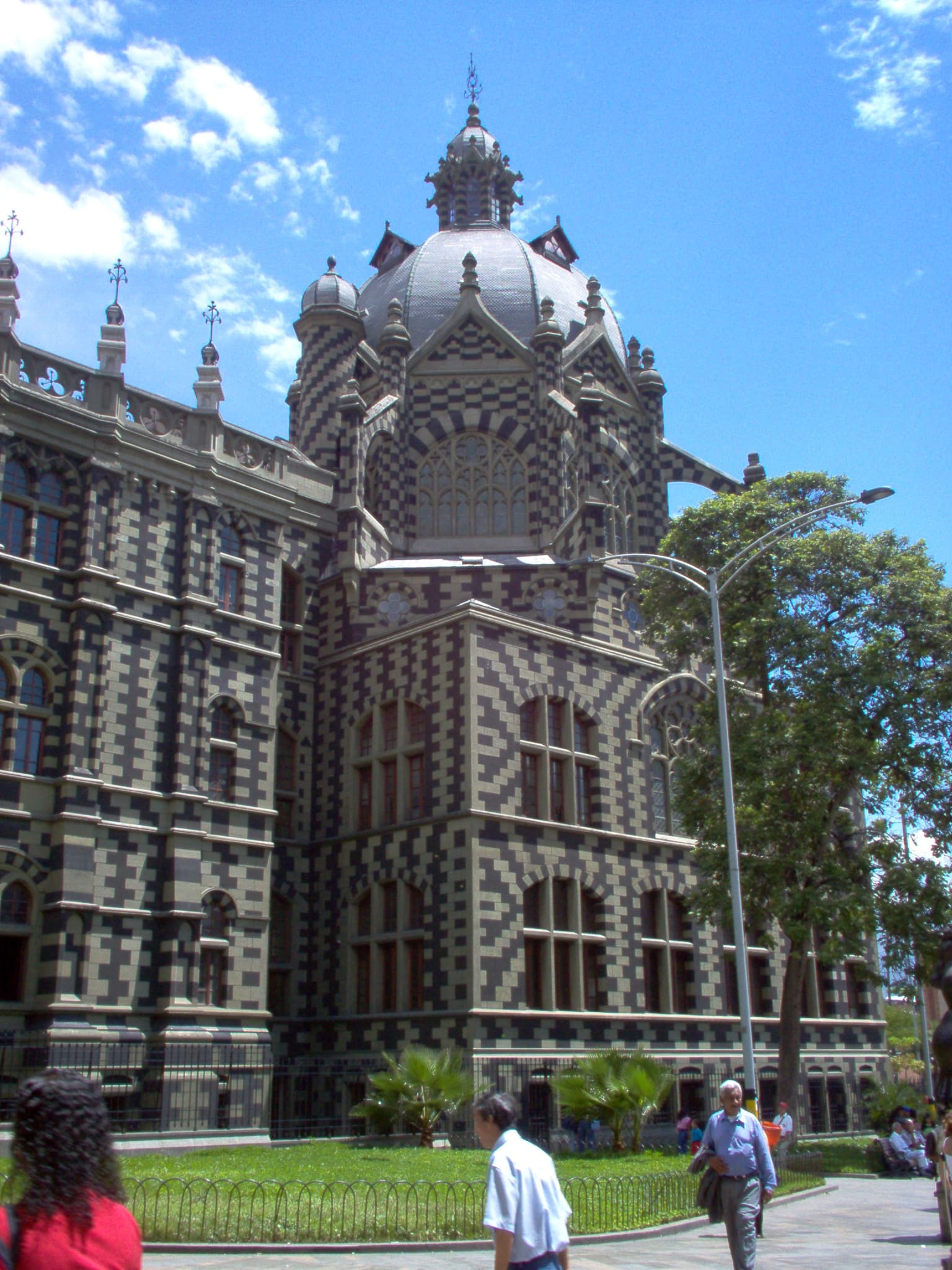 Palacio de la Cultura Rafael UribeLa CandelariaFew buildings identify Medellín as strongly as the Palacio de la Cultura Rafael Uribe Uribe: its black-and-white stripes and castle silhouette turn the corner downtown, beside Plaza Botero.
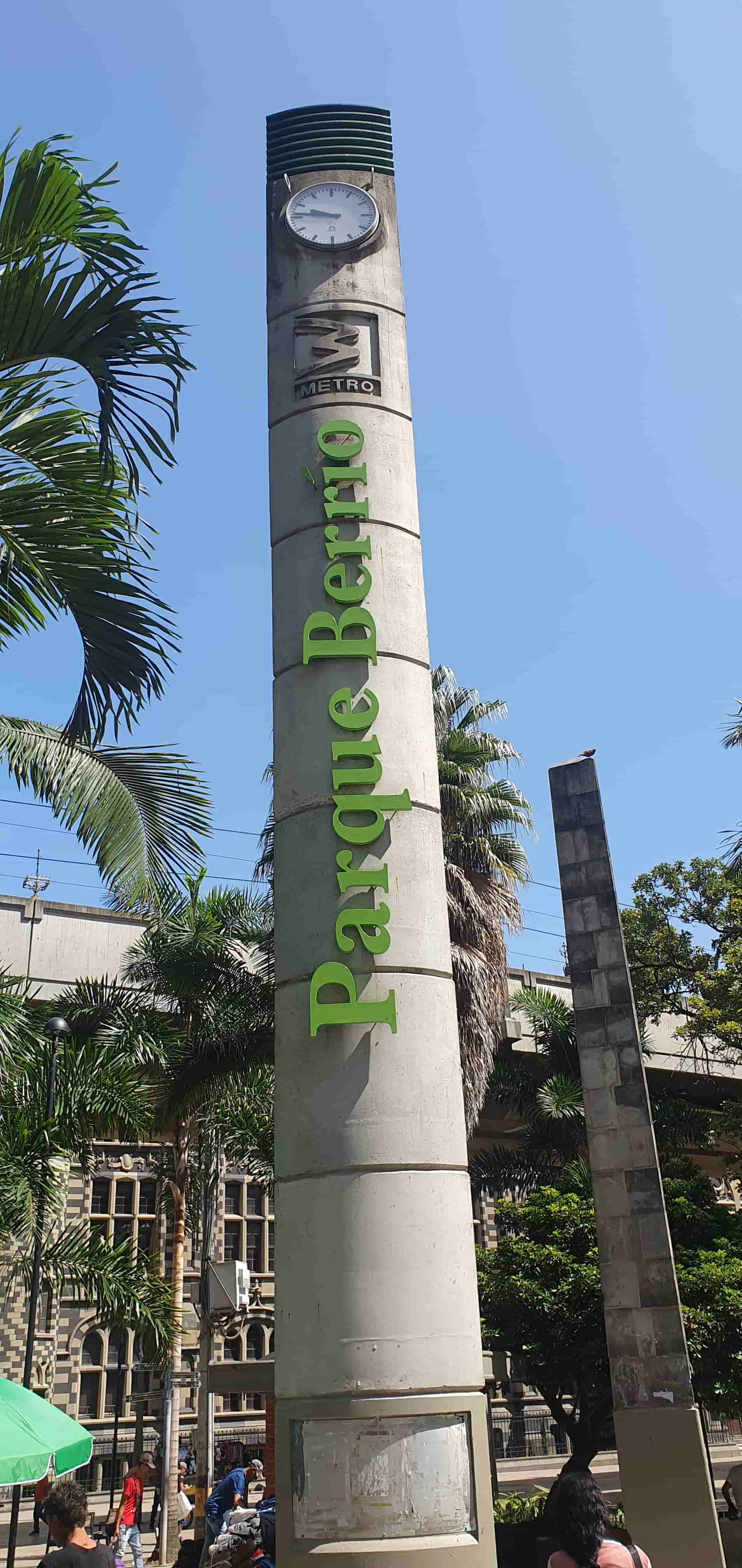
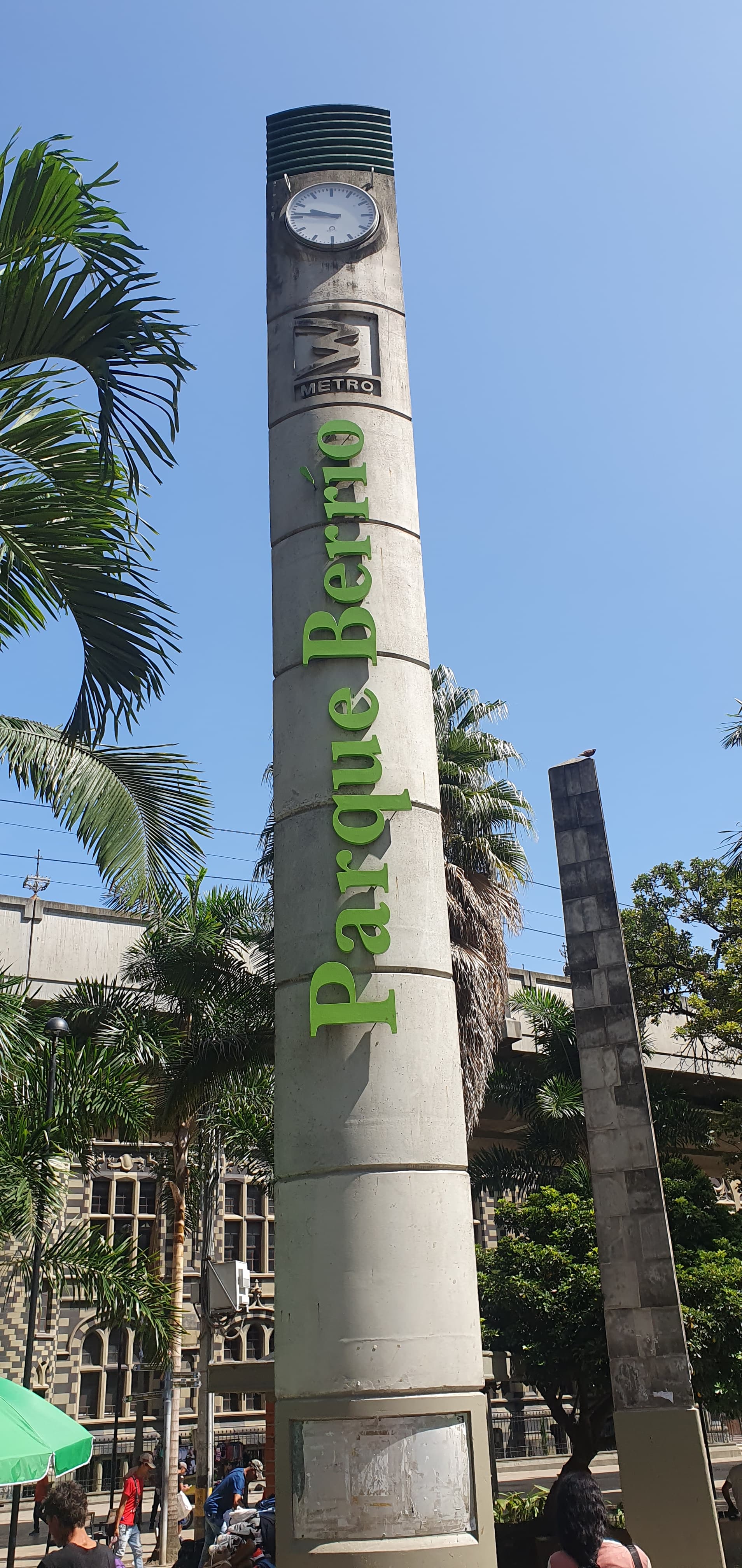 Parque Berrío.La CandelariaParque de Berrío is Medellín's founding centre. The surveyor Agustín Patiño marked it out as the Plaza Mayor on 2 November 1675, and the city grew from there. Between 1784 and 1892 it served as the public market, and it was also the setting for executions and for the great public and political acts of the nineteenth century.
Before you go
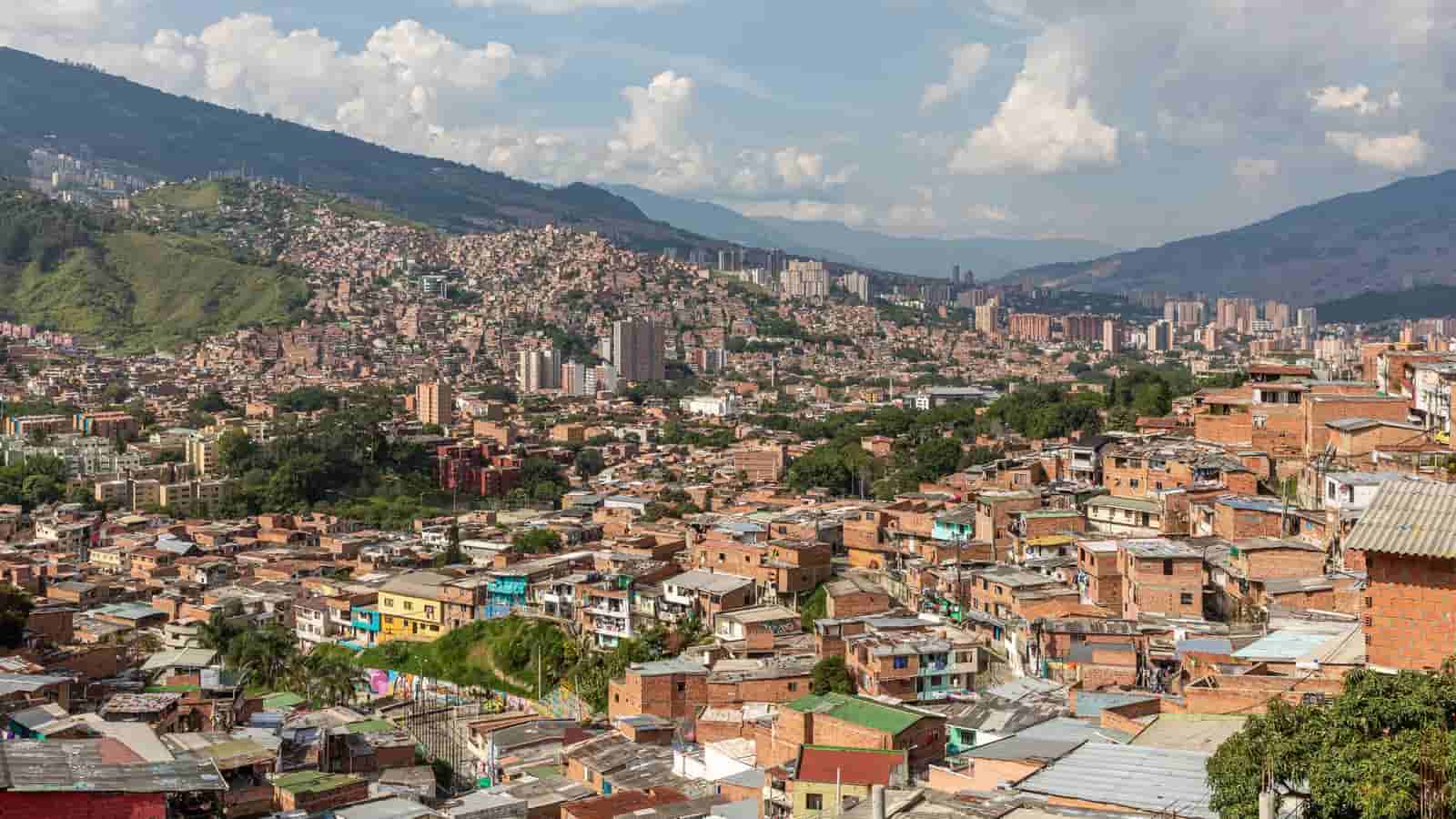
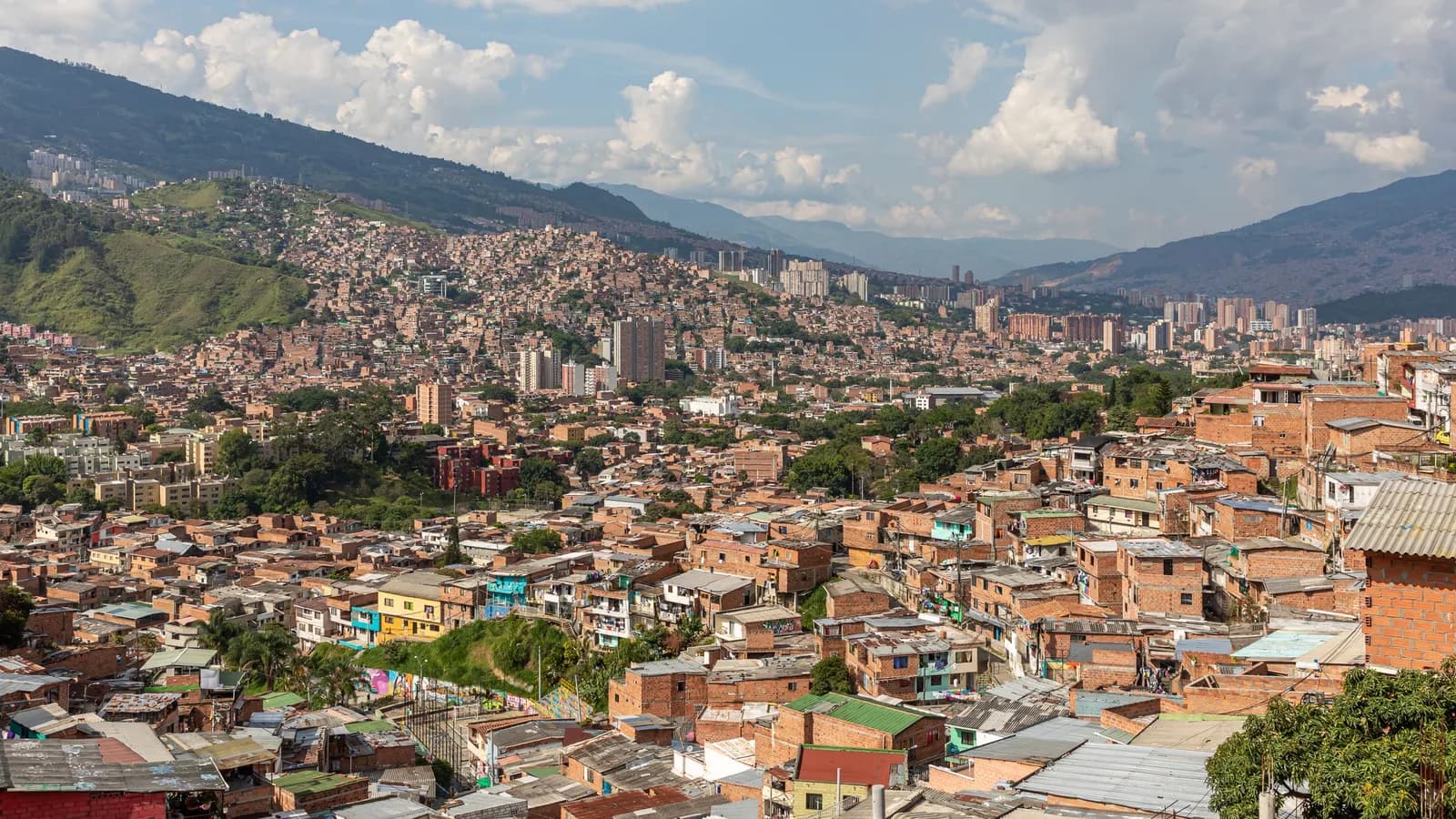
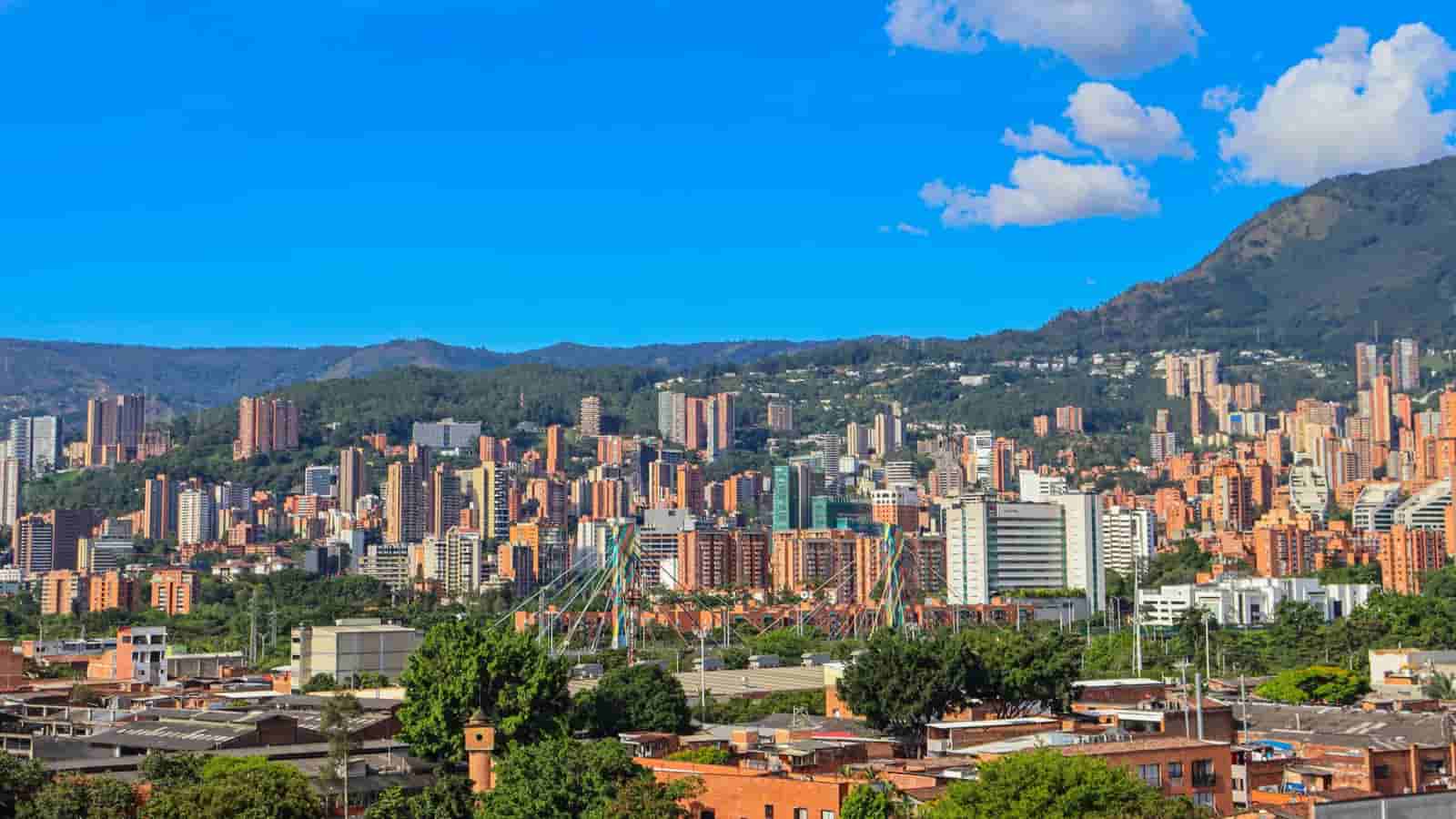
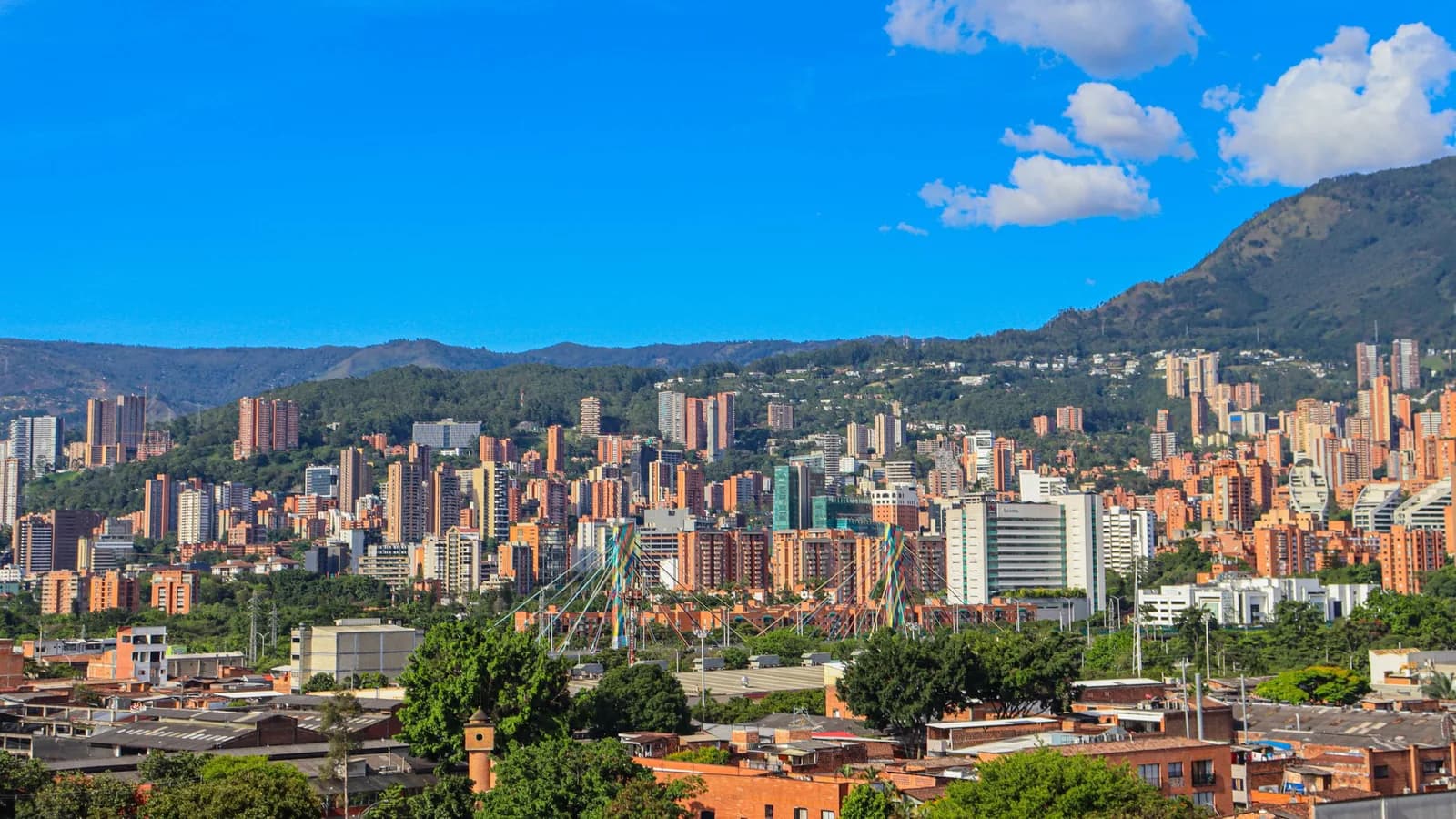
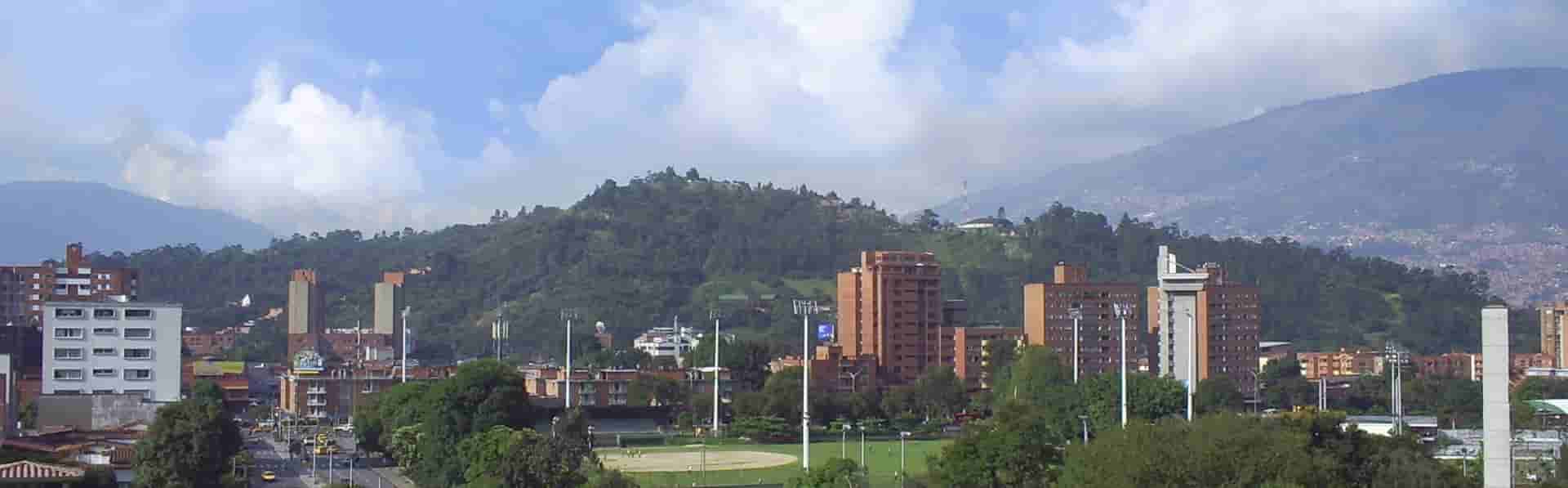
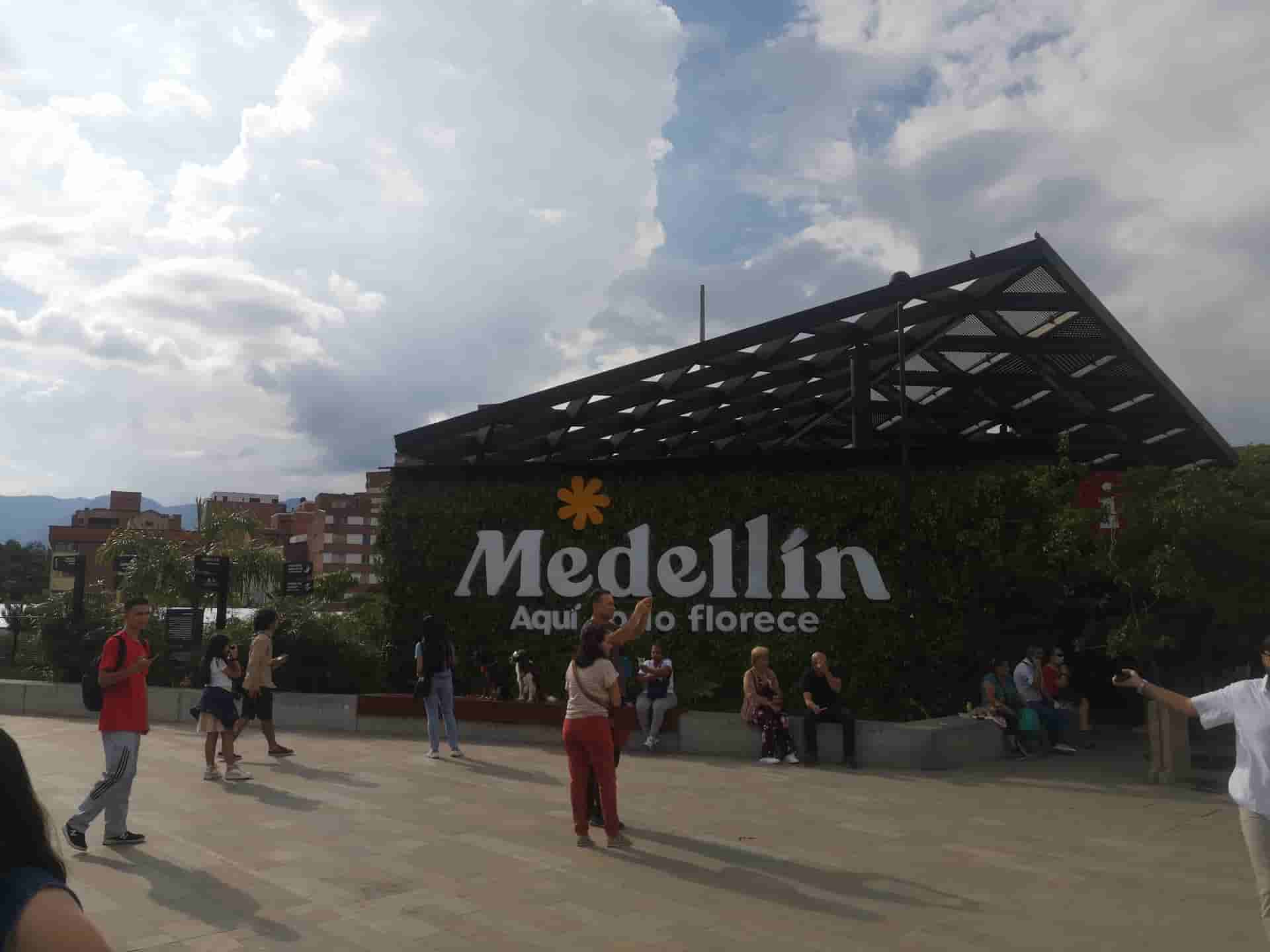
Medellín is much more than El Poblado and Laureles, and this listing holds a good part of what makes it unique: the historic centre, Comuna 13, the northern neighbourhoods, the guardian hills and rural districts such as Santa Elena or San Antonio de Prado. They are very different areas, grouped here because they lie outside the classic visitor neighbourhoods.
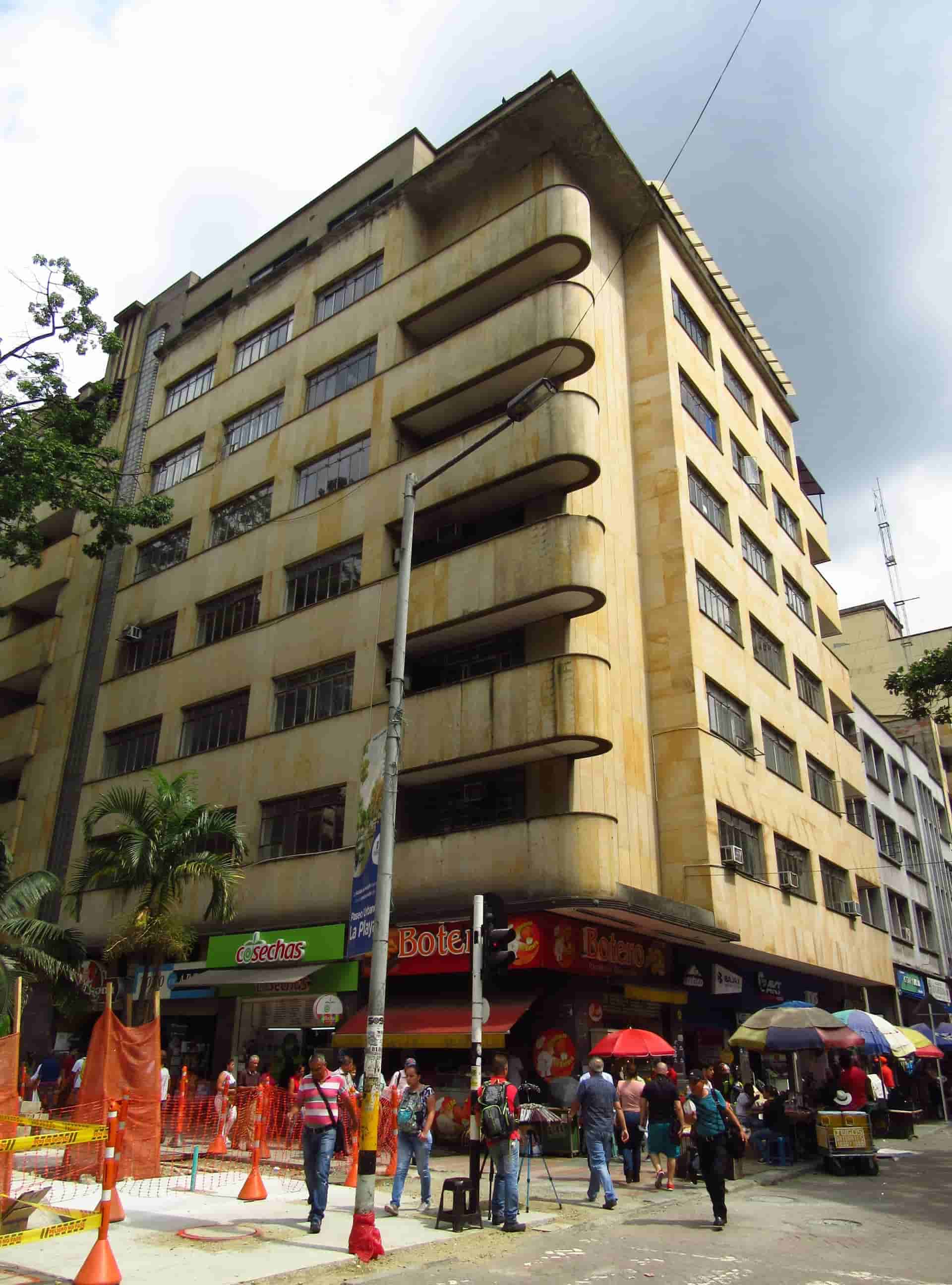
Downtown, around La Candelaria, you will find Plaza Botero, the Museo de Antioquia, the Palace of Culture, the big theatres and historic bars such as Salón Málaga. To the west, Comuna 13 became a symbol of transformation with its outdoor escalators and street art. To the north, by Universidad station, the Botanical Garden, Parque Explora and Parque de los Deseos sit side by side. And higher up are Nutibara hill with Pueblito Paisa, El Volador hill, Parque Arví in Santa Elena and the Las Palmas road, with viewpoints and restaurants.
Nearly all of this can be done by public transport: Metro, Metrocable and, towards Buenos Aires, the Ayacucho tram. Most of these plans are free or low cost. Organise the day by area so you do not cross the city several times, visit downtown and Comuna 13 in daylight, and bring a jacket if you go up to Santa Elena.